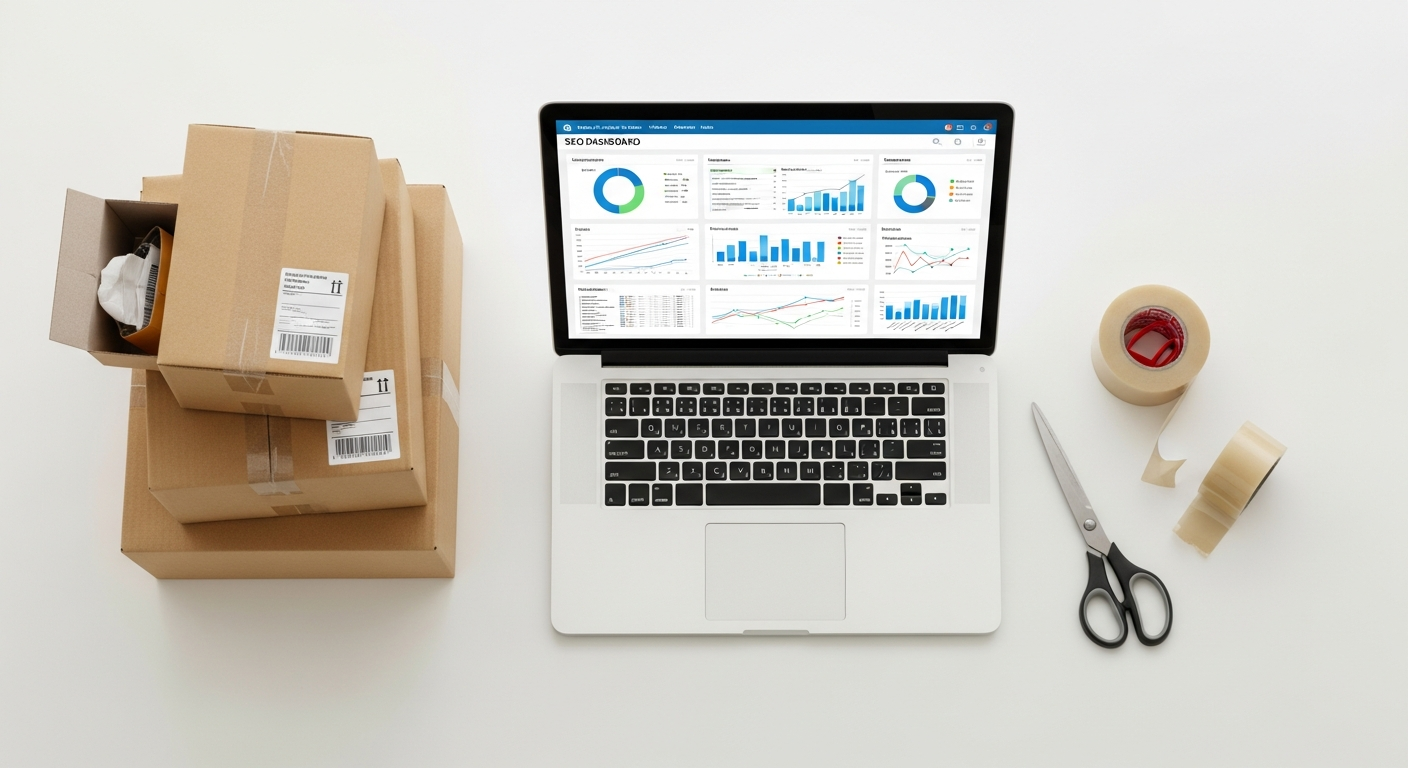
Automate digital product delivery systems

Automate digital product delivery systems
Categories:
Date:
April 13, 2026

How to Automate Digital Product Delivery Systems: A Guide to Maximizing Profits and Scaling Your Online Business

In the high-velocity world of e-commerce, speed is the ultimate currency. For entrepreneurs selling digital assets—be it software, online courses, e-books, or creative templates—the transition from “manual fulfillment” to a fully automated system is the single most important pivot you can make. Imagine a customer in a different time zone purchasing your masterclass at 3:00 AM; if they have to wait until you wake up to receive their access link, you have already lost the momentum of the sale and potentially damaged your brand’s reputation.

To maximize profits in 2026 and beyond, you must view automation not just as a convenience, but as a growth engine. By learning how to automate digital product delivery systems, you remove yourself as the bottleneck, allowing your business to scale infinitely without increasing your workload. This comprehensive guide will walk you through the architecture of a seamless delivery pipeline, the tools required to protect your intellectual property, and the strategic sequences that turn a one-time buyer into a lifelong advocate. If you are ready to stop “trading time for dollars” and start building a self-sustaining revenue machine, this is your roadmap.

1. Selecting the Right Infrastructure for Automated Fulfillment

The foundation of any automated delivery system is the platform where your products live and where the transaction occurs. In 2026, entrepreneurs are moving away from fragmented setups toward integrated solutions that handle both the “Merchant of Record” responsibilities and the delivery logistics.

The Merchant of Record (MoR) Advantage

Platforms like Lemon Squeezy or Paddle act as the Merchant of Record. This is crucial for scaling because they automatically handle global sales tax (VAT/GST) compliance, which is a significant administrative burden for digital sellers. When a sale occurs, the system triggers an immediate download link or account creation without you lifting a finger.

Purpose-Built E-commerce Platforms

If you prefer more control, Shopify remains a powerhouse, especially when paired with apps like Digital Downloads or SendOwl. For those selling high-ticket courses, Kajabi or Teachable provide an all-in-one environment where the checkout, hosting, and delivery happen within a single ecosystem.

Actionable Tip: When choosing a platform, ensure it offers “Link Expiration” and “IP Limiting.” These features ensure that a customer cannot share their unique download link on public forums, protecting your profit margins from piracy.

2. Architecting the “Instant Access” Workflow

Once a customer clicks “Buy Now,” a series of invisible gears must turn instantly. A world-class automated delivery system follows a three-step technical workflow:

Step 1: The Secure Asset Vault

Never host your digital products directly on your website’s server, as this can slow down your site and lead to broken links. Instead, use cloud-based storage solutions like Amazon S3 or Google Cloud Storage. These services generate secure, time-sensitive URLs that only the buyer can access.

Step 2: The Integration Layer

Use automation triggers to connect your payment processor (Stripe, PayPal) to your delivery tool. If your platform isn’t all-in-one, tools like Zapier or Make.com serve as the “glue.”

  • *Trigger:* New Payment in Stripe.
  • *Action:* Send Email via SendOwl with a unique file link.

Step 3: The Redundant Delivery Method

Don’t rely solely on the “Thank You” page for delivery. Browsers crash and tabs get closed. Your system must automatically trigger a follow-up email containing the download credentials within 60 seconds of the purchase. This ensures the customer has a permanent record of their purchase in their inbox.

3. Protecting Your Profits: Security and Anti-Piracy Automation

A common fear among digital entrepreneurs is that their products will be leaked or shared for free. While you cannot stop 100% of piracy, you can automate several deterrents that protect your revenue.

PDF Stamping and Watermarking

If you are selling e-books or guides, use tools like StampReady or the built-in features in Gumroad to automatically “stamp” the buyer’s email address and transaction ID on every page of the PDF. This psychological deterrent significantly reduces the likelihood of the file being shared on public drives.

License Key Generation

For software or Notion templates, automate the generation of unique license keys. Services like Keygen or LicenseSpring integrate with your checkout to provide a unique key that must be validated upon the first use. This allows you to revoke access if a refund is issued or if suspicious activity is detected.

Link Expiration Policies

Set your delivery system to expire download links after 3 attempts or 72 hours. This encourages the customer to save the file locally and prevents the link from being indexed by search engines or shared on social media.

4. Maximizing Backend Profits with Automated Post-Purchase Sequences

The delivery of the product is not the end of the transaction—it is the beginning of a high-value relationship. To maximize profits, your automated system must include a post-purchase “nurture” sequence.

The Immediate Upsell (The “Thank You” Page)

The moment a customer buys, their “buying heat” is at its peak. Automate a “one-click upsell” on the delivery page. For example, if they bought a $47 digital planner, offer them a $19 “Sticker Pack” or a “Video Tutorial Series” that complements the purchase. Because their credit card information is already cached, the friction is zero.

The 7-Day Success Sequence

Set up an automated email sequence in Klaviyo or ConvertKit that triggers upon delivery:

  • **Day 1:** Confirmation and “How to get started” guide.
  • **Day 3:** A “Check-in” email asking if they have any questions (this reduces refund rates).
  • **Day 5:** A case study or success story of another customer using the product.
  • **Day 7:** A limited-time discount code for a related high-ticket product.

By automating this sequence, you are effectively employing a 24/7 sales team that works for free to increase your Average Order Value (AOV) and Lifetime Value (LTV).

5. Scaling Across Channels with Multi-Platform Automation

In 2026, successful sellers aren’t just on one platform. You might sell on your own site, Etsy, and a niche marketplace. Managing these manually is impossible. You must centralize your delivery system.

Centralized Inventory Management

Use a tool like Ordoro or custom Zapier workflows to sync your digital inventory. When you update a file (e.g., updating a 2026 marketing guide), you want that update to propagate across all platforms simultaneously.

Cross-Channel Customer Support

Integrate your delivery system with a helpdesk like Gorgias or Zendesk. When a customer emails saying they “lost their link,” the support bot can automatically verify their email against your delivery database and resend the link without a human agent ever touching the ticket. This keeps your overhead low while maintaining high customer satisfaction.

6. Analyzing Data to Optimize for 2026 Trends

Automation provides a wealth of data that manual systems miss. To stay ahead of the competition, you must regularly audit your automated delivery logs to find “leaks” in your profit bucket.

Tracking Download Rates vs. Open Rates

If your data shows that 95% of people open the delivery email but only 40% actually download the file, there is a friction point. Perhaps the file size is too large for mobile devices, or the download button isn’t clear. Automating these reports allows you to make data-driven pivots.

Identifying “Whale” Customers

Automate a tagging system in your CRM. If a customer buys three digital products in a row, tag them as a “VIP.” This can trigger an automated personal outreach or an invitation to a high-ticket coaching program. In the digital world, 20% of your customers will likely drive 80% of your profit; automation helps you identify and cater to that 20% instantly.

FAQ: Frequently Asked Questions

1. What is the best platform for a beginner to start automating digital delivery?

For beginners, Lemon Squeezy or Gumroad are excellent choices. They provide a “plug-and-play” experience where hosting, payment processing, and automated delivery are handled in one place. They also handle global taxes, which is a massive relief for new entrepreneurs.

2. How can I prevent customers from sharing my digital products?

While total prevention is impossible, you should use PDF Stamping (adding the buyer’s info to the file), Link Expiration (limiting the time or number of downloads), and License Key systems for software. These steps significantly deter casual piracy.

3. Will automating my delivery system increase my monthly costs?

While most automation tools have a subscription fee (e.g., Zapier or Shopify apps), the ROI is typically 10x or higher. You save hours of manual labor and eliminate the “lost sales” that occur when customers have to wait for a manual delivery. It is an investment in scalability, not just a cost.

4. What happens if a customer’s payment fails after they receive the product?

Most modern systems, like Stripe or Paddle, use “webhooks” to communicate with your delivery platform. If a payment is disputed or fails after the fact, the system can automatically revoke access to a member portal or deactivate a license key.

5. Can I automate deliveries for custom-made digital products?

Yes. Even if a product requires customization (like a custom logo design), you can automate the *process*. Use an automated form (like Typeform) to collect requirements after purchase, then use a project management tool (like Trello or Asana) to automatically create a task. Once you upload the final file, the system can notify the client and deliver the asset.

Conclusion: Take the Leap Toward True Passive Income

The dream of “making money while you sleep” is only possible through the robust automation of your digital product delivery systems. In the current market, customers expect instant gratification. Any delay between the “Buy” button and the “Download” button is a crack in your business foundation where profits can leak out.

By selecting the right platform, securing your assets, and implementing strategic post-purchase sequences, you transform your online store from a demanding job into a high-performance asset. Remember, the goal of automation is not to remove the human touch, but to handle the repetitive tasks so you can focus on what actually grows the business: creation and strategy.

Ready to maximize your profits? Start by auditing your current delivery process today. Identify one manual step you can automate this week—whether it’s your delivery email or your tax compliance—and watch how your capacity to scale expands instantly. In the world of digital commerce, the fastest to deliver is usually the one who wins.

Written By

Explore more articles

Contact Us

Want to learn more about us? Complete this form and someone from our team will be in touch soon.

Jessie Guerrero

Recent Articles