Understanding the Power of Landing Pages in 2026
A landing page, by definition, is a standalone web page created specifically for a marketing or advertising campaign. It’s where a visitor “lands” after clicking on a link in an email, an ad from Google, YouTube, Facebook, Instagram, or similar places on the web. Unlike a homepage, which offers multiple navigation options and caters to a broad audience, a landing page has a single purpose, often called a single call to action (CTA). This singular focus is its greatest strength, making it an indispensable tool for lead generation, product launches, service promotions, and much more in the sophisticated digital environment of 2026.
The strategic importance of landing pages cannot be overstated. They serve as the direct link between your marketing efforts and your business objectives. Without a well-designed landing page, your ad spend could be wasted, sending potential customers to a generic page where they get lost or distracted. A dedicated landing page, however, provides a clear, concise pathway to conversion, whether that’s signing up for a newsletter, downloading an e-book, requesting a demo, or making a purchase. This directness translates into higher conversion rates, more qualified leads, and ultimately, a healthier bottom line for your e-commerce venture.
Furthermore, landing pages are invaluable for data collection and analysis. By tracking visitor behavior specifically on these pages, you gain deep insights into what resonates with your audience, what causes friction, and how effectively your marketing messages are performing. This data-driven approach is critical for continuous optimization, allowing you to refine your strategies and maximize the effectiveness of every campaign. In an era where personalized experiences and targeted messaging are key, landing pages provide the perfect canvas for delivering highly relevant content and offers, ensuring your business stays ahead of the curve in 2026.
Key Elements of an Effective Landing Page Design
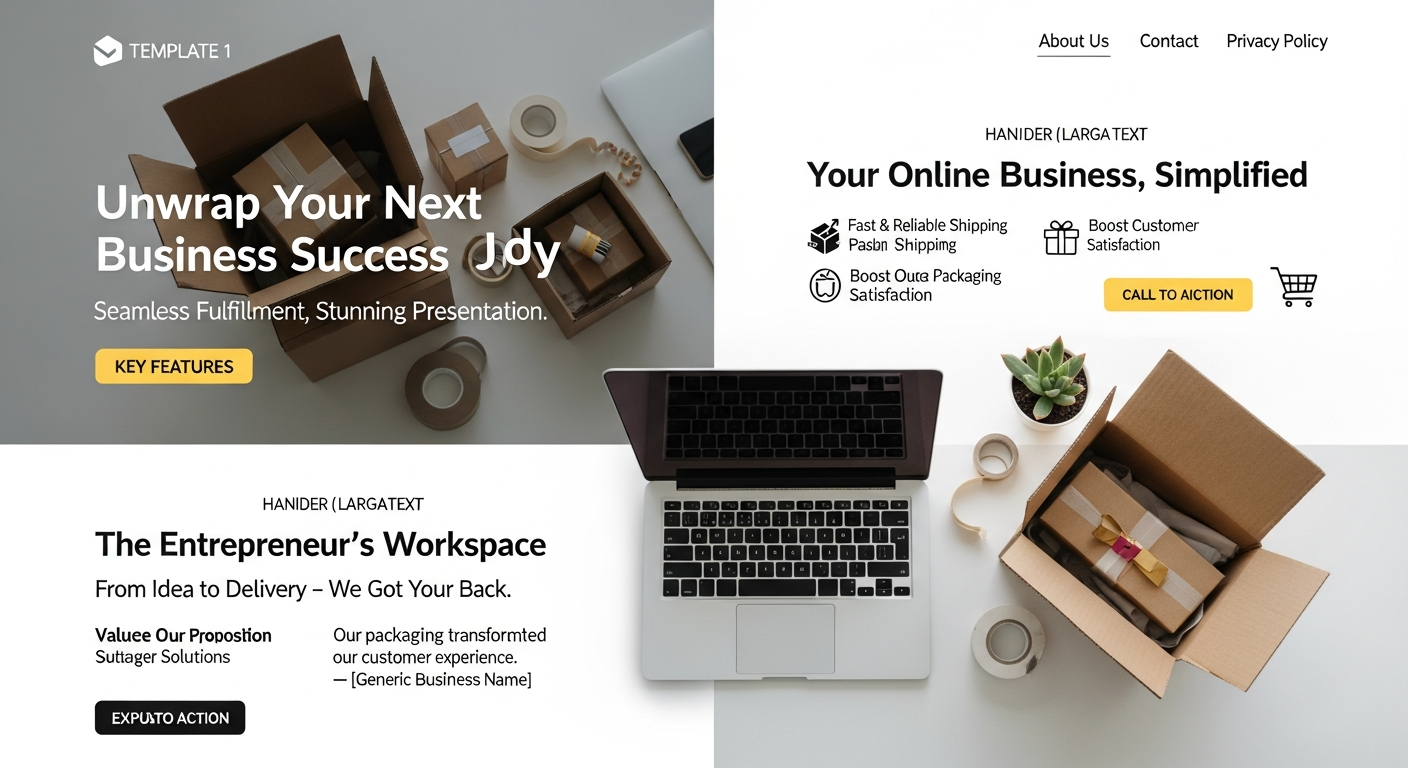
Before diving into specific templates, it’s crucial to understand the foundational elements that make any landing page truly effective. These components work in harmony to guide your visitor towards the desired action, minimizing distractions and building trust:
- Compelling Headline: Your headline is the first thing visitors see. It must be clear, concise, and immediately communicate the core benefit or offer. It should grab attention and make the visitor want to learn more.
- Clear Value Proposition: Beyond the headline, the body copy needs to articulate the unique value your offer provides. What problem does it solve? What benefits will the visitor gain? This should be easy to scan and understand quickly.
- Strong Call to Action (CTA): This is the most critical element. Your CTA button should be visually prominent, use action-oriented language (e.g., “Get Your Free E-book Now,” “Start My Free Trial,” “Book a Consultation”), and clearly tell the visitor what to do next.
- High-Quality Visuals: Images, videos, or graphics should be relevant, professional, and enhance the message, not distract from it. They help break up text and convey information quickly, showcasing products or explaining services effectively.
- Social Proof and Trust Signals: Testimonials, customer reviews, trust badges, security seals, media mentions, or logos of clients you’ve worked with build credibility and reduce perceived risk. People are more likely to convert if they see others have had positive experiences.
- Minimal Navigation: An effective landing page typically removes the main website navigation bar. This eliminates distractions and keeps visitors focused solely on the conversion goal. The only “exit” should be the CTA or closing the page.
- Mobile Responsiveness: With a significant portion of web traffic coming from mobile devices, your landing page must be perfectly optimized for all screen sizes. A seamless mobile experience is non-negotiable for conversion in 2026.
- Concise Forms (if applicable): If your goal is lead capture, keep your forms short and ask only for essential information. Each additional field can decrease conversion rates.
Mastering these elements is the first step towards creating landing pages that don’t just look good, but perform exceptionally. These principles are universal and should be applied regardless of the template you choose, forming the bedrock of a high-converting strategy for your business.
The 5 Best Landing Page Design Templates for Your Business
1. The “Lead Magnet” Template
Purpose: This template is designed to capture leads by offering valuable digital content in exchange for contact information. Think e-books, whitepapers, comprehensive guides, exclusive reports, free trials, or even a webinar recording. It’s perfect for building an email list and nurturing prospects through your sales funnel.
Key Design Elements:
- Prominent Offer Visual: A clear, attractive image or mock-up of the lead magnet (e.g., an e-book cover).
- Benefit-Oriented Headline: Focuses on what the user will gain by downloading the content.
- Bullet-Pointed Benefits: Quick, scannable list highlighting the key takeaways or solutions provided by the lead magnet.
- Short, Focused Form: Typically asks for name and email address, sometimes company name or role. The fewer fields, the better.
- Strong CTA: Button text like “Download Now,” “Get Your Free Guide,” or “Access Instantly.”
- Privacy Assurance: A small note assuring users their data is safe and won’t be spammed, linking to your privacy policy.
Why it’s Effective: The Lead Magnet template works because it offers immediate value without a direct monetary commitment. It establishes your brand as an authority and provides an opportunity to initiate a relationship with potential customers. By delivering high-quality content upfront, you build trust and position your business as a helpful resource, making future conversions more likely. Customizing this template involves tailoring the visuals and copy to perfectly match your specific lead magnet and target audience, ensuring maximum appeal and conversion for your e-commerce platform or service-based business.
2. The “Product Launch” Template
Purpose: Ideal for creating buzz and driving early interest or pre-orders for a new product, service, or upcoming collection. This template builds anticipation and leverages scarcity or exclusivity to encourage immediate action. It’s particularly effective for manufacturing brands introducing innovative products or e-commerce stores launching seasonal lines.
Key Design Elements:
- High-Impact Hero Section: Features stunning product imagery or a captivating video showcasing the new offering.
- Countdown Timer: Creates urgency for a launch date, pre-order window, or special introductory offer.
- Teaser Information: Highlights key features, unique selling propositions, and benefits without revealing everything.
- Early Bird Offer/Pre-order CTA: Encourages visitors to sign up for early access, a discount, or to pre-order the product.
- Social Sharing Buttons: Facilitates word-of-mouth marketing and expands reach.
- “Notify Me” Form: A simple form to collect emails for launch announcements, keeping prospects engaged.
Why it’s Effective: This template taps into human psychology, leveraging excitement, exclusivity, and the fear of missing out. By creating a dedicated page for a launch, you give the new product the spotlight it deserves, preventing it from getting lost on a busy website. For manufacturing brands, this template can be crucial in generating demand before production ramps up, and for e-commerce, it’s a powerful tool for building anticipation around new inventory. The focus is on generating hype and capturing intent from early adopters, providing a strong foundation for a successful product rollout in 2026.
3. The “Service Consultation” Template
Purpose: Geared towards businesses offering high-value services that typically require a conversation before purchase. This could be for marketing agencies, consulting firms, SaaS companies offering demos, or specialized e-commerce services like custom product design. The goal is to book appointments or schedule calls.
Key Design Elements:
- Benefit-Driven Headline: Focuses on the outcome the client will achieve through your service (e.g., “Unlock Your E-commerce Growth,” “Streamline Your Operations”).
- Problem/Solution Framing: Clearly articulates a common pain point of your target audience and positions your service as the ideal solution.
- Expertise & Authority: Includes client logos, testimonials, case study snippets, or even a brief bio of the consultant.
- Clear Call to Action: Buttons like “Schedule a Free Consultation,” “Book a Demo,” or “Talk to an Expert.”
- Integrated Scheduling Tool: Directly embeds a calendar booking system (e.g., Calendly, Acuity Scheduling) to streamline the process.
- FAQ Section: Addresses common questions about the service or consultation process, reducing friction.
Why it’s Effective: For complex or high-ticket services, direct selling often isn’t feasible. This template facilitates the crucial first step: a personalized interaction. It builds trust by showcasing expertise and social proof, making potential clients feel confident in taking the next step. The seamless integration of a scheduling tool removes barriers to booking, making the process effortless for the user. This template is vital for businesses whose sales cycle involves education and personalized engagement, ensuring that valuable leads are funneled directly into a consultation opportunity rather than being left to navigate complex pricing pages or service descriptions.
4. The “Webinar/Event Registration” Template
Purpose: Designed to maximize sign-ups for online webinars, virtual summits, workshops, or in-person events. This is excellent for educating your audience, positioning your brand as a thought leader, and generating qualified leads interested in specific topics relevant to your business.
Key Design Elements:
- Catchy Event Title: Clearly states the topic and promises a valuable learning experience.
- Date, Time, and Speakers: Essential logistical information, including speaker photos and brief bios to establish credibility.
- Agenda/Key Takeaways: Bullet points outlining what attendees will learn or gain from participating.
- Registration Form: Simple form for name, email, and perhaps company name.
- Strong CTA: “Register Now,” “Secure Your Spot,” or “Join the Webinar.”
- Social Sharing: Encourages attendees to invite their network.
- Urgency/Scarcity (Optional): “Limited Spots Available” or “Registration Closes Soon.”
Why it’s Effective: Webinars and events are powerful lead generation and nurturing tools. This template streamlines the registration process, removing any potential friction that could deter sign-ups. By clearly articulating the value of attendance and highlighting expert speakers, it builds excitement and trust. For e-commerce businesses, hosting a webinar on “How to Maximize Your Q4 Sales in 2026” or “Mastering Social Media Ads” can attract highly engaged prospects. This template ensures that your educational efforts translate directly into a growing list of interested individuals, ready for further engagement and conversion opportunities.
5. The “E-commerce Product Page” Template (Single Product Focus)
Purpose: While technically a product page, this template transforms a standard product listing into a high-converting landing page for a specific, featured product or a very narrow collection. It’s designed to drive immediate sales for a single item, especially for paid ad campaigns or promotions targeting a particular product. This is critical for e-commerce businesses aiming to quickly convert traffic from specific campaigns.
Key Design Elements:
- High-Resolution Product Imagery/Video: Multiple angles, lifestyle shots, and a video showcasing the product in use.
- Clear Value Proposition & Benefits: Focuses on what the product does for the customer, not just its features.
- Prominent Add-to-Cart CTA: Visually distinct and ideally above the fold.
- Pricing and Availability: Clearly displayed, with any discounts or urgency (e.g., “Limited Stock!”).
- Customer Reviews & Ratings: Social proof directly related to the product.
- Detailed Product Description: Addresses potential questions and highlights unique selling points.
- Trust Badges: Security seals, payment method logos, return policy assurance.
- Minimal Distraction: Reduced cross-sells/upsells (or only highly relevant ones), limited navigation.
Why it’s Effective: When you’re running a campaign for a specific product, sending traffic to a generic category page or a cluttered homepage dilutes intent. This specialized product page acts as a landing page by removing distractions and focusing solely on convincing the visitor to buy this specific item. It answers all potential questions, builds trust through social proof, and makes the purchase process incredibly easy. This template is a powerhouse for e-commerce businesses looking to maximize ROI from targeted product advertisements, ensuring every click is channeled directly towards a sale, making it an essential tool for revenue growth in 2026.
Optimizing Your Chosen Template for Maximum Conversions
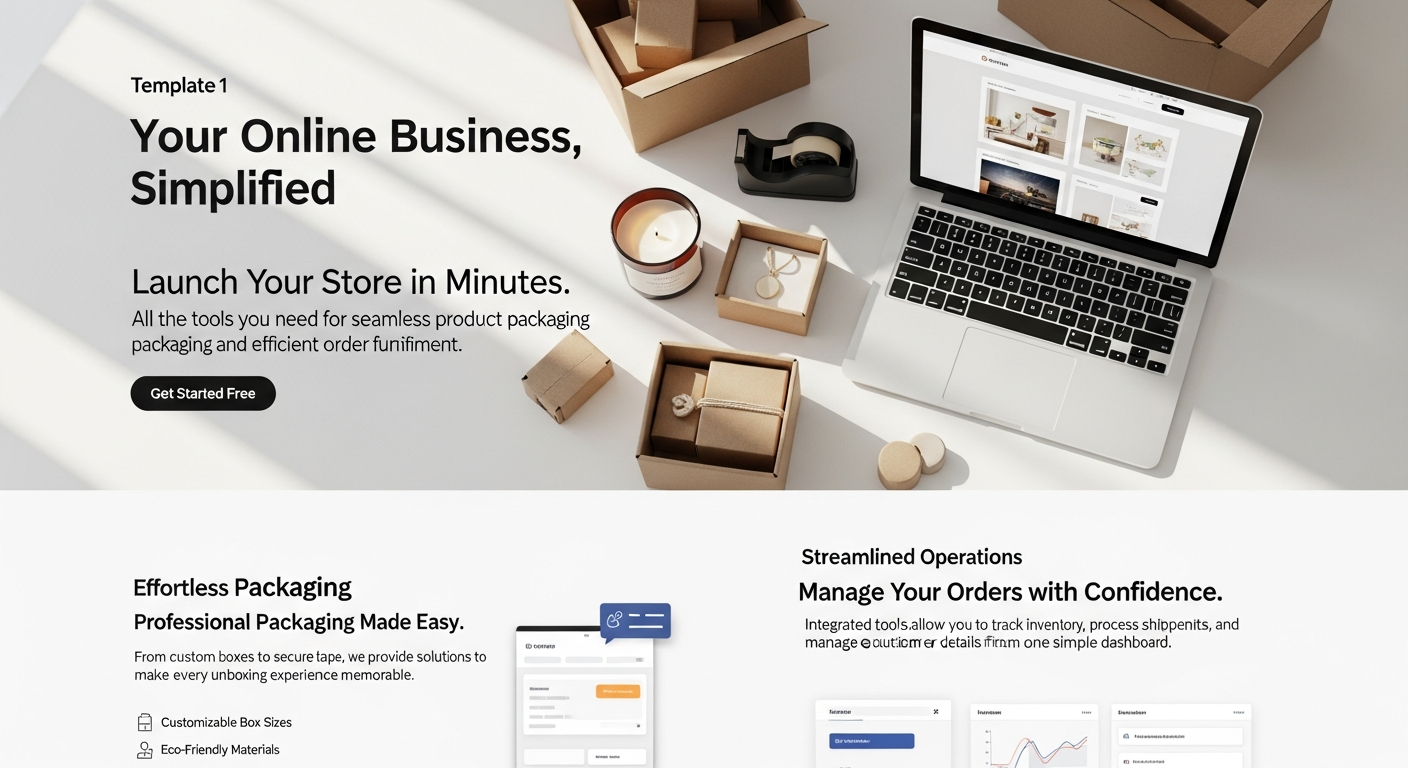
Selecting the best template is only half the battle; continuous optimization is what truly unlocks superior performance. Even the best designs can be improved. Here’s how to ensure your landing pages are always performing at their peak:
- A/B Testing: This is your most powerful tool. Test different headlines, CTAs, images, form lengths, and even entire layout sections. Small changes can lead to significant conversion rate improvements. Always test one element at a time to accurately attribute performance changes.
- Heatmaps and Session Recordings: Tools like Hotjar or Crazy Egg provide visual data on how users interact with your page. Heatmaps show where users click and scroll, while session recordings let you watch actual user journeys, revealing points of friction or confusion.
- Analytics Integration: Connect your landing pages to Google Analytics or similar platforms. Track key metrics such as bounce rate, time on page, conversion rate, and traffic sources. Understand who your visitors are and how they behave.
- Page Load Speed: In 2026, visitors expect instant gratification. A slow-loading landing page is a conversion killer. Optimize images, leverage browser caching, and use a reliable hosting provider to ensure your pages load swiftly across all devices.
- Personalization: Where possible, personalize your landing page content based on the visitor’s source (e.g., ad creative, email segment) or known demographic data. Dynamic content that changes based on user attributes can dramatically increase relevance and conversion.
- Feedback Loops: Sometimes, simply asking your visitors for feedback can reveal insights you wouldn’t get from data alone. Consider implementing a small survey or feedback widget.
Optimization is an ongoing process, not a one-time task. By regularly analyzing performance and iterating on your designs, you ensure your landing pages remain highly effective conversion machines, continually contributing to your business’s growth trajectory.
Integrating Tech for Superior Landing Page Performance
In the rapidly evolving digital landscape of 2026, technology is not just an enabler; it’s a differentiator. The question of how can tech help improve business performance extends directly to your landing pages, transforming them from static web assets into dynamic, intelligent conversion engines. Leveraging the right technological tools can significantly enhance your landing page effectiveness and overall business efficiency.
Firstly, AI-powered personalization engines are becoming standard. These tools analyze user data in real-time to dynamically adjust content, images, and CTAs on your landing page, presenting the most relevant offer to each individual visitor. Imagine a landing page for an e-commerce store that automatically highlights products based on a visitor’s past browsing history or demographic, drastically improving the chances of conversion. This level of tailored experience is a direct answer to improving business performance by boosting engagement and sales.
Secondly, advanced analytics and CRM integration are paramount. Beyond basic page views, deep analytics platforms provide granular insights into user behavior, segmenting audiences, and identifying conversion funnels. Integrating these with your Customer Relationship Management (CRM) system means every lead captured on your landing page is automatically entered into your sales pipeline, triggering follow-up sequences, and providing sales teams with a complete history of interaction. This automation reduces manual effort and ensures no lead falls through the cracks, directly impacting sales efficiency.
Thirdly, consider marketing automation platforms that can manage entire campaigns from ad click to conversion and beyond. These platforms allow you to create complex workflows: a visitor downloads an e-book from your lead magnet landing page, then receives a series of nurturing emails, eventually leading them to a service consultation landing page. This seamless journey, managed by technology, ensures consistent brand messaging and efficient lead nurturing, proving how tech improves business performance by scaling personalized interactions.
Finally, the use of server-side rendering (SSR) and Content Delivery Networks (CDNs) for your landing pages is crucial for speed. As mentioned, page load speed is a critical conversion factor. SSR ensures that the page content is rendered on the server before being sent to the browser, significantly reducing load times, especially for complex pages. CDNs distribute your content across multiple servers globally, so users access data from the closest server, further accelerating delivery. These technical back-end optimizations are invisible to the user but profoundly impact their experience and your conversion rates, directly contributing to a superior business performance in the competitive 2026 market.
Beyond Design: Protecting Your Business Assets
While an exceptional landing page is vital for attracting customers and driving sales, it’s equally important to consider the broader ecosystem of your business and ensure its resilience. A successful landing page generates revenue, but that revenue, and indeed your entire business, needs robust protection. This brings us to two critical aspects often overlooked by online entrepreneurs: why manufacturing brands need business insurance and how to manage both home and business expenses.
First, let’s address the manufacturing angle. Even if your e-commerce business primarily sells digital products or drop-ships, if you ever venture into creating your own physical products, or if you source from manufacturers, understanding business insurance becomes paramount. For manufacturing brands, product liability insurance is non-negotiable. It protects against claims of injury or damage caused by your product. Beyond product-specific policies, comprehensive business insurance (including general liability, property insurance, and potentially cyber insurance for your digital assets like landing pages and customer data) safeguards against unforeseen events that could cripple your operations. A successful landing page might generate thousands of sales, but one major lawsuit or a data breach could erase all those gains. Protecting your physical and digital assets ensures that the hard-won success from your marketing efforts isn’t jeopardized by external risks.
Secondly, effective financial management is the backbone of sustainable growth. This is where how to manage both home and business expenses becomes a critical discussion. For many entrepreneurs, especially those starting out, the lines between personal and business finances can blur. This is a dangerous practice that can lead to significant tax issues, cash flow problems, and an inability to accurately assess your business’s profitability. To ensure your business can consistently invest in high-performing landing pages, marketing campaigns, and technology, you must:
- Maintain Separate Bank Accounts: A dedicated business checking and savings account is fundamental.
- Track Everything Diligently: Use accounting software to categorize every income and expense for both personal and business.
- Set a Salary: Pay yourself a regular salary from your business account to cover personal expenses, rather than dipping into business funds randomly.
- Budget for Business Growth: Allocate specific funds for marketing, technology upgrades, and professional development. This ensures you have the capital to continually optimize your landing pages and other growth initiatives.
- Consult with Professionals: Work with an accountant or financial advisor who specializes in small businesses to ensure compliance and optimize your financial strategy.
By implementing robust insurance policies and meticulous financial separation, you create a stable environment where your expertly designed landing pages can truly thrive, converting visitors into loyal customers for a business built on solid ground. This holistic approach to business management is what defines true entrepreneurship in 2026.
Frequently Asked Questions
Recommended Resources
Check out How To Maximize Credit Card Points on Gold Points for a deeper dive.
Check out How To Choose The Right Business Software on Kacerr for a deeper dive.