
Understanding Amazon FBA: Your Gateway to E-commerce Success
Amazon FBA is more than just a service; it’s an entire ecosystem that empowers sellers to leverage Amazon’s world-class logistics network. At its core, FBA allows you to send your products to Amazon’s fulfillment centers, where they are stored. When a customer places an order, Amazon picks, packs, ships the item, and even handles customer service and returns on your behalf. This hands-off approach to fulfillment liberates sellers from the logistical complexities that often deter new entrepreneurs, making it an incredibly attractive model for anyone looking to enter the e-commerce space with a strong foundation.
Why FBA is a Game-Changer for Beginners
- Access to Prime Customers: FBA products are eligible for Amazon Prime’s fast, free shipping, instantly making your listings more appealing to millions of loyal Prime members. This significantly boosts visibility and conversion rates.
- Scalability: As your business grows, Amazon’s infrastructure can effortlessly scale with you. You don’t need to worry about expanding warehouse space or hiring more staff for shipping.
- Enhanced Trust and Credibility: Products fulfilled by Amazon often carry a higher level of trust from customers due to Amazon’s reliable delivery and customer service reputation.
- Focus on Core Business Activities: By outsourcing logistics, you can dedicate more time and resources to crucial activities like product research, marketing, and identifying new growth opportunities. This is vital for any thriving e-commerce venture, especially as you strategize how to start an e-commerce business in 2026.
- Customer Service Handling: Amazon handles most customer inquiries related to shipping and returns, freeing up your time and reducing operational overhead.
The FBA Process: A Step-by-Step Overview
The journey with Amazon FBA typically follows a clear path:
- Product Sourcing: You find products to sell, either by creating your own brand (private label), reselling existing brands (retail/online arbitrage), or dropshipping.
- Listing Creation: You create product listings on Amazon Seller Central, providing detailed descriptions, high-quality images, and competitive pricing.
- Shipping to Amazon: You prepare your products according to Amazon’s strict packaging and labeling guidelines and ship them to an Amazon fulfillment center.
- Storage and Inventory: Amazon stores your inventory in its warehouses, ready for dispatch.
- Order Fulfillment: When a customer buys your product, Amazon picks it from the shelf, packs it, and ships it directly to the customer.
- Customer Service: Amazon manages customer inquiries, returns, and refunds for FBA orders.
- Payouts: Amazon regularly deposits your sales revenue (minus their fees) into your bank account.
Understanding this process is the first critical step in building a successful FBA business in 2026 and beyond.
Setting Up Your Amazon Seller Account: The Foundation
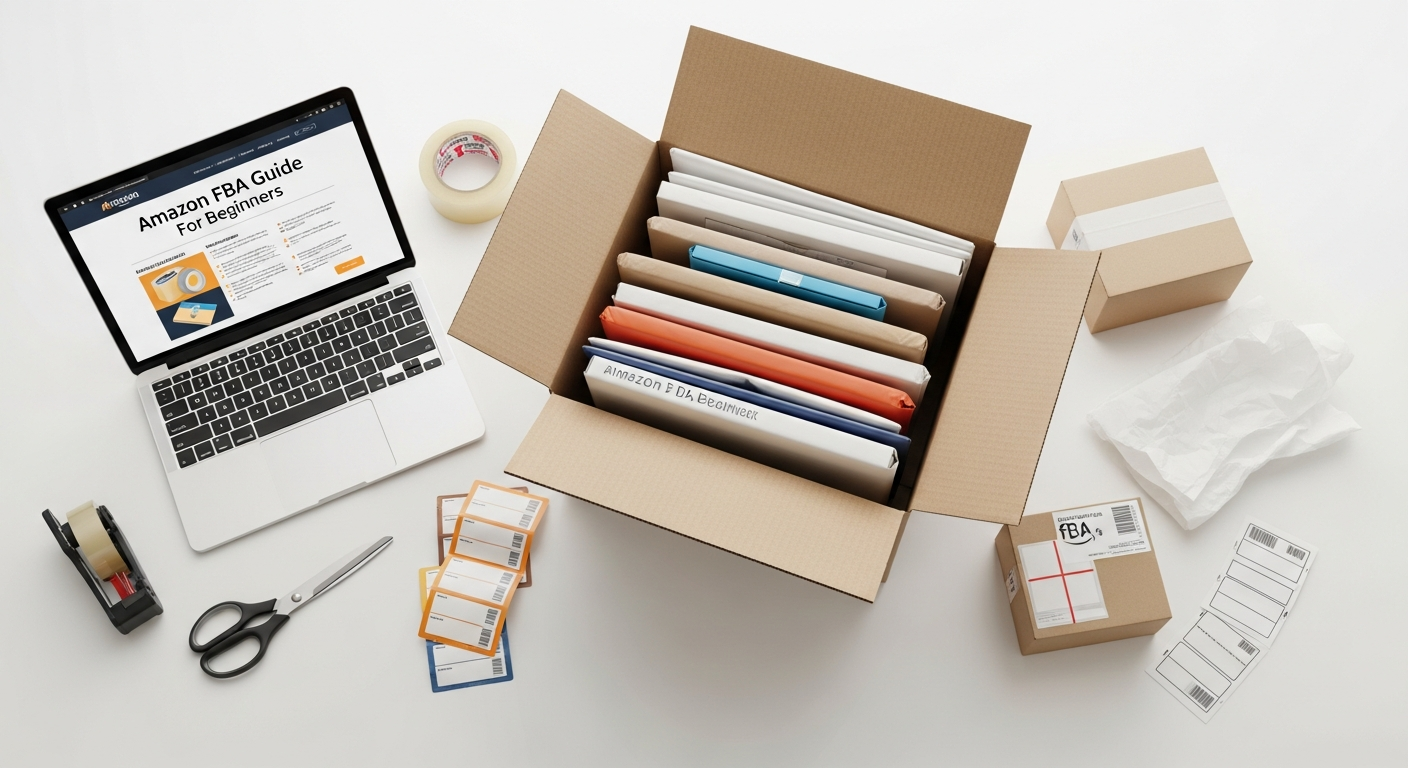
Before you can embark on your FBA journey, establishing a professional Amazon Seller Central account is paramount. This platform is your command center for managing everything from product listings to inventory and sales reports. Think of it as your virtual storefront and operational hub within the Amazon ecosystem. For anyone planning how to start an e-commerce business in 2026, this is a non-negotiable step.
Choosing Your Seller Plan
Amazon offers two primary seller plans:
- Individual Plan: This plan is ideal for sellers who anticipate selling fewer than 40 units per month. There’s no monthly subscription fee, but you pay a $0.99 fee per item sold, in addition to other selling fees. It offers basic selling tools.
- Professional Plan: Recommended for most FBA sellers, this plan costs $39.99 per month but waives the $0.99 per-item fee. It comes with a suite of advanced selling tools, including bulk listing features, inventory management tools, access to advertising options, and eligibility for winning the Buy Box – a critical component for driving sales. If you’re serious about building a robust FBA business, the Professional Plan is almost always the better choice.
Consider your projected sales volume carefully. While the Individual Plan might seem cheaper initially, the per-item fee can quickly add up, making the Professional Plan more cost-effective if you plan to scale.
Registration Requirements and Process
To register for an Amazon Seller account, you’ll need the following:
- Business Email Address: A professional email address that you’ll use for all Amazon communications.
- Credit Card: An internationally chargeable credit card with a valid billing address.
- Government ID: A valid, unexpired government-issued identification (e.g., passport, driver’s license).
- Tax Information: Your tax identification number (Social Security Number for individuals, EIN for businesses in the US).
- Phone Number: A phone number where you can be reached during the registration process.
- Bank Account: A bank account for Amazon to deposit your sales proceeds.
The registration process involves several steps, including identity verification, which may require submitting scanned documents. Be prepared for this process to take some time, as Amazon rigorously vets its sellers to maintain platform integrity. Ensure all information provided is accurate and consistent with your official documents to avoid delays.
Navigating Seller Central
Once your account is approved, take time to familiarize yourself with the Seller Central dashboard. It can seem overwhelming initially, but key sections you’ll frequently use include:
- Inventory: To manage your products and FBA shipments.
- Orders: To monitor customer orders.
- Advertising: To set up and manage Amazon PPC campaigns.
- Reports: For sales analytics, performance metrics, and financial summaries.
- Performance: To track your seller health and customer feedback.
Understanding these sections is crucial for effective management and for implementing strategies to increase average order value in e-commerce, as you’ll be able to track sales trends and customer behavior.
Product Research: The Cornerstone of FBA Success
Key Criteria for Profitable Products
When searching for a product, consider these fundamental characteristics:
- High Demand, Low Competition: The holy grail of product research. Look for items with consistent search volume and sales, but without an overly saturated market of sellers. Tools like Jungle Scout, Helium 10, or Viral Launch can provide invaluable data on sales velocity, revenue, and competition levels.
- Lightweight and Small: Products that are easy and inexpensive to ship to Amazon fulfillment centers, and subsequently to customers, will significantly reduce your FBA fees and increase your profit margins.
- Durable and Non-Fragile: Minimize the risk of damage during shipping and handling, which can lead to returns and negative reviews.
- Non-Seasonal: While seasonal products can offer short-term spikes, evergreen products provide more stable, year-round income.
- Price Point: Aim for products that sell in the $15-$50 range. This price point is often high enough to cover FBA fees and leave a decent profit margin, but low enough to encourage impulse buys and reduce buyer hesitation.
- Problem-Solving or Niche Appeal: Products that solve a specific problem or cater to a passionate niche audience tend to perform well because they address a clear customer need or desire.
- Potential for Improvement: Can you find a product that already exists but has recurring negative reviews pointing to a common flaw? Improving on an existing product can give you a significant competitive edge.
Product Research Methodologies
There are several effective approaches to finding your next best-seller:
- Niche Exploration: Dive deep into specific niches that interest you or where you see unmet needs. Use Amazon’s categories and subcategories to brainstorm ideas.
- “Best Sellers” and “Movers & Shakers” Lists: Analyze Amazon’s own lists to see what’s currently trending and selling well. Look for patterns and opportunities in these categories.
- Competitor Analysis: Study successful FBA sellers in various niches. What are they selling? What are their strengths and weaknesses? Can you offer a better version or target a slightly different audience?
- Keyword Research: Use tools to identify high-volume, low-competition keywords. These keywords often point directly to products people are actively searching for.
- Supplier Marketplaces: Browse sites like Alibaba, AliExpress, and 1688.com for product ideas. See what manufacturers are offering and identify potential trends.
Remember, thorough product research is an ongoing process. The market is constantly evolving, and staying ahead of trends requires continuous vigilance. This foundational work will pay dividends as you navigate the complexities of how to start an e-commerce business in 2026.
Sourcing and Manufacturing: Finding Your Suppliers
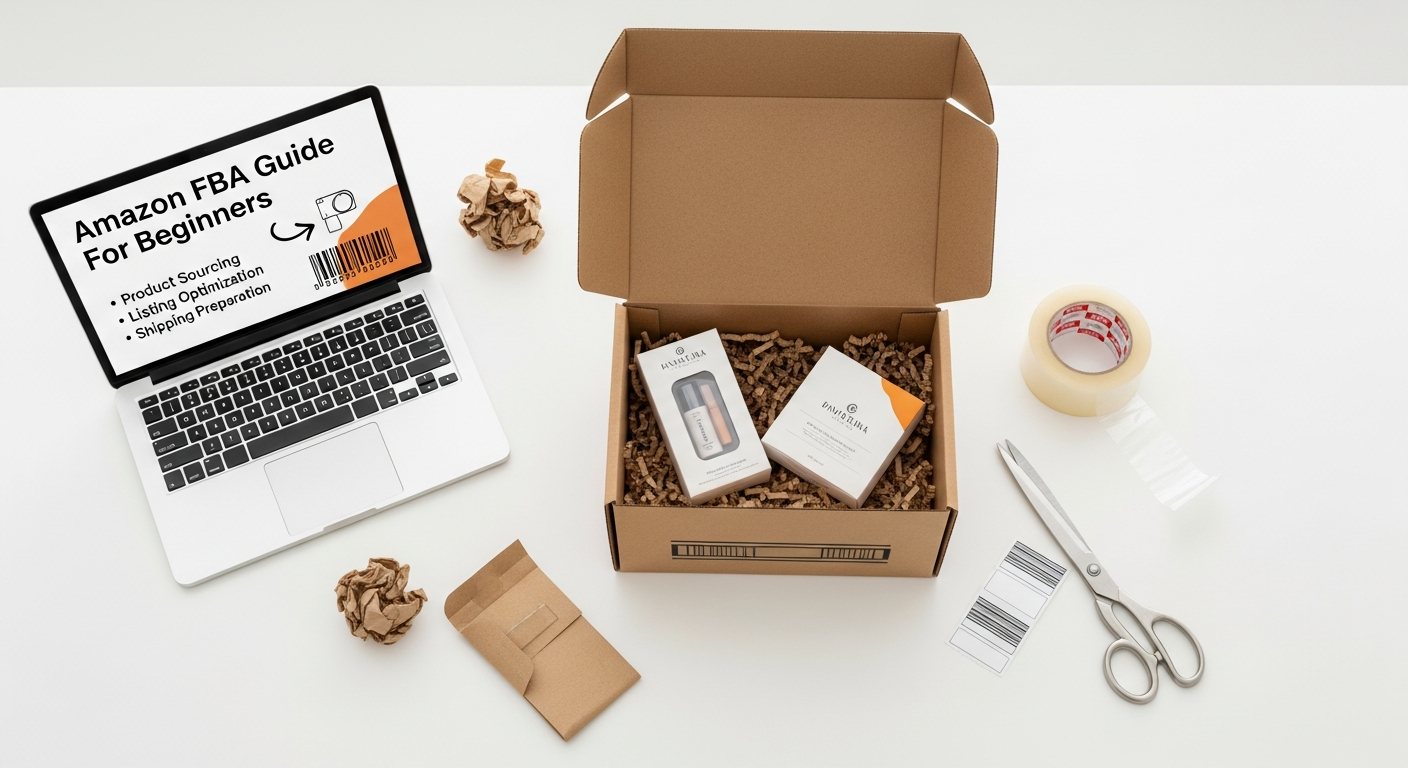
Once you’ve identified a promising product, the next critical step is finding a reliable supplier or manufacturer. The quality of your product and the efficiency of your supply chain directly impact your customer satisfaction, brand reputation, and profit margins. This stage requires diligence, communication, and often, negotiation skills.
Understanding Sourcing Models
- Private Label: This is the most common and recommended model for FBA beginners. You find a generic product, manufacture it with your own brand name and logo, and potentially customize it to differentiate it from competitors. This allows for brand building and higher profit margins.
- Wholesale: Buying established brands in bulk at a discount and reselling them on Amazon. This typically requires less branding effort but often has tighter margins and more competition.
- Retail/Online Arbitrage: Buying discounted products from retail stores or other online retailers and reselling them on Amazon for a higher price. This is a good starting point for very low capital, but it’s often difficult to scale due to inconsistent stock.
For long-term success and brand building, focusing on private label is generally the most strategic approach as you plan how to start an e-commerce business in 2026.
Finding Reliable Suppliers
The vast majority of FBA sellers source their private label products from overseas manufacturers, primarily in China, through platforms like Alibaba. Other options include Global Sources, Trade Shows, or even domestic manufacturers if you prioritize speed and quality over potentially higher costs.
Using Alibaba Effectively:
- Search and Filter: Use specific keywords for your product. Filter by “Trade Assurance” (Alibaba’s payment protection service) and “Verified Supplier” to ensure a level of reliability.
- Request for Quotation (RFQ): Submit an RFQ with detailed specifications for your product. This allows multiple suppliers to bid, giving you options.
- Communicate Clearly: Be precise about your product requirements, materials, dimensions, packaging, and branding. Use clear, concise English.
- Minimum Order Quantity (MOQ): Be aware of MOQs. For beginners, try to negotiate lower MOQs initially to minimize upfront investment.
- Sample Orders: Always order samples from 2-3 potential suppliers. This is crucial for verifying product quality, material, and packaging before placing a bulk order. Do not skip this step.
- Negotiation: Don’t be afraid to negotiate prices, MOQs, and payment terms. Many suppliers expect it.
- Payment Terms: A common arrangement is 30% upfront (deposit) and 70% upon completion or before shipment. Use Trade Assurance for secure transactions.
- Quality Control (QC): Consider hiring a third-party inspection company (e.g., SGS, AsiaInspection) to inspect your goods before they leave the factory. This can prevent costly issues down the line.
Building a Strong Supplier Relationship
Treat your suppliers as partners. Clear communication, timely payments, and reasonable expectations foster strong, long-term relationships that can be invaluable for future product development and troubleshooting. A good supplier can be a significant asset in your mission to increase average order value in e-commerce by providing consistent product quality and even suggesting complementary items.
This phase is where your product vision comes to life. Investing time and effort here ensures that the products you offer to your customers meet high standards, reinforcing your brand’s reputation and setting the stage for repeat business.
Listing Optimization and Inventory Management
Once your product is sourced and on its way to Amazon, the focus shifts to how you present it to potential customers and manage its availability. Effective listing optimization is about attracting buyers and convincing them to purchase, while smart inventory management ensures you never run out of stock or incur excessive storage fees.
Crafting an Irresistible Product Listing
Your product listing is your digital storefront. It needs to be informative, persuasive, and optimized for Amazon’s search algorithm. Think of it as your primary marketing tool.
- Compelling Product Title: Your title should be keyword-rich, descriptive, and easy to read. Include your main keywords, brand name, and key features. Amazon’s algorithm heavily weighs title keywords.
- High-Quality Images: Professional, high-resolution images are non-negotiable. Include multiple angles, lifestyle shots, infographics highlighting benefits, and an image showing product dimensions. The main image must have a pure white background.
- Benefit-Oriented Bullet Points: Use the five bullet points to highlight your product’s key features and, more importantly, the benefits it offers to the customer. Use strong verbs and incorporate relevant keywords naturally.
- Detailed Product Description: This is where you can elaborate further on your product’s story, uses, and unique selling propositions. For Professional Sellers, A+ Content (Enhanced Brand Content) allows for rich media and a more engaging layout, significantly boosting conversions.
- Strategic Keyword Integration: Beyond the title and bullet points, utilize the backend search terms in Seller Central. These are invisible to customers but crucial for ranking. Research both broad and long-tail keywords.
- Competitive Pricing: Research competitor pricing and position your product strategically. Consider perceived value, profit margins, and sales velocity when setting your price.
Remember, a well-optimized listing not only attracts customers but also converts them, which is a key component of how to increase average order value in e-commerce by making sure each click counts.
Mastering Inventory Management
Maintaining optimal inventory levels is a delicate balance. Too much stock leads to high storage fees and potential obsolescence, while too little means lost sales and a hit to your product’s ranking.
- Monitor Sales Velocity: Keep a close eye on how quickly your products are selling. This data is available in Seller Central and through third-party tools.
- Forecast Demand: Use historical sales data, seasonal trends, and upcoming promotions to predict future demand. Plan your reorders well in advance, considering supplier lead times and shipping duration.
- Utilize Amazon’s Tools: Seller Central provides inventory performance reports and restock recommendations. While useful, always cross-reference with your own data and judgment.
- Avoid Stockouts: Running out of stock (a “stockout”) can severely damage your product’s ranking and sales momentum. It’s often better to have slightly too much inventory than not enough.
- Manage Excess Inventory: If you find yourself with excess stock, consider running promotions, creating bundles, or even liquidating through Amazon’s Outlet Deals or removal orders to avoid long-term storage fees.
Efficient inventory management is critical for profitability and sustained growth, forming a core part of managing a successful e-commerce business in 2026.
Launching Your Product and Driving Sales
With your product sourced, listed, and in Amazon’s fulfillment centers, it’s time to introduce it to the world. A strategic launch can create immediate momentum, helping your product rank higher in search results and gain visibility. This phase combines various marketing tactics to generate initial sales and gather crucial customer feedback.
The Product Launch Strategy
A successful launch isn’t just about making your product live; it’s about creating a buzz and converting that into sales velocity.
- Initial Pricing Strategy: Consider an introductory lower price for the first few weeks to encourage initial sales and reviews. You can gradually increase the price once your product gains traction and positive feedback.
- Amazon PPC (Pay-Per-Click) Advertising: This is often the most effective way to drive immediate traffic and sales. Set up Sponsored Product campaigns targeting relevant keywords (both automatic and manual campaigns), and consider Sponsored Brands or Sponsored Display ads as you grow. Start with a conservative budget and optimize regularly.
- Promotions and Coupons: Utilize Amazon’s promotional tools, such as coupons, lightning deals, or percentage-off promotions, to attract buyers and boost sales volume. These can be particularly effective during launch.
- External Traffic (Optional but Recommended): Drive traffic from outside Amazon. This could include social media marketing (Facebook, Instagram, TikTok), influencer collaborations, or even your own blog. External traffic, especially when combined with a discount, can signal to Amazon that your product is popular, potentially boosting organic rankings.
Gathering Reviews and Feedback
Customer reviews are the lifeblood of an Amazon product. They build trust, provide social proof, and significantly influence conversion rates. Positive reviews are essential for long-term success.
- Amazon Vine Program: Once you’re brand-registered, you can enroll your product in the Amazon Vine program, where trusted reviewers receive free products in exchange for honest reviews. This is an excellent way to get initial, high-quality reviews.
- Request Reviews Feature: In Seller Central, you can use the “Request a Review” button for each order. This sends an Amazon-approved email to the customer, prompting them to leave a review.
- Excellent Customer Service: While Amazon handles most FBA customer service, proactively addressing any issues or inquiries that come your way (e.g., through seller messages) can prevent negative reviews and encourage positive ones.
- Product Inserts: Consider including a small, branded insert with your product that gently reminds customers to leave a review if they enjoyed their purchase. Ensure it complies with Amazon’s terms of service (no incentivized reviews).
Reviews are a long-term play. Be patient, focus on providing a great product experience, and the positive feedback will follow. This ongoing engagement is also where understanding your “Email Marketing For Ecommerce Guide” becomes crucial, as you can collect customer emails (off-Amazon) to nurture relationships and encourage repeat purchases.
Scaling Your FBA Business for Long-Term Growth
Launching a single successful product is a fantastic achievement, but true e-commerce success lies in scaling your business. This involves strategic expansion, continuous optimization, and a forward-thinking approach to your brand and market presence. For those planning how to start an e-commerce business in 2026, scaling should be part of your initial vision.
Expanding Your Product Portfolio
Once you have one profitable product, consider expanding your offerings. This can take several forms:
- Product Line Extension: Introduce variations of your existing product (e.g., different colors, sizes, bundles). This can help you capture more market share from existing customers.
- Complementary Products: Offer products that naturally go together with your best-seller. If you sell yoga mats, consider yoga blocks, straps, or towels. This strategy is excellent for increasing average order value in e-commerce.
- New Product Categories: Diversify into entirely new, but related, niches. Apply the same rigorous product research you used for your first product.
- Bundling: Create product bundles that offer customers a better deal than buying items individually. This is a powerful tactic to increase average order value.
Each new product should undergo the same diligent research, sourcing, and listing optimization process to ensure success.
Advanced Marketing and Brand Building
As you scale, your marketing efforts should evolve beyond basic PPC campaigns.
- Brand Registry: Enroll in Amazon Brand Registry as soon as you have a registered trademark. This unlocks powerful tools like A+ Content (Enhanced Brand Content), Brand Stores, Sponsored Brands ads, and intellectual property protection.
- External Marketing Channels: Diversify your traffic sources. Build an audience on social media, start an email list, run targeted ads on platforms like Facebook and Google, and consider content marketing (blogging, videos). An effective email marketing for e-commerce guide can be your blueprint for engaging customers off-Amazon, building loyalty, and driving repeat business to your Amazon store or even your own e-commerce website.
- Customer Retention: Focus on repeat business. Encourage customers to sign up for your email list (off-Amazon) to receive updates, exclusive offers, and new product announcements. Excellent post-purchase customer service also fosters loyalty.
- Website Development: Consider building your own e-commerce website (e.g., Shopify store). This gives you more control over your brand, customer data, and profit margins, reducing reliance solely on Amazon. It’s a natural progression for a successful e-commerce business in 2026.
Financial Management and Reinvestment
Scaling requires careful financial planning.
- Profit Reinvestment: Reinvest a significant portion of your profits back into the business – for new product development, increased inventory, or advanced marketing.
- Cash Flow Management: Understand your cash conversion cycle. Inventory purchases tie up capital, so managing this flow is crucial to avoid liquidity issues.
- Performance Monitoring: Continuously monitor key performance indicators (KPIs) like profit margins, return on ad spend (ROAS), inventory turnover, and customer acquisition cost. Use this data to make informed decisions.
Scaling an FBA business is an exciting journey that requires continuous learning, adaptation, and strategic execution. By consistently delivering quality products and optimizing your operations, you can build a thriving, sustainable e-commerce empire on Amazon.
Frequently Asked Questions
Recommended Resources
Explore Passive Income Ideas For Entrepreneurs for additional insights.
Check out How Much Should I Have In Emergency Fund on Trading Costs for a deeper dive.
