
The Unquestionable Value of Customer Retention in E-commerce
Before diving into specific strategies, it’s crucial to understand why customer retention is not just a good idea, but an indispensable pillar of e-commerce success. Many businesses pour significant resources into customer acquisition, often overlooking the fact that retaining an existing customer is significantly cheaper – estimates often place it at five to twenty-five times less expensive – than acquiring a new one. This efficiency directly impacts your bottom line.
Consider the concept of Customer Lifetime Value (CLTV). A retained customer doesn’t just make one purchase; they make multiple over time, often increasing their average order value as their trust and familiarity with your brand grows. This compounds profitability, especially when compared to the Customer Acquisition Cost (CAC) for new buyers. Loyal customers are also more likely to explore a wider range of your products, respond positively to personalized recommendations, and are less price-sensitive. They become your brand’s most powerful marketing asset, acting as organic evangelists through word-of-mouth referrals and positive online reviews. This ripple effect can dramatically lower your future acquisition costs and accelerate growth. For anyone considering How To Start Ecommerce Business 2026, understanding this fundamental principle from day one is paramount to building a resilient and profitable venture rather than one constantly chasing diminishing returns on ad spend.
Furthermore, retained customers provide invaluable feedback. Their continuous engagement offers deeper insights into product preferences, service expectations, and overall brand experience. This data is critical for refining your offerings, improving operations, and staying ahead of market trends. In an era where data drives decision-making, a loyal customer base is a rich, ongoing source of intelligence. Ultimately, a strong focus on retention cultivates a stable, predictable revenue stream, making your business more resilient to market fluctuations and better positioned for long-term scalability and success.
Building the Foundation: Understanding Your Customer
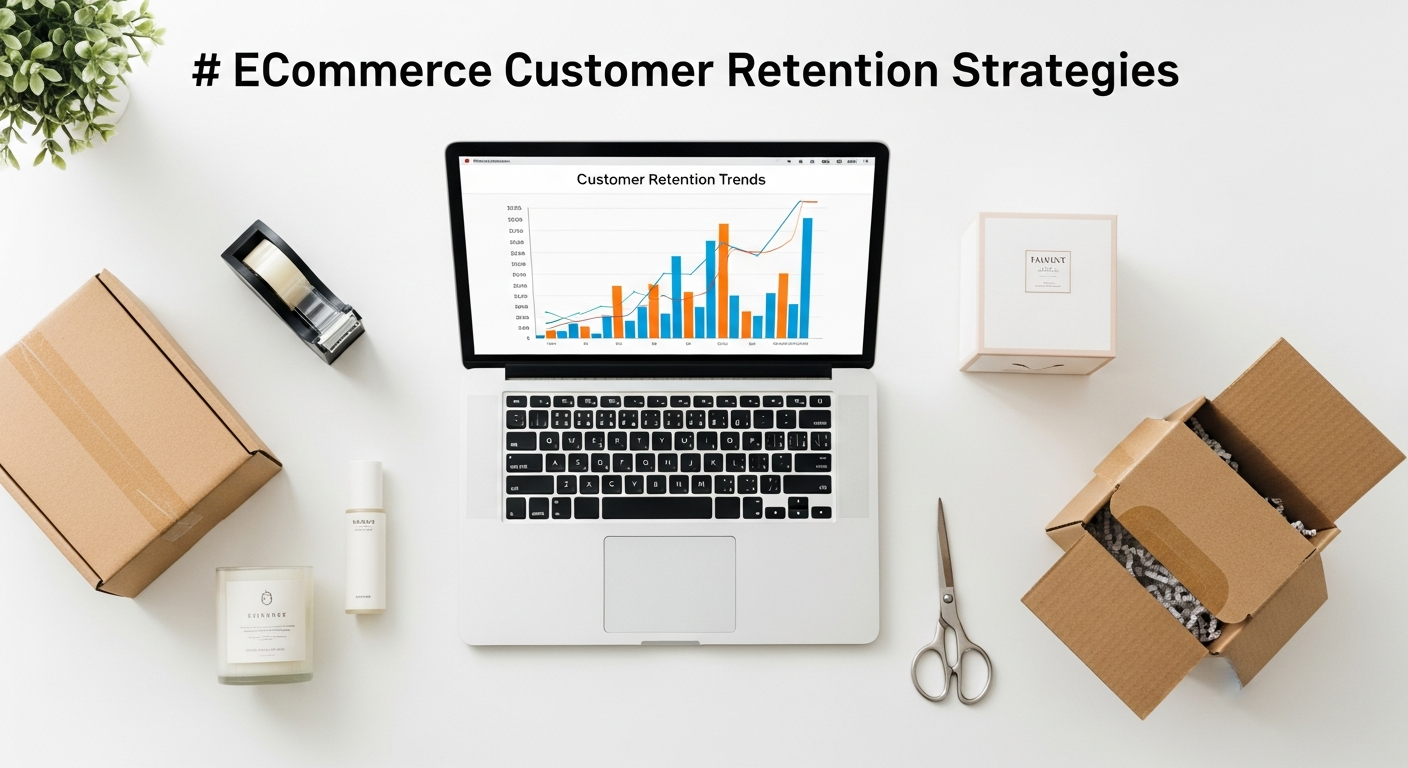
Effective ecommerce customer retention strategies begin not with tactics, but with a deep, empathetic understanding of your customer base. You cannot retain someone you don’t truly know. This foundational step involves meticulous data collection, insightful analysis, and the intelligent application of that knowledge to personalize every interaction.
The first step is robust data collection. Every click, every search, every purchase, every abandoned cart provides a piece of the puzzle. Utilize your e-commerce platform’s analytics, integrate CRM (Customer Relationship Management) software, and leverage marketing automation tools to centralize this information. Beyond transactional data, consider collecting demographic information, psychographic data (interests, values, lifestyle), and behavioral patterns. Tools like surveys, feedback forms, and even social media listening can uncover qualitative insights that quantitative data might miss.
Once collected, this data must be analyzed to segment your customer base. Not all customers are created equal, nor do they all desire the same experience. Segment customers based on:
- Purchase History: Frequency, recency, monetary value (RFM analysis).
- Demographics: Age, location, income.
- Behavioral Patterns: Browsing habits, product categories viewed, response to promotions, cart abandonment rate.
- Engagement Level: Email open rates, loyalty program participation, social media interaction.
- Customer Type: First-time buyers, repeat customers, VIPs, at-risk customers.
With clear segments, you can then personalize the customer journey. Personalization is no longer a luxury; it’s an expectation. From personalized product recommendations on your website and in emails, to tailored content, special offers, and even customized customer service interactions, demonstrating that you understand and value individual preferences builds a powerful connection. For example, if a customer frequently buys organic pet food, sending them promotions for new organic pet products or articles on pet nutrition shows you’re paying attention. This level of personalized engagement significantly enhances the customer experience, making them feel seen, valued, and understood, which are critical elements in fostering long-term loyalty and ensuring they choose your brand over competitors.
Strategies for Exceptional Post-Purchase Experience
Flawless Order Fulfillment and Shipping
This is the bedrock. Customers expect their orders to be processed accurately and shipped promptly. Provide clear, real-time tracking information. Proactively communicate any delays or issues. Consider offering various shipping options, including expedited delivery for those who need it, and transparently display costs. A positive unboxing experience, perhaps with branded packaging or a small personalized note, can elevate the entire interaction. Investing in efficient logistics and reliable shipping partners is not just an operational cost; it’s a critical component of your retention strategy.
Easy Returns and Exchanges
Even with the best products, returns are inevitable. Make the process as frictionless as possible. A clear, customer-friendly return policy, easy-to-print return labels, and prompt refunds or exchanges build immense trust. Customers are more likely to purchase again from a store where they feel confident that if something isn’t right, the issue will be resolved without hassle. Think of it as a safety net that encourages future purchases rather than a cost center.
Proactive and Empathetic Customer Service
Exceptional customer service goes beyond merely answering queries. It involves anticipating needs and resolving issues before they escalate. Utilize multiple channels for support – live chat, email, phone, and social media – and ensure consistent, high-quality responses across all of them. Empower your customer service team to make decisions and offer solutions, turning potential frustrations into opportunities to impress. A personalized, empathetic approach, where customer service representatives address customers by name and recall previous interactions, reinforces the feeling of being valued. This kind of service not only solves immediate problems but also strengthens the customer-brand bond, making future purchases more likely.
Strategic Post-Purchase Communications
This is where your Email Marketing For Ecommerce Guide principles truly shine. Beyond the standard order confirmation and shipping updates, leverage email to nurture the relationship. Send a “thank you” email, ask for product reviews (which also helps social proof for new customers), offer care tips for the purchased item, or provide relevant content that complements their purchase. For example, if they bought a coffee maker, send them recipes for gourmet coffee drinks. These communications should be personalized and value-driven, not just promotional. A well-timed follow-up email asking about their satisfaction a few weeks after delivery can also make a significant impact, demonstrating your ongoing care.
By perfecting these post-purchase elements, you not only meet but exceed customer expectations, transforming a transactional relationship into a loyal partnership. This meticulous attention to detail is a cornerstone of effective ecommerce customer retention strategies, setting the stage for repeat business and positive word-of-mouth.
Leveraging Loyalty Programs and Exclusive Offers
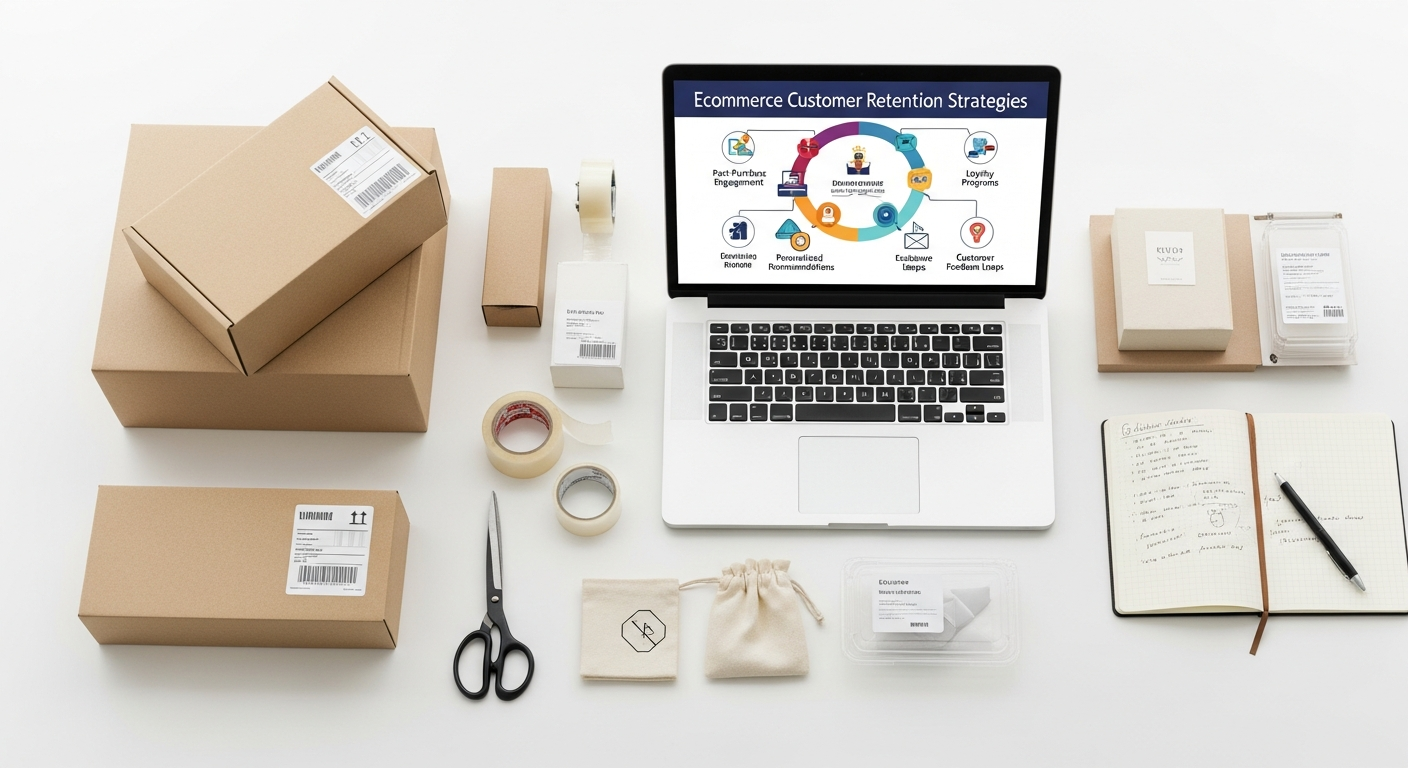
Once you’ve delivered an excellent initial experience, the next step in solidifying ecommerce customer retention strategies is to incentivize continued engagement and reward loyalty. Loyalty programs and exclusive offers are powerful tools for achieving this, driving repeat purchases and fostering a sense of belonging.
Designing Effective Loyalty Programs
Loyalty programs come in various forms, and the best one for your business depends on your products, customer base, and brand identity. Common types include:
- Points-Based Programs: Customers earn points for every purchase, which can then be redeemed for discounts, free products, or exclusive experiences. This is perhaps the most straightforward and widely understood model.
- Tiered Programs: Customers unlock progressively better rewards as they spend more or engage more frequently. Tiers (e.g., Bronze, Silver, Gold) create aspirational goals and a sense of exclusivity, encouraging customers to reach the next level.
- Subscription Programs: For businesses with consumable products or services, a subscription model ensures recurring revenue and consistent customer interaction. Think about product bundles or auto-ship options with a discount.
- Gamified Programs: Incorporating elements like badges, challenges, or surprise rewards can make the loyalty experience more engaging and fun, increasing participation.
The key to any successful loyalty program is clear communication of benefits, ease of participation, and offering rewards that genuinely resonate with your target audience. Make sure the value proposition is clear and compelling.
Exclusive Offers and VIP Treatment
Beyond structured loyalty programs, offering exclusive perks makes customers feel special and valued. This can include:
- Early Access: Give loyal customers first dibs on new product launches, seasonal collections, or sales events.
- Birthday or Anniversary Discounts: Personalized offers on special occasions create a thoughtful touch.
- Members-Only Sales: Run promotions exclusively for your most loyal customers, making them feel like part of an inner circle.
- Free Shipping Upgrades: A common perk that removes a significant barrier to purchase.
- Personalized Recommendations and Bundles: Use purchase history to suggest relevant products or create custom bundles. This ties directly into efforts to Increase Average Order Value Ecommerce, as loyal customers are more receptive to these personalized suggestions. For instance, if a customer frequently buys skincare, offer them a curated bundle of complementary products at a special price.
Implementing Referral Programs
Loyal customers are your best advocates. Encourage them to spread the word with a well-structured referral program. Offer incentives to both the referrer and the referred customer (e.g., “Give $10, Get $10”). This not only brings in new customers at a lower CAC but also further strengthens the loyalty of your existing advocates, as they are rewarded for sharing their positive experience with your brand.
When implementing these strategies, ensure they are integrated seamlessly into your customer journey and promoted effectively. Utilize your website, email marketing (as highlighted in any good Email Marketing For Ecommerce Guide), and social media to communicate the benefits and encourage participation. By consistently rewarding and recognizing your most valuable customers, you reinforce their decision to choose your brand, turning transactional relationships into enduring partnerships.
Mastering Communication: The Role of Email Marketing and Beyond
In the digital age, effective communication is the lifeblood of robust ecommerce customer retention strategies. While various channels exist, email marketing remains one of the most powerful and cost-effective tools for building and maintaining customer relationships. However, its power lies not just in sending messages, but in sending the right messages at the right time to the right people.
Beyond Transactional Emails: Nurturing Sequences
Every e-commerce business sends transactional emails (order confirmations, shipping updates). But the true magic of email marketing for retention lies in automated, personalized nurturing sequences. These go beyond the immediate transaction to build a continuous dialogue:
- Welcome Series: For new subscribers or first-time buyers, a series of 3-5 emails can introduce your brand story, highlight best-sellers, offer exclusive discounts, and explain loyalty program benefits.
- Post-Purchase Nurture: As discussed, these emails can offer product care tips, ask for reviews, suggest complementary products (a great way to Increase Average Order Value Ecommerce on future purchases), or share relevant content.
- Educational Content: Share blog posts, how-to guides, or videos that provide value related to your products or industry. This positions your brand as a helpful resource, not just a seller.
- Re-engagement Campaigns: For customers who haven’t purchased in a while, a targeted series of emails can try to win them back with special offers, surveys to understand their needs, or reminders of new arrivals.
Each email should have a clear purpose and offer value, whether it’s information, a discount, or simply a connection point.
Segmentation and Personalization in Email Marketing
The principles outlined in any comprehensive Email Marketing For Ecommerce Guide emphasize segmentation and personalization. Generic, one-size-fits-all emails are ignored. Leverage the customer data you’ve collected to segment your audience and tailor email content:
- Based on Purchase History: Recommend products similar to past purchases or alert them when their favorite items are back in stock.
- Based on Browsing Behavior: Send reminders for abandoned carts or highlight products from categories they’ve shown interest in.
- Based on Loyalty Status: Deliver exclusive offers or early access to VIP customers.
- Based on Demographics/Location: Promote local events or season-specific products.
Using the customer’s name, referencing their past interactions, and sending relevant offers makes them feel understood and valued, dramatically increasing engagement rates and encouraging repeat purchases.
Expanding Beyond Email: SMS, Push Notifications, and Social Media
While email is foundational, a multi-channel communication strategy enhances retention:
- SMS Marketing: For urgent updates, flash sales, or order reminders, SMS can be highly effective due to its high open rates. Ensure you have proper opt-in and use it judiciously to avoid annoyance.
- Web Push Notifications: These browser-based messages can re-engage visitors with abandoned cart reminders, price drop alerts, or new product notifications even when they’re not on your site.
- Social Media: Beyond broadcasting promotions, use social platforms to build a community, engage in conversations, respond to comments and messages, and showcase user-generated content. This fosters a sense of belonging and direct connection.
The goal across all channels is to maintain consistent, valuable, and personalized communication that reinforces your brand’s value proposition and keeps your customers engaged. This continuous dialogue is a critical investment for long-term retention and is a strategy any business looking to successfully navigate e-commerce in 2026 must master.
Cultivating Community and Brand Advocacy
In the crowded e-commerce landscape of today and for the foreseeable future, simply selling products is not enough. The most successful ecommerce customer retention strategies extend beyond transactional relationships to build genuine communities around a brand, transforming satisfied customers into fervent advocates. This creates a powerful, self-sustaining loop of engagement and growth.
Building a Social Media Community
Social media platforms are not just for advertising; they are fertile ground for community building. Engage with your followers regularly:
- Host Q&A sessions: Use platforms like Instagram Live or Facebook Groups to answer customer questions directly.
- Run contests and giveaways: Encourage interaction and generate excitement.
- Share user-generated content (UGC): Reposting customer photos or testimonials not only provides authentic social proof but also makes customers feel recognized and valued. This encourages others to share their experiences, creating a virtuous cycle.
- Create dedicated groups: Private Facebook Groups or Discord servers for your most loyal customers can foster deeper connections and provide an exclusive space for discussion, feedback, and early announcements.
The goal is to create a space where customers feel connected to your brand and to each other, sharing common interests and values.
Encouraging User-Generated Content (UGC) and Reviews
UGC, whether it’s product reviews, photos, videos, or social media posts, is incredibly powerful. It acts as authentic social proof that influences new buyers and reinforces the loyalty of existing ones. Actively encourage and facilitate UGC:
- Request reviews post-purchase: As discussed in the Email Marketing For Ecommerce Guide principles, automated emails asking for reviews are crucial.
- Create branded hashtags: Encourage customers to use specific hashtags when sharing their experiences on social media.
- Feature customer stories: Dedicate sections of your website or social media to highlighting how customers use and love your products.
- Run photo contests: Reward customers for submitting their best photos with your products.
When customers see their peers endorsing your brand, it builds trust and strengthens their own connection, making them less likely to churn.
Brand Storytelling and Values
Modern consumers, especially those entering the market in 2026, increasingly seek to align themselves with brands that share their values. Develop a compelling brand story that goes beyond your products. What is your mission? What impact do you want to make? Share your journey, your ethical practices, your sustainability efforts, or your commitment to social causes. Authenticity resonates deeply and builds an emotional connection that transcends price or convenience. When customers feel a shared purpose with your brand, their loyalty becomes much stronger and more resilient.
Creating Exclusive Experiences
Beyond discounts, offer experiences that deepen loyalty. This could be:
- Virtual workshops or masterclasses: Related to your product’s use (e.g., a cooking class for a kitchenware brand).
- Behind-the-scenes content: Give loyal customers a peek into your product development or company culture.
- Beta testing opportunities: Allow VIP customers to test new products before public release, giving them a sense of ownership and importance.
By cultivating a vibrant community and empowering your customers to become advocates, you not only ensure their continued business but also harness their enthusiasm to organically attract new customers, making this a cornerstone of sustainable growth for any e-commerce business.
Future-Proofing Retention: Innovation and Adaptability for 2026
The e-commerce landscape is in constant flux, driven by technological advancements and evolving consumer expectations. To truly future-proof your ecommerce customer retention strategies, you must embrace innovation and maintain a posture of continuous adaptability. What works today might be obsolete tomorrow, making foresight and flexibility crucial, especially for those venturing into How To Start Ecommerce Business 2026.
Leveraging AI and Machine Learning for Hyper-Personalization
Artificial Intelligence (AI) and Machine Learning (ML) are no longer futuristic concepts; they are current necessities for advanced personalization. These technologies can analyze vast datasets of customer behavior to:
- Predict purchasing patterns: Identify when a customer is likely to repurchase a consumable item or upgrade a product.
- Optimize product recommendations: Provide highly accurate suggestions based on individual browsing, purchase history, and even real-time contextual data.
- Automate customer service: AI-powered chatbots can handle routine inquiries 24/7, freeing up human agents for more complex issues and providing instant support, a key factor in customer satisfaction.
- Personalize website experiences: Dynamically alter website layouts, content, and offers based on individual user profiles.
The ability to deliver hyper-personalized experiences at scale will be a significant differentiator in 2026, making customers feel truly understood and catered to.
Embracing Subscription Models and Replenishment Services
For businesses with consumable products, subscription boxes and auto-replenishment services are powerful retention tools. They provide convenience for the customer and predictable recurring revenue for the business. This model inherently builds loyalty by automating the purchase decision and delivering consistent value. Consider how you can integrate subscription options, not just for products, but potentially for exclusive content, services, or tiered access to your loyalty program benefits.
The Rise of Experiential Commerce
As online shopping becomes ubiquitous, customers crave more than just transactions; they seek experiences. Experiential commerce aims to create memorable, engaging interactions that go beyond the simple act of buying. This could involve:
- Augmented Reality (AR) try-ons: Allowing customers to virtually try on clothes or place furniture in their homes.
- Interactive product configurators: Letting customers customize products to their exact specifications.
- Live shopping events: Hosting interactive live streams where customers can purchase products, ask questions, and engage with hosts in real-time.
- Personalized virtual consultations: Offering one-on-one sessions with experts to help customers choose products or learn how to use them effectively.
These immersive experiences build deeper emotional connections and make the shopping journey more engaging, fostering loyalty that’s harder for competitors to replicate.
Continuous Feedback Loops and Adaptability
The most successful e-commerce businesses of 2026 will be those that constantly listen to their customers and adapt. Implement continuous feedback mechanisms – surveys, reviews, social listening, direct customer service interactions – and critically analyze this data. Be prepared to iterate on your products, services, and retention strategies based on these insights. Agility in responding to customer needs and market shifts is key to maintaining relevance and ensuring long-term customer loyalty.
By investing in these forward-thinking innovations and maintaining a commitment to understanding and serving your evolving customer base, you won’t just retain customers; you’ll build a future-ready brand that stands the test of time and competition.
Frequently Asked Questions
Recommended Resources
Explore How To Invest In Real Estate With Little Money for additional insights.
Related reading: Seo Tips For Beginners 2026 (Page Release).
