
The Strategic Imperative of a Clear Ecommerce Return Policy
Many businesses view return policies as a necessary evil, a legal requirement to be tucked away on a seldom-visited page of their website. However, this perspective overlooks the profound impact a well-designed policy has on customer trust, purchase decisions, and brand perception. In today’s hyper-competitive online landscape, where consumers have countless options at their fingertips, a transparent and customer-friendly return policy can be a significant differentiator.
Consider the psychological aspect: when a customer is confident they can return an item easily if it doesn’t meet their expectations, their apprehension about making the initial purchase diminishes significantly. This reduction in perceived risk directly translates to higher conversion rates. Studies consistently show that generous return policies positively influence buying behavior, particularly for products where fit, feel, or exact color are crucial, such as apparel or home goods. Shoppers are more likely to take a chance on a new brand or a higher-priced item if they know the return process won’t be a hassle.
Beyond the initial sale, a strong return policy contributes to long-term customer satisfaction and loyalty. A smooth, hassle-free return experience can turn a potentially negative interaction into a positive one, reinforcing the customer’s perception of your brand as reliable and customer-centric. Conversely, a confusing, restrictive, or difficult return process can lead to significant customer frustration, negative reviews, and lost future business. Word-of-mouth, both positive and negative, spreads rapidly online, making every customer interaction, including returns, critical to your brand’s reputation.
Moreover, an effective return policy reduces the burden on your customer service team. When the policy is clear, concise, and easily accessible, customers can often find answers to their questions independently, minimizing the need for direct support inquiries. This frees up your team to handle more complex issues or focus on proactive customer engagement, an essential component for any business aiming to scale and succeed by 2026. Ultimately, your return policy isn’t just a legal document; it’s a powerful marketing tool, a trust builder, and a critical component of your overall customer experience strategy.
Core Components of an Exemplary Return Policy
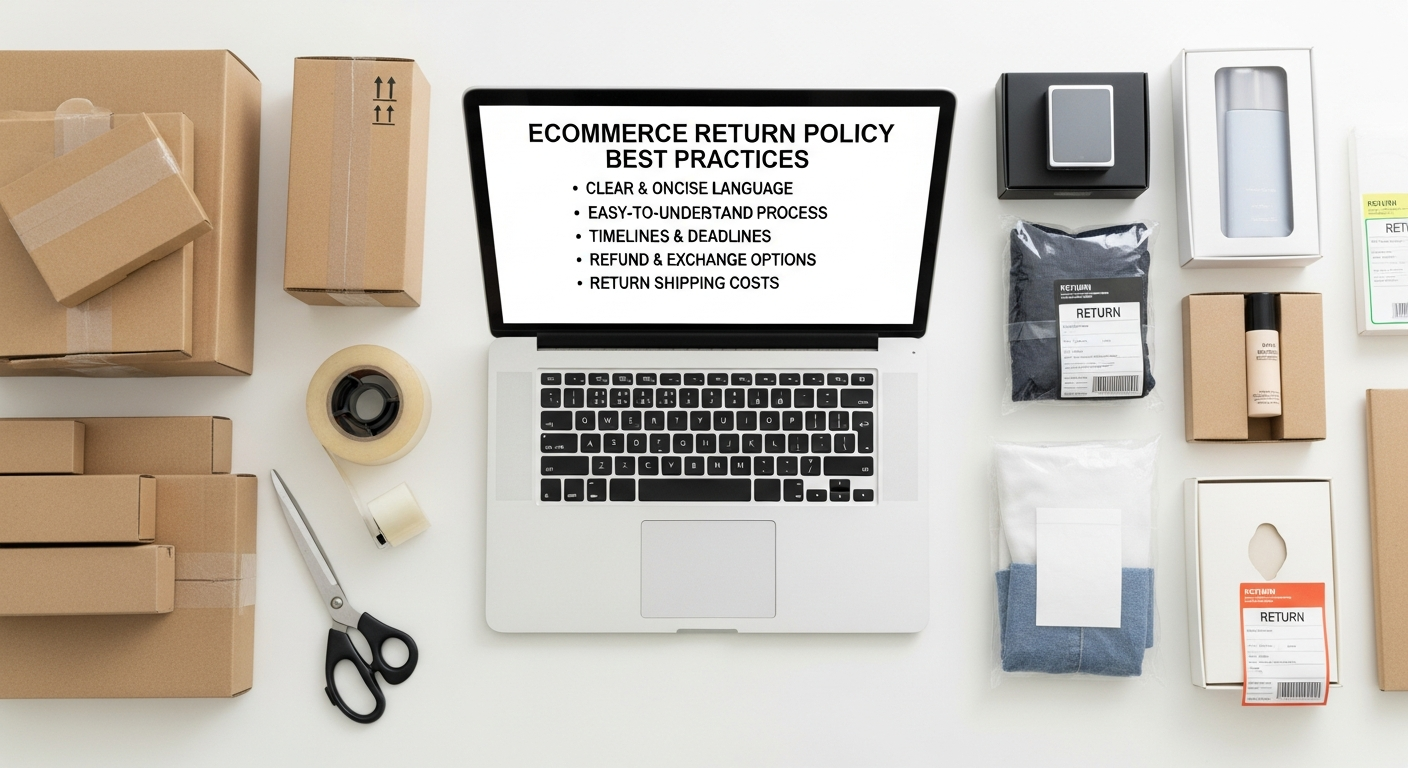
To be truly effective, an ecommerce return policy must be comprehensive, clear, and unambiguous. It needs to cover all potential scenarios while remaining easy for the average customer to understand. Here are the fundamental elements every best-in-class return policy should include:
- Eligibility Criteria: Clearly define what makes an item eligible for return. This typically includes the item’s condition (e.g., unworn, unused, unwashed, in original packaging), the presence of all tags and labels, and proof of purchase (order number, receipt). Specific conditions for different product categories (e.g., electronics, intimates, personalized items) should be outlined.
- Return Window: Specify the exact timeframe within which a return must be initiated or received, measured from the date of delivery or purchase. Common windows range from 14 to 90 days, with 30-60 days being standard for many retailers. A longer return window often signals greater confidence in your products and commitment to customer satisfaction.
- Return Methods: Explain how customers can return items. Options typically include mail-in returns (with instructions on how to package and ship), in-store returns (if applicable), or designated drop-off points. Provide clear steps for each method, including how to obtain a return label or initiate the process online.
- Refund Options: Detail how refunds are issued. Will it be to the original payment method, as store credit, or an exchange for another item? Be clear about the processing time for refunds once the returned item is received and inspected. Mention any non-refundable elements, such as original shipping fees.
- Return Shipping Costs: This is a critical point of contention for many customers. Clearly state who is responsible for return shipping costs. Options include:
- The customer pays for return shipping.
- The merchant provides a pre-paid return label (free returns).
- The merchant covers return shipping only for defective or incorrect items.
- Hybrid approaches (e.g., free returns for store credit, customer pays for cash refund).
Offering free returns can be a significant competitive advantage and sales driver, though it comes with higher operational costs.
- Restocking Fees: If you charge restocking fees, explain when and why they apply (e.g., for items returned without original packaging, after the return window, or for specific high-value items). Clearly state the fee amount or percentage. Transparency here is crucial to avoid customer surprise and dissatisfaction.
- Exclusions and Exceptions: List any products that are non-returnable (e.g., final sale items, gift cards, perishable goods, personalized or custom-made items, health and hygiene products). Also, specify any conditions under which an otherwise returnable item might become non-returnable (e.g., excessive wear and tear).
- Clear, Accessible Language: Above all, the policy must be written in plain, straightforward language, free of legal jargon. It should be easy to find on your website (e.g., in the footer, on product pages, or in the FAQ section) and simple to understand for a diverse audience.
By meticulously addressing each of these components, you create a robust policy that protects your business while reassuring your customers, laying a strong foundation for future growth and customer loyalty as you implement strategies to Increase Average Order Value Ecommerce through trust.
Crafting Your Policy: Balancing Customer Satisfaction and Business Needs
Customer-Centricity First: A truly customer-centric approach means designing a policy that prioritizes ease and fairness for the shopper. This often translates to generous return windows, clear instructions, and a hassle-free process. Many successful e-commerce businesses have found that a liberal return policy, while seemingly costly upfront, pays dividends in repeat business and positive word-of-mouth. Customers appreciate flexibility and are more likely to return to a brand that makes their post-purchase experience pleasant, even if it involves a return.
Preventing Abuse: While aiming for customer satisfaction, it’s equally important to implement measures that prevent fraudulent returns or serial returners from exploiting your policy. This doesn’t mean making the policy restrictive, but rather having systems in place to identify and address problematic patterns. For instance, tracking return rates per customer, product category, or reason for return can help you spot anomalies. Automated fraud detection tools can also be invaluable. Your policy itself should clearly state that returns are subject to inspection and that items not meeting eligibility criteria may be rejected or incur fees.
Transparency and Accessibility: Your return policy should be prominently displayed and easily accessible from multiple points on your website. Key locations include:
- Website footer
- Dedicated “Returns” or “FAQ” page
- Product pages (often near the “add to cart” button)
- Order confirmation emails
- Shipping confirmation emails
The language should be simple and direct. Consider using bullet points, bold text, and clear headings to break up information and improve readability. A searchable FAQ section can also provide quick answers to common return-related questions. Remember, a customer shouldn’t have to hunt for your policy or struggle to understand its terms.
Leveraging Technology for Management: Manually managing returns can quickly become overwhelming as your business grows. Investing in dedicated return management software can streamline the entire process, from initiation to resolution. These platforms often offer features like:
- Automated return requests and label generation
- Tracking of return shipments
- Integration with your e-commerce platform and inventory management systems
- Automated communication with customers (status updates, refund notifications)
- Analytics on return reasons and trends
By automating mundane tasks, you free up your team to focus on customer service and strategic initiatives. This efficiency is paramount for any business aiming for scale and profitability in 2026, enabling you to better serve your growing customer base and focus on strategies to Increase Average Order Value Ecommerce by building lasting relationships.
Ultimately, a well-crafted policy is a living document that should be reviewed and updated periodically based on customer feedback, return data, and evolving business needs. It’s an iterative process of refinement to ensure it continues to serve both your customers and your bottom line effectively.
Optimizing the Return Process: From Initiation to Resolution
The written policy sets the expectations, but the actual return process is where your business either lives up to or falls short of those promises. An optimized return process is seamless, efficient, and transparent, transforming a potentially negative experience into one that reinforces customer loyalty.
User-Friendly Online Return Portals: The cornerstone of an optimized return process is an intuitive online return portal. Customers should be able to initiate a return with minimal friction, typically by entering their order number and email address. The portal should guide them through selecting the items to return, specifying the reason for return (e.g., wrong size, defective, changed mind), and choosing their preferred resolution (refund, exchange, store credit). The best portals provide a pre-paid shipping label instantly, along with clear packing and shipping instructions.
Automated Communication and Status Updates: Keep customers informed at every stage of the return journey. Automated email or SMS notifications should confirm the return initiation, provide tracking information for the returned package, alert them when the item has been received at your warehouse, and notify them when their refund or exchange has been processed. This proactive communication reduces anxiety and minimizes “where is my refund?” inquiries to your customer service team.
Efficient Logistics for Receiving and Processing: Once the returned item arrives, your internal logistics must be highly efficient. This involves:
- Prompt Receiving: Quickly log and unpack returned items.
- Thorough Inspection: Assess the item’s condition against your eligibility criteria. Document any discrepancies with photos or notes. This step is crucial for preventing fraud and ensuring items are in resalable condition before being restocked.
- Rapid Resolution: Process refunds, issue store credits, or dispatch exchanges promptly according to your stated policy. Delays here can significantly erode customer satisfaction.
- Organized Storage: Categorize and store returned items efficiently, separating those that can be resold from those requiring repair, liquidation, or disposal.
Quality Control and Data Analysis from Returns: Returns are a treasure trove of data that can inform critical business decisions. Track the following metrics:
- Return Rate: Overall and by product category, individual SKU, and customer segment.
- Reasons for Return: This is perhaps the most valuable data. Are items consistently returned due to “wrong size,” “defective,” “not as described,” or “poor quality”?
- Return Value: The monetary value of returned goods.
- Cost of Returns: Shipping, processing, inspection, and restocking costs.
Analyzing this data can uncover systemic issues. For example, a high “wrong size” return rate for a particular clothing item might indicate an inaccurate size chart or inconsistent manufacturing. A surge in “defective” returns could signal a quality control problem with a supplier. By addressing these root causes, you can significantly reduce future returns, improve product quality, refine product descriptions, and enhance the overall customer experience. This iterative feedback loop is essential for continuous improvement and for increasing customer lifetime value, which in turn helps to Increase Average Order Value Ecommerce over time.
Integrating return data into product development and merchandising decisions is a proactive step that distinguishes leading e-commerce businesses. It turns a reactive process into a strategic advantage, driving better product offerings and more accurate customer expectations for 2026 and beyond.
Leveraging Your Return Policy for Marketing and Customer Retention
A well-executed return policy isn’t just about managing customer dissatisfaction; it’s a powerful tool for marketing, building trust, and fostering long-term customer relationships. By strategically communicating and utilizing your policy, you can turn a potential cost center into a value driver.
Promoting Your Generous Policy as a Selling Point: If your return policy is customer-friendly (e.g., free returns, extended return windows, no-questions-asked), don’t keep it a secret! Highlight it prominently in your marketing materials, on product pages, and during the checkout process. Phrases like “Hassle-free returns,” “Shop with confidence,” or “Free returns on all orders” can significantly reduce purchase anxiety and boost conversion rates. This is especially effective for new customers who may be hesitant to try your brand. A strong return policy acts as a trust signal, assuring customers that you stand behind your products.
Turning Returns into Exchanges or Store Credit: While a cash refund is often the default, explore options to retain revenue. Encourage customers to opt for an exchange (if available) or store credit instead of a direct refund. You might offer incentives for choosing these options, such as a small bonus credit for exchanges or free shipping on the next purchase made with store credit. This strategy keeps the customer’s money within your ecosystem and provides another opportunity for them to find a product they love, helping to Increase Average Order Value Ecommerce over the long term by keeping customers engaged.
Utilizing Return Data for Personalized Offers: The data gathered from returns (reasons, product types) can be incredibly valuable for personalized marketing. For instance, if a customer frequently returns items due to “wrong size,” you could segment them and send targeted emails suggesting products with more detailed size guides or offering a free virtual fitting session. If a customer returns a product due to a minor defect, a follow-up email with a discount on a similar, improved product could win back their trust. This level of personalization, guided by insights from your return data, is a cornerstone of effective Email Marketing For Ecommerce Guide strategies.
Post-Return Engagement and Re-engagement Campaigns: The customer journey doesn’t end with a return. This is a critical touchpoint for re-engagement.
- Post-Return Surveys: Send a brief survey after a return is completed to gather feedback on the process and product. This shows you value their input and helps you continuously improve.
- Win-Back Campaigns: For customers who received a refund, consider a targeted email campaign a few weeks later. Offer a special discount or highlight new products they might be interested in, based on their previous purchase history.
- Loyalty Program Integration: If you have a loyalty program, ensure that customers who return items still feel valued. Perhaps they retain points for the original purchase or receive a bonus for completing a survey.
By treating returns not as a problem but as an integral part of the customer relationship, you can transform a moment of potential dissatisfaction into an opportunity to strengthen loyalty. This proactive approach to post-purchase service is what differentiates leading e-commerce brands and positions them for sustained success in the evolving market of 2026.
Legal Considerations and Future Trends for 2026
Operating an e-commerce business across different regions means navigating a complex web of legal requirements for return policies. Staying informed and adaptable is key, especially as consumer protection laws continue to evolve globally.
Consumer Protection Laws: Many countries and regions have specific consumer protection laws that dictate minimum return rights. For example, in the European Union, the Consumer Rights Directive grants consumers a 14-day “cooling-off period” during which they can return most online purchases for any reason, without justification, and receive a full refund. Similar regulations exist in other jurisdictions. Ignorance of these laws is not a defense, and non-compliance can lead to significant fines and reputational damage. It’s crucial to understand the legal requirements for every market you serve and ensure your policy meets or exceeds these minimums.
International Ecommerce Considerations: If you sell internationally, your return policy must account for varying legal frameworks, currency conversions, and international shipping logistics. Clearly articulate how international returns are handled, including who bears the cost of return shipping, customs duties, and taxes. Providing local return addresses or partnering with international returns providers can significantly improve the customer experience for cross-border shoppers.
Sustainability in Returns: As environmental concerns grow, so does the scrutiny on the waste generated by e-commerce returns. The practice of simply landfilling returned items that are perfectly functional but not economically viable to restock is becoming increasingly unacceptable. Future trends for 2026 will likely see greater emphasis on sustainable return practices:
- Donation and Reselling: Partnering with charities or re-commerce platforms to give returned items a second life.
- Repair and Refurbishment: Investing in processes to repair minor defects and resell items as refurbished.
- Optimized Logistics: Reducing the carbon footprint of return shipping through consolidated shipments and efficient routing.
- Preventative Measures: Focusing on reducing returns in the first place through better product descriptions, virtual try-ons, and AI-powered sizing tools.
Your return policy can incorporate language that reflects your commitment to sustainability, resonating with environmentally conscious consumers.
AI and Machine Learning for Predictive Returns and Fraud Detection: The future of return management lies in advanced technology. By 2026, AI and machine learning will play an even more significant role in:
- Predictive Analytics: Forecasting return rates for specific products or customer segments, allowing for better inventory planning and risk assessment.
- Personalized Recommendations: Using return history to refine product recommendations, reducing the likelihood of future returns due to fit or preference issues.
- Enhanced Fraud Detection: Identifying suspicious return patterns and fraudulent activities more accurately and efficiently than manual review.
- Automated Customer Support: AI-powered chatbots can handle routine return inquiries, providing instant answers and streamlining the initiation process.
The evolving landscape of customer expectations in 2026 demands not just a compliant policy, but one that is proactive, adaptable, and leverages technology to create a superior customer experience. Businesses that embrace these future trends will not only minimize the costs associated with returns but also transform their return policy into a powerful asset for growth and brand loyalty.
Frequently Asked Questions About Ecommerce Return Policies
How long should my ecommerce return policy be?
While there’s no one-size-fits-all answer, a common and effective return window ranges from 30 to 60 days from the date of delivery or purchase. Some retailers offer even longer periods (e.g., 90 days or more) or even lifetime guarantees, particularly for durable goods, as a strong competitive advantage. The ideal length depends on your product type, industry standards, and your business’s risk tolerance. A longer return window often reduces immediate returns, as customers feel less pressured, and can significantly boost customer confidence and sales, making it easier to Increase Average Order Value Ecommerce by fostering trust.
Should I offer free return shipping?
Offering free return shipping is a powerful customer incentive that can significantly increase conversion rates and customer satisfaction. While it adds to your operational costs, many businesses find the benefits outweigh these expenses due to increased sales and improved customer loyalty. It’s especially impactful for categories like apparel where fit is uncertain. If full free returns aren’t feasible, consider offering it for exchanges, store credit, or for items returned due to your error (e.g., defective or wrong item). This aligns with best practices for a customer-centric approach as outlined in any good Email Marketing For Ecommerce Guide, which emphasizes positive customer experiences.
What is a restocking fee and when should I charge one?
A restocking fee is a charge applied to a returned item, typically a percentage of the item’s price, to cover the costs associated with processing the return, inspecting the item, and preparing it for resale. Businesses usually charge restocking fees when an item is returned outside of the specified return window, without its original packaging, or if it requires significant cleaning or repair before being restocked. It’s crucial to clearly state the conditions under which a restocking fee will be applied and the exact amount or percentage in your return policy to avoid customer dissatisfaction.
How can a good return policy help Increase Average Order Value Ecommerce?
A good return policy builds trust and reduces purchase anxiety. When customers feel confident they can return an item if needed, they are more likely to take a chance on higher-value items, add more items to their cart, or try a new product from your brand. This directly contributes to increasing the average order value. Furthermore, a positive return experience can lead to repeat purchases and stronger customer loyalty, where customers feel comfortable spending more over time because they trust your brand’s post-purchase service, a fundamental principle when considering How To Start Ecommerce Business 2026 successfully.
What are common mistakes to avoid when writing a return policy?
Common mistakes include using overly complex legal jargon, hiding the policy in an obscure part of your website, having inconsistent terms for different products, or making the return process overly difficult. Another significant error is failing to clearly state who pays for return shipping or when restocking fees apply. A vague or confusing policy leads to customer frustration, increased customer service inquiries, and ultimately, lost sales and negative reviews.
How does a return policy impact my Email Marketing For Ecommerce Guide strategy?
Your return policy significantly influences your email marketing strategy by providing opportunities for trust-building, re-engagement, and personalization. A customer-friendly policy can be highlighted in promotional emails to reduce purchase hesitancy. Post-return emails can gather feedback, offer incentives for exchanges, or provide personalized product recommendations based on return reasons. This data-driven approach, essential for any effective Email Marketing For Ecommerce Guide, helps segment your audience and tailor messages that resonate, fostering long-term loyalty and repeat business.
Recommended Resources
For more on ecommerce return policy, see Bonds Vs Stocks For Beginners on Fin3go.
Explore Price Comparison Tools Guide 2026 for additional insights.
