
Decoding Cart Abandonment: Understanding the “Why” Behind Lost Sales
Before we can effectively reduce cart abandonment, it’s crucial to understand why it happens in the first place. Cart abandonment isn’t a singular issue; it’s a multifaceted problem influenced by a variety of factors, both internal to your store and external to the customer’s shopping journey. Identifying these underlying causes is the first step towards implementing targeted and effective solutions. Businesses that thrive in 2026 will be those that deeply analyze their customer behavior to uncover these pain points.
Common Reasons for Abandonment
While specific reasons can vary by industry and customer demographic, several common culprits consistently emerge from research and analytics:
- Unexpected Costs: This is arguably the most frequent reason. Hidden fees, high shipping costs, or unexpected taxes revealed late in the checkout process can instantly deter a buyer. Customers feel misled and lose trust.
- Complex or Lengthy Checkout Process: A multi-page, information-heavy checkout form is a major turn-off. Customers want speed and simplicity, especially on mobile devices.
- Account Creation Requirement: Forcing customers to create an account before purchase is a significant barrier. Many prefer the convenience of guest checkout, especially for a first-time purchase.
- Lack of Trust or Security Concerns: If your site doesn’t look professional, lacks security badges, or has a questionable return policy, customers will hesitate to share their payment information.
- Limited Payment Options: Not offering preferred payment methods (e.g., PayPal, Apple Pay, various credit cards, buy-now-pay-later services) can lead to abandonment.
- Website Errors or Slow Loading Times: Technical glitches, broken links, or a slow-loading page during checkout can quickly frustrate users and drive them away.
- Comparison Shopping: Many customers use their cart as a wishlist, intending to compare prices or features with competitors before making a final decision.
- Poor Return Policy: An unclear, restrictive, or non-existent return policy can breed uncertainty and prevent purchase completion.
- Lack of Customer Support: If a customer has a question during checkout and can’t quickly find an answer (e.g., via live chat), they might abandon their cart.
Understanding these drivers allows you to approach cart abandonment not as a random occurrence, but as a solvable puzzle. Each abandoned cart tells a story about a customer’s experience, and listening to these stories through analytics and feedback is paramount.
Streamlining Your Checkout Flow: The Path to Conversion
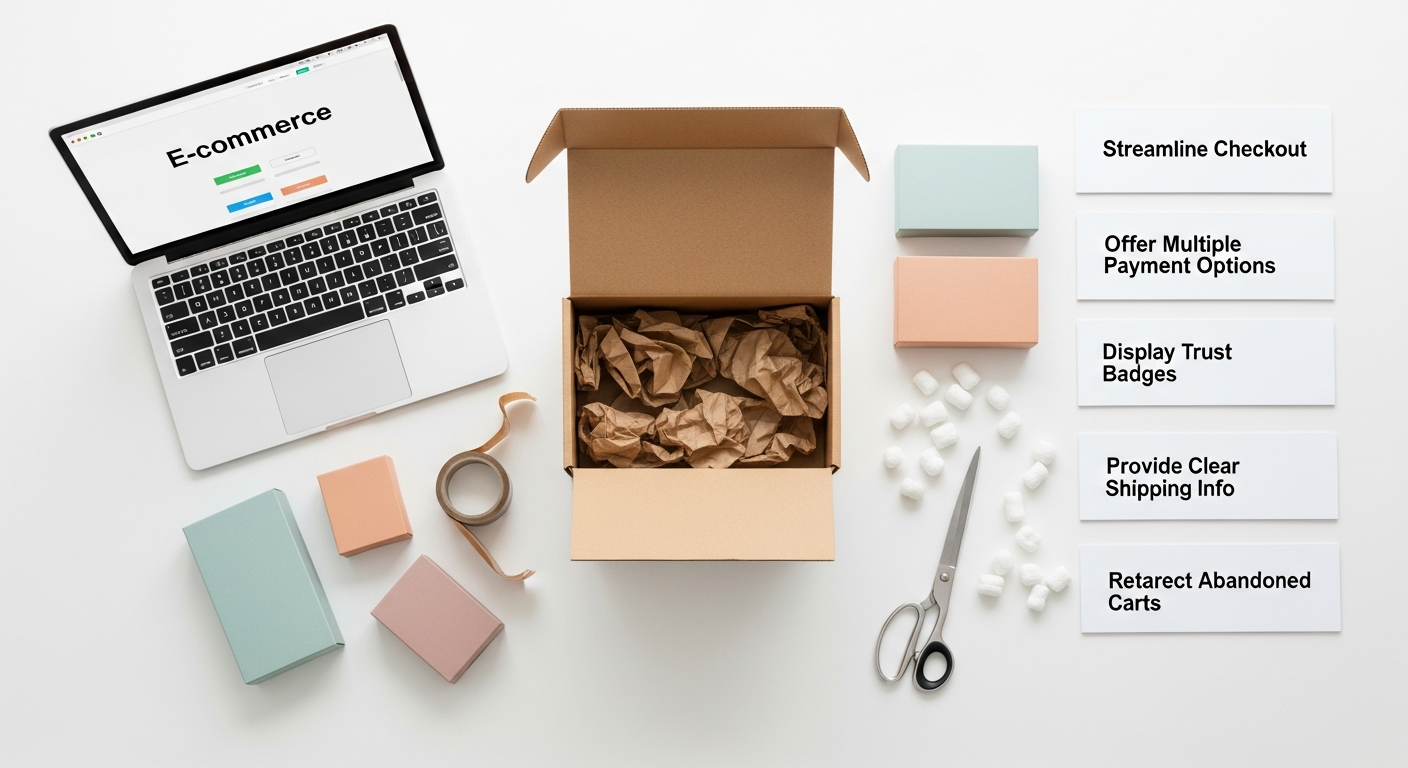
The checkout process is the final hurdle between a browsing visitor and a paying customer. Any friction here can result in immediate abandonment. A smooth, intuitive, and efficient checkout flow is not just desirable; it’s absolutely essential for any successful e-commerce business aiming to thrive in 2026. Optimizing this critical stage is one of the most impactful ways to reduce cart abandonment rate.
Designing an Uncomplicated Journey
The goal is to make the checkout process as effortless as possible. Think of it as a clear, well-lit path rather than a maze:
- Guest Checkout Option: This is non-negotiable. Always provide an option for customers to check out as a guest. While account creation can offer long-term benefits (like easier repeat purchases and data collection), forcing it upfront will alienate many first-time buyers. You can always prompt them to create an account after the purchase is complete.
- Progress Indicator: Visually show customers where they are in the checkout process (e.g., “Step 1 of 3: Shipping,” “Step 2 of 3: Payment”). This sets expectations and reduces perceived effort, making the process feel less daunting.
- Single-Page vs. Multi-Page Checkout: While there’s debate, a well-designed single-page checkout often reduces abandonment by keeping all necessary fields in one view. If using multi-page, ensure each step is minimal and logical.
- Auto-fill and Smart Forms: Implement features like address auto-fill and real-time validation to minimize typing errors and speed up data entry. This is particularly important for mobile users.
- Clear Calls to Action: Use unambiguous buttons like “Continue to Shipping,” “Review Order,” “Place Order.” Avoid vague language.
- Remove Distractions: During checkout, remove navigation menus, pop-ups, and other elements that could pull the customer away from completing their purchase. The focus should be solely on the transaction.
Mobile Optimization: A 2026 Imperative
With an increasing number of consumers shopping on smartphones, a mobile-first checkout experience is no longer a luxury but a necessity. If you’re considering how to start an ecommerce business 2026, prioritizing mobile responsiveness from day one is fundamental.
- Responsive Design: Ensure your entire checkout process adapts seamlessly to different screen sizes.
- Large, Tappable Buttons: Make sure buttons are easy to tap with a thumb.
- Minimal Scrolling: Reduce the amount of vertical scrolling required on mobile.
- Touch-Friendly Forms: Use appropriate input types (e.g., numeric keyboards for credit card numbers) to simplify data entry.
- Fast Loading Speed: Mobile users are even less patient than desktop users. Optimize images and code to ensure lightning-fast loading times.
By investing in a streamlined and mobile-optimized checkout, you’re not just reducing abandonment; you’re actively enhancing the customer experience, which builds loyalty and encourages repeat business.
Transparency is Key: Eradicating Hidden Costs and Surprises
Unveiling All Costs Upfront
The golden rule here is simple: no surprises. Every potential cost should be clear to the customer long before they reach the final payment step.
- Shipping Costs: Display shipping options and their associated costs as early as possible – ideally on the product page itself, or at the very least, in the shopping cart summary. Offering a shipping cost calculator based on location can be very helpful.
- Taxes and Duties: Clearly state if taxes are included or added separately, and provide an estimate as soon as the customer’s location is known. For international shipments, be transparent about potential customs duties and import fees, even if they are the customer’s responsibility.
- Other Fees: If there are any other processing fees, handling charges, or service charges, make them explicit and explain what they are for.
When customers feel informed and in control, they are much more likely to complete their purchase. This builds trust, which is invaluable in the competitive e-commerce landscape of 2026.
Leveraging Free Shipping Strategically
While not always feasible for every business model, offering free shipping is an incredibly powerful incentive. It eliminates one of the biggest psychological barriers to purchase. If full free shipping isn’t viable, consider these alternatives:
- Free Shipping Threshold: Offer free shipping on orders above a certain value. This not only reduces abandonment but also serves as an excellent strategy to increase average order value ecommerce. Customers are often willing to add an extra item to their cart to qualify for free shipping. Clearly display how much more they need to spend to reach the threshold.
- Flat-Rate Shipping: A predictable, flat-rate shipping fee can be more palatable than variable, calculated rates, especially if it’s reasonable.
- Seasonal or Promotional Free Shipping: Use free shipping as a limited-time offer during sales events or holidays to drive conversions.
- Local Pickup Option: If you have a physical location, offering free in-store pickup can be a great option for local customers, eliminating shipping costs entirely.
The key is to integrate these costs and offers seamlessly into the shopping experience, ensuring customers are fully aware of the total financial commitment from an early stage. This transparency fosters confidence and significantly lowers the likelihood of abandonment due to sticker shock.
Mastering Abandoned Cart Email Strategies: The Art of Recovery
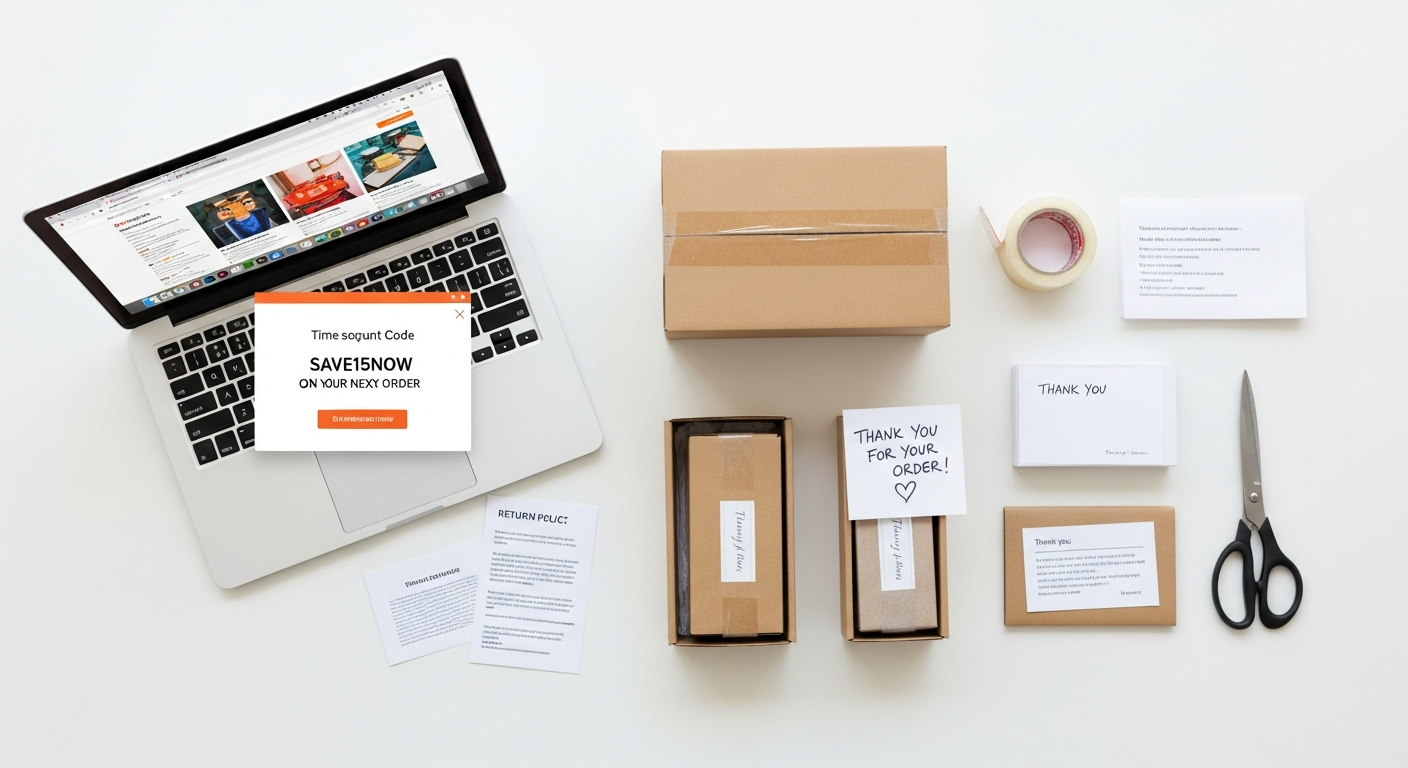
Even with the most optimized checkout process, some customers will inevitably abandon their carts. This isn’t necessarily a lost cause; it’s an opportunity for recovery. Abandoned cart emails are one of the most effective tools in an e-commerce marketer’s arsenal, allowing you to re-engage these potential buyers and guide them back to complete their purchase. For a deeper dive into this vital area, our Email Marketing for Ecommerce Guide provides extensive insights.
Crafting an Effective Email Sequence
A single email is often not enough. A well-designed sequence of 2-3 emails typically yields the best results. The timing and content of each email are crucial:
- Email 1: The Gentle Reminder (Sent 30-60 minutes after abandonment)
- Purpose: Catch customers who were interrupted or simply forgot.
- Content: A friendly reminder of the items left in their cart, often with an image of the products. Reiterate your value proposition (e.g., great customer service, easy returns). Include a direct link back to their cart.
- Tone: Helpful, non-pushy.
- Email 2: The Value Reinforcer / Objection Handler (Sent 12-24 hours after abandonment)
- Purpose: Address common reasons for abandonment and provide additional motivation.
- Content: Reiterate benefits of your products or brand, highlight unique selling propositions (USPs). You might include customer testimonials, trust badges, or mention your return policy. If you suspect price was an issue, you could subtly introduce a small incentive here.
- Tone: Persuasive, reassuring.
- Email 3: The Incentive or Urgency Creator (Sent 24-48 hours after abandonment)
- Purpose: Provide a final push to convert, often with a time-sensitive offer.
- Content: A discount code (e.g., 10% off), free shipping, or a small free gift. Create a sense of urgency by stating the offer expires soon or that items are running low in stock.
- Tone: Urgent, benefit-driven.
Key Elements of High-Converting Abandoned Cart Emails
- Personalization: Address the customer by name and show the exact products they left behind. This makes the email feel relevant and tailored.
- Clear Call to Action (CTA): A prominent button that directly links back to their populated shopping cart. Make it easy for them to pick up where they left off.
- Compelling Subject Lines: Grab attention immediately. Examples: “Still thinking about it?”, “Your cart is waiting!”, “Did you forget something awesome?”, “Here’s 10% off your order!”
- Trust Signals: Include links to your customer service, FAQ, return policy, and display security badges. Reassure them about the safety of their purchase.
- Social Proof: A quick snippet of a positive review or star ratings can build confidence.
- Limited-Time Offers (Use Wisely): While effective, overusing discounts can devalue your brand. Use them strategically in later emails or for specific customer segments.
Segmentation and A/B Testing
Not all abandoned carts are equal. Segment your abandoned cart emails based on:
- Cart Value: Offer bigger incentives for higher-value carts.
- Customer History: Send different messages to first-time abandoners versus repeat customers.
- Product Category: Tailor content based on the type of product left behind.
Always A/B test your subject lines, email copy, images, CTAs, and timing to continually optimize your recovery rates. Even small improvements can significantly impact your revenue. By mastering these abandoned cart email strategies, you turn potential losses into tangible gains, a critical skill for any e-commerce business aiming for growth in 2026.
Building Trust and Urgency: Psychological Levers for Conversion
In the digital realm, trust is the currency of conversion. Customers are hesitant to part with their money and personal information unless they feel secure and confident in your brand. Simultaneously, a touch of urgency, when applied ethically, can provide the final nudge needed to overcome indecision. Integrating these psychological levers effectively can significantly reduce cart abandonment rate.
Cultivating Trust and Credibility
Trust isn’t built overnight, but through consistent signals that reassure your customers:
- Security Badges and SSL Certificates: Display prominent trust badges (e.g., McAfee Secure, Norton Secured) and ensure your site uses HTTPS (indicated by a padlock icon in the browser). This visibly signals that their data is protected.
- Clear & Generous Return/Refund Policies: A hassle-free return policy reduces perceived risk. Make it easy to find and understand. A strong guarantee (e.g., money-back guarantee) can be a powerful trust builder.
- Customer Reviews and Testimonials: Showcase genuine customer feedback. Product reviews, site testimonials, and star ratings on product pages and during checkout provide social proof and build confidence.
- Professional Website Design: A clean, modern, and bug-free website instills professionalism and reliability. Poor design or broken elements scream “untrustworthy.”
- Transparent & Accessible Customer Service: Provide multiple ways for customers to get help (live chat, phone, email) and make it easy to find. Knowing help is available reduces anxiety during the purchase process.
- “About Us” Page: Share your brand story, mission, and team. Humanizing your business builds connection and trust.
- Contact Information: Display a physical address (if applicable), phone number, and email clearly. Legitimate businesses don’t hide their contact details.
Remember, for new entrepreneurs learning how to start ecommerce business 2026, establishing trust from the ground up is as important as having great products.
Ethically Incorporating Urgency and Scarcity
While trust is about reassurance, urgency is about motivation. Used correctly, it can overcome procrastination. However, it’s crucial to be honest and avoid manipulative tactics that can damage your brand’s reputation.
- Limited Stock Indicators: If a product genuinely has low stock, display it (e.g., “Only 3 left in stock!”). This encourages immediate action without being misleading.
- Time-Sensitive Offers: For promotions (e.g., flash sales, holiday discounts), clearly state the expiry date. “Offer ends in 24 hours!” or a countdown timer can be highly effective.
- “Popularity” Cues: Phrases like “X people are viewing this product right now” or “X items sold in the last 24 hours” can create a gentle sense of urgency and social proof.
- Exclusive Deals for Cart Abandoners: As discussed in the email marketing section, a targeted discount for those who’ve abandoned their cart can create urgency, especially if it’s a one-time offer.
The key is authenticity. If customers feel manipulated, the positive effect of urgency will backfire, leading to a loss of trust. When trust and ethical urgency are combined, they create a powerful environment that encourages shoppers to complete their purchases with confidence.
Flexible Options: Meeting Customers Where They Are
In today’s global and diverse marketplace, customer preferences for payment and shipping are more varied than ever. Limiting options can be a significant bottleneck, leading to frustration and, inevitably, cart abandonment. To truly reduce cart abandonment rate, your e-commerce store must cater to a wide range of customer needs and expectations, providing flexibility that removes unnecessary hurdles.
Expanding Payment Gateways
The days of only accepting Visa and Mastercard are long gone. Offering a diverse array of payment options signals modernity, convenience, and a customer-centric approach. Consider integrating:
- Major Credit/Debit Cards: Visa, Mastercard, American Express, Discover.
- Digital Wallets: PayPal, Apple Pay, Google Pay. These offer quick, secure, and mobile-friendly checkout experiences, reducing the number of fields a customer has to fill out.
- Buy Now, Pay Later (BNPL) Services: Services like Klarna, Afterpay, Affirm, or Sezzle allow customers to split payments into interest-free installments. This can significantly reduce the perceived cost barrier, especially for higher-value items, and can even help increase average order value ecommerce by enabling customers to afford more.
- Local Payment Methods: If you sell internationally, research and integrate popular local payment methods in your target markets (e.g., iDEAL in the Netherlands, Sofort in Germany).
Make sure your payment gateway integration is smooth, secure, and clearly displayed throughout the checkout process. Customers should see their preferred options early on.
Diverse Shipping Solutions
Shipping is often a make-or-break factor. Unexpected costs, slow delivery times, or lack of options can quickly lead to an abandoned cart. Offering choice empowers the customer:
- Multiple Speed Options: Provide a range from economical standard shipping to expedited or express options for those who need their items quickly. Clearly display estimated delivery times for each.
- Carrier Choice: If feasible, allow customers to choose their preferred carrier (e.g., UPS, FedEx, USPS). Some customers have preferences based on past experiences or specific delivery needs.
- International Shipping: For businesses targeting a global audience, transparent international shipping options, including estimated duties and taxes (or clearly stating customer responsibility), are vital. Partner with reliable international carriers.
- Local Pickup/Click & Collect: If you have physical stores or a warehouse, offering a free local pickup option can be a huge draw, especially for local customers who want to save on shipping costs and get their items quickly.
- Clear Tracking Information: Once an order is placed, provide clear and consistent tracking updates. Post-purchase anxiety can also lead to issues, and good communication builds trust for future purchases.
By offering a comprehensive suite of payment and shipping choices, you remove common points of friction and signal to your customers that you understand and cater to their individual needs. This flexibility is a hallmark of successful e-commerce operations in 2026 and a powerful weapon against cart abandonment.
Retargeting and Remarketing: Bringing Back the Almost-Buyers
Even with a perfectly optimized checkout and robust abandoned cart email campaigns, some customers will still slip through the cracks. This is where retargeting and remarketing come into play. These strategies focus on re-engaging users who have previously interacted with your website but didn’t convert, serving them targeted ads to bring them back and complete their purchase. It’s an essential component for any e-commerce business aiming to maximize conversions in 2026.
The Power of Personalized Ads
Retargeting works by placing a “cookie” on a user’s browser when they visit your site. This cookie then allows you to display specific ads to them as they browse other websites or social media platforms. The key is personalization:
- Dynamic Product Ads (DPAs): These are highly effective. Instead of generic ads, DPAs automatically display the exact products the user viewed or left in their cart. Seeing the item they were interested in can reignite their desire to purchase.
- Social Media Retargeting: Platforms like Facebook, Instagram, and TikTok offer powerful retargeting capabilities. You can create custom audiences based on website visitors and serve them tailored ads, often with a subtle reminder or an incentive.
- Display Network Retargeting: Google’s Display Network allows you to show ads to your previous visitors across millions of websites and apps. This keeps your brand top-of-mind.
Crafting Effective Retargeting Campaigns
To make your retargeting efforts impactful and avoid being intrusive, consider these best practices:
- Segmentation: Just like with email marketing, segment your retargeting audiences.
- Cart Abandoners: Target these users with ads showing their specific cart items, potentially with a discount or free shipping offer.
- Product Viewers: Target users who viewed products but didn’t add to cart with ads for those products or related items.
- Category Viewers: Target users who browsed a specific category with ads for popular products within that category.
- Frequency Capping: Don’t overwhelm users with too many ads. Set a frequency cap (e.g., 3-5 impressions per day) to avoid ad fatigue and annoyance.
- Time Limits: Retargeting ads are most effective shortly after the initial visit. Gradually reduce the intensity of your campaigns over time, or stop them after a certain period (e.g., 30 days) if the user hasn’t converted.
- Compelling Ad Copy and Visuals: Your ads should be visually appealing and feature clear, concise copy. Highlight benefits, address potential objections, or introduce incentives.
- Landing Page Consistency: Ensure the ad links directly to the product page or the pre-filled cart. Any inconsistency can lead to frustration and a wasted click.
Retargeting isn’t about being pushy; it’s about being helpful. It reminds potential customers of products they showed interest in, offering them another chance to convert. By strategically implementing retargeting and remarketing, you create another safety net for lost sales, significantly contributing to your efforts to reduce cart abandonment rate and boost overall profitability.
FAQs: Your Questions About Cart Abandonment Answered
What is a good cart abandonment rate for an e-commerce store?
How often should I send abandoned cart emails?
A sequence of 2-3 emails is generally recommended for optimal results, with specific timing for each. The first email should go out relatively quickly, typically 30-60 minutes after abandonment, as a gentle reminder. The second can follow 12-24 hours later, offering more value or addressing common objections. A final email, possibly with an incentive, can be sent 24-48 hours after abandonment. Any more than three emails can start to feel intrusive.
What’s the most common reason for cart abandonment?
Statistically, the most common reason for cart abandonment is “unexpected extra costs” (e.g., high shipping fees, taxes, or other hidden charges). This often accounts for over half of all abandonments. Other significant factors include requiring account creation, a complex or lengthy checkout process, and security concerns.
Can offering discounts in abandoned cart emails hurt my brand?
Offering discounts can be very effective in recovering abandoned carts, but it should be done strategically. Over-relying on discounts or offering them too early can train customers to abandon their carts just to receive a discount. It’s best to reserve discounts for later emails in a sequence, or for higher-value carts, and to make them time-sensitive. Focus first on reminding customers of value and addressing potential objections before resorting to price reductions.
How does mobile optimization impact cart abandonment?
Mobile optimization has a massive impact on cart abandonment. With a significant portion of online shopping now occurring on mobile devices, a clunky, slow, or difficult-to-navigate mobile checkout experience is a primary driver of abandonment. Responsive design, large buttons, minimal scrolling, and fast loading times on mobile are crucial for reducing abandonment and ensuring a smooth customer journey for the modern shopper.
What tools can help reduce cart abandonment?
Numerous tools can assist in reducing cart abandonment. These include:
- E-commerce Platforms: Shopify, WooCommerce, Magento often have built-in features or apps for abandoned cart recovery.
- Email Marketing Platforms: Klaviyo, Mailchimp, ActiveCampaign offer advanced automation for abandoned cart sequences.
- Exit-Intent Pop-ups: OptinMonster, Sumo, Poptin can capture visitors before they leave, offering an incentive.
- Analytics Tools: Google Analytics, Hotjar (for heatmaps and session recordings), and your platform’s built-in analytics provide insights into checkout friction points.
- Payment Gateways: Integrating diverse options like PayPal, Apple Pay, and BNPL services (Klarna, Afterpay) directly addresses payment-related abandonment.
Recommended Resources
Check out How To Build A Stock Portfolio From Scratch on Trading Costs for a deeper dive.
Related reading: Etf Vs Mutual Funds Differences Explained (Fin3go).
