
Understanding Influencer Marketing: Why Small Brands Can’t Afford to Ignore It
At its core, influencer marketing is about leveraging individuals with a dedicated following and credibility within a specific niche to promote your products or services. These influencers, whether they are content creators, industry experts, or passionate hobbyists, have built trust and engagement with their audience over time. For small brands, this isn’t just another marketing channel; it’s a game-changer that levels the playing field against larger competitors with seemingly endless resources. The shift in consumer behavior is undeniable: people increasingly trust recommendations from peers and trusted figures over direct brand advertisements. This makes influencer marketing for small brands an incredibly potent strategy for building awareness, driving traffic, and ultimately boosting sales.
One of the primary reasons small brands must embrace this strategy, especially when considering How To Start Ecommerce Business 2026, is the authenticity it offers. Unlike polished, often impersonal brand campaigns, influencer content feels more organic and relatable. When an influencer genuinely loves and uses a product, that enthusiasm translates directly to their audience, fostering a sense of authenticity that is hard to replicate through traditional advertising. This perceived authenticity is invaluable for new or emerging brands trying to establish a foothold in a crowded market. It allows small businesses to tell their story, showcase their unique value proposition, and connect with potential customers on a deeper, more personal level.
Furthermore, influencer marketing offers unparalleled targeting capabilities. Small brands often operate within very specific niches, catering to a particular demographic or interest group. Influencers, by their very nature, cultivate highly engaged audiences around specific topics – be it sustainable fashion, artisanal coffee, pet care, or bespoke home decor. This allows small brands to precisely target their ideal customer, ensuring their marketing messages reach the people most likely to be interested in their offerings. Instead of broadcasting to a wide, undifferentiated audience, you can focus your efforts and budget on reaching a highly relevant and receptive segment. This efficiency is crucial for small brands where every marketing dollar needs to work as hard as possible.
The cost-effectiveness of influencer marketing, particularly when focusing on nano and micro-influencers, also makes it incredibly attractive. While mega-influencers might command exorbitant fees, smaller influencers often work for product exchanges, affiliate commissions, or modest payments. This accessibility means that even brands with limited marketing budgets can execute impactful campaigns. The content generated by influencers can also be repurposed across your own marketing channels, providing a steady stream of user-generated content (UGC) that further enhances your brand’s credibility and appeal. In an era where digital presence is paramount, neglecting such a powerful and accessible tool would be a significant oversight for any small brand aiming for sustainable growth.
Finding Your Tribe: Identifying the Right Influencers for Your Small Brand
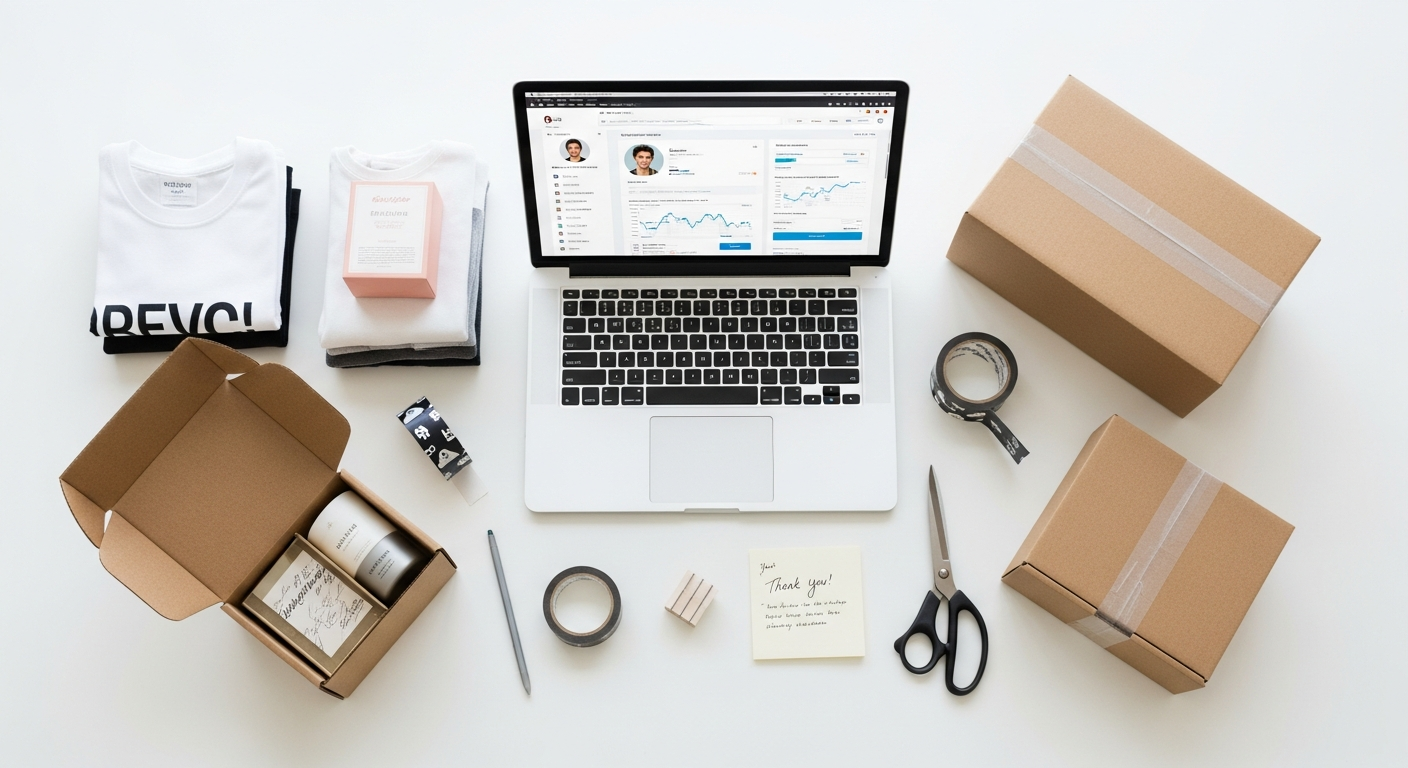
The success of your influencer marketing strategy hinges almost entirely on finding the right partners. For small brands, this isn’t about chasing the biggest names; it’s about finding individuals whose audience genuinely aligns with your brand values and products. The focus should always be on relevance, authenticity, and engagement, rather than just follower count. A common mistake is to assume that more followers automatically means better results. In reality, a micro-influencer with 10,000 highly engaged and relevant followers can often deliver a much better return on investment than a macro-influencer with 100,000 less engaged or less relevant followers.
When searching for potential collaborators, start by defining your ideal customer. What are their interests? What problems do they need solving? What kind of content do they consume? Once you have a clear picture, you can begin to identify influencers who speak to that audience. Look for individuals who are creating content consistently, whose engagement rates (likes, comments, shares relative to follower count) are healthy, and whose comment sections reveal genuine interaction rather than spam. For influencer marketing for small brands, nano-influencers (1,000-10,000 followers) and micro-influencers (10,000-100,000 followers) are often your best bet. They tend to have more intimate relationships with their audience, higher engagement rates, and are generally more affordable and approachable.
There are several ways to discover suitable influencers. Begin with manual searches on platforms like Instagram, TikTok, YouTube, and even LinkedIn (depending on your niche). Use relevant hashtags related to your product or industry. For example, if you sell artisanal candles, search #handpouredcandles, #candlelover, #homedecorideas. Pay attention to who is posting about similar products or topics, and more importantly, who their audience is interacting with. Look at the “tagged photos” section on your competitors’ profiles to see who they are collaborating with. Explore the followers of other brands in your niche to see if any users consistently create high-quality content that aligns with your aesthetic.
While dedicated influencer platforms exist, many come with subscription fees that might be out of reach for small brands. However, some platforms offer free trials or limited free access, which can be useful for initial discovery. Alternatively, tools like Phlanx or HypeAuditor offer free Instagram engagement calculators that can help you vet potential influencers. Don’t overlook the power of your existing customer base; some of your most loyal customers might already be micro-influencers themselves, sharing your products organically. Encourage them to tag you and even consider reaching out to them directly for potential partnerships.
Finally, always perform due diligence. Check an influencer’s past content for brand alignment and ensure their values resonate with yours. Look for any signs of fake followers or engagement (e.g., disproportionate likes to comments, generic comments). A strong indicator of a good partner is an influencer who genuinely loves what they do and cares about their audience. These are the individuals who will naturally and authentically integrate your brand into their content, driving far more impactful results for your small business.
Crafting Compelling Collaborations: Strategies for Engaging Influencers
Your initial outreach should never be a generic copy-and-paste message. Address the influencer by name, reference specific content of theirs that you admire, and explain why you believe their audience would resonate with your brand. Be clear about your product and what makes it unique. For example, if you sell eco-friendly beauty products, mention how their commitment to sustainability aligns with your brand’s mission. Keep it concise but informative, and express your genuine enthusiasm for their work. An email is generally more professional than a direct message on social media for initial contact, as it allows for more detailed communication.
When it comes to the “offer,” think creatively beyond just monetary compensation, especially if you’re a small brand with a limited budget. Common collaboration types include:
- Product Gifting: Offering free products in exchange for an honest review or feature. This is often suitable for nano and micro-influencers.
- Affiliate Marketing: Providing a unique discount code or referral link that earns the influencer a commission on every sale they drive. This is an excellent performance-based model for small brands, directly tying their compensation to results, which can also help to Increase Average Order Value Ecommerce if the commission structure encourages larger purchases.
- Sponsored Posts/Content Creation: Paying a fee for specific content (e.g., Instagram post, Reel, YouTube video, blog review). This is more common for micro and macro-influencers.
- Brand Ambassadorships: Longer-term partnerships where an influencer consistently promotes your brand over a period, often in exchange for ongoing product supply, a retainer, or higher commissions.
Clearly define the scope of work and deliverables. A well-structured brief is essential. This document should outline:
- Campaign Goals: What do you hope to achieve (e.g., brand awareness, sales, traffic)?
- Key Messages: Any specific points you want them to highlight about your product.
- Call to Action (CTA): What do you want their audience to do (e.g., visit your website, use a discount code, follow your page)?
- Content Requirements: Type of content (post, story, video), number of pieces, visual style, preferred hashtags, and tagging.
- Timeline: Deadlines for content submission and posting.
- Disclosure Requirements: Crucially, remind influencers of the need to clearly disclose sponsored content (e.g., #ad, #sponsored, #gifted) in compliance with FTC guidelines. Protecting both your brand and the influencer from legal repercussions is paramount.
- Usage Rights: How you plan to repurpose their content on your own channels.
Remember that you’re building a partnership. Be open to their creative input; they know their audience best. While providing guidelines, allow them the freedom to create content that feels authentic to their style. This balance between guidance and creative freedom often leads to the most impactful and engaging campaigns. A strong, respectful collaboration can blossom into a long-term relationship, providing continuous value for your small brand and consistent opportunities for the influencer.
Maximizing Your ROI: Measuring Success and Optimizing Campaigns
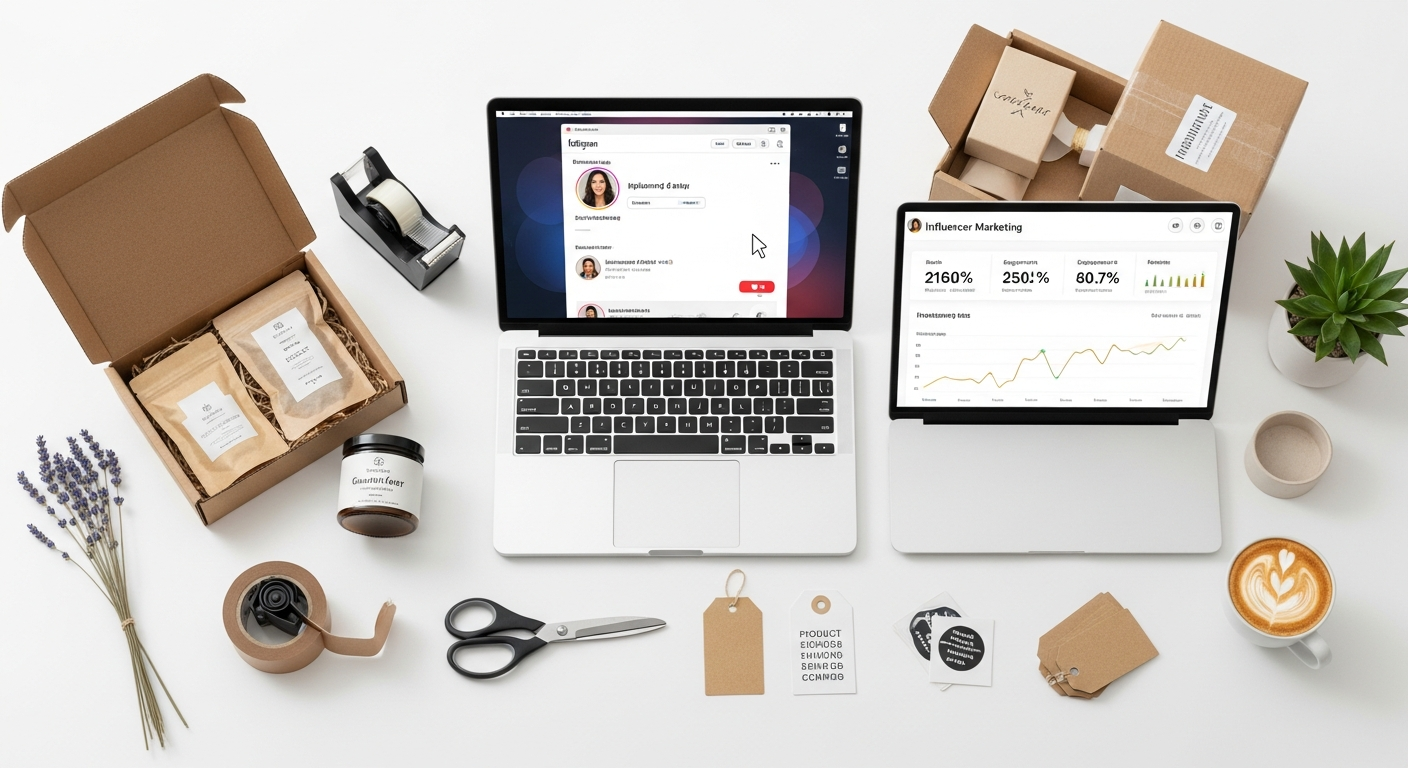
For any small brand, every marketing investment must yield tangible results. Measuring the Return on Investment (ROI) of your influencer marketing campaigns is not just about justifying the expense; it’s about understanding what works, what doesn’t, and how to continuously improve. Without proper tracking and analysis, even the most creative campaign can fall short of its potential. For influencer marketing for small brands, defining clear KPIs (Key Performance Indicators) from the outset is non-negotiable.
The KPIs you choose should align directly with your campaign goals. Common metrics to track include:
- Brand Awareness: Reach (number of unique viewers), impressions (total views), mentions, follower growth on your own social channels.
- Website Traffic: Clicks to your website from influencer content, tracked via UTM parameters or unique landing pages.
- Engagement Rate: Likes, comments, shares, saves on influencer posts. This indicates how resonant the content was with their audience.
- Sales Conversions: Direct sales attributed to the influencer, typically tracked through unique discount codes, affiliate links, or custom checkout URLs. This is often the most important metric for e-commerce brands looking to Increase Average Order Value Ecommerce.
- Content Performance: Quality of content produced, how well it aligns with your brand, and its potential for repurposing.
Implementing effective tracking mechanisms is crucial. Here’s how:
- Unique Discount Codes: Provide each influencer with a distinct discount code (e.g., JENNA15, BETHANY20) that their audience can use. This directly attributes sales and allows you to track conversion rates.
- Affiliate Links: If using an affiliate model, ensure each influencer has a unique tracking link. Many e-commerce platforms have built-in affiliate management tools or integrations.
- UTM Parameters: Append UTM tags to all links provided to influencers. This allows Google Analytics (or your preferred analytics tool) to track the source, medium, and campaign of website traffic originating from their content. For example,
yourwebsite.com?utm_source=instagram&utm_medium=influencer&utm_campaign=jenna_collab. - Dedicated Landing Pages: For larger campaigns, consider creating a specific landing page for an influencer’s audience. This allows for precise tracking of traffic, conversions, and bounce rates.
- Social Media Insights: Ask influencers to share their platform’s performance insights (reach, impressions, engagement) for the content they created. This data is invaluable for understanding content effectiveness.
After the campaign concludes, gather all your data and perform a thorough analysis. Compare the results against your initial KPIs. Did you achieve your sales targets? Was the traffic of high quality? What was the engagement like? Look for patterns: which influencers performed best, and why? Was it their content style, their audience, or the type of call to action? Document your findings meticulously.
This analysis isn’t just an exercise; it’s the foundation for optimization. Use what you learn to refine your future strategies. Perhaps a certain type of content resonated more, or a specific call to action drove higher conversions. This iterative process of testing, measuring, and optimizing is vital for maximizing your ROI and ensuring your influencer marketing efforts consistently contribute to your small brand’s growth and profitability. Building long-term relationships with high-performing influencers can amplify these benefits, creating a consistent stream of authentic promotion and customer acquisition.
Budgeting & Resources: Making Influencer Marketing Work on a Small Scale
One of the biggest misconceptions about influencer marketing is that it requires a massive budget. While large brands certainly spend millions, influencer marketing for small brands is entirely feasible on a lean budget, provided you’re strategic and resourceful. The key is to understand that “payment” doesn’t always mean cash, and “resources” extend beyond just money to include time, effort, and creative assets.
For small brands, the initial focus should be on building relationships and offering value beyond just a monetary transaction. Here’s how to make it work:
- Product Gifting as Primary Compensation: For nano and micro-influencers, a free product is often sufficient compensation, especially if it’s something they genuinely desire and would use. Ensure the product’s value is commensurate with their audience size and the effort required for the content. Clearly communicate that the product itself is the payment for their time and content creation.
- Performance-Based Pay (Affiliate Marketing): This is a highly effective model for small budgets. You pay influencers a commission (e.g., 5-20%) on sales they directly generate using their unique code or link. This aligns incentives perfectly: the more they promote and sell, the more they earn. It’s a low-risk, high-reward strategy for small brands, as you only pay for proven results. This method also encourages influencers to think about how to best Increase Average Order Value Ecommerce from their audience, as their commission grows with the sale size.
- Small Flat Fees for Specific Deliverables: As you scale or work with slightly larger micro-influencers, you might offer a modest flat fee in addition to product. This could range from $50-$300 for a dedicated post or story, depending on the influencer’s reach, engagement, and the complexity of the content. Always negotiate and ensure the fee aligns with your budget and the expected ROI.
- Barter and Trade: Beyond just product, consider what else your brand might offer. Could you provide a unique experience, early access to new products, or cross-promotion on your own social channels? Think creatively about non-monetary value exchanges.
Beyond direct financial compensation, remember to account for other resources:
- Product Costs: The cost of the products you send to influencers, including shipping. Factor this into your overall campaign budget.
- Time Investment: This is often overlooked. Researching influencers, crafting personalized outreach emails, negotiating terms, reviewing content, and tracking results all require significant time. If you’re a small team, dedicate specific hours each week to these tasks. Automate where possible, but prioritize personalized communication.
- Content Repurposing: The content created by influencers is a valuable asset. Plan to repurpose it on your own social media, website, email campaigns, and even in ads (with proper usage rights agreed upon). This extends the life and value of your campaign, effectively providing you with high-quality user-generated content (UGC) without additional content creation costs.
- Tools and Software: While many initial tasks can be done manually, consider investing in affordable tools as you grow. Free tools like Instagram’s native analytics, Google Analytics, and various engagement calculators can get you started. Later, you might explore influencer relationship management (IRM) platforms that streamline outreach and tracking.
The beauty of starting small is that you can learn and iterate without significant financial risk. Begin with a few nano-influencers, test different approaches, measure your results diligently, and gradually scale up your efforts and budget as you see a positive return. This iterative process ensures that your investment in influencer marketing grows in tandem with your brand’s success.
Navigating the Nuances: Best Practices and Pitfalls to Avoid
While the potential of influencer marketing for small brands is immense, navigating this dynamic landscape requires careful consideration of best practices and an awareness of common pitfalls. Success isn’t just about finding the right person; it’s about building ethical, transparent, and mutually beneficial relationships that protect your brand and deliver genuine value.
Authenticity is Non-Negotiable
In the digital age, consumers are incredibly savvy. They can spot inauthentic content from a mile away. Forcing an influencer to promote a product they don’t genuinely believe in or use will backfire, eroding their credibility and, by extension, yours. Always prioritize genuine alignment. Seek out influencers who already use or express interest in products similar to yours. Allow them creative freedom to integrate your product into their existing content style, rather than dictating every word. This ensures the content feels natural, relatable, and trustworthy to their audience.
Disclosure Requirements: Protect Your Brand and the Influencer
Legal and ethical guidelines, particularly from bodies like the Federal Trade Commission (FTC) in the U.S., mandate clear disclosure of sponsored content. Influencers must explicitly state when they have been compensated (with product or money) for a post. This means using hashtags like #ad, #sponsored, #gifted, or clear statements like “In partnership with [Your Brand Name]”. As a small brand, it is your responsibility to educate and remind your collaborating influencers about these requirements. Failure to comply can result in hefty fines for both the influencer and your brand, severely damaging your reputation.
Clear Communication and Contracts
Even for product gifting, a simple written agreement or email exchange outlining the deliverables, timelines, usage rights, and disclosure requirements is crucial. For paid campaigns, a more formal contract is essential. This protects both parties by setting clear expectations and providing recourse if promises aren’t met. It prevents misunderstandings regarding content ownership, deadlines, and payment terms. Don’t leave anything to assumption.
Building Relationships Over Transactions
View influencer collaborations as long-term partnerships rather than one-off transactions. Nurture these relationships. Engage with their content, share their posts (even when not directly featuring your product), and provide positive feedback. Loyal influencers can become powerful brand advocates, offering sustained promotion and valuable insights over time. A strong relationship can also make future collaborations smoother and potentially more cost-effective.
Handling Negative Feedback or Controversies
The internet can be unpredictable. Be prepared for potential negative comments on influencer posts or even controversies surrounding an influencer you’ve partnered with. Have a plan for how you will respond. If the feedback is about your product, engage constructively and offer solutions. If the controversy is with the influencer, assess the situation calmly. Sometimes, it might be necessary to distance your brand, while other times, a show of support (if appropriate) might be warranted. Proactive monitoring and communication are key.
Leveraging Influencers to Build Trust in Your Operations
Consider how influencers can subtly highlight aspects of your brand that build trust, such as your commitment to quality, sustainability, or even your customer-centric operations. For instance, an influencer could mention how seamless their experience was with your Ecommerce Return Policy Best Practices, if they had reason to use it. Or they might praise your efficient shipping or responsive customer service. These subtle endorsements of operational excellence can significantly enhance consumer confidence, especially for a new or small brand looking to establish credibility in a competitive market.
By adhering to these best practices and avoiding common pitfalls, small brands can maximize the effectiveness of their influencer marketing efforts, building genuine connections, driving meaningful results, and solidifying their position in the market for 2026 and beyond.
Frequently Asked Questions
Recommended Resources
For more on influencer marketing for, see How To Increase Website Traffic 2026 on Page Release.
Check out What Is B2B Ecommerce And How To Get Started on Kacerr for a deeper dive.
