
Why Instagram is an E-Commerce Powerhouse for 2026
Instagram’s growth from a simple photo-sharing app to a sophisticated e-commerce ecosystem is a testament to its adaptability and its deep understanding of consumer behavior. For businesses planning How To Start Ecommerce Business 2026, Instagram isn’t just an optional marketing channel; it’s a foundational pillar for reaching modern consumers.
The Visual-First Advantage
At its core, Instagram is a visual platform, making it inherently perfect for showcasing products. Unlike text-heavy platforms, Instagram allows brands to tell a story through high-quality images and compelling videos, appealing directly to the aesthetic preferences of potential customers. This visual immersion helps consumers envision products in their lives, fostering an emotional connection that often precedes a purchase decision. The ability to present products in diverse, engaging contexts—from lifestyle shots to user-generated content—creates a rich, aspirational brand narrative.
Massive, Engaged User Base
With billions of active users worldwide, Instagram offers an unparalleled reach. Crucially, a significant portion of this audience is actively engaged with brands and open to discovering new products. Demographically, Instagram skews towards younger, tech-savvy consumers who are comfortable with online shopping and social commerce. This demographic is often trend-aware and responsive to visual marketing, making them ideal targets for e-commerce businesses. The platform’s algorithms are designed to connect users with content they’re likely to enjoy, meaning well-executed e-commerce content can find its way to highly relevant audiences.
Seamless Shopping Features
Instagram has strategically integrated a suite of shopping features that reduce friction in the buyer’s journey. From shoppable posts and Stories to a dedicated Shop tab and live shopping events, the platform empowers businesses to turn passive browsing into active purchasing without ever leaving the app. These features streamline the path from discovery to checkout, catering to the instant gratification sought by today’s consumers. The continuous evolution of these tools signifies Instagram’s commitment to becoming an indispensable e-commerce channel, making it a critical consideration for any brand’s growth strategy in 2026.
Setting Up Your Instagram for E-Commerce Success

Before you can start driving sales, your Instagram profile needs to be optimized to function as an effective e-commerce storefront. This involves more than just posting pretty pictures; it requires strategic setup to ensure discoverability, credibility, and conversion potential.
Switch to a Business or Creator Account
The first crucial step is to switch your personal profile to a professional account (either Business or Creator). This unlocks a host of essential features:
- Instagram Insights: Access to analytics on your posts, Stories, audience demographics, reach, and engagement, which are vital for understanding what resonates with your audience and optimizing your strategy.
- Contact Buttons: Add email, phone, and directions buttons directly to your profile, making it easier for customers to reach you.
- Shopping Features: Eligibility to set up Instagram Shopping, tag products, and utilize the Shop tab.
- Promotions: Ability to run Instagram Ads and promote posts directly from the app.
For most e-commerce brands, a Business Account is the recommended choice as it provides direct access to tools specifically designed for product sales and marketing.
Optimize Your Bio and Profile Information
Your Instagram bio is prime real estate—it’s often the first thing potential customers see. Make it count:
- Clear Value Proposition: State what you sell and who you serve concisely. Use keywords relevant to your niche.
- Branded Profile Picture: Use your logo or a recognizable brand icon to maintain consistency.
- Call to Action (CTA): Direct users to your primary link. This could be your website, a specific product page, or a curated landing page using tools like Linktree or Beacons, especially useful when promoting multiple products or campaigns.
- Link in Bio Strategy: Since Instagram only allows one clickable link in the bio, use it wisely. Regularly update this link to align with your current promotions, new product launches, or blog posts.
- Highlight Reels: Use Story Highlights to categorize and showcase essential information like FAQs, new arrivals, customer reviews, “how-to” guides, and behind-the-scenes content. These act as permanent sections of your profile, providing quick access to valuable information.
Connect Your Product Catalog
To enable Instagram Shopping features, you need to connect your product catalog. This typically involves:
- Facebook Business Manager: Ensure your Instagram Business Account is connected to your Facebook Business Page.
- Catalog Manager: Upload your product catalog to Facebook Catalog Manager. This can be done manually, through a pixel, or by integrating with your e-commerce platform (like Shopify, WooCommerce, BigCommerce). Ensure product details, images, descriptions, and prices are accurate and up-to-date.
- Account Review: Submit your account for review by Instagram. Once approved, you’ll gain access to all shopping functionalities.
A well-maintained product catalog is the backbone of your Instagram e-commerce strategy, ensuring a seamless shopping experience for your customers.
Content Strategies That Drive Sales on Instagram
High-Quality Visuals and Aesthetics
Instagram is a visual platform, and high-quality visuals are non-negotiable. Invest in professional photography and videography that highlights your products’ best features. Maintain a consistent brand aesthetic across all your posts, Stories, and Reels. This helps build brand recognition and a cohesive feed that is pleasing to the eye.
- Product Photography: Showcase products clearly, in good lighting, and from multiple angles.
- Lifestyle Shots: Show your products in use, demonstrating their value and how they fit into customers’ lives. This helps potential buyers visualize themselves using the product.
- Brand Colors and Filters: Use a consistent color palette and editing style to create a recognizable brand identity.
Diverse Content Formats for Engagement
Don’t limit yourself to static image posts. Instagram offers a rich array of content formats, each with unique advantages for e-commerce:
- Instagram Reels: Short, engaging videos are highly favored by Instagram’s algorithm. Use Reels for product demonstrations, behind-the-scenes glimpses, unboxing videos, trend participation, or quick tutorials. Leverage trending audio and creative editing to capture attention and go viral.
- Instagram Stories: Ideal for ephemeral, authentic content. Use Stories for flash sales, polls, Q&As, product launches, customer testimonials, and interactive stickers that drive engagement and direct traffic to product pages.
- Carousel Posts: Allow you to share up to 10 images or videos in a single post. Use them to showcase different product variations, “before and after” comparisons, step-by-step guides, or a collection of customer reviews.
- Live Videos: Host live shopping events, Q&A sessions with product experts, or interviews. Live videos foster real-time interaction and can create a sense of urgency and exclusivity.
Storytelling and Value-Driven Content
Beyond simply showing products, tell a story. Share your brand’s mission, values, and the inspiration behind your products. Educate your audience on how your products solve their problems or enhance their lives. This builds a deeper connection and loyalty.
- Behind-the-Scenes: Show your production process, your team, or your brand’s journey. This builds authenticity and trust.
- User-Generated Content (UGC): Encourage customers to share photos and videos of your products in use. Reposting UGC not only provides social proof but also builds a community and strengthens brand loyalty. Consider running contests or featuring customer spotlights to incentivize UGC creation.
- Educational Content: Provide tips, tutorials, or industry insights related to your products. For example, a skincare brand might share routines, or a fashion brand might offer styling tips.
Consistency is key. Develop a content calendar and post regularly to keep your audience engaged and your brand top-of-mind. Leverage Instagram’s scheduling tools or third-party platforms to streamline your posting process.
Leveraging Instagram Shopping Features to Convert
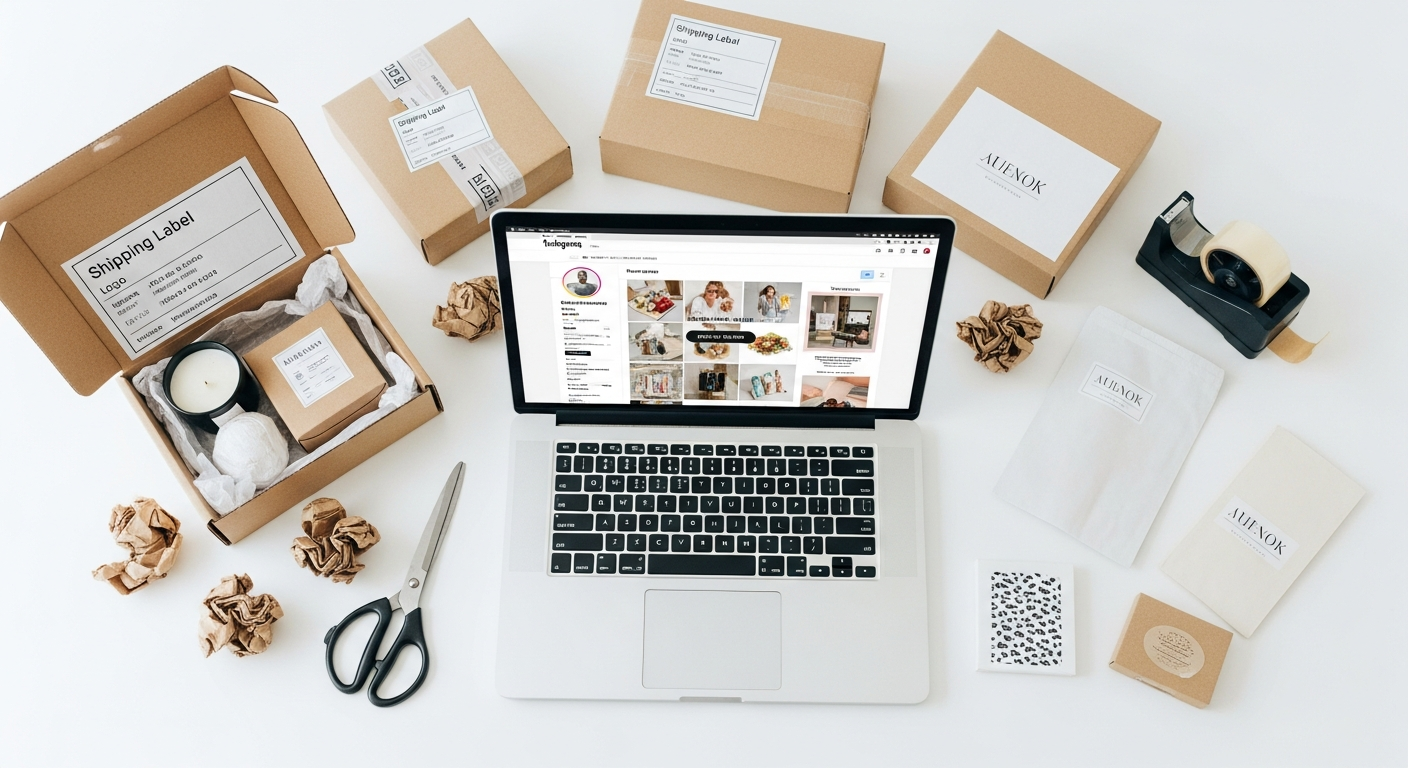
Instagram has made significant strides in integrating shopping directly into the user experience. Mastering these features is paramount for any e-commerce business aiming to maximize sales on the platform.
Product Tags in Posts and Stories
This is arguably the most fundamental shopping feature. Product tags allow you to tag specific products directly within your feed posts and Stories. When users tap on a tagged product, they see its name and price, and can tap again to view a product detail page within Instagram or be directed to your website for purchase.
- In Feed Posts: Use product tags on all visually appealing product shots and lifestyle images. Tag every relevant item in the photo.
- In Stories: Utilize the product sticker to tag products in your Stories. This is excellent for flash sales, new arrivals, or quick promotions, offering a direct path to purchase from ephemeral content.
Pro Tip: Ensure the product detail pages linked from Instagram are optimized for mobile viewing and provide all necessary information, including clear product descriptions, multiple images, and transparent pricing. This is also where Ecommerce Return Policy Best Practices become crucial; clearly communicating your return policy on the product page and checkout process builds trust and reduces buyer friction.
The Instagram Shop Tab
Once your product catalog is connected and approved, a dedicated “View Shop” button will appear on your profile, leading to your Instagram Shop. This acts as a mini-e-commerce store directly within the app, allowing users to browse your entire product catalog without leaving Instagram.
- Curate Collections: Organize your products into themed collections (e.g., “New Arrivals,” “Seasonal Picks,” “Best Sellers,” “Gift Ideas”). This makes browsing easier and more intuitive for customers.
- High-Quality Images: Ensure all products in your shop have clear, high-resolution images and accurate descriptions.
A well-organized and visually appealing Instagram Shop can significantly enhance the shopping experience, encouraging longer browsing sessions and higher conversion rates.
Live Shopping Events
Instagram Live Shopping combines the interactivity of live video with the immediacy of direct purchasing. During a live broadcast, you can feature products from your catalog, and viewers can tap to buy them in real-time.
- Product Demonstrations: Showcase products in action, answer real-time questions, and demonstrate features.
- Exclusive Offers: Announce limited-time discounts or bundles exclusively for live viewers to create urgency.
- Behind-the-Scenes: Use live shopping to launch new products, introducing them directly from your studio or workspace.
Live shopping creates an engaging, interactive, and often spontaneous buying experience that can be incredibly effective for driving immediate sales and building a loyal community.
Checkout on Instagram (if available)
For eligible businesses in certain regions, Instagram offers the ability for customers to complete their purchase directly within the app, without being redirected to an external website. This frictionless checkout experience significantly reduces cart abandonment and simplifies the buying process. While not universally available, staying informed about its rollout and preparing your catalog for this feature is a forward-thinking strategy for maximizing sales.
Wishlists and Product Guides
Instagram also offers features that help users save products they’re interested in for later. Customers can save products to their personal wishlists or share them with friends. Brands can also create “Product Guides” which are curated collections of products, similar to blog posts, providing recommendations and inspiration. These features extend the purchasing journey beyond immediate conversion, nurturing future sales and encouraging social sharing.
Advanced Tactics for Boosting Your E-commerce Sales on Instagram
Once you’ve mastered the basics, it’s time to explore more sophisticated strategies to amplify your reach, engagement, and ultimately, your sales performance on Instagram.
Influencer Marketing and Collaborations
Partnering with Instagram influencers can dramatically expand your brand’s reach and introduce your products to new, engaged audiences. Focus on micro-influencers (10K-100K followers) who often have higher engagement rates and a more authentic connection with their niche audience.
- Authentic Partnerships: Seek out influencers whose aesthetic and values align with your brand. Authenticity resonates more than a forced endorsement.
- Clear Briefs: Provide clear guidelines but allow influencers creative freedom to integrate your products naturally into their content.
- Trackable Campaigns: Use unique discount codes or affiliate links to track sales and measure the ROI of your influencer collaborations.
- Brand Ambassadors: Develop long-term relationships with influencers who genuinely love your products, turning them into ongoing brand advocates.
Beyond influencers, consider collaborations with complementary brands. This could involve co-hosting giveaways, creating joint product bundles, or cross-promoting each other’s content, allowing you to tap into new customer segments.
Strategic Instagram Advertising
While organic reach is valuable, Instagram Ads allow you to precisely target potential customers and scale your efforts. Instagram’s advertising platform, managed through Facebook Ads Manager, offers powerful targeting capabilities.
- Audience Targeting: Target users based on demographics, interests, behaviors, custom audiences (from your customer lists), and lookalike audiences (users similar to your existing customers or website visitors).
- Ad Formats: Experiment with various ad formats, including image ads, video ads, carousel ads, and Collection ads (which allow users to browse multiple products directly within the ad). Shopping ads are particularly effective as they are designed to drive product discovery and sales.
- Retargeting Campaigns: Re-engage users who have visited your website, viewed specific products, or interacted with your Instagram profile but haven’t purchased. Show them ads for the products they showed interest in, or offer a discount to encourage conversion.
- A/B Testing: Continuously test different ad creatives, copy, and targeting parameters to optimize your campaigns for the best return on ad spend (ROAS).
For businesses focused on How To Start Ecommerce Business 2026, a well-planned ad strategy is crucial for accelerating initial growth and reaching critical mass.
Implementing a Referral Marketing Program Ecommerce
Integrate your Instagram strategy with a robust Referral Marketing Program Ecommerce. Instagram is an ideal platform for promoting such programs because it thrives on social proof and word-of-mouth recommendations.
- Promote Your Program: Create engaging posts and Stories that highlight the benefits of your referral program (e.g., “Give 10%, Get 10%”). Use compelling visuals and clear calls to action.
- User-Generated Content (UGC) from Referrals: Encourage referred customers to share their purchases on Instagram, tagging both your brand and the referrer. This creates a powerful cycle of social proof.
- Influencer Referrals: Partner with influencers who have their own referral codes to share with their audience, extending the reach of your program.
- Link in Bio: Ensure your referral program’s landing page is easily accessible via your “link in bio” or a dedicated highlight reel.
A successful referral program amplified on Instagram can significantly reduce customer acquisition costs while leveraging the trust built within social networks.
Building an Engaged Community
Beyond direct sales, cultivate a loyal community around your brand. Engaged followers are more likely to become repeat customers and brand advocates.
- Respond to DMs and Comments: Be responsive and personal in your interactions. Answer questions, acknowledge compliments, and address concerns promptly.
- Run Contests and Giveaways: These are excellent for boosting engagement, growing followers, and generating excitement around your products. Require participants to tag friends or share your post to enter.
- Host Q&A Sessions: Use Instagram Stories or Live to answer common questions about your products, brand, or industry.
- Create Branded Hashtags: Encourage customers to use your unique hashtag when sharing their purchases, making it easy to discover and repost UGC.
By fostering a strong community, you create a tribe of loyal customers who not only buy your products but also actively promote your brand.
Measuring Your Instagram E-commerce Performance
To ensure your efforts are translating into tangible results, continuous monitoring and analysis of your Instagram performance are essential. Data-driven decisions are the hallmark of successful e-commerce operations.
Leveraging Instagram Insights
Instagram’s native analytics tool, available for Business and Creator accounts, provides valuable data points:
- Audience Demographics: Understand who your followers are (age, gender, location) to tailor your content and product offerings.
- Reach and Impressions: See how many unique accounts saw your content and the total number of times your content was viewed.
- Engagement Rate: Track likes, comments, saves, and shares. A high engagement rate indicates your content resonates with your audience.
- Profile Visits and Website Clicks: Monitor how many users visited your profile and clicked on your link in bio.
- Product Page Views & Clicks: For shoppable posts, track how many people viewed your product details or clicked through to your website.
- Story Performance: Analyze reach, exits, and taps forward/backward to understand what keeps viewers engaged.
Regularly review these insights to identify top-performing content, optimal posting times, and areas for improvement.
Integrating with Facebook Business Manager and E-commerce Platforms
For a more comprehensive view of your e-commerce sales, integrate Instagram data with your Facebook Business Manager and your e-commerce platform’s analytics (e.g., Shopify Analytics, Google Analytics).
- Facebook Ads Manager: Provides detailed performance metrics for your Instagram ad campaigns, including cost per click (CPC), cost per acquisition (CPA), and return on ad spend (ROAS).
- Google Analytics/Shopify Analytics: Set up UTM parameters for all links originating from Instagram (especially your link in bio and ad links). This allows you to track traffic sources, user behavior on your website, conversion rates, and average order value directly attributed to Instagram. You can see which Instagram posts or ads led to sales.
Key Performance Indicators (KPIs) for E-commerce
Focus on these specific KPIs to gauge your Instagram’s impact on sales:
- Conversion Rate: The percentage of Instagram users who visit your site or shop through Instagram and make a purchase.
- Average Order Value (AOV): The average amount spent per order originating from Instagram.
- Customer Acquisition Cost (CAC): The cost to acquire a new customer through your Instagram marketing efforts (especially relevant for paid ads).
- Customer Lifetime Value (CLV): The total revenue a customer is expected to generate over their relationship with your brand, influenced by repeat purchases driven by Instagram engagement.
- Return on Ad Spend (ROAS): The revenue generated for every dollar spent on Instagram ads.
By consistently tracking these metrics, you can refine your Instagram strategy, allocate resources effectively, and ensure your efforts are directly contributing to your e-commerce growth.
The Future of Instagram E-commerce in 2026 and Beyond
As we look towards 2026, Instagram’s role in e-commerce is only set to expand and evolve. Businesses planning How To Start Ecommerce Business 2026 must anticipate and adapt to these changes to stay competitive.
Personalization and AI Integration
Expect Instagram to leverage AI even more to offer hyper-personalized shopping experiences. This means smarter product recommendations based on user behavior, preferences, and even visual cues from content they engage with. Brands will need to focus on rich, detailed product data to feed these AI systems effectively.
Augmented Reality (AR) Shopping
AR features, allowing users to “try on” clothes, test makeup, or visualize furniture in their homes, are becoming more sophisticated. This immersive shopping experience reduces buyer uncertainty and increases conversion rates. Investing in AR capabilities will become a significant differentiator for e-commerce brands on Instagram.
Continued Emphasis on Video and Immersive Content
Reels and Live Shopping will continue to dominate. Brands that master short-form video storytelling and interactive live experiences will capture the most attention. Expect more tools for creating and monetizing immersive video content.
Seamless Integration Across Meta Platforms
The Meta ecosystem (Facebook, Instagram, WhatsApp) will likely see even tighter integration, offering businesses a unified platform for managing ads, product catalogs, and customer interactions across all channels. This will simplify cross-platform marketing efforts and provide a more holistic view of the customer journey.
Ethical E-commerce and Data Privacy
As data privacy regulations evolve, Instagram will likely introduce new tools and requirements for transparent data handling. Brands must prioritize ethical marketing practices and ensure compliance, building trust with their audience in a privacy-conscious environment.
In summary, Instagram is not just a trend; it’s a fundamental channel for e-commerce success. By understanding its features, developing a robust content strategy, leveraging advanced tactics, and consistently measuring your performance, your business can effectively use Instagram to drive significant sales and build a thriving online presence for years to come.
Frequently Asked Questions
Recommended Resources
You might also enjoy Podcast Marketing Strategy Guide from Page Release.
Related reading: High Yield Savings Account Vs Regular Savings Account (Fin3go).
