
The Unmissable Opportunity: Why Go Global with Your E-commerce Business?
The allure of international markets for e-commerce businesses is undeniable, offering a pathway to significant growth and resilience. While the initial thought of shipping products across borders might seem complex, the potential rewards far outweigh the perceived challenges. Expanding internationally is a strategic imperative for any business aiming for long-term success and scalability, especially for those considering
How To Start Ecommerce Business 2026
with a global mindset from day one.
One of the primary drivers for going global is the sheer size of the market. Domestic markets, no matter how robust, inevitably have limitations. By contrast, the global consumer base is vast and continually growing, opening up entirely new revenue streams that can significantly boost your bottom line. Imagine tapping into markets where demand for your specific product niche is high but local supply is scarce. This geographical diversification also acts as a powerful buffer against economic downturns or seasonal fluctuations in your home market, providing a more stable and predictable revenue flow.
Beyond direct sales, international expansion elevates your brand’s visibility and reputation. A business that successfully serves customers across multiple countries is often perceived as more credible, innovative, and established. This enhanced brand image can attract not only more international customers but also strengthen your standing in your domestic market. It signals a company that is forward-thinking and capable of overcoming complex logistical hurdles, which speaks volumes about your operational excellence and customer commitment. For aspiring entrepreneurs planning
How To Start Ecommerce Business 2026
, integrating international aspirations early on can set a powerful trajectory for accelerated growth and market leadership.
Furthermore, going global allows you to identify and capitalize on new trends and consumer preferences that may not yet be prevalent in your local market. This exposure to diverse cultures and demands can spark innovation in your product development, marketing strategies, and overall business model. It fosters a dynamic approach to business, keeping you agile and competitive. While the journey involves understanding intricate customs regulations, managing international payment gateways, and optimizing shipping logistics, the strategic advantages—increased market share, enhanced brand prestige, and diversified revenue—make international expansion an unmissable opportunity for any ambitious e-commerce venture.
Embracing global shipping is not merely about selling more products; it’s about building a more robust, resilient, and renowned e-commerce enterprise ready for the challenges and opportunities of 2026 and beyond. It signifies a profound commitment to growth and an understanding that the future of commerce is inherently global.
Navigating the Legal and Regulatory Maze: Customs, Duties, and Compliance

One of the most intimidating aspects of international shipping is the complex web of legal and regulatory requirements imposed by various countries. Successfully navigating customs, duties, and compliance is not just about avoiding penalties; it’s about ensuring smooth delivery, managing costs, and maintaining customer satisfaction. A misstep here can lead to significant delays, unexpected charges, or even the confiscation of goods.
At the heart of international trade compliance are
HS Codes
(Harmonized System codes). These are internationally standardized numerical codes used to classify products. Every product shipped internationally must have an HS code, which typically consists of 6 to 10 digits. The first six digits are universal, while subsequent digits can be country-specific. Why are they critical? HS codes determine the applicable duties, taxes, and any specific regulations or restrictions for a product in the destination country. Misclassifying an item can lead to incorrect duties being charged, customs delays, or fines. It’s imperative to accurately identify the HS code for each product you ship; many online tools and customs brokers can assist with this.
Next are
Import Duties and Taxes
, which are charges levied by the destination country’s government on imported goods. These can include customs duties, Value Added Tax (VAT), Goods and Services Tax (GST), and other excise taxes. The crucial distinction here is between
DDU (Delivered Duty Unpaid)
and
DDP (Delivered Duty Paid)
. With DDU, the customer is responsible for paying all duties and taxes upon delivery. While this might seem simpler for the seller, it can lead to negative customer experiences, as unexpected charges can cause frustration and package abandonment. DDP, on the other hand, means the seller collects and remits all duties and taxes at the point of sale. This creates a much smoother experience for the customer, with no surprise fees, but places the burden of calculating and managing these costs on the merchant. For a superior customer experience, especially when building a strong brand, DDP is generally the preferred option.
You must also be aware of
Prohibited and Restricted Items
. Almost every country has a list of items that cannot be imported (prohibited) or can only be imported under specific conditions (restricted). Common examples include firearms, illegal drugs, certain chemicals, perishables, and some electronics. Always check the destination country’s customs website or consult your chosen carrier for a list of these items to avoid costly mistakes and legal issues.
Accurate and complete
Customs Declarations and Required Documentation
are non-negotiable. The most common documents include:
-
Commercial Invoice:
Details the seller and buyer, description of goods, quantity, unit price, total value, and HS codes. This is crucial for customs valuation.
-
Packing List:
Provides details about the contents of each package, including weight, dimensions, and quantity, facilitating customs inspection.
-
Certificate of Origin:
States where the goods were manufactured, which can affect duties under free trade agreements.
-
Air Waybill/Bill of Lading:
The contract of carriage between the shipper and the carrier.
Each document must be meticulously prepared and attached to the shipment. Errors or omissions are a primary cause of customs delays.
Finally, remember that
Country-Specific Regulations
vary widely. What is permissible in one country may be heavily regulated or outright banned in another. Researching the specific import regulations for each country you ship to is essential. This includes understanding labeling requirements, product safety standards, and any necessary certifications. Investing time in understanding this legal and regulatory maze will pay dividends in hassle-free shipping, compliant operations, and ultimately, satisfied international customers.
Choosing Your International Shipping Strategy: Carriers, Services, and Costs
When it comes to
Major Carriers
, you generally have several reputable options, each with its strengths:
-
FedEx and UPS:
Known for their extensive global networks, reliable tracking, and express services. They are often favored for time-sensitive or higher-value shipments, though their rates can be higher.
-
DHL:
A global leader in international shipping, particularly strong in Europe and Asia. They offer excellent customs clearance services and competitive rates for many international lanes.
-
USPS (United States Postal Service):
Often the most economical option for smaller, lighter packages, particularly through services like Priority Mail International or First-Class Package International Service. While tracking can be less robust than private carriers, it’s a popular choice for budget-conscious shipments.
-
National Postal Services:
Similar to USPS, other national postal services (e.g., Royal Mail, Canada Post) offer competitive international rates, often partnering with the destination country’s postal service for final delivery.
Consider whether to use
Freight Forwarders vs. Direct Shipping
. A freight forwarder acts as an intermediary, managing the logistics of your international shipments, often consolidating packages from multiple shippers to secure better rates. They can be invaluable for complex shipments, bulk orders, or if you lack in-house expertise. Direct shipping, where you handle all aspects yourself, offers more control but requires a deeper understanding of the process.
Shipping Methods
typically fall into three categories:
-
Express:
The fastest, most expensive option, often with guaranteed delivery times (e.g., 1-3 business days). Ideal for urgent or high-value items.
-
Standard:
A balance of speed and cost, typically delivering within 4-10 business days. This is a common choice for many e-commerce businesses.
-
Economy:
The slowest and most affordable, with delivery times ranging from 2-4 weeks or more. Best for non-urgent, low-value items where cost is the primary concern.
Understanding
Calculating Shipping Costs
is crucial. Factors include:
-
Weight:
Both actual weight and
dimensional weight
(based on package volume) are considered, with carriers charging for whichever is greater.
-
Dimensions:
Larger packages, even if light, can incur higher costs due to the space they occupy.
-
Destination:
Shipping costs vary significantly by country and region, with more remote locations generally being more expensive.
-
Declared Value:
The value of the goods affects insurance costs and potential duties.
-
Surcharges:
Be aware of potential surcharges for fuel, remote area delivery, residential delivery, customs clearance, and peak season. These can significantly impact the final cost.
Shipping Insurance
is highly recommended, especially for valuable items. While carriers offer basic liability, it often doesn’t cover the full value. Third-party insurance providers can offer more comprehensive coverage at competitive rates, providing peace of mind against loss or damage.
To
Optimize for Cost and Speed
, consider:
-
Negotiating Rates:
If you have high shipping volumes, negotiate directly with carriers for discounted rates.
-
Shipping Software:
Utilize platforms that compare carrier rates, helping you find the most cost-effective option for each shipment.
-
Consolidation:
For bulk orders, consider consolidating multiple items into a single, larger shipment to reduce per-item costs.
-
Packaging Optimization:
Use the smallest possible packaging that adequately protects the product to minimize dimensional weight.
By carefully evaluating these factors, you can develop an international shipping strategy that balances cost-effectiveness with timely and reliable delivery, ensuring a positive experience for your global customers.
Packaging for the World Stage: Protecting Your Products Across Borders
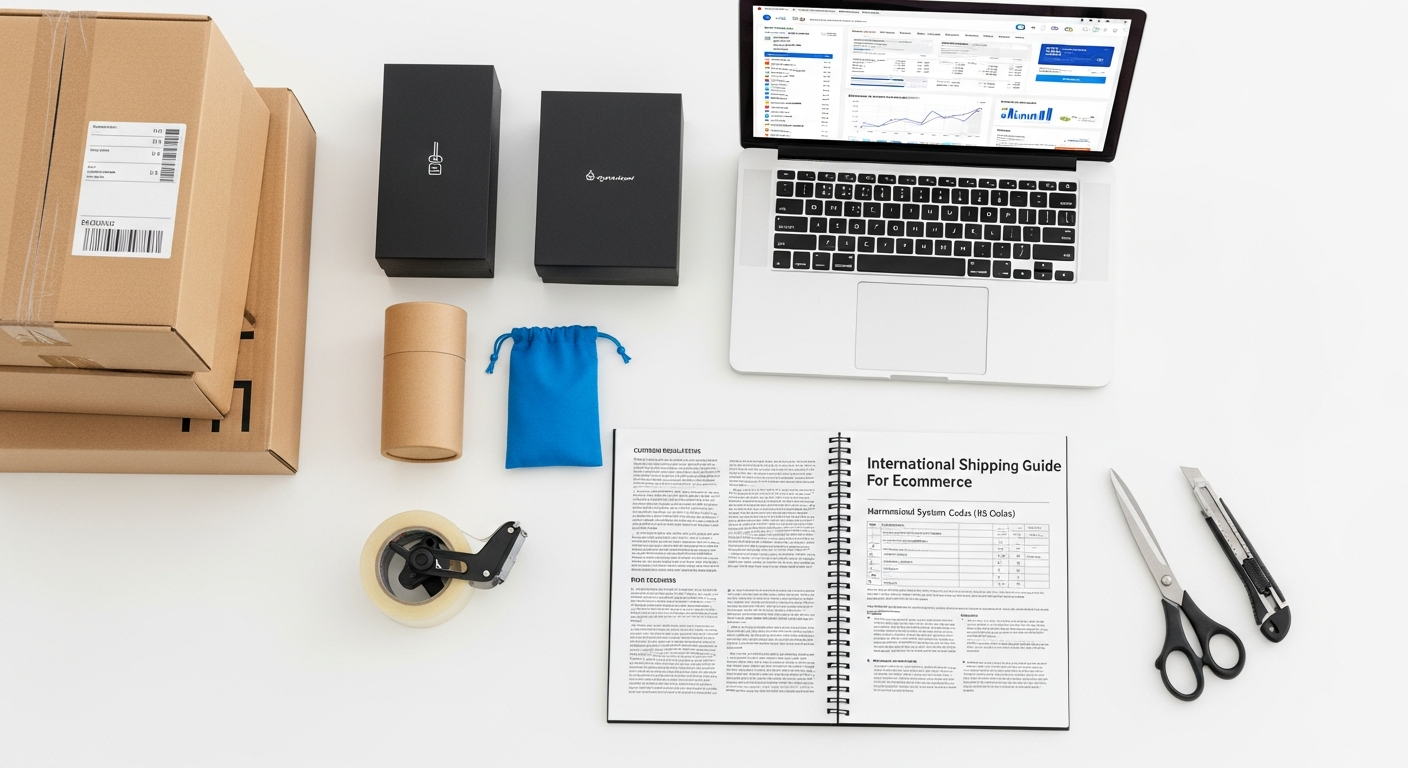
When shipping internationally, your packaging isn’t just a container; it’s the first line of defense for your product against the rigors of a long journey. Unlike domestic shipping, international transit often involves more handling, longer durations, varying climates, and stricter customs inspections. Therefore, robust and intelligent packaging is paramount to ensure your products arrive safely, intact, and ready to delight your global customers. Skimping on packaging can lead to damaged goods, costly returns, negative reviews, and a tarnished brand reputation, directly impacting customer satisfaction and potentially undermining any
Referral Marketing Program Ecommerce
efforts you might have.
The
Importance of Robust Packaging
cannot be overstated. Think about the journey: your package will likely be loaded and unloaded multiple times, sorted by machines, potentially stacked under heavier items, exposed to different temperatures and humidity levels, and travel thousands of miles. It needs to withstand bumps, drops, vibrations, and pressure. A flimsy box or inadequate internal cushioning is an invitation for disaster.
Focus on using appropriate
Materials
:
-
Durable Outer Boxes:
Opt for new, double-walled (or even triple-walled for heavy items) corrugated cardboard boxes. Avoid reusing boxes that are worn, damaged, or have old labels, as their structural integrity might be compromised. The box should be strong enough for its contents and the journey ahead.
-
Void Fill:
This is crucial to prevent items from shifting and colliding inside the box. Use materials like packing peanuts, air pillows, crunched paper, or foam inserts. The goal is to fill all empty spaces and cushion the product from all sides.
-
Protective Wraps:
For fragile items, individual wrapping with bubble wrap, foam sheeting, or appropriate cushioning material is essential. Ensure delicate components are especially protected.
-
Sealing Tape:
Use strong, pressure-sensitive packing tape (minimum 2-inch width). Apply multiple strips to all seams and edges, especially along the top and bottom flaps, to create a secure seal. Avoid using masking tape, cellophane tape, or string, as these are insufficient for international travel.
Labeling Requirements
are also critical. Beyond the shipping label with the recipient’s address and return address, ensure:
-
Customs Forms:
Attach all required customs declarations clearly and securely. Make sure they are correctly filled out to avoid delays.
-
Special Handling Instructions:
Use clear, universally understood symbols or text for “FRAGILE,” “THIS SIDE UP,” or “HANDLE WITH CARE” if applicable. While these don’t guarantee special handling, they serve as important visual cues.
-
Barcode Visibility:
Ensure all barcodes on the shipping label are flat, unobstructed, and scannable.
To avoid
Common Packaging Mistakes
:
-
Under-packing:
Not enough cushioning or a box that’s too weak.
-
Over-packing:
Using an excessively large box for a small item, which increases dimensional weight costs.
-
Inadequate Sealing:
Leads to boxes opening during transit.
-
Using recycled boxes with old labels:
Can cause confusion and misdirection.
Considerations for Different Product Types
are important. Liquids need leak-proof containers and absorbent material. Electronics require anti-static packaging. Perishables need temperature-controlled solutions. Always consider the specific vulnerabilities of your product and package accordingly. By prioritizing robust and intelligent packaging, you safeguard your products and your brand’s reputation, ensuring a positive unboxing experience for your international customers and fostering the goodwill necessary for any successful
Referral Marketing Program Ecommerce
.
Streamlining Operations: Tools and Technologies for International Shipping
In the fast-paced world of e-commerce, efficiency is key, and this holds especially true for international shipping. Manually managing every aspect of global logistics can quickly become overwhelming, prone to errors, and a significant drain on resources. Fortunately, a suite of powerful tools and technologies exists to streamline international shipping operations, enabling businesses to scale globally with greater ease, accuracy, and customer satisfaction.
The foundation of efficient international shipping often lies within your chosen
E-commerce Platform with International Shipping Integrations
. Platforms like Shopify, WooCommerce, BigCommerce, and Magento offer robust capabilities or extensive app ecosystems that integrate directly with major carriers and shipping solutions. These integrations allow you to:
- Generate shipping labels with pre-filled customer and order data.
- Calculate real-time shipping rates at checkout for various international destinations.
- Automate customs documentation by pulling product information directly from your catalog.
- Provide estimated delivery times to international customers.
Choosing a platform that offers strong native or app-based international shipping features is a critical step for modern e-commerce businesses, especially when considering
How To Start Ecommerce Business 2026
with a global vision.
Shipping Software and Aggregators
are invaluable tools that take efficiency to the next level. Services like ShipStation, EasyShip, ShippyPro, and many others connect with multiple carriers (FedEx, UPS, DHL, USPS, etc.) and your e-commerce platform. They offer:
-
Rate Comparison:
Instantly compare rates from various carriers for any given international shipment, helping you choose the most cost-effective or fastest option.
-
Batch Label Printing:
Print multiple international shipping labels and customs forms at once, saving significant time.
-
Automated Customs Forms:
Automatically populate commercial invoices and other necessary customs documents based on product data and destination country requirements.
-
Tariff Code Lookup:
Many platforms include tools to help you find the correct HS codes for your products.
Order Tracking Systems
are essential for managing international shipments and providing transparency to customers. Most shipping software and carrier services offer tracking capabilities. Integrating these into your customer communication strategy means customers can easily monitor their package’s journey from your warehouse to their doorstep, reducing “Where is my order?” inquiries and enhancing trust. Proactive tracking allows you to identify and address potential delays before they become major issues.
Automating Customs Documentation
is perhaps one of the biggest time-savers. Instead of manually filling out commercial invoices for each international order, integrated systems can automatically generate these documents, ensuring accuracy and compliance with country-specific regulations. This significantly reduces the risk of human error, which is a common cause of customs delays and fines.
Inventory Management for International Sales
becomes more complex when selling globally. Tools that allow you to manage inventory across multiple warehouses (if you use international fulfillment centers), track stock levels for different regions, and allocate products specifically for international orders can prevent overselling and streamline order fulfillment. This ensures you always have products available where demand is highest.
Finally,
Customer Communication Tools
are vital for international success. Automated email or SMS notifications for order confirmation, shipping updates, customs clearance, and delivery are crucial. These tools keep international customers informed at every stage, managing expectations regarding longer shipping times and potential customs processes. A well-informed customer is a patient and satisfied customer, reinforcing the positive experience that can fuel a strong
Referral Marketing Program Ecommerce
.
By leveraging these tools and technologies, e-commerce businesses can transform the daunting task of international shipping into a streamlined, efficient, and scalable operation, paving the way for global expansion and sustained growth.
Mastering the Customer Experience: Returns, Support, and Beyond
In the realm of e-commerce, a positive customer experience is the bedrock of loyalty, repeat business, and organic growth, and this principle holds even greater weight in international markets. While efficient shipping is critical, the journey doesn’t end when the package leaves your warehouse. Mastering the international customer experience involves clear communication, robust support, and a well-defined approach to post-purchase issues, particularly returns. This holistic approach is fundamental to building trust and fostering the kind of satisfaction that drives a successful
Referral Marketing Program Ecommerce
.
One of the most significant considerations for international customers is your
Ecommerce Return Policy Best Practices
. International returns are inherently more complex due to customs, duties, and shipping costs. A clear, transparent, and fair return policy is non-negotiable. It should explicitly state:
- The timeframe for returns.
- Who is responsible for international return shipping costs (customer or seller).
- How duties and taxes will be handled for returned items (can they be reclaimed?).
- The process for initiating an international return.
- How refunds or exchanges will be processed.
Offering a hassle-free return process, even if it incurs some cost to your business, can significantly boost customer confidence and conversion rates. Consider offering prepaid international return labels or partnerships with local return centers in high-volume countries to simplify the process for your customers.
Clear Communication of Shipping Times and Costs
is paramount. International shipping inherently takes longer and costs more than domestic. Be upfront about estimated delivery windows, potential customs delays, and any duties or taxes the customer might be responsible for (especially if you’re shipping DDU). Displaying all-inclusive costs (DDP) at checkout is always preferred to avoid surprises. Regularly update customers on their order status, from dispatch to customs clearance to final delivery, using automated notifications and accessible tracking information.
Proactive Customer Support for International Queries
is vital. Your support team must be equipped to handle questions related to customs, duties, tracking discrepancies, and country-specific regulations. Consider offering support in multiple languages if your international customer base is diverse. Having dedicated FAQs for international shipping can also offload common inquiries. Prompt and knowledgeable responses can turn a potentially frustrating situation into a positive interaction.
Handling Delays and Lost Shipments
requires a clear protocol. Despite best efforts, international shipments can be delayed or, in rare cases, lost. When this happens, proactive communication is key. Inform the customer immediately, investigate the issue with the carrier, and offer solutions such as a refund, reshipment, or credit. Your response in these challenging situations profoundly impacts customer perception.
Ultimately, the goal is to
Building Trust and Loyalty
. A seamless international shipping experience, coupled with excellent customer support and a fair return policy, builds immense trust. Satisfied international customers are more likely to make repeat purchases and become brand advocates, naturally feeding into a robust
Referral Marketing Program Ecommerce
. Their positive experiences and willingness to recommend your business can become a powerful engine for organic international growth.
Localizing the Experience
further enhances customer satisfaction. This includes displaying prices in local currencies, offering local payment methods, and potentially translating your website content. While these might seem like extra steps, they create a more comfortable and familiar shopping environment, significantly reducing friction for international buyers and solidifying their loyalty to your global brand.
Future-Proofing Your Global E-commerce Endeavor in 2026 and Beyond
The landscape of international e-commerce is dynamic, constantly shaped by technological advancements, evolving trade policies, and shifts in consumer behavior. For businesses planning to thrive globally in 2026 and beyond, a proactive approach to future-proofing their international shipping strategy is not just smart, it’s essential. This involves staying informed, leveraging data, and continuously adapting to remain competitive and compliant.
Staying Updated on Trade Agreements and Regulations
is a continuous process. Geopolitical shifts can lead to new tariffs, changes in customs procedures, or new free trade agreements that can significantly impact your shipping costs and market access. Regularly monitor news from governmental trade organizations, customs agencies, and international business publications. Subscribing to industry newsletters and partnering with knowledgeable customs brokers can help you anticipate and adapt to these changes before they disrupt your operations. For example, understanding how new agreements might affect duties on specific product categories could open up lucrative new markets or necessitate a re-evaluation of current sourcing strategies.
Leveraging Data Analytics for International Market Insights
is crucial for informed decision-making. Analyze your international sales data to identify top-performing products in specific regions, understand peak shopping seasons, and pinpoint countries with high cart abandonment rates due to shipping costs or delivery times. Utilize website analytics to see where your international traffic originates, even if they aren’t converting yet. This data can inform decisions about where to focus your marketing efforts, whether to localize pricing, or even where to consider establishing local fulfillment centers. Understanding these trends can also guide strategies for those looking at
How To Start Ecommerce Business 2026
with a global perspective from the outset, allowing them to target high-potential markets efficiently.
Exploring New Markets
should be an ongoing strategy. Don’t limit your global ambitions to the most obvious countries. Use market research tools, trade reports, and even social media listening to identify emerging markets where demand for your products is growing. Be prepared to test new markets with a cautious approach, perhaps starting with a limited product offering and then expanding as you gain traction and understanding of local customs and logistics.
Sustainability in International Shipping
is rapidly becoming a significant factor for both consumers and regulators. As environmental concerns grow, customers are increasingly prioritizing brands with eco-friendly practices. Look for carriers offering green shipping options, optimize your packaging to reduce waste and weight, and explore carbon offsetting programs. Businesses that can demonstrate a commitment to sustainability in their international logistics will gain a competitive edge and appeal to a broader, more conscious customer base. This includes choosing packaging materials that are recyclable or biodegradable and optimizing routes to reduce carbon footprint.
Finally, continuous investment in
Technology and Automation
will keep your international operations lean and efficient. Explore advanced shipping software that offers predictive analytics, AI-powered customs assistance, or even drone delivery options as they become viable. Automate as many manual processes as possible, from order processing to customs documentation, to free up your team to focus on strategic growth and customer service. By embracing these forward-looking strategies, your e-commerce business will not only navigate the complexities of international shipping but will also be positioned to thrive and lead in the global marketplace of 2026 and beyond.
Frequently Asked Questions
Recommended Resources
You might also enjoy Business Growth Strategies For Small Businesses from AssetBar.
For more on international shipping guide, see How To Create A B2B Content Marketing Strategy on Kacerr.
