
Understanding Ecommerce Cash Flow: Why It’s Unique
Ecommerce businesses face a distinct set of challenges and opportunities when it comes to cash flow management, differentiating them significantly from traditional brick-and-mortar operations. While the core principles of inflows and outflows remain the same, the mechanics and timing can vary wildly, necessitating a specialized approach to how to manage cash flow for ecommerce effectively.
One primary distinction lies in the immediate nature of sales transactions versus the delayed impact of certain expenses. Customers pay upfront for products, often through various digital payment gateways. While this seems like an immediate inflow, the funds typically don’t hit your bank account instantly. Payment processors (like PayPal, Stripe, Shopify Payments) hold funds for a processing period, which can range from a few days to over a week, before transferring them. This delay, often overlooked, creates a gap between when a sale is made and when the cash becomes available, impacting your working capital.
Inventory management is another critical area. Unlike service-based businesses, ecommerce relies heavily on physical products. Purchasing inventory, especially in bulk to secure better pricing, ties up significant capital. This cash remains ‘stuck’ until the products are sold and the payment is processed. Furthermore, if inventory moves slowly or becomes obsolete, it can become a significant cash drain. Seasonal fluctuations further complicate this; businesses often need to invest heavily in inventory months before peak seasons (e.g., Q4 for holidays), putting immense pressure on cash flow during the pre-season period.
Returns and refunds also present a unique challenge. While an effective Ecommerce Return Policy Best Practices can mitigate some risks, the reality is that returns are an inherent part of online retail. When a customer returns an item, the cash previously received for that sale must be refunded. This outflow directly impacts your available cash, sometimes long after the initial sale and associated expenses (shipping, packaging, processing fees) have occurred. Managing the frequency and financial impact of returns is paramount for stable cash flow.
Marketing and advertising expenses, while vital for driving sales, often require upfront investment with returns realized over time. Pay-per-click (PPC) campaigns, social media ads, and influencer collaborations often demand payment before or shortly after the campaign launches, meaning cash is spent before the resulting sales materialize and clear. This creates a lag that needs careful planning, especially for businesses looking to scale rapidly.
Finally, the global nature of ecommerce introduces complexities around currency exchange rates, international shipping costs, and varying payment processing times across different regions. These factors can introduce unpredictability into cash flow forecasts, requiring a more sophisticated and agile approach to financial planning.
Understanding these unique characteristics is the first step in developing a robust strategy for how to manage cash flow for ecommerce. It highlights the need for meticulous planning, accurate forecasting, and continuous monitoring to ensure your business maintains healthy liquidity and can capitalize on growth opportunities.
Key Components of Ecommerce Cash Flow Management

Effective cash flow management for an ecommerce business is a comprehensive endeavor that requires a clear understanding of all financial inflows and outflows. By dissecting these components, businesses can gain granular control and implement targeted strategies to optimize their financial health. Here are the key elements to monitor and manage:
Cash Inflows: The Lifeblood of Your Business
- Sales Revenue: This is the most obvious and largest source of cash inflow. It includes all money received from product sales, whether directly through your website, marketplaces (Amazon, eBay, Etsy), or other channels. It’s crucial to track gross sales, net sales (after returns and discounts), and average order value (AOV).
- Payment Gateway Payouts: While sales are made instantly, the actual cash from these sales flows into your bank account from payment processors after their holding period. Understanding the payout schedule and any associated fees is essential for accurate cash flow forecasting.
- Subscription Revenue: For businesses offering subscription boxes, recurring products, or premium content, this provides a predictable and stable source of recurring cash inflow, which is highly beneficial for planning.
- Financing and Loans: Cash injected from business loans, lines of credit, or equity investments are significant inflows, often used for initial setup, expansion, or covering short-term cash deficits.
- Other Income: This can include income from affiliate programs, advertising on your site, selling excess assets, or even interest earned on cash reserves.
Cash Outflows: Where Your Money Goes
- Cost of Goods Sold (COGS): This is the direct cost of producing or acquiring the products you sell. It includes the purchase price of inventory, manufacturing costs, and sometimes direct shipping costs to get inventory to your warehouse. Managing COGS is vital for maintaining healthy profit margins and efficient cash flow.
- Operating Expenses: These are the day-to-day costs of running your business that are not directly tied to product creation. They include:
- Rent/Utilities: For warehouses, offices, or other physical spaces.
- Salaries and Wages: For employees, contractors, and freelancers.
- Software Subscriptions: Ecommerce platforms (Shopify, WooCommerce), accounting software, email marketing tools, CRM systems, analytics tools, etc.
- Website Maintenance and Hosting: Costs associated with keeping your online store operational.
- Shipping and Fulfillment: Costs for packaging, shipping labels, carrier fees, and third-party logistics (3PL) services to deliver products to customers.
- Payment Processing Fees: The percentage or fixed fee charged by payment gateways for each transaction.
- Marketing and Advertising: Expenses for PPC campaigns, social media ads, content marketing, SEO, influencer marketing, and public relations.
- Professional Services: Fees for accountants, lawyers, consultants, or web developers.
- Office Supplies and Equipment: General administrative costs.
- Inventory Purchases: The capital tied up in acquiring new stock. This is a crucial outflow to manage, as overstocking can severely impact liquidity.
- Returns and Refunds: Money paid back to customers for returned items. This outflow often includes the original shipping cost and potentially the cost of return shipping.
- Taxes: Sales tax, income tax, payroll tax, and other levies that must be paid to various government authorities. Proper tax planning is essential to avoid unexpected cash drains.
- Debt Repayments: Principal and interest payments on any loans or lines of credit.
- Capital Expenditures: Investments in long-term assets like new warehouse equipment, significant software upgrades, or property improvements.
By meticulously tracking and categorizing these inflows and outflows, ecommerce businesses can develop accurate cash flow statements and forecasts. This fundamental understanding is the bedrock for implementing strategies on how to manage cash flow for ecommerce effectively, allowing for proactive decision-making and sustainable growth.
Strategies for Optimizing Inflows: Boosting Revenue and Collections
1. Accelerate Payment Collections
- Efficient Payment Gateways: Choose payment processors that offer quick payout times (e.g., 2-3 business days instead of 5-7). While fees are a consideration, faster access to funds can be more valuable than slightly lower fees.
- Offer Diverse Payment Options: Provide customers with a variety of payment methods (credit cards, PayPal, Apple Pay, Google Pay, Buy Now Pay Later – BNPL services). This reduces cart abandonment and ensures more transactions are completed, leading to more sales.
- Subscription Models: If applicable, integrate subscription options for recurring products or services. This creates highly predictable revenue streams, allowing for much more accurate cash flow forecasting. Think of monthly curated boxes or recurring essential product deliveries.
- Pre-Orders and Deposits: For high-demand products or custom items, consider allowing pre-orders with an upfront deposit. This brings in cash before the full product cost is incurred, helping to fund production or inventory acquisition.
2. Boost Sales and Average Order Value (AOV)
- Strategic Pricing: Regularly review and adjust your pricing strategy. This isn’t just about being competitive; it’s about optimizing for profit margin and sales volume. Consider psychological pricing, bundle deals, and tiered pricing.
- Upselling and Cross-selling: Implement smart product recommendations at various stages of the customer journey (product page, cart, checkout) to encourage customers to purchase higher-value items or complementary products. This directly increases AOV without needing more traffic.
- Limited-Time Offers and Promotions: Create a sense of urgency to drive immediate purchases. Flash sales, seasonal discounts, and exclusive offers can provide quick boosts to revenue.
- Improve Website Conversion Rates: A higher conversion rate means more sales from the same amount of traffic. Focus on user experience (UX), clear calls to action (CTAs), high-quality product images and descriptions, simplified checkout processes, and mobile responsiveness.
- Leverage Marketing Effectively: Invest in marketing channels that yield a strong Return on Ad Spend (ROAS).
- SEO and Content Marketing: Drive organic traffic, which is essentially ‘free’ once established.
- Email Marketing: Nurture leads, recover abandoned carts, and announce new products or promotions to an engaged audience.
- Social Media Marketing: Build community and drive traffic.
- Referral Marketing Program Ecommerce: This is a particularly powerful strategy for optimizing inflows. By incentivizing existing customers to refer new ones, you acquire new customers at a lower cost than traditional advertising. The referred customers often have a higher lifetime value because of the trust factor. Implementing a well-structured Referral Marketing Program Ecommerce can create a sustainable, cost-effective channel for consistent new sales, directly boosting cash inflows.
3. Manage Discounts and Promotions Wisely
- Strategic Discounting: While discounts can drive sales, overuse can erode margins and train customers to wait for sales. Use them strategically to clear old inventory, reward loyal customers, or drive urgency for specific campaigns.
- Minimum Purchase for Free Shipping: Encourage customers to add more items to their cart to qualify for free shipping. This is a common and effective tactic to increase AOV.
4. Optimize Cash Cycle
- Reduce Order-to-Cash Cycle: Streamline your order fulfillment process. The faster you can ship an order, the faster the payment gateway will process and release funds. Minimize delays in order processing, picking, packing, and shipping.
By focusing on these strategies, ecommerce businesses can not only increase their overall revenue but also ensure that cash flows into the business more rapidly and predictably. This proactive approach to managing inflows is a critical component of a healthy cash flow statement and a key answer to how to manage cash flow for ecommerce effectively.
Strategies for Controlling Outflows: Minimizing Expenses and Maximizing Efficiency
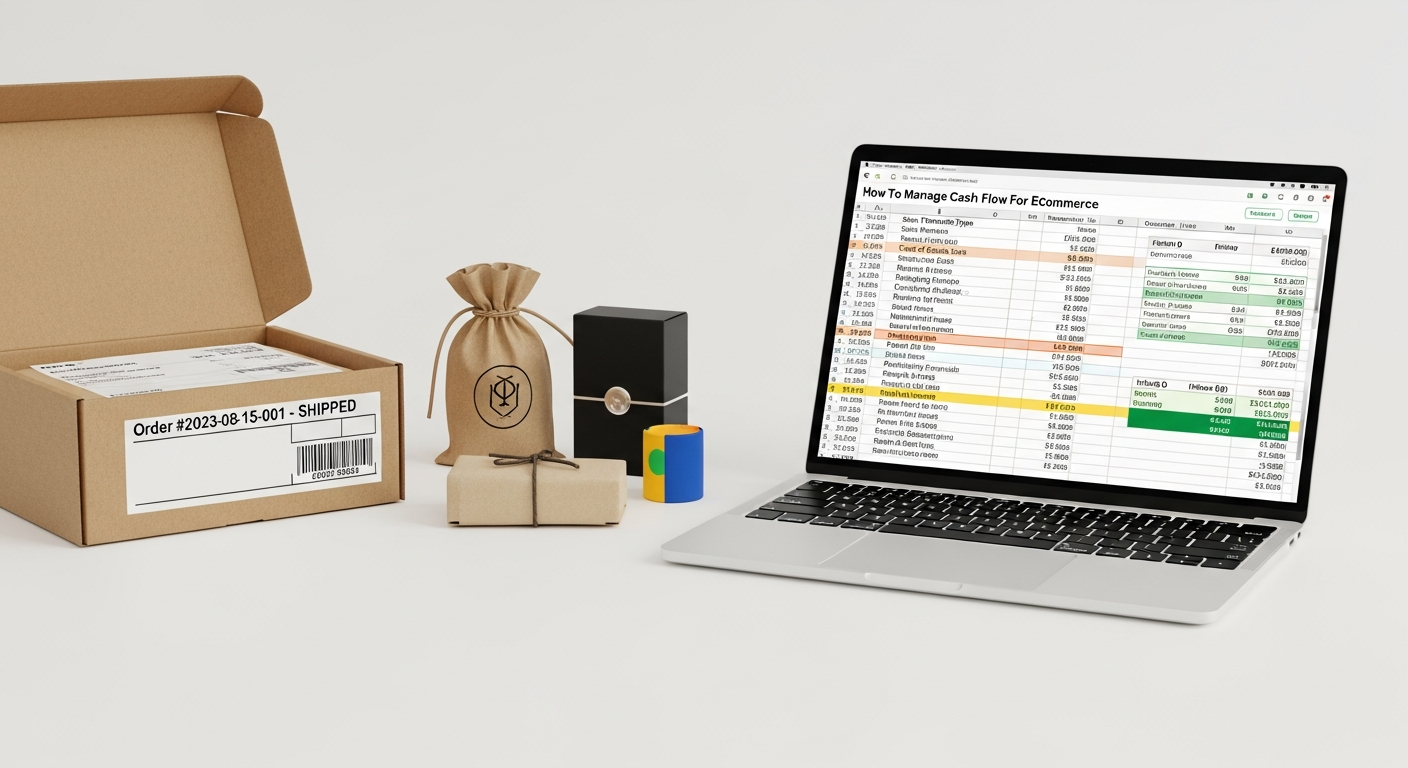
While boosting cash inflows is vital, an equally important aspect of robust cash flow management for ecommerce is meticulously controlling outflows. Minimizing unnecessary expenses and maximizing operational efficiency ensures that more of your incoming cash remains within the business, contributing to profitability and liquidity. Here’s how to effectively manage your spending.
1. Optimize Inventory Management
- Just-In-Time (JIT) Inventory: Whenever possible, adopt a JIT approach where inventory is ordered and received only when needed for production or sale. This minimizes the amount of cash tied up in warehousing and reduces the risk of obsolete stock.
- Dropshipping: For certain product lines, dropshipping can eliminate inventory holding costs entirely, as products are shipped directly from the supplier to the customer. This significantly reduces capital outlay for inventory, making it an excellent strategy for new businesses or for testing new products.
- Accurate Forecasting: Utilize sales data, market trends, and seasonality to forecast demand accurately. Over-ordering leads to excess inventory and storage costs, while under-ordering can lead to lost sales. Invest in inventory management software to aid in this process.
- Supplier Relationship Management: Negotiate favorable payment terms with suppliers. If you can extend payment terms (e.g., Net 30, Net 60), you effectively gain interest-free financing, allowing you to sell inventory and collect cash before you have to pay for it.
- Bulk Purchase Discounts (with caution): While bulk purchasing can reduce per-unit costs, ensure the savings outweigh the cost of holding excess inventory and the risk of obsolescence. Only buy in bulk for fast-moving, consistent sellers.
2. Streamline Operating Expenses
- Software Audits: Regularly review all your software subscriptions. Are you using every tool to its full potential? Are there redundant services? Can you downgrade plans or find more cost-effective alternatives?
- Negotiate Vendor Contracts: Don’t be afraid to renegotiate terms with your shipping carriers, packaging suppliers, payment processors, and other service providers. Loyalty can sometimes be rewarded with better rates.
- Outsource Strategically: Consider outsourcing non-core functions like customer service, accounting, or social media management if it proves more cost-effective than hiring full-time staff.
- Energy Efficiency: If you operate a physical warehouse or office, look for ways to reduce utility costs through energy-efficient lighting, heating, and cooling.
- Remote Work: Leveraging a remote workforce can significantly reduce office space costs, utilities, and other associated overheads.
3. Manage Shipping and Fulfillment Costs
- Optimize Packaging: Use the smallest, lightest packaging possible that still protects your products. Smaller dimensions and lighter weights directly translate to lower shipping costs.
- Multiple Shipping Carriers: Don’t rely on just one carrier. Compare rates and services to find the most cost-effective option for different package sizes, weights, and destinations.
- Shipping Discounts: Negotiate volume discounts with carriers if your shipping volume is substantial.
- Fulfillment Strategy: Evaluate whether in-house fulfillment, 3PL, or a hybrid model is most cost-effective for your current scale. As you grow, outsourcing fulfillment might become more efficient.
4. Minimize Impact of Returns and Refunds
- Clear Product Descriptions and Images: Reduce returns by accurately representing products online. High-quality images, detailed descriptions, size guides, and customer reviews help set realistic expectations.
- Effective Ecommerce Return Policy Best Practices: Implement a clear, fair, and easy-to-understand return policy. While aiming for customer satisfaction, a well-defined policy can deter fraudulent returns and manage customer expectations, minimizing the financial impact of returns on your cash flow. For example, charging for return shipping (if appropriate for your product/market) can offset some costs.
- Quality Control: Ensure products are high quality and defect-free before shipping to minimize returns due to damage or faulty items.
5. Strategic Marketing Spend
- Track ROAS Rigorously: Continuously monitor the Return on Ad Spend (ROAS) for all marketing campaigns. Cut underperforming campaigns and reallocate budget to those that deliver the best results.
- Focus on High-ROI Channels: Prioritize marketing efforts in channels that consistently bring in quality traffic and conversions.
- Organic Growth: Invest in SEO and content marketing over the long term, as these channels can provide sustainable, cost-effective traffic without ongoing ad spend.
By rigorously applying these strategies, ecommerce businesses can gain significant control over their cash outflows, ensuring that every dollar spent is an investment rather than an expense. This meticulous approach to cost management is indispensable for answering how to manage cash flow for ecommerce and for maintaining a healthy financial trajectory.
Advanced Tools and Techniques for Proactive Cash Flow Management
To truly master how to manage cash flow for ecommerce, businesses must move beyond reactive measures and embrace proactive strategies supported by advanced tools and techniques. These solutions provide deeper insights, automate processes, and enable forward-looking financial planning.
1. Robust Accounting Software Integration
- Cloud-Based Solutions: Utilize platforms like QuickBooks Online, Xero, or FreshBooks. These tools integrate seamlessly with most ecommerce platforms (Shopify, WooCommerce, BigCommerce), payment gateways, and banks, automating data entry and reconciliation.
- Real-Time Data: Cloud accounting software provides real-time visibility into your financial position, allowing you to see current cash balances, outstanding invoices, and upcoming bills at a glance.
- Automated Reporting: Generate automated cash flow statements, profit and loss reports, and balance sheets. This saves time and provides consistent, accurate financial insights without manual effort.
2. Specialized Cash Flow Forecasting Tools
- Dedicated Forecasting Software: Beyond basic accounting, consider specialized cash flow forecasting tools (e.g., Float, CashAnalytics, Dryrun). These tools allow you to model various scenarios, project future cash balances based on anticipated revenues and expenses, and identify potential shortfalls before they occur.
- Scenario Planning: Use these tools to run “what-if” scenarios. What if sales drop by 10%? What if a major supplier delays a shipment? What if you launch a new product that requires a large upfront inventory investment? This helps prepare for different market conditions.
- Integration with Budgets: Link your cash flow forecasts directly to your annual or quarterly budgets. This ensures that your spending plans are realistic and aligned with your projected cash availability.
3. Financial Dashboards and Analytics
- Custom Dashboards: Create personalized dashboards using tools like Google Data Studio, Power BI, or even advanced Excel/Google Sheets. Pull data from your ecommerce platform, accounting software, payment gateways, and marketing tools.
- Key Performance Indicators (KPIs): Monitor crucial cash flow KPIs such as:
- Cash Conversion Cycle (CCC): Measures the time it takes for an investment in inventory to be converted into cash. A shorter CCC is better.
- Operating Cash Flow: Cash generated from normal business operations.
- Runway: How many months your business can survive on its current cash reserves without additional income.
- Days Sales Outstanding (DSO): Although less common in direct-to-consumer ecommerce, it’s relevant if you have wholesale accounts.
- Gross Margin: Crucial for ensuring that sales are generating enough cash after COGS.
- Data Visualization: Present complex financial data in easy-to-understand charts and graphs, making it simpler to identify trends, opportunities, and potential problems.
4. Automation and Process Optimization
- Automated Bill Pay: Set up automated payments for recurring expenses (software subscriptions, rent, utility bills) to ensure timely payments and avoid late fees.
- Invoice Automation: While less common for direct-to-consumer ecommerce, if you have B2B sales or wholesale accounts, automate invoicing and payment reminders to accelerate collections.
- Inventory Reorder Automation: Use inventory management systems that automatically trigger reorders when stock levels hit a predefined threshold, optimizing inventory levels and reducing manual effort.
5. Strategic Use of Credit and Financing
- Line of Credit: Establish a business line of credit before you desperately need it. It acts as an emergency fund for short-term cash flow gaps or unexpected opportunities, offering flexibility.
- Invoice Factoring/Financing: If you have B2B sales with long payment terms, consider invoice factoring to get immediate cash for outstanding invoices (though it comes with a fee).
- SBA Loans/Other Business Loans: For larger capital injections required for significant inventory purchases or expansion, explore long-term loans. Understand the repayment schedule and its impact on your future cash outflows.
By embracing these advanced tools and techniques, ecommerce businesses can transform their cash flow management from a reactive chore into a strategic advantage. Proactive monitoring, accurate forecasting, and data-driven decision-making are essential elements of how to manage cash flow for ecommerce effectively, enabling sustainable growth and resilience against market fluctuations.
Preparing for Growth: Cash Flow Considerations for Scaling Your Ecommerce Business
Scaling an ecommerce business is an exciting prospect, but it often brings significant cash flow challenges. Rapid growth can put immense strain on resources, requiring substantial upfront investment before increased revenue fully materializes. For those wondering How To Start Ecommerce Business 2026 and aiming for future expansion, understanding these cash flow dynamics from day one is paramount. Here’s what to consider when preparing your cash flow for growth:
1. Strategic Inventory Planning for Expansion
- Increased Inventory Investment: As you scale, you’ll need to purchase larger quantities of inventory to meet growing demand. This ties up more capital. Accurate forecasting becomes even more critical to avoid both stockouts (lost sales) and overstocking (tied-up cash).
- Warehouse Space and Logistics: Growth often necessitates larger storage facilities or an expansion of your 3PL partnership. These come with increased rent, utilities, and fulfillment costs, which are significant cash outflows.
- Diversification of Suppliers: Relying on a single supplier for high-volume products can be risky. Diversifying suppliers can improve resilience but may require managing more complex payment terms and logistics, impacting cash flow.
2. Investing in Infrastructure and Technology
- Platform Upgrades: Your current ecommerce platform might not handle the increased traffic and transaction volume of a scaling business. Upgrading to a more robust plan or migrating to a more scalable platform can involve significant upfront costs and ongoing subscription fees.
- Automated Systems: To handle increased order volumes efficiently, invest in automation tools for order processing, customer service, marketing, and accounting. While these tools save labor costs in the long run, they represent initial cash outflows.
- Data Analytics and Business Intelligence: As your data grows, advanced analytics tools become crucial for making informed decisions. Budget for these subscriptions or custom development.
3. Scaling Marketing and Customer Acquisition
- Higher Ad Spend: To reach a broader audience and drive more sales, your marketing budget will likely need to increase significantly. This often means higher upfront cash outflows for PPC, social media ads, and other paid channels.
- Team Expansion: You might need to hire more marketing specialists, content creators, or customer service representatives to manage increased volume. Salaries and benefits are major recurring cash outflows.
- Building Brand Awareness: Investing in public relations, influencer marketing, and brand-building campaigns is essential for long-term growth, but these efforts often have delayed returns on investment, requiring careful cash flow planning. Remember, a successful Referral Marketing Program Ecommerce can help mitigate some of these costs by generating organic growth at a lower CAC, but it still requires initial setup and management.
4. Preparing for Increased Operating Costs
- Customer Service: More customers mean more inquiries, returns, and support requests. Scaling your customer service team or investing in robust helpdesk software is necessary.
- Returns Management: With higher sales volume, the absolute number of returns will also increase. Ensure your Ecommerce Return Policy Best Practices are robust enough to handle this without crippling your cash flow. Consider the costs associated with return shipping, restocking, and potential loss of goods.
- Legal and Compliance: As your business grows, so do your legal and compliance requirements, especially if expanding internationally. Budget for legal fees and compliance software.
5. Securing Growth Capital
- Business Loans and Lines of Credit: Establish relationships with lenders early. A healthy cash flow history and solid financial projections will be crucial for securing favorable terms when you need capital for expansion.
- Equity Financing: For very rapid growth, you might consider bringing on investors. While this injects significant cash, it also means giving up a portion of ownership.
- Reinvesting Profits: A strong cash flow management strategy allows you to retain more earnings, which can then be reinvested back into the business to fund growth organically, reducing reliance on external financing.
For any entrepreneur planning how to manage cash flow for ecommerce, especially with an eye towards future scaling, the key is proactive planning and continuous monitoring. A detailed cash flow forecast that accounts for growth-related expenses and staggered revenue increases is indispensable. Understanding that growth consumes cash before it generates it allows businesses to prepare adequately, secure necessary funding, and navigate the exciting, yet challenging, journey of expansion without falling into liquidity traps.
Frequently Asked Questions
Recommended Resources
Related reading: How To Do A Content Audit (Page Release).
Learn more about this topic in How To Build An Emergency Fund at Fin3go.
