
The Foundation: Why Amazon Listing Optimization is Non-Negotiable for E-commerce Success
The digital shelf space on Amazon is a goldmine, but only for those who know how to claim it effectively. With millions of products vying for attention, an unoptimized listing is akin to a beautifully designed store hidden in an obscure alleyway – nobody knows it exists. For any business operating in e-commerce, particularly on Amazon, optimization is the cornerstone of visibility and sales. It’s about more than just filling out fields; it’s about strategically positioning your product to be found by the right customers at the right time, and then convincing them to click “Add to Cart.”
Amazon’s search algorithm, often referred to as A10 (an evolution of the earlier A9), is constantly evaluating product listings to determine their relevance and potential to convert. This algorithm considers a multitude of factors, including keyword relevance, sales velocity, customer reviews, image quality, and pricing. Ignoring these signals means missing out on organic traffic, which is arguably the most valuable traffic source on the platform. Think of it this way: if you’re planning to How To Start Ecommerce Business 2026, one of your earliest and most critical investments will be in understanding and implementing these optimization techniques.
Beyond algorithmic visibility, optimization is crucial for converting browsers into buyers. A listing that clearly communicates value, answers potential questions, and inspires confidence will invariably outperform one that is sparse or confusing. In an era where customer attention spans are shorter than ever, and trust is paramount, your listing must be an immediate source of clarity and persuasion. Poorly optimized listings lead to low click-through rates (CTR) from search results, high bounce rates (customers leaving your page quickly), and ultimately, lost sales. Conversely, a well-optimized listing fosters a positive customer experience, which in turn leads to better reviews, repeat purchases, and a stronger brand presence, laying a solid foundation for sustainable growth in the e-commerce world of 2026 and beyond.
Master Keyword Research: Unlocking Visibility and Targeted Traffic
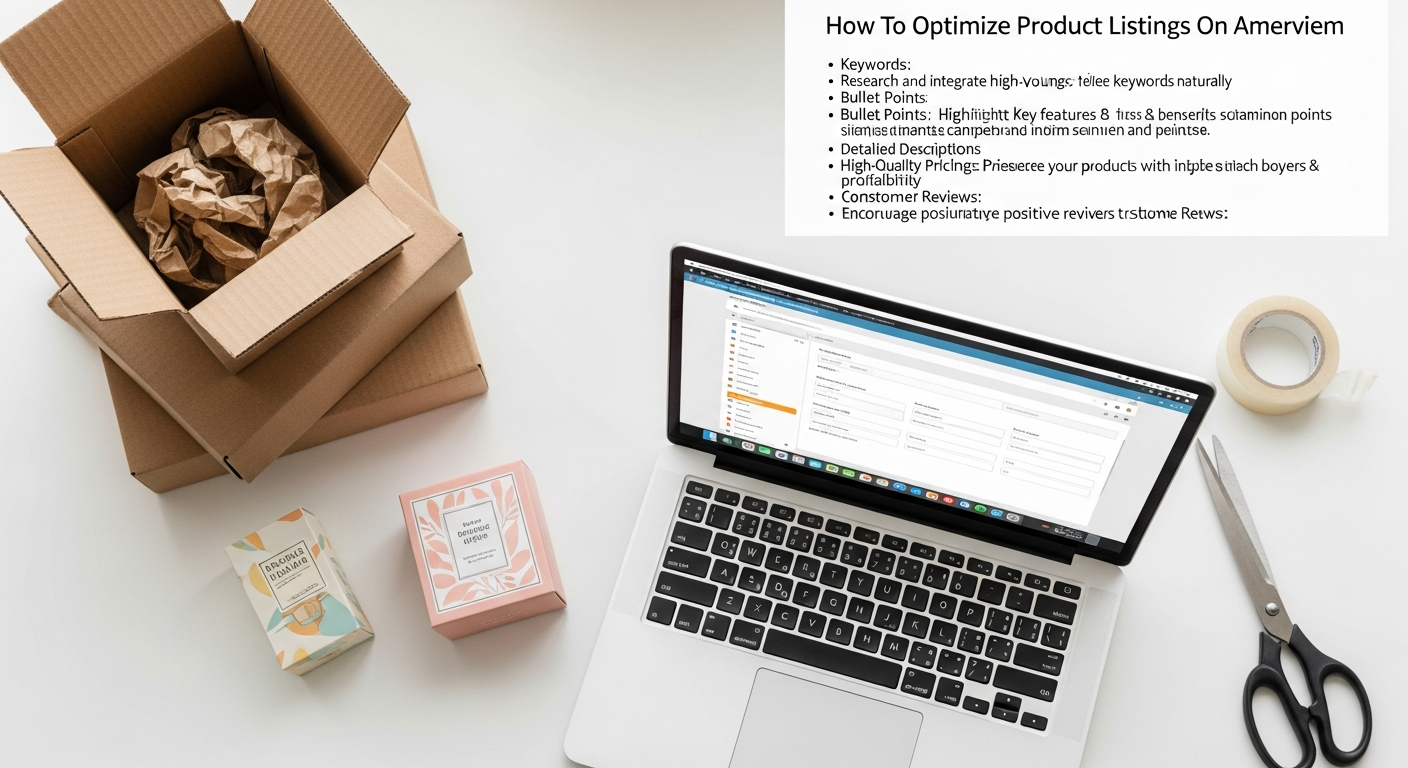
At the heart of any successful Amazon listing optimization strategy lies meticulous keyword research. Keywords are the bridge connecting what customers search for with what your product offers. Without the right keywords, even the most innovative product will remain undiscovered. Effective keyword research isn’t just about finding popular terms; it’s about identifying relevant, high-converting keywords that accurately describe your product and align with customer intent.
Understanding Customer Search Behavior
Begin by thinking like your customer. What terms would they use to find your product? Consider both broad and specific terms. For instance, if you sell a “rechargeable portable mini-fan,” customers might search for “small fan,” “desk fan,” “portable fan,” “USB fan,” or even “fan for camping.” Each of these represents a different facet of customer intent.
Leveraging Amazon’s Own Tools
The Amazon search bar itself is a powerful, free keyword research tool. As you start typing a product idea, Amazon’s autocomplete suggestions reveal popular search terms. Pay attention to these suggestions and note down relevant ones. Additionally, look at “Frequently bought together” and “Customers who bought this item also bought” sections on competitor listings for related product ideas and keywords.
Competitor Analysis
Analyze your top-performing competitors’ listings. What keywords are they using in their titles, bullet points, and descriptions? While you shouldn’t directly copy, their strategies can provide valuable insights into what’s working in your niche. Tools like Helium 10, Jungle Scout, or Viral Launch can help you reverse-engineer competitor keyword strategies by showing you which keywords drive traffic to their listings.
Third-Party Keyword Research Tools
Investing in specialized Amazon keyword research tools can significantly enhance your efforts. These tools offer features like:
- Keyword Volume: Estimating how many times a keyword is searched per month.
- Competitor Keyword Tracking: Showing keywords your competitors rank for.
- Long-Tail Keywords: Identifying more specific, less competitive phrases that often have higher conversion rates.
- Related Keywords: Suggesting variations and synonyms.
Utilize these tools to build a comprehensive list of primary and secondary keywords.
Strategic Keyword Placement
Once you have your keyword list, strategically integrate them into your listing:
- Product Title: Your most important keywords should be here.
- Bullet Points: Naturally weave in secondary keywords and variations.
- Product Description: Use keywords throughout, focusing on readability and context.
- Backend Search Terms: A hidden section in Seller Central where you can input additional keywords that don’t fit naturally into the visible parts of your listing. This is an excellent place for synonyms, misspellings, and competitor terms (used carefully and ethically).
Remember, keyword stuffing (overloading your listing with keywords) is detrimental. Amazon’s algorithm prioritizes natural language and a good customer experience. Focus on relevance and readability first, and keyword density second.
Crafting Compelling Product Titles: Your First Impression is Everything
Adhering to Amazon’s Guidelines
Amazon has specific guidelines for product titles, which can vary slightly by category. Generally, titles should be concise, informative, and avoid promotional language like “best seller” or “free shipping.” While character limits can vary (often up to 200 characters), shorter, impactful titles often perform better, especially on mobile devices.
The Optimal Title Structure
A highly effective Amazon product title typically follows a structured format that prioritizes key information:
[Brand Name] + [Key Feature 1] + [Product Name/Type] + [Key Feature 2] + [Color/Size/Quantity (if applicable)]
Let’s break this down with an example:
- Poor Title: “Great Coffee Mug”
- Good Title: “E-ComProfits Ceramic Coffee Mug – 15oz – Double Walled Insulated – Dishwasher Safe – Black”
In the good example:
- Brand Name: “E-ComProfits” immediately identifies the seller.
- Key Feature 1: “Ceramic” specifies the material.
- Product Name/Type: “Coffee Mug” is the core keyword.
- Key Feature 2: “15oz – Double Walled Insulated – Dishwasher Safe” highlights unique selling propositions and benefits.
- Color/Size: “Black” provides a specific attribute.
Key Considerations for Title Optimization
- Primary Keywords First: Place your most important and relevant keywords as close to the beginning of the title as possible. This is crucial for both Amazon’s algorithm and customer scanning.
- Highlight Unique Selling Propositions (USPs): What makes your product stand out? Is it a unique feature, a specific material, or a particular benefit? Integrate these concisely.
- Be Specific and Accurate: Avoid vague language. Clearly state what the product is and its essential attributes (size, color, material, quantity).
- Readability vs. Keyword Density: While keywords are vital, the title must still be readable and make sense to a human. Don’t stuff keywords to the point of incoherence.
- Consider Mobile Users: A significant portion of Amazon traffic comes from mobile devices, where titles are often truncated. Ensure the most critical information is visible within the first 60-80 characters.
Regularly review and test your titles. A/B testing different title variations can provide valuable data on what resonates best with your target audience, ultimately driving higher click-through rates and improving your overall conversion performance.
Bullet Points and Product Description: Highlighting Value and Benefits

Once a customer clicks on your product title, their next points of engagement are typically the bullet points and the product description. These sections are your opportunity to elaborate on your product’s features and, more importantly, translate those features into tangible benefits for the customer. This is where you truly sell your product and differentiate it from the competition.
Crafting Impactful Bullet Points
Amazon allows for five bullet points, positioned prominently near your product images. These are often the first detailed information a customer will read, so they need to be concise, compelling, and scannable.
- Focus on Benefits, Not Just Features: Instead of saying “Made with stainless steel,” say “Durable Stainless Steel Construction – Ensures years of rust-free use and maintains beverage temperature.” Always ask, “So what?” about each feature.
- Lead with a Strong Keyword or Benefit: Start each bullet point with a bolded, impactful phrase or keyword that immediately grabs attention.
- Use All Five Bullet Points: Maximize this valuable space. Each bullet should highlight a distinct aspect of your product.
- Incorporate Secondary Keywords: Naturally weave in relevant keywords that didn’t fit into your title.
- Address Customer Pain Points: Think about common problems your product solves or questions customers might have. For example, if selling a portable charger: “Never Run Out of Power Again – High-capacity battery provides multiple charges for your smartphone on the go.”
- Keep it Concise and Scannable: Use short sentences, clear language, and avoid jargon. People scan bullet points, they don’t read them like a novel.
- Proofread Carefully: Typos and grammatical errors erode trust.
Writing an Engaging Product Description
The product description, while further down the page, is your chance to tell a more complete story about your product. For brands enrolled in Amazon’s Brand Registry, this is where A+ Content (Enhanced Brand Content) comes into play, offering a much richer visual and textual experience. For those without A+ Content, you’ll be working with plain text, but you can still make it impactful.
- Tell a Story and Elaborate on Benefits: Go beyond the bullet points. Explain who the product is for, how it can improve their life, and the unique problems it solves. Use vivid language.
- Reinforce Keywords Naturally: Sprinkle your primary and secondary keywords throughout the description, ensuring the text remains natural and readable. Don’t keyword stuff.
- Use Formatting for Readability (Basic HTML): Even in plain text descriptions, you can use basic HTML tags like
<strong>for bolding and<br>for line breaks to improve readability and break up large blocks of text. - Address Common Questions and Concerns: Anticipate what customers might want to know and provide answers. This can reduce customer service inquiries and prevent negative reviews.
- Include a Call to Action (Soft): Gently encourage purchase or suggest complementary products. This is also an excellent place to consider strategies to Increase Average Order Value Ecommerce by subtly mentioning how your product pairs with others you offer. For example, “Pair with our [Related Product] for the ultimate [Benefit].”
- Mention Brand Story/Mission (if applicable): If your brand has a compelling story or a mission, the description is a great place to share it, building trust and connection with customers.
A well-crafted product description, especially when combined with powerful bullet points, not only informs but also persuades, making the customer feel confident in their purchase decision. This comprehensive approach to highlighting value is critical for converting interest into sales, and it’s a fundamental aspect of any successful e-commerce strategy as we head into 2026.
Visual Excellence: Product Images and Video are Non-Negotiable
In the digital realm, visuals are paramount. Customers cannot physically touch or inspect your product, so your images and videos must do the heavy lifting of showcasing quality, features, and benefits. High-quality visuals are not just aesthetically pleasing; they are critical for building trust, reducing returns, and significantly boosting conversion rates. As e-commerce evolves towards 2026, the demand for immersive and detailed visual content will only grow.
The Power of Product Images
Amazon allows for multiple product images, and you should utilize every slot available to provide a comprehensive view of your item. Each image should serve a specific purpose:
- Main Image (Hero Shot): This is the most crucial image.
- Requirements: It must have a pure white background (RGB 255, 255, 255), show only the product for sale, and the product should fill 85% or more of the image frame.
- Purpose: To clearly show what the product is, without distractions. It’s what customers see in search results.
- Quality: Professional, high-resolution (at least 1000px on the longest side for zoom functionality), and well-lit.
- Lifestyle Images: Show your product in use, in a real-world setting.
- Purpose: Helps customers visualize themselves using the product and understand its scale and context.
- Emotional Connection: These images evoke emotion and demonstrate the benefits in a tangible way.
- Infographic Images: Combine images with text overlays to highlight key features, dimensions, or benefits.
- Purpose: To quickly convey complex information, address common questions, or compare features.
- Clarity: Use clear fonts, minimal text, and easily understandable icons.
- Scale Images: Show the product next to a common object or a person to give a clear sense of its size.
- Purpose: Reduces uncertainty about size, which can prevent returns due to “item not as described.”
- Feature/Benefit Callouts: Close-up shots highlighting specific details, materials, or unique selling points.
- Packaging Image: Show what the customer will receive upon delivery, especially if packaging is part of the brand experience.
General Image Best Practices:
- Use high-resolution images that allow for Amazon’s zoom feature.
- Ensure consistent branding and lighting across all images.
- Obtain professional photography; amateur photos significantly undermine trust.
- Test different image orders to see what performs best.
The Impact of Product Videos
For brands registered with Amazon’s Brand Registry, the ability to add product videos is a game-changer. Videos offer an even more immersive experience, allowing customers to see the product in motion, hear it (if applicable), and get a full sense of its functionality and benefits.
- Demonstrate Usage: Show how the product works, especially for complex items.
- Highlight Key Features: Zoom in on important details that might be missed in static images.
- Address Pain Points: Show how the product solves a specific problem.
- Build Trust: A well-produced video adds a layer of professionalism and authenticity.
- Tell Your Brand Story: Use video to convey your brand’s mission or values.
Videos can significantly boost conversion rates and reduce customer returns by providing a clearer understanding of the product. They are a powerful tool for differentiation in a crowded marketplace. Investing in professional photography and videography is not an expense, but an investment that yields substantial returns in customer engagement and sales, proving essential for any business aiming to thrive in e-commerce by 2026.
Backend Search Terms & Hidden Goldmines for Amazon SEO
While visible elements like titles, bullet points, and descriptions are crucial for both Amazon’s algorithm and customer engagement, there’s a powerful, often underutilized, section in Seller Central: the backend search terms. These are keywords that you input that are invisible to customers but are indexed by Amazon’s algorithm, helping your product appear in relevant search results. They are a true hidden goldmine for expanding your product’s reach without cluttering your visible listing copy.
What are Backend Search Terms?
Located in the “Keywords” tab under the “Offer” or “Details” section when editing a product in Seller Central, backend search terms allow you to provide additional keywords that customers might use to find your product. Think of them as supplemental keywords that enhance your product’s discoverability.
Why Are They So Important?
- Expand Reach: They allow you to target keywords that might not fit naturally into your title or bullet points due to character limits or readability concerns.
- Catch Synonyms and Variations: Customers use a wide array of terms. This is where you can include synonyms, related terms, and alternative phrasing for your product.
- Address Misspellings: While Amazon is often good at correcting common misspellings, including popular ones can capture traffic from customers who make typos.
- Target Competitor Terms (Carefully): You can (ethically) include terms related to competitors’ products if they are relevant to your own, helping you appear in searches where customers are looking for alternatives. However, avoid brand names directly unless your product is explicitly compatible or an accessory for that brand’s product.
- Prevent Keyword Stuffing in Visible Content: By using backend terms, you can keep your visible listing copy clean, customer-friendly, and free from keyword repetition, which improves conversion rates.
How to Optimize Your Backend Search Terms
- Character Limit: Amazon typically provides a character limit (e.g., 250 bytes, which is roughly 250 characters for most English words) for the entire backend search terms field. Use it wisely.
- Avoid Repetition: Do not repeat keywords already used in your title, bullet points, or product description. Amazon’s algorithm is smart enough to index those. Every character in the backend should be a unique, relevant keyword.
- Use Single Spaces: Separate keywords with a single space. Commas are unnecessary and consume valuable character count.
- No Punctuation: Avoid commas, semicolons, periods, etc.
- No Stop Words: Words like “a,” “an,” “the,” “for,” “with” are generally ignored by Amazon’s algorithm, so don’t waste space on them.
- Use Singular and Plural: Include both singular and plural forms if there’s a significant difference in search volume or if one form is commonly misspelled as the other. For example, “knife” and “knives.”
- Think Broadly and Specifically: Include both broad terms (e.g., “kitchen tool”) and very specific terms (e.g., “stainless steel peeler ergonomic handle”).
- Consider Customer Intent: What problem does your product solve? What is its primary function? What are alternative names for it?
- Translate (if applicable): If selling in multi-lingual marketplaces, consider relevant terms in other languages if permitted and appropriate.
- Regular Review: Revisit your backend search terms periodically. Customer search trends change, and new keywords may emerge. Tools like Amazon Brand Analytics or third-party keyword tools can help identify new opportunities.
By strategically populating your backend search terms, you can significantly enhance your product’s discoverability on Amazon, ensuring that a wider range of relevant customer searches lead directly to your listing. This often overlooked area is a crucial component of a holistic Amazon SEO strategy, essential for increasing visibility and sales as the e-commerce landscape continues to evolve through 2026.
Reviews, Ratings, and Q&A: Building Trust and Social Proof
In the world of online shopping, social proof is king. Customer reviews, ratings, and the Q&A section are not just passive feedback; they are active, dynamic elements that profoundly influence purchasing decisions and Amazon’s search rankings. A strong collection of positive reviews builds immense trust and credibility, acting as powerful endorsements for your product and brand.
The Critical Role of Customer Reviews and Ratings
- Influence on Purchasing Decisions: Studies consistently show that the vast majority of online shoppers read reviews before making a purchase. Products with higher star ratings and more reviews are perceived as more trustworthy and desirable.
- Amazon Ranking Factor: Customer reviews and ratings are a significant factor in Amazon’s algorithm. Products with numerous positive reviews tend to rank higher in search results, increasing their visibility.
- Conversion Boost: A healthy volume of positive reviews directly correlates with higher conversion rates. They answer unspoken questions, alleviate concerns, and provide real-world perspectives.
- Feedback Loop: Reviews offer invaluable insights into what customers love (or dislike) about your product, guiding future product development and marketing efforts.
Strategies for Ethically Acquiring Reviews
Amazon has strict policies against incentivized reviews, so it’s crucial to obtain them ethically.
- Provide an Excellent Product and Service: This is the foundation. A great product and seamless customer experience naturally encourage positive feedback.
- Amazon’s Request a Review Button: In Seller Central, for each order, you can use the “Request a Review” button. This sends a standardized Amazon-approved email to the customer, asking for both product and seller feedback.
- Follow-up Emails (External): If you are capturing customer emails through your own website or other channels, you can send a polite follow-up email after purchase, asking for feedback. This is where an effective Email Marketing For Ecommerce Guide becomes vital, allowing you to nurture customer relationships and gently prompt reviews. Ensure these emails comply with Amazon’s communication guidelines if they refer to Amazon purchases.
- Product Inserts: Include a small, non-incentivized card in your product packaging that thanks the customer and politely asks them to leave a review if they are satisfied. Avoid language that specifically asks for a “positive” review.
- Enroll in Amazon Vine: For Brand Registered sellers, Amazon Vine invites trusted reviewers to receive free products and post unbiased reviews. While there is a fee, these are highly credible reviews.
Responding to Reviews
Engaging with reviews, both positive and negative, is crucial:
- Thank Positive Reviewers: A simple “Thank you for your feedback!” shows appreciation and active brand management.
- Address Negative Reviews Promptly and Professionally:
- Empathize with the customer’s experience.
- Apologize for any shortcomings.
- Offer a solution or direct them to customer service for resolution.
- Do not get defensive. A calm, problem-solving approach can turn a negative experience into a positive brand impression for future buyers.
- This demonstrates excellent customer service, which can mitigate the impact of a single negative review.
Monitoring and Utilizing Customer Q&A
The Customer Questions & Answers section is another vital source of social proof and information. Customers can ask questions, and anyone (including the seller and other customers) can answer.
- Monitor Regularly: Keep an eye on new questions. Aim to answer them promptly and accurately.
- Provide Authoritative Answers: As the seller, your answers hold significant weight. Use them to clarify product features, address common concerns, and provide additional value.
- Identify Content Gaps: Frequently asked questions often highlight areas where your product listing (title, bullet points, description, images) might be unclear or incomplete. Use these insights to further optimize your listing content.
- Proactive Answering: Sometimes, you can proactively answer questions you anticipate customers might have, even before they are asked, by integrating the answers into your product description or infographic images.
By actively managing and leveraging reviews, ratings, and the Q&A section, you not only enhance your product’s visibility and conversion rates but also build a robust foundation of trust and loyalty with your customer base. This holistic approach to social proof is indispensable for sustained growth and success in the evolving e-commerce landscape of 2026.
FAQ: Your Top Questions About Amazon Listing Optimization Answered
How often should I update my Amazon product listings?
While there’s no fixed schedule, you should aim to review and potentially update your Amazon product listings at least quarterly, or whenever there are significant changes. Key triggers for updates include:
- Changes in customer search trends or new popular keywords.
- Introduction of new product features or improvements.
- Seasonal changes or holiday promotions.
- New competitor strategies or product launches.
- Low sales performance or declining rankings, which indicate a need for optimization.
- New customer feedback or frequently asked questions that highlight gaps in your listing.
Regularly testing and refining your listings based on performance data is crucial for continuous improvement.
Can optimizing my Amazon listing help me increase my average order value (AOV)?
Absolutely! A well-optimized Amazon listing plays a significant role in helping you Increase Average Order Value Ecommerce. By clearly showcasing all product features and benefits, customers are more likely to understand the full value, making them open to higher-priced items or bundles. Strategies include:
- Highlighting Premium Features: Clearly articulate the advantages of a higher-tier product or a larger quantity.
- Suggesting Complementary Products: In your product description, bullet points, or A+ Content, subtly suggest other items that pair well with the current product (e.g., “Pairs perfectly with our [related product] for a complete solution”).
- Creating Bundles: Optimize listings for product bundles, clearly showing the combined value and convenience, encouraging customers to buy more at once.
- Strong Visuals: High-quality images and videos for premium products justify the higher price point.
By providing compelling reasons to buy more or buy better, your optimized listings can directly contribute to a higher AOV.
What is A+ Content (Enhanced Brand Content) and why is it important for optimization?
A+ Content, also known as Enhanced Brand Content (EBC), is a feature available to sellers who have registered their brand with Amazon’s Brand Registry. It allows brands to create visually rich and detailed product descriptions using enhanced images, text modules, and comparison charts. It’s incredibly important because:
- Increased Conversions: Visually appealing and informative content helps customers make purchase decisions, leading to higher conversion rates.
- Improved Brand Storytelling: Allows you to communicate your brand’s unique story, mission, and values, building deeper connections with customers.
- Better Differentiation: Helps your products stand out from competitors, especially those without A+ Content.
- Reduced Returns: Clearer, more comprehensive information can reduce customer confusion and subsequently lower return rates.
- Enhanced SEO: While the text within A+ Content isn’t directly indexed by Amazon’s algorithm for organic search on Amazon, it is indexed by external search engines like Google, which can drive external traffic.
It’s a powerful tool for brands aiming for advanced optimization and differentiation.
How do customer reviews affect my Amazon listing’s search ranking?
Customer reviews are a critical factor in Amazon’s search algorithm. Here’s how they impact your ranking:
- Relevance and Trust: Products with a high volume of positive, recent reviews are seen by Amazon as more relevant and trustworthy, leading to better visibility.
- Conversion Rate: Reviews significantly influence conversion rates. Since Amazon prioritizes products that convert well, a strong review profile directly contributes to higher rankings.
- Sales Velocity: Good reviews lead to more sales, and higher sales velocity signals to Amazon that your product is popular and desirable, boosting its ranking.
- Keyword Relevance: Customers often use keywords in their reviews, further reinforcing your product’s relevance for those terms in Amazon’s indexing.
Actively managing and ethically soliciting reviews is therefore an essential part of Amazon SEO and overall listing optimization, setting a precedent for success as you How To Start Ecommerce Business 2026.
What is the role of email marketing in optimizing my Amazon listings?
While Amazon tightly controls customer communication, Email Marketing For Ecommerce Guide principles can indirectly and powerfully support your Amazon listing optimization efforts:
- Driving External Traffic: Use email campaigns to direct your existing customer base or subscribers to your Amazon listings for new products or promotions. This can boost initial sales velocity, which helps Amazon’s algorithm.
- Review Generation (Indirectly): If you capture customer emails through your own website or other channels, you can send follow-up emails post-purchase (for purchases made outside Amazon or if you comply with Amazon’s policies for Amazon purchases) gently requesting product reviews.
- Customer Feedback: Email marketing can be used to gather feedback directly from customers, which can then be used to refine your product, improve your listing copy, or address common concerns.
- Building Brand Loyalty: Nurturing
Recommended Resources
Explore What Is Retargeting Advertising And How To Use It for additional insights.
Related reading: How To Start A Consulting Business (AssetBar).
