
The Print on Demand Revolution: Why 2026 is Your Year
The print on demand industry has undergone a remarkable transformation, moving from a niche service to a cornerstone of modern e-commerce. In 2026, this evolution continues at an accelerated pace, driven by technological advancements, shifting consumer behaviors, and an increasing demand for personalized products. The beauty of POD lies in its minimal upfront investment and inventory-free model, making it an exceptionally attractive entry point for entrepreneurs. You design, customers order, and your POD partner handles printing and shipping directly to the customer. This paradigm shift significantly reduces financial risk and operational complexity, allowing you to focus purely on design, marketing, and customer engagement.
The market in 2026 is ripe with opportunities. Consumers are increasingly seeking unique, expressive, and custom-made items, from apparel and home decor to accessories and digital art. The rise of social commerce, influencer marketing, and direct-to-consumer (DTC) brands has further amplified the demand for bespoke products that resonate on a personal level. Furthermore, advancements in printing technology mean higher quality products, faster fulfillment times, and a wider array of customizable items than ever before. Sustainable practices are also becoming a major selling point, with many POD companies now offering eco-friendly materials and ethical production methods, aligning with the values of the modern consumer. For those looking to enter the e-commerce space without the traditional headaches of inventory management and logistics, 2026 truly represents an opportune moment to dive into print on demand, leveraging its inherent flexibility and scalability to build a thriving online business.
Decoding the POD Business Model for 2026 Success
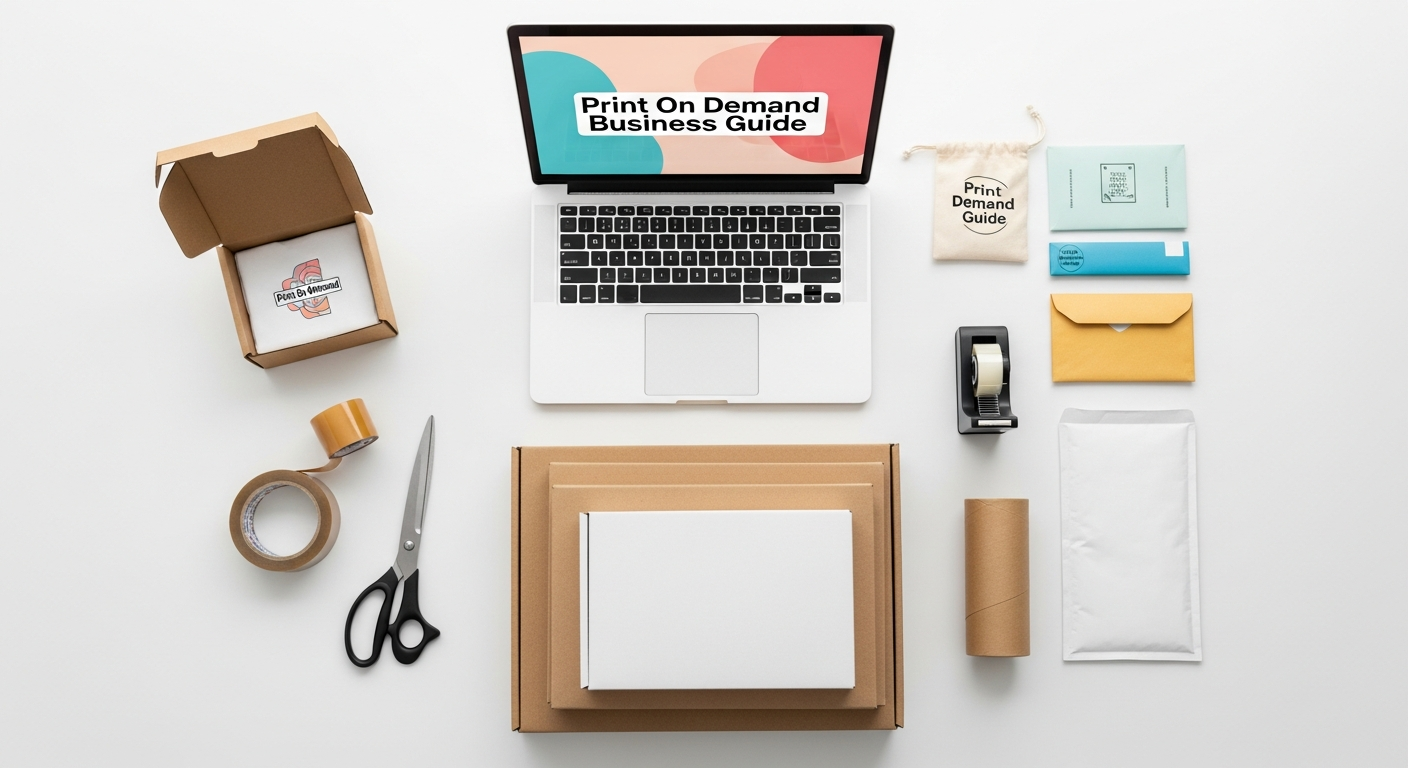
Understanding the core mechanics of the print on demand business model is fundamental to achieving success in 2026. At its heart, POD is a dropshipping variant, but with a crucial distinction: instead of reselling existing products, you’re selling custom-designed items that are manufactured only after a customer places an order. This “made-to-order” approach offers unparalleled advantages in the current market environment.
The process typically involves several key stages. First, you create unique designs or source them from talented artists. These designs are then uploaded to a chosen print on demand platform (e.g., Printful, Printify, Gelato, etc.). You integrate this platform with your e-commerce store, which could be built on platforms like Shopify, WooCommerce, or Etsy. When a customer purchases one of your designed products, the order is automatically sent to your POD partner. They then print the design onto the chosen blank product (t-shirt, mug, phone case, poster, etc.), package it, and ship it directly to your customer under your brand’s label. You pay the POD partner for the product and their fulfillment services, keeping the profit margin – the difference between your retail price and their base cost.
In 2026, the sophistication of POD platforms has reached new heights. Many now offer extensive product catalogs, advanced mock-up generators, seamless store integrations, and global fulfillment networks, allowing entrepreneurs to reach a worldwide audience with ease. The benefits are clear: zero inventory risk, no need for warehousing, minimal upfront capital, and the flexibility to experiment with countless designs and products. This model empowers creators and marketers to focus on what they do best – generating compelling ideas and connecting with target audiences – while the complexities of manufacturing and logistics are expertly handled by specialized partners. Leveraging these advanced capabilities will be key to distinguishing your POD business in a competitive 2026 market.
Your Step-by-Step Blueprint: How to Start a POD Business in 2026
Niche Identification & Market Research
The first and arguably most critical step is defining your niche. The POD market in 2026 is vast, so attempting to appeal to everyone is a recipe for failure. Instead, focus on a specific target audience with unique interests, passions, or pain points. Conduct thorough market research to identify trends, popular themes, and underserved segments. Look at trending topics on social media, analyze search engine data, explore popular Etsy shops, and observe what competitors are doing (and where they might be falling short). Consider niches like pet owners, specific hobbies (gamers, book lovers, gardeners), professional groups, social causes, humor, or even highly specific aesthetic movements. A well-defined niche allows for more targeted marketing, easier brand building, and a stronger connection with your potential customers. Don’t be afraid to go granular; “t-shirts for cat owners who love sci-fi” is often more effective than “t-shirts for cat owners.”
Design Creation & Sourcing
Once your niche is clear, it’s time for designs. Your designs are the heart of your POD business. They need to be unique, high-quality, and resonate deeply with your chosen audience. If you’re a designer yourself, fantastic! Leverage your skills. If not, don’t worry. You can utilize graphic design tools like Canva for simpler designs, or hire freelance designers from platforms like Upwork, Fiverr, or 99designs. Provide clear briefs, including your niche, target audience, brand aesthetic, and specific design requirements. Always ensure you have the commercial rights to any designs you use. In 2026, consider incorporating elements of current design trends, but always filter them through your unique brand lens to maintain originality. High-resolution files (typically PNG with transparent backgrounds) are essential for quality printing.
Choosing Your POD Partner (Platforms & Suppliers)
Selecting the right print on demand partner is paramount. This partner will be responsible for the quality of your products and the efficiency of your fulfillment. Key players in 2026 include Printful, Printify, Gelato, CustomCat, and SPOD. Evaluate them based on:
- Product Catalog: Do they offer a wide range of products relevant to your niche?
- Print Quality: Research reviews and order samples to verify quality.
- Pricing: Compare base costs to ensure healthy profit margins.
- Fulfillment Times: Faster shipping is a competitive advantage.
- Integrations: Does it seamlessly connect with your chosen e-commerce platform?
- Customer Service: Reliable support is crucial for resolving issues.
- Sustainability: If important to your brand, check their eco-friendly options.
Many entrepreneurs use multiple POD partners to access a wider range of products or leverage specialized printing techniques.
Building Your E-commerce Storefront
This is where your brand comes to life online. When considering How To Start Ecommerce Business 2026, your storefront is your digital shop window. Platforms like Shopify, WooCommerce (for WordPress users), and Etsy are popular choices for POD.
- Shopify: Offers robust features, scalability, and an extensive app store. It’s user-friendly but comes with a monthly subscription.
- WooCommerce: A free plugin for WordPress, offering immense flexibility and control, but requires more technical know-how.
- Etsy: Excellent for handcrafted or unique items, with a built-in audience, but less brand control than a standalone store.
Focus on creating an intuitive, visually appealing, and mobile-responsive store. High-quality mockups of your products are essential. Write compelling product descriptions that highlight benefits, materials, and unique selling points. Set up clear navigation, a secure checkout process, and transparent policies regarding shipping and returns. Your storefront is where customers make purchasing decisions, so invest time in making it professional and trustworthy.
Pricing Strategy & Profit Margins
- Cost-Plus Pricing: Calculate your total cost per item and add a desired profit margin.
- Value-Based Pricing: Price according to the perceived value of your unique designs and brand.
- Competitor-Based Pricing: Research what similar products are selling for in your niche.
Don’t be the cheapest; aim for perceived value. High-quality designs, excellent customer service, and a strong brand can justify higher prices. Always factor in potential discounts, promotions, and advertising costs when determining your final retail price to ensure sustainable profitability.
Marketing Your POD Business for Explosive Growth in 2026
Having great designs and a slick store isn’t enough; you need a robust marketing strategy to drive traffic and convert sales. In 2026, a multi-channel approach is crucial for cutting through the noise.
SEO & Content Marketing
Search Engine Optimization (SEO) is vital for long-term organic traffic. Research relevant keywords for your niche and incorporate them naturally into your product titles, descriptions, blog posts, and website content. For example, if you sell “vintage dog lover t-shirts,” ensure those keywords are present. Create blog content that appeals to your target audience – articles like “Top 5 Gifts for Dog Lovers” or “History of Vintage Dog Breeds” can attract organic traffic and build authority. High-quality, original content not only helps with SEO but also establishes your brand as an expert and builds trust with potential customers. Regularly update your store with fresh designs and content to signal to search engines that your site is active and relevant.
Social Media & Influencer Marketing
Social media is a powerful visual platform for POD. Identify where your target audience spends their time (Instagram, TikTok, Pinterest, Facebook, X). Create engaging content featuring your products: high-quality mockups, lifestyle photos, behind-the-scenes glimpses, and user-generated content. Run contests, polls, and interactive campaigns to boost engagement. Influencer marketing remains highly effective in 2026. Partner with micro-influencers or content creators in your niche who genuinely resonate with your brand. Their authentic recommendations can drive significant traffic and sales. Offer them free products or commission-based incentives for promoting your designs.
Leveraging Email Marketing
Building an email list is one of the most valuable assets for any e-commerce business. An effective Email Marketing For Ecommerce Guide emphasizes its power for direct communication and nurturing leads. Implement strategies to capture email addresses from your website visitors (pop-ups, exit-intent offers, newsletter sign-ups). Once you have a list, segment it based on purchase history, browsing behavior, or interests. Use email campaigns for:
- Welcome Series: Introduce your brand to new subscribers.
- Abandoned Cart Recovery: Remind customers about items left in their cart.
- Promotional Emails: Announce new designs, sales, and special offers.
- Nurture Campaigns: Share valuable content, brand stories, and behind-the-scenes insights.
- Post-Purchase Follow-ups: Solicit reviews and encourage repeat purchases.
Personalized and automated email sequences can significantly boost conversion rates and customer lifetime value, making email marketing indispensable for your POD business in 2026.
Paid Advertising Strategies
While organic methods are crucial, paid advertising can provide immediate visibility and scale.
- Facebook/Instagram Ads: Leverage their powerful targeting capabilities to reach specific demographics, interests, and behaviors. Use high-quality visuals and compelling ad copy.
- Google Shopping Ads: Ideal for product-based businesses, showing your products directly in Google search results.
- Pinterest Ads: Excellent for visually driven niches, targeting users actively looking for inspiration and products.
- Retargeting Ads: Show ads to people who have visited your website but haven’t purchased, reminding them of your products.
Start with a small budget, test different ad creatives and audiences, and optimize based on performance data. Paid ads, when managed effectively, can generate a strong return on investment for your POD business in 2026.
Scaling Your POD Business & Maximizing Profitability
Once your print on demand business is generating consistent sales, the next challenge is scaling efficiently and maximizing your profitability. This involves strategic expansion, enhanced customer experience, and operational refinement.
Product Diversification
Don’t limit yourself to just one product type. If t-shirts are your bread and butter, consider expanding into hoodies, mugs, phone cases, tote bags, posters, or even home decor items that align with your niche. This allows you to offer more value to existing customers and attract new ones. Similarly, explore new design collections or even sub-niches within your broader target audience. For instance, if you sell “cat lover” designs, you might diversify into “dog lover” or “exotic pet owner” designs. Continuously monitor trends and customer feedback to identify opportunities for expansion that resonate with your brand identity and audience.
Enhancing Customer Experience
In a competitive market like 2026, exceptional customer service is a significant differentiator. Respond promptly and professionally to inquiries, resolve issues efficiently, and go the extra mile to ensure customer satisfaction. This includes clear communication about shipping times, easy-to-understand return policies, and proactive updates on order status. Happy customers become repeat buyers and powerful brand advocates through word-of-mouth referrals and positive reviews. Consider personalized thank-you notes or small incentives for repeat purchases to foster loyalty. A positive customer experience builds trust and strengthens your brand’s reputation.
Strategies to Increase Average Order Value (AOV)
Boosting your average order value means customers spend more each time they purchase, directly increasing your revenue without needing more traffic. To Increase Average Order Value Ecommerce, implement several key strategies:
- Product Bundling: Offer complementary products together at a slight discount (e.g., a t-shirt and a matching mug).
- Upselling: Suggest a higher-priced, premium version of a product (e.g., a premium hoodie instead of a standard one) or a larger size of a print.
- Cross-selling: Recommend related items during the checkout process (e.g., “Customers who bought this t-shirt also bought this tote bag”).
- Minimum Order for Free Shipping: Set a threshold for free shipping that is slightly above your current average order value, incentivizing customers to add more items to their cart.
- Quantity Discounts: Offer a discount when customers purchase multiple units of the same item.
Implementing these tactics strategically can significantly impact your bottom line, allowing you to maximize the value of each customer interaction.
Operational Efficiency & Automation
As your business grows, manual tasks can become overwhelming. Look for opportunities to automate and streamline your operations.
- Automated Email Flows: Use marketing automation tools for welcome emails, abandoned cart reminders, and post-purchase follow-ups.
- Inventory Management: While POD doesn’t have physical inventory, track your best-selling designs and products to ensure your POD partners have those blank items readily available.
- Customer Service Tools: Implement chatbots for common FAQs or a helpdesk system to manage inquiries more efficiently.
- Accounting Software: Integrate your e-commerce platform with accounting software to simplify financial tracking.
By optimizing your workflow and leveraging automation, you can save time, reduce errors, and focus your energy on strategic growth initiatives, making your POD business more resilient and scalable for 2026 and beyond.
Future Trends & Staying Ahead in the POD Landscape
The print on demand industry is dynamic, constantly influenced by technological advancements, shifts in consumer preferences, and global economic factors. To maintain a competitive edge in 2026 and beyond, entrepreneurs must stay attuned to emerging trends and be willing to adapt.
One significant trend is the increasing demand for sustainability and ethical production. Consumers are becoming more conscious of the environmental and social impact of their purchases. POD businesses that partner with suppliers offering eco-friendly materials (organic cotton, recycled polyester), sustainable printing methods (water-based inks), and ethical labor practices will gain a considerable advantage. Highlighting these commitments in your marketing can resonate strongly with a growing segment of environmentally conscious buyers.
Hyper-personalization and customization will continue to evolve beyond simply adding a name. Expect to see more advanced tools that allow customers to significantly modify designs, choose specific color palettes, combine elements, or even upload their own photos for integration into sophisticated templates. Artificial intelligence (AI) will play a larger role in design generation, trend forecasting, and even assisting customers in creating unique products, making the design process more accessible and efficient for both sellers and buyers.
The integration of augmented reality (AR) in e-commerce is also on the horizon for POD. Imagine customers being able to “try on” a t-shirt design virtually or visualize how a custom wall art print would look in their living room before making a purchase. This enhances the shopping experience, reduces returns, and builds confidence in buying custom products online.
Furthermore, expect continued growth in global fulfillment networks. As POD platforms expand their reach, entrepreneurs will have easier access to international markets, reducing shipping times and costs for customers worldwide. This opens up immense opportunities for niche designs to find broader, global audiences.
Finally, the evolution of platform capabilities will simplify operations even further. Deeper integrations, more robust analytics, and AI-powered tools for pricing optimization, marketing automation, and customer service will become standard. Staying informed about these advancements and integrating them into your business strategy will be crucial for long-term success in the ever-evolving print on demand landscape of 2026.
Frequently Asked Questions
Recommended Resources
For more on print on demand, see Best Fintech Apps For Personal Finance on Fin3go.
You might also enjoy Best No Annual Fee Rewards Cards 2026 from Gold Points.
