The Unseen Shield: Why Manufacturing Brands Cannot Afford to Skip Business Insurance
For many e-commerce entrepreneurs, the journey often begins with a brilliant product idea, a compelling brand story, and a robust digital marketing strategy. However, for those who venture into manufacturing their own products – whether it’s handcrafted goods, custom electronics, apparel, or white-label solutions – the operational landscape shifts dramatically. You transition from being a reseller to a creator, carrying a new set of responsibilities and potential liabilities. Business insurance, often perceived as a tedious expense, is in fact the unseen shield that protects your manufacturing brand from unforeseen financial catastrophes.
Consider the delicate balance required for tips for growing a successful business. A significant part of that success lies in risk management and financial stability. Without adequate insurance, a single incident – a product defect, a workplace injury, or property damage – could wipe out years of profit, force you to liquidate assets, or even lead to bankruptcy. This isn’t an exaggeration; it’s a stark reality faced by countless businesses that underestimated the power of unforeseen events. For a manufacturing brand, where physical processes, machinery, and supply chains are integral, the exposure to risk is amplified.
The digital marketplace grants manufacturing brands unprecedented visibility and reach, but this also means that any mishap can quickly become a public relations crisis. A product recall, a customer injury due to a faulty item, or a major operational disruption can erode consumer trust and damage your brand’s reputation faster than you can launch a new marketing campaign. Insurance acts as a critical buffer, providing the financial resources to address these issues swiftly and professionally, often preventing minor incidents from escalating into existential threats. It allows you to operate with confidence, knowing that a safety net is in place, enabling you to focus on innovation, market expansion, and delivering exceptional products to your customers.
Ultimately, skipping business insurance isn’t a cost-saving strategy; it’s a high-stakes gamble with your company’s future. For manufacturing brands, where the stakes are inherently higher due to physical production, machinery, and tangible goods, a comprehensive insurance portfolio is not optional – it’s foundational to long-term survival and prosperity in the competitive e-commerce arena.
Navigating the Labyrinth of Risks: What Manufacturers Face Daily
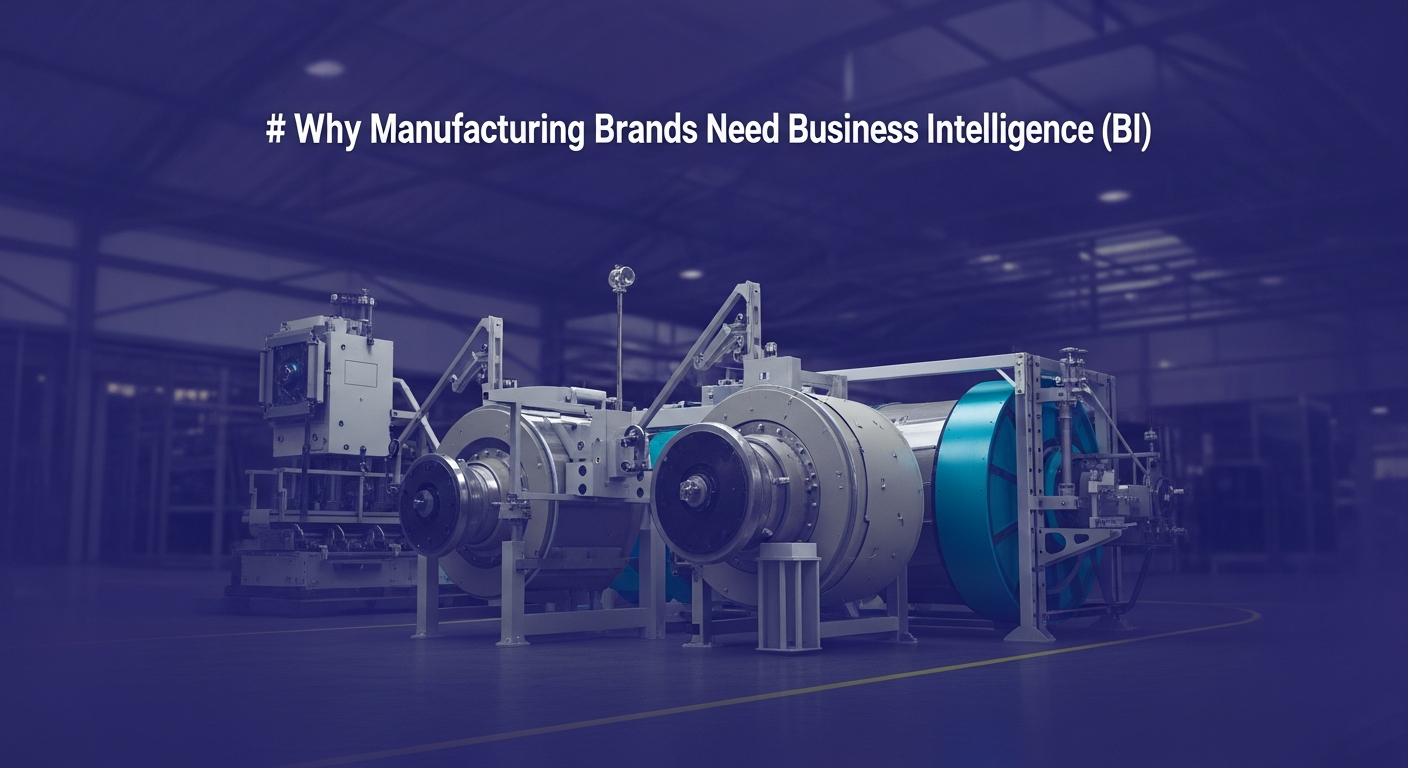
The manufacturing process, by its very nature, is a complex dance of materials, machinery, and human effort. Each component, while essential, introduces a potential point of failure or liability. For manufacturing brands selling online, understanding these specific risks is the first step towards building a resilient and insurable business. Here’s a breakdown of the common perils that manufacturers navigate daily:
- Product Liability: This is arguably the most significant risk for any manufacturer. If a product you design, manufacture, or sell causes injury, illness, or property damage to a consumer or third party, you can be held liable. This includes defects in design, manufacturing flaws, or inadequate warnings and instructions. A faulty battery in an electronic device, a contaminated ingredient in a food product, or a structural weakness in a piece of furniture can lead to devastating lawsuits, regardless of how robust your quality control seems.
- Property Damage and Loss: Manufacturing operations rely on physical assets – factories, workshops, machinery, raw materials, and finished inventory. These assets are vulnerable to a myriad of perils, including fires, floods, severe weather events, vandalism, and theft. A single fire could destroy your entire production line and inventory, bringing your business to a standstill and incurring monumental rebuilding and replacement costs.
- Operational Disruptions and Business Interruption: Beyond direct property damage, events like natural disasters, power outages, supply chain breakdowns, or even a critical piece of machinery failing can halt production. The resulting loss of income, continued operating expenses (like payroll), and potential loss of market share can be crippling.
- Worker Injuries and Illnesses: Manufacturing environments often involve heavy machinery, repetitive tasks, and exposure to various materials. Despite stringent safety protocols, accidents can and do happen. Employees might suffer cuts, sprains, falls, or develop occupational illnesses. Workers’ compensation laws mandate that employers provide benefits for lost wages and medical expenses for work-related injuries, making this a non-negotiable area of risk.
- Cyber Risks and Data Breaches: While manufacturing might seem less susceptible to cyber threats than purely digital businesses, this is a dangerous misconception. Modern manufacturing heavily relies on integrated IT systems for inventory management, production scheduling, customer data, and sales processing. A ransomware attack can shut down your operations, a data breach can expose sensitive customer information, and intellectual property theft can compromise your competitive edge.
- Supply Chain Vulnerabilities: Your manufacturing brand is only as strong as its weakest link in the supply chain. Geopolitical events, natural disasters, supplier bankruptcy, or quality control issues from a third-party vendor can disrupt your access to raw materials or components, leading to production delays, increased costs, and unfulfilled orders. While insurance can’t prevent these, it can mitigate the financial fallout.
- Intellectual Property Disputes: In the innovative world of manufacturing, protecting your unique designs, processes, and brand elements is crucial. Conversely, you must ensure your products do not inadvertently infringe upon the patents, copyrights, or trademarks of others. Litigation in this area can be protracted and incredibly expensive.
Each of these risks carries the potential for significant financial loss, reputational damage, and operational paralysis. Proactively addressing them through comprehensive insurance coverage is not just good business practice; it’s essential for long-term viability and growth.
The Core Pillars: Essential Insurance Types for Manufacturing Businesses
1. General Liability Insurance (GLI)
Often referred to as “slip and fall” insurance, General Liability is a foundational policy for almost any business, including manufacturers. It protects your business from claims of bodily injury or property damage that occur on your premises or as a result of your operations, products, or services. For example, if a delivery driver slips and falls at your factory, or if your installation crew accidentally damages a client’s property, GLI would cover the associated legal fees, medical expenses, and settlement costs. While it has some overlap, it’s distinct from product liability.
2. Product Liability Insurance
This is arguably the most critical insurance for any manufacturing brand. Product liability insurance specifically covers the financial cost of legal fees and damages if a product you manufactured, distributed, or sold causes injury, illness, or property damage to a third party. As discussed, manufacturing products inherently carries the risk of defects in design, manufacturing errors, or inadequate warnings. A single faulty product could lead to a multi-million dollar lawsuit, making this coverage non-negotiable for anyone creating tangible goods.
3. Commercial Property Insurance
Your manufacturing operation relies heavily on physical assets. Commercial property insurance protects your physical location (factory, warehouse, office space), machinery, equipment, tools, raw materials, and finished inventory from risks such as fire, theft, vandalism, and certain natural disasters. Without this, a catastrophic event could erase your entire operational capacity and inventory, leaving you with nothing to sell and no means to produce. It’s crucial to ensure your policy covers the replacement cost, not just the depreciated value, of your assets.
4. Workers’ Compensation Insurance
If your manufacturing brand has employees, workers’ compensation insurance is almost certainly a legal requirement in your state. This policy provides wage replacement and medical benefits to employees injured in the course of employment in exchange for mandatory relinquishment of the employee’s right to sue their employer for negligence. Given the nature of manufacturing work, which often involves machinery and physical labor, the risk of workplace injuries is significant, making this coverage absolutely essential for both compliance and employee welfare.
5. Business Interruption Insurance
While commercial property insurance covers the physical damage, business interruption insurance steps in to cover the financial losses when your operations are halted due to a covered peril (like a fire or natural disaster). It helps replace lost income, covers ongoing operating expenses (such as rent and payroll), and can even assist with relocation costs while your primary facility is being repaired or rebuilt. For a manufacturing brand, where production stoppages can have ripple effects on supply chains and customer commitments, this coverage is invaluable.
6. Cyber Liability Insurance
In 2026, every business, including manufacturers, is a digital business. Cyber liability insurance protects your brand from financial losses resulting from cyberattacks, data breaches, and other digital perils. This can include costs for data recovery, notifying affected customers, credit monitoring services, legal fees, and regulatory fines. With manufacturing increasingly relying on interconnected systems (IoT, automation) and handling customer data for e-commerce, this coverage is no longer optional.
7. Commercial Auto Insurance
If your manufacturing brand owns or leases vehicles for deliveries, transportation of raw materials, or any other business purpose, commercial auto insurance is necessary. It covers bodily injury and property damage liabilities resulting from accidents involving company vehicles, as well as damage to the vehicles themselves. Personal auto policies typically won’t cover incidents that occur during business use.
Each of these insurance types plays a vital role in creating a comprehensive safety net for your manufacturing brand. Working with an experienced insurance broker specializing in manufacturing can help you tailor a package that precisely fits your unique operational profile and risk exposure.
Beyond Protection: How Insurance Fuels Growth and Innovation
While the primary role of business insurance is to protect against financial loss, its benefits extend far beyond mere risk mitigation. For manufacturing brands aiming for aggressive growth and continuous innovation in the e-commerce space, a robust insurance strategy is a powerful enabler. It’s not just a cost center; it’s an investment that fuels strategic expansion and enhances your market position.
1. Building Investor and Lender Confidence
As your manufacturing brand scales, you may seek external funding from investors or loans from financial institutions. A comprehensive insurance portfolio signals to these entities that your business is professionally managed, financially responsible, and prepared for potential setbacks. It reduces their perceived risk, making your brand a more attractive prospect for investment or lending. This financial stability is a key component of tips for growing a successful business, as access to capital often dictates the pace of expansion.
2. Strengthening Supplier and Partner Relationships
In the complex world of manufacturing, reliable suppliers and strategic partners are crucial. When you engage with other businesses, they will often require proof of adequate insurance coverage, particularly general liability and product liability. Having the right policies in place demonstrates your reliability and commitment to managing risk, making it easier to secure favorable contracts, build long-term relationships, and integrate smoothly into larger supply chains. This mutual trust can unlock new opportunities and efficiencies.
3. Enhancing Brand Reputation and Trust
In the digital age, a brand’s reputation is everything. The ability to gracefully navigate a crisis – whether it’s a product recall, a workplace accident, or a cyberattack – significantly impacts public perception. Insurance provides the financial resources to respond effectively, compensate affected parties, and manage the fallout, often preventing minor incidents from spiraling into major PR disasters. A brand that can demonstrate resilience and responsibility, even in adversity, builds deeper trust with its customers. This directly relates to strategies like how to market your brand using micro influencers; influencers are more likely to partner with brands that are perceived as stable, ethical, and trustworthy, minimizing their own reputational risk by association. A brand with solid insurance is a safer bet.
4. Facilitating Reinvestment and Innovation
When unexpected events occur, uninsured businesses often have to divert precious capital – intended for research and development, marketing campaigns, or facility upgrades – to cover legal fees, repair costs, or settlements. Insurance protects your working capital and profits from being siphoned off by unforeseen liabilities, allowing you to consistently reinvest in product innovation, process improvements, and market expansion. This consistent reinvestment is the lifeblood of a growing manufacturing brand.
5. Providing Peace of Mind for Entrepreneurs
Running a manufacturing business is inherently stressful. The constant worry about potential lawsuits, property damage, or operational disruptions can consume valuable mental energy that could otherwise be directed toward strategic planning and creative problem-solving. Knowing that you have comprehensive insurance coverage provides invaluable peace of mind, freeing you to focus on what you do best: growing your brand, developing new products, and exploring new markets.
In essence, business insurance for manufacturing brands is not a passive safeguard but an active enabler of growth. It de-risks expansion, builds stakeholder confidence, protects your brand’s most valuable asset (its reputation), and ensures that your financial resources remain dedicated to building a thriving enterprise.
Building Resilience: Integrating Insurance into Your Strategic Vision
For a manufacturing brand in the e-commerce space, insurance should not be an afterthought or a mere compliance checkbox. Instead, it needs to be an integral part of your overarching strategic vision, a key component in building long-term resilience and sustainable growth. Integrating insurance proactively into your business strategy goes beyond simply purchasing policies; it involves continuous assessment, optimization, and communication.
Regular Risk Assessments and Audits
The manufacturing landscape is constantly evolving. New products, different production methods, expanded market reach, and technological advancements (like automation or AI integration) all introduce new risks. Conduct regular, thorough risk assessments – at least annually, or whenever there are significant operational changes. Identify potential hazards, evaluate their likelihood and impact, and then review your insurance coverage to ensure it still aligns with your current risk profile. Are you introducing a new product line with different liability exposures? Are you expanding into new geographies with varying legal requirements? Your insurance strategy must adapt.
Annual Policy Reviews with an Expert Broker
Don’t just renew policies blindly. Work closely with an experienced insurance broker who understands the nuances of manufacturing and e-commerce. An expert broker can help you identify gaps in coverage, suggest endorsements for specific risks, and ensure you’re getting competitive rates. They can also explain complex policy language and advocate on your behalf in case of a claim. Your business will likely grow, acquire more assets, hire more employees, and increase its revenue, all of which necessitate adjustments to your coverage limits and types.
Proactive Safety Measures and Employee Training
While insurance protects you financially after an incident, preventing incidents is always the best strategy. Implement robust safety protocols, provide ongoing employee training on machinery operation, hazardous material handling, and emergency procedures. A strong safety culture not only reduces the likelihood of accidents and claims but can also lead to lower insurance premiums over time. It demonstrates to insurers that you are a responsible and proactive business owner, which can be reflected in your rates.
Integrating Crisis Management with Insurance Claims
A comprehensive crisis management plan should explicitly incorporate your insurance policies. In the event of a fire, a product recall, or a cyberattack, who initiates the insurance claim? What documentation is needed? How does your communication strategy (internal and external) align with your insurance response? Having these protocols in place ensures a swift, organized, and effective response, minimizing damage and facilitating a smoother claims process. This preparedness reinforces your brand’s image as responsible and reliable, which is crucial for maintaining customer trust and for activities like how to market your brand using micro influencers. Influencers need to know they are aligning with a brand that can handle adversity gracefully, protecting their own reputation by association.
Leveraging Insurance for Strategic Partnerships
As your manufacturing brand seeks to collaborate with larger retailers, distributors, or even other brands for co-creation, robust insurance is often a prerequisite. Having the necessary coverage can open doors to opportunities that would otherwise be inaccessible. It demonstrates your credibility and capacity to mitigate risks for all parties involved, making you a more attractive and reliable partner in the competitive e-commerce ecosystem.
By embedding insurance into your strategic planning, rather than treating it as an isolated expense, manufacturing brands can transform it into a powerful tool for resilience, growth, and long-term success. It’s about building a business that is not just successful, but also sustainable and robust enough to weather any storm.
Staying Ahead in 2026: Future-Proofing Your Manufacturing Operations
The manufacturing landscape is in constant flux, driven by technological advancements, evolving consumer demands, and global economic shifts. For manufacturing brands to thrive in 2026 and beyond, a forward-looking approach to risk management and insurance is paramount. Future-proofing your operations means anticipating emerging risks and adapting your protective measures accordingly.
The Rise of Automation, AI, and IoT
Modern manufacturing increasingly incorporates robotics, artificial intelligence, and the Internet of Things (IoT) for enhanced efficiency and precision. While these technologies offer immense benefits, they also introduce new risks. What happens if an AI-controlled robot malfunctions and causes injury or significant property damage? Who is liable for a defect introduced by an autonomous system? Traditional product liability and general liability policies may need specific endorsements or entirely new policies to cover these complex scenarios. Cyber liability also becomes even more critical as operational technology (OT) systems become interconnected.
Supply Chain Volatility and Geopolitical Instability
The events of recent years have highlighted the fragility of global supply chains. Geopolitical tensions, trade disputes, pandemics, and climate change-related events can cause unprecedented disruptions. For manufacturing brands, this translates to risks of material shortages, price volatility, and shipping delays. While insurance cannot prevent these events, specialized supply chain disruption insurance or enhanced business interruption policies can help mitigate the financial impact, allowing brands to recover faster and maintain continuity.
Sustainability, ESG, and Reputational Risks
Consumers and regulators in 2026 are increasingly focused on environmental, social, and governance (ESG) factors. Manufacturing brands face growing scrutiny over their environmental footprint, labor practices, and ethical sourcing. This creates new forms of liability, including potential fines for environmental damage, reputational harm from unethical practices, or legal challenges related to misleading “green” claims. Proactive environmental liability insurance and robust risk management around ESG compliance will become critical to protect against both financial penalties and brand erosion.
Evolving Data Privacy Regulations
As manufacturing brands gather more customer data for personalized products, marketing, and order fulfillment, the regulatory landscape around data privacy (e.g., GDPR, CCPA, and emerging state-specific laws) continues to expand and strengthen. A data breach could lead to significant fines, legal costs, and severe reputational damage. Cyber liability insurance will remain an indispensable tool, but brands must also invest in robust data security infrastructure and compliance protocols to minimize their exposure.
Customization and On-Demand Manufacturing
The trend towards mass customization and on-demand manufacturing allows brands to offer unique, personalized products. While highly appealing to consumers, it complicates product liability. Each customized item might present a unique risk profile compared to mass-produced goods. Manufacturers will need to work closely with their insurers to ensure their policies adequately cover the specific liability challenges that arise from highly individualized production processes.
Future-proofing your manufacturing brand means embracing a dynamic approach to risk. It involves staying informed about technological trends, global events, and regulatory changes, and then proactively collaborating with insurance professionals to ensure your coverage evolves at the same pace. This strategic foresight will not only protect your brand from future shocks but also position it as a resilient and adaptable leader in the competitive e-commerce space of 2026.
Frequently Asked Questions
Recommended Resources
Learn more about this topic in Day Trading Vs Long Term Investing at Trading Costs.
Check out Best Strategies For Career Advancement In 2025 on Kacerr for a deeper dive.