
Tip 1: Define Your Niche and Validate Your Product Idea Rigorously
In the vast ocean of e-commerce, attempting to be everything to everyone is a recipe for mediocrity. The first, and arguably most crucial, step in launching a successful online store is to meticulously define your niche and validate your product idea. A well-defined niche allows you to target specific customer segments with tailored products and marketing messages, reducing competition and increasing conversion rates.
Understanding Your Market and Target Audience
- Market Research: Begin with extensive market research. What problems can your product solve? Are there unmet needs in existing markets? Tools like Google Trends, keyword research platforms, and competitor analysis can reveal popular search queries, emerging trends, and gaps in the market. Look for evergreen niches that have consistent demand, but also keep an eye on rapidly growing segments that align with future consumer behavior in 2026.
- Identifying Your Ideal Customer: Develop detailed buyer personas. Who are your customers? What are their demographics, psychographics, pain points, and aspirations? Understanding your target audience deeply will inform every aspect of your business, from product development to marketing messaging and even website design.
- Competitor Analysis: Analyze what your competitors are doing well and where they fall short. What are their pricing strategies, product offerings, marketing tactics, and customer service approaches? Don’t just copy; identify opportunities to differentiate yourself. Can you offer better quality, a more unique design, superior customer service, or a more compelling brand story?
Product Validation and Differentiation
- Problem-Solution Fit: Your product must genuinely solve a problem or fulfill a desire for your target audience. If it doesn’t, even the best marketing won’t save it. Conduct surveys, interviews, and small-scale tests (e.g., via social media polls or landing page tests) to gauge interest before investing heavily.
- Unique Selling Proposition (USP): What makes your product or brand stand out? Is it the quality, the price, the eco-friendliness, the innovative features, the design, or the story behind it? Clearly articulate your USP, as it will be central to your branding and marketing efforts. In a crowded marketplace, a strong USP is your competitive edge.
- Sourcing Strategy: Decide how you will source your products.
- Dropshipping: Lower upfront cost, but less control over quality and shipping.
- Wholesale: Buying in bulk from suppliers, requiring inventory management.
- Manufacturing: Creating your own products, offering maximum control and uniqueness, but higher investment. If you choose this route, remember to consider “Why manufacturing brands need business insurance” early on. Product liability, property insurance for your facility, and workers’ compensation are crucial to protect your venture from unforeseen risks.
- Handmade/Craft: Unique, often premium, but scalable challenges.
Each option has its pros and cons regarding cost, control, and scalability. Choose the one that best aligns with your business goals and financial capacity.
Tip 2: Build a Robust and User-Friendly E-commerce Platform
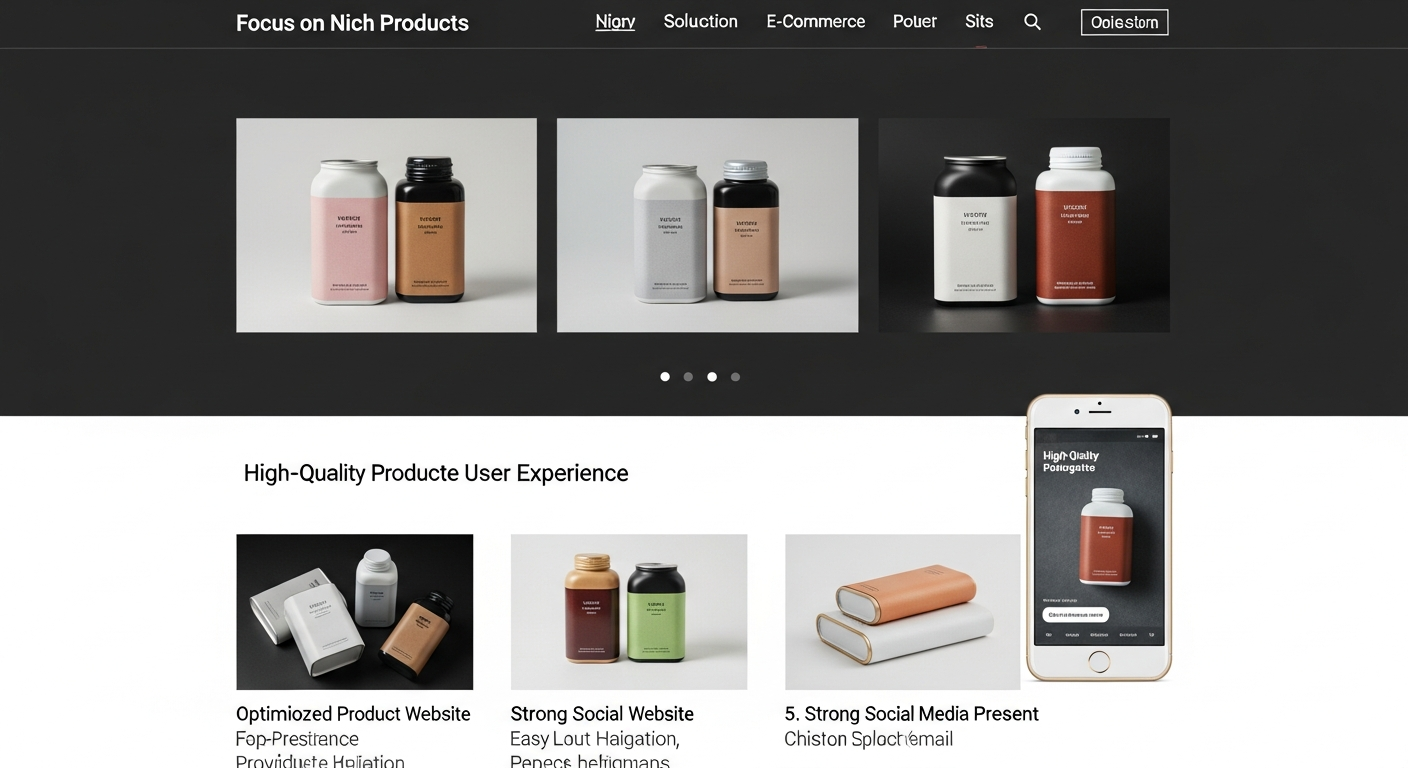
Your online store is your digital storefront, the primary interface between your brand and your customers. Its design, functionality, and underlying technology are paramount to creating a seamless shopping experience and driving conversions. A robust e-commerce platform isn’t just about looking good; it’s about performing efficiently.
Choosing the Right E-commerce Platform
Selecting the appropriate platform is a foundational decision. Consider factors such as scalability, ease of use, features, pricing, and integration capabilities.
- Hosted Platforms (e.g., Shopify, BigCommerce): These are all-in-one solutions that handle hosting, security, and updates. They are generally user-friendly, require less technical expertise, and offer extensive app stores for added functionality. Ideal for beginners and businesses prioritizing ease of management.
- Self-Hosted Platforms (e.g., WooCommerce for WordPress, Magento Open Source): These offer greater flexibility and control over customization and data, but require more technical knowledge for setup, maintenance, and security. Best for businesses with specific needs, large inventories, or those with development resources.
- Headless Commerce: For larger, more complex operations, headless commerce separates the frontend (what customers see) from the backend (data, inventory, payment processing). This offers unparalleled flexibility and speed, allowing for highly customized user experiences across multiple touchpoints.
Designing for User Experience (UX) and Conversion
A beautiful website is useless if it’s difficult to navigate or doesn’t convert visitors into customers.
- Intuitive Navigation: Make it easy for customers to find what they’re looking for. Clear categories, search bars, and logical product filtering are essential.
- Mobile Responsiveness: A significant portion of online shopping now happens on mobile devices. Your store must be fully responsive, offering a flawless experience across all screen sizes. Google also prioritizes mobile-first indexing, making this critical for SEO.
- High-Quality Product Images and Descriptions: Since customers can’t physically interact with products, high-resolution images (with multiple angles and zoom functionality) and detailed, compelling descriptions are vital. Use videos where appropriate to showcase products in action.
- Streamlined Checkout Process: A complex checkout is a major cause of cart abandonment. Minimize steps, offer guest checkout, clearly display shipping costs early, and provide multiple secure payment options.
- Page Load Speed: Slow websites frustrate users and negatively impact SEO. Optimize images, leverage caching, and choose a reliable hosting provider to ensure quick load times.
Essential Integrations and Security
A modern e-commerce platform thrives on its ability to integrate with other business tools.
- Payment Gateways: Offer popular and secure payment methods like credit cards (Stripe, PayPal, Square), digital wallets (Apple Pay, Google Pay), and potentially buy-now-pay-later options. Ensure PCI DSS compliance.
- Security (SSL/TLS): An SSL certificate is non-negotiable. It encrypts data, protects customer information, and builds trust. Most platforms include this or make it easy to implement.
- CRM (Customer Relationship Management): Integrate a CRM system to manage customer interactions, track purchase history, and personalize communications.
- Email Marketing: Connect with platforms like Mailchimp or Klaviyo for automated welcome sequences, abandoned cart reminders, and promotional campaigns.
- Analytics: Integrate Google Analytics and your platform’s built-in analytics to track website performance, customer behavior, and sales data. This is a prime example of “How can tech help improve business performance.” By leveraging analytics, you gain actionable insights into customer journeys, identify bottlenecks, and optimize your store for maximum efficiency and profitability.
Tip 3: Master Digital Marketing and Customer Acquisition
Search Engine Optimization (SEO)
SEO is about making your store visible to potential customers searching for your products on Google and other search engines. It’s a long-term strategy but offers high ROI.
- Keyword Research: Identify relevant keywords your target audience uses. Incorporate these into your product titles, descriptions, category pages, and blog content.
- On-Page SEO: Optimize meta titles, meta descriptions, image alt text, and header tags (H1, H2, H3) for both keywords and user readability. Ensure your product descriptions are rich, unique, and informative.
- Technical SEO: Ensure your site structure is logical, mobile-friendly, loads quickly, and is crawlable by search engine bots. Implement structured data (schema markup) to enhance your search listings.
- Content Marketing: Create a blog that publishes valuable content related to your products and niche. This not only attracts organic traffic but also positions your brand as an authority. Think how-to guides, product reviews, industry insights, and lifestyle content.
- Backlink Building: Acquire high-quality backlinks from reputable websites. This signals to search engines that your site is trustworthy and authoritative.
Content Marketing and Social Media Strategy
Beyond SEO, compelling content and an engaging social presence are crucial for brand building and customer connection.
- Storytelling: Share your brand story, product origins, and mission. Authenticity resonates deeply with today’s consumers.
- Visual Content: Invest in high-quality photos, videos, and infographics. Platforms like Instagram, TikTok, and Pinterest are highly visual and ideal for showcasing products.
- Social Media Engagement: Don’t just broadcast; engage with your audience. Respond to comments, run polls, host Q&As, and encourage user-generated content. Identify the platforms where your target audience spends the most time.
- Influencer Marketing: Collaborate with micro or macro-influencers whose audience aligns with your target market to promote your products.
Paid Advertising
While organic growth is vital, paid advertising can provide immediate visibility and accelerate customer acquisition.
- Google Ads: Target users actively searching for your products. Use Shopping Ads to display your products directly in search results, complete with images and prices.
- Social Media Ads: Platforms like Facebook, Instagram, and TikTok offer powerful targeting capabilities, allowing you to reach specific demographics, interests, and behaviors. Utilize retargeting campaigns to bring back visitors who left your site without purchasing.
- Ad Copy and Creatives: Continuously test different ad copy, images, and video creatives to optimize performance and maximize your return on ad spend (ROAS).
Email Marketing and Automation
Email remains one of the most effective channels for nurturing leads and driving sales.
- List Building: Offer incentives (discounts, exclusive content) to encourage website visitors to subscribe to your email list.
- Automated Sequences: Set up essential automated emails: welcome series for new subscribers, abandoned cart reminders, post-purchase follow-ups, and birthday discounts.
- Segmentation: Segment your audience based on purchase history, engagement level, and demographics to send highly personalized and relevant content.
- Promotional Campaigns: Regularly send newsletters and promotional emails to announce new products, sales, and special offers.
Tip 4: Streamline Operations and Elevate Customer Experience
A successful launch is only the beginning. Sustained growth hinges on efficient operations and an exceptional customer experience. From the moment a customer places an order to post-purchase support, every interaction contributes to your brand’s reputation and customer loyalty.
Inventory Management
Efficient inventory management prevents stockouts, reduces carrying costs, and ensures you can fulfill orders promptly.
- Forecasting Demand: Use sales data, market trends, and seasonal patterns to accurately predict future demand.
- Inventory Tracking System: Implement a robust system (often integrated with your e-commerce platform) to track stock levels in real-time. This is crucial to avoid overselling or accumulating dead stock.
- Supplier Relationship Management: Maintain strong relationships with your suppliers to ensure timely deliveries and favorable terms.
Order Fulfillment and Shipping
How you get products from your warehouse (or supplier) to the customer’s door significantly impacts satisfaction.
- In-House Fulfillment: You store, pick, pack, and ship orders yourself. Offers maximum control but can be time-consuming and resource-intensive as you scale.
- Third-Party Logistics (3PL): Outsourcing fulfillment to a 3PL provider. They handle storage, picking, packing, and shipping. This frees up your time, leverages their expertise, and often provides better shipping rates.
- Dropshipping: As mentioned, the supplier handles fulfillment directly. While convenient, it limits your control over the customer’s unboxing experience.
- Shipping Strategy: Offer clear, competitive shipping options. Provide tracking information and estimated delivery times. Consider offering free shipping (factored into product price) as it’s a major purchase motivator.
Customer Service Excellence
Exceptional customer service can turn a one-time buyer into a loyal advocate and even mitigate negative experiences.
- Multiple Support Channels: Offer various ways for customers to reach you: email, live chat, phone support, and social media messaging.
- Prompt and Knowledgeable Responses: Aim for quick response times. Train your support team (or yourself) to be friendly, empathetic, and well-informed about your products and policies.
- Self-Service Options: Create a comprehensive FAQ section, detailed product guides, and troubleshooting resources on your website. This empowers customers to find answers independently.
- Personalization: Use customer data to personalize interactions. Addressing customers by name and referencing past purchases makes them feel valued.
Returns and Refunds Policy
A clear, fair, and easy-to-understand returns policy builds trust and reduces customer friction.
- Transparency: Clearly display your policy on your website (footer, product pages).
- Simplicity: Make the return process as straightforward as possible. Provide clear instructions and pre-paid return labels if feasible.
- Customer-Centric: While protecting your business, aim for a policy that prioritizes customer satisfaction. A generous return policy can increase sales and loyalty.
Tip 5: Financial Acumen and Risk Management
Launching a successful online store isn’t just about products and marketing; it’s fundamentally about smart financial management and mitigating risks. Without a solid understanding of your numbers and appropriate safeguards, even the most promising venture can falter. This is where understanding “How to manage both home and business expenses” becomes critically important from day one.
Budgeting and Financial Planning
Before and during your launch, a detailed budget is your roadmap to financial stability.
- Startup Costs: Accurately estimate all initial expenses: platform fees, website design, product sourcing, initial inventory, marketing campaigns, legal fees, business registration, and software subscriptions.
- Operating Costs: Account for ongoing expenses: monthly platform fees, advertising spend, shipping costs, payment processing fees, employee salaries (if any), rent (if physical space is needed), and utilities.
- Cash Flow Management: Understand your cash flow cycle. When do expenses need to be paid, and when do revenues come in? Maintain sufficient working capital to cover operational gaps.
- Pricing Strategy: Develop a pricing strategy that covers your costs, accounts for profit margins, and remains competitive. Consider value-based pricing, cost-plus pricing, or competitive pricing.
- Profitability Analysis: Regularly analyze your product profitability, understanding which products contribute most to your bottom line.
Separating Personal and Business Finances
This is a fundamental principle for good financial management and is key to effectively addressing “How to manage both home and business expenses.”
- Dedicated Bank Accounts: Open separate bank accounts for your business (checking and savings). Never commingle personal and business funds. This simplifies bookkeeping, makes tax preparation easier, and provides a clear picture of your business’s financial health.
- Business Credit Card: Obtain a business credit card for business expenses. This further helps in separating expenses and can build business credit.
- Expense Tracking: Use accounting software (e.g., QuickBooks, Xero) to meticulously track all business income and expenses. This is vital for tax purposes and for understanding where your money is going.
- Owner’s Pay: Instead of drawing from the business account haphazardly, establish a regular salary or draw schedule for yourself. Treat your business as a separate entity that pays you.
Legal Considerations and Business Insurance
Protecting your business from legal and financial risks is non-negotiable.
- Business Registration: Register your business legally. The structure (sole proprietorship, LLC, corporation) impacts liability and taxation.
- Terms of Service & Privacy Policy: Clearly articulate your terms of service, refund policy, and privacy policy on your website. These are legal documents that protect both you and your customers. Ensure compliance with data protection regulations like GDPR and CCPA.
- Intellectual Property: Protect your brand name, logo, and unique product designs through trademarks and copyrights.
- Business Insurance: This is a critical safety net. Even if you’re not a manufacturing brand, you need insurance.
- General Liability Insurance: Protects against claims of bodily injury or property damage that occur on your business premises or from your business operations.
- Product Liability Insurance: Crucial for any e-commerce store, this protects against claims of injury or damage caused by your products. If you’re selling anything that could potentially cause harm, this is a must-have.
- Cyber Liability Insurance: With increasing cyber threats, this covers costs associated with data breaches, cyberattacks, and network security failures, which are significant risks for any online business in 2026.
- Business Interruption Insurance: Helps cover lost income and operating expenses if your business is forced to temporarily close due to covered perils.
For context, consider “Why manufacturing brands need business insurance” – they face specific risks related to production, machinery, and larger physical inventories. While an e-commerce store might not have a factory, the principle of protecting against unique industry-specific risks (like product defects or cyber threats) remains the same. Tailor your insurance portfolio to your specific business model.
Beyond the Launch: Sustaining Growth in 2026
Launching is a monumental achievement, but the true measure of success lies in your ability to adapt, innovate, and grow continuously. The e-commerce landscape of 2026 is dynamic, and staying ahead requires ongoing effort.
Continuous Optimization and Analytics
Your launch is merely the starting point for optimization. Data is your most valuable asset.
- A/B Testing: Continuously test different elements of your website (product pages, checkout flow, call-to-action buttons, email subject lines) to see what resonates best with your audience and improves conversion rates.
- Analyze Performance Metrics: Regularly dive into your analytics (Google Analytics, platform insights). Track key performance indicators (KPIs) such as conversion rate, average order value, customer lifetime value, bounce rate, and traffic sources. Identify trends, uncover bottlenecks, and make data-driven decisions.
- Customer Feedback: Actively solicit and listen to customer feedback through surveys, reviews, and social media. Use this direct input to improve products, services, and the overall customer experience.
Expanding Product Lines and Markets
Once your core products are established, explore avenues for expansion.
- Related Products: Introduce complementary products or accessories that your existing customers might appreciate.
- New Collections/Variants: Offer new colors, sizes, or variations of your best-selling items.
- Market Expansion: Consider international shipping, translating your site, or targeting new geographic regions if there’s demand for your products.
- Subscription Models: If applicable, explore recurring revenue models through product subscriptions, which build customer loyalty and predictable income.
Building Community and Loyalty
Transforming customers into a loyal community fosters repeat business and powerful word-of-mouth marketing.
- Loyalty Programs: Implement loyalty programs that reward repeat purchases, referrals, and engagement.
- Exclusive Content/Access: Offer your most loyal customers exclusive access to new products, early sales, or members-only content.
- Engage on Social Media: Continue to build a strong social presence that encourages interaction and builds a sense of belonging.
- Exceptional Post-Purchase Experience: Follow up after purchases, offer support, and make returns/exchanges hassle-free. A positive experience even when something goes wrong builds immense loyalty.
Adapting to Technological and Market Shifts
The digital world never stands still. Staying informed and adaptable is key to long-term success.
- Emerging Technologies: Keep an eye on new e-commerce trends in 2026 such as AI-powered personalization, augmented reality (AR) for product visualization, voice commerce, and live shopping. Evaluate how these could enhance your customer experience or operational efficiency.
- Platform Updates: Stay current with updates from your e-commerce platform and integrated tools to leverage new features and maintain security.
- Consumer Behavior: Consumer preferences and buying habits evolve. Regularly re-evaluate your marketing strategies and product offerings to ensure they align with current market demands.
Frequently Asked Questions
Recommended Resources
Related reading: How To Rank On Google First Page (Page Release).
Explore What Is Growth Hacking And How Does It Work for additional insights.