
The Digital Edge: Why Tools Are Non-Negotiable for E-commerce Growth in 2026
The modern e-commerce ecosystem is a complex tapestry of customer interactions, data points, inventory movements, and marketing campaigns. Without the right tools, managing this complexity can quickly become overwhelming, leading to inefficiencies, missed opportunities, and ultimately, stagnation. In 2026, the businesses that will pull ahead are those that effectively embrace technological solutions to streamline operations, enhance decision-making, and scale their reach without proportional increases in manual effort.
Consider the myriad challenges an e-commerce business faces daily: understanding customer behavior across multiple channels, managing ever-fluctuating inventory, crafting hyper-personalized marketing messages, ensuring data security, and providing lightning-fast customer service. Each of these areas presents an opportunity for improvement, and each improvement contributes directly to the bottom line. This is precisely how tech can help improve business performance. By automating repetitive tasks, providing actionable insights from vast datasets, and facilitating seamless communication, technology frees up valuable human capital to focus on innovation, strategy, and high-level problem-solving.
Furthermore, the expectation of the modern consumer is higher than ever. They demand personalized experiences, fast delivery, transparent communication, and ironclad security for their personal information. Meeting these demands consistently at scale is virtually impossible without robust digital infrastructure. From small startups to established enterprises, the strategic integration of purpose-built tools is the differentiator between businesses that merely exist and those that are poised for exponential growth. They enable a proactive approach to market changes, customer needs, and competitive pressures, allowing businesses to adapt, innovate, and lead.
Tool 1: Advanced Analytics and Business Intelligence Platforms

In the data-rich world of e-commerce, ignorance is not bliss; it’s a death sentence. Businesses that succeed are those that understand their numbers inside and out. Advanced analytics and business intelligence (BI) platforms are the eyes and ears of your digital operation, providing a panoramic view of every facet of your business. These tools go far beyond basic sales reports, delving into granular details that reveal the true health and potential of your enterprise.
What they do: These platforms aggregate data from various sources – your e-commerce platform, marketing channels, customer service interactions, inventory systems, and even social media. They then process, visualize, and interpret this data to provide actionable insights. Key metrics tracked include sales performance (by product, category, geographic region), customer acquisition costs (CAC), customer lifetime value (CLV), conversion rates at different stages of the funnel, website traffic patterns, marketing campaign ROI, and inventory turnover rates. They can identify trends, forecast future demand, and highlight underperforming areas or untapped opportunities.
How they help you grow:
- Data-Driven Decision Making: Instead of guessing, you make informed choices based on real-time data. This applies to everything from product development and pricing strategies to marketing budget allocation and inventory planning.
- Optimized Marketing Spend: By understanding which channels and campaigns deliver the best ROI, you can reallocate resources more effectively, reducing wasted ad spend and maximizing customer acquisition.
- Enhanced Customer Understanding: Deeper insights into customer demographics, purchasing habits, and browsing behavior allow for more targeted marketing, personalized product recommendations, and improved customer segmentation. This leads to higher conversion rates and stronger customer loyalty.
- Inventory Efficiency: Predictive analytics can forecast demand, helping you optimize stock levels, prevent costly stockouts or overstocking, and improve cash flow.
- Performance Monitoring: Establish key performance indicators (KPIs) and monitor them continuously through custom dashboards, allowing for quick identification of issues and opportunities.
Without robust analytics, you’re flying blind, making decisions based on intuition rather than insight. In 2026, this approach is simply not sustainable. Investing in a powerful analytics platform is an investment in clarity, efficiency, and strategic advantage, directly impacting your ability to improve business performance by making smarter, faster decisions.
Tool 2: Customer Relationship Management (CRM) Systems
What they do: A CRM system centralizes all customer data – purchase history, browsing behavior, communication records (emails, chat, support tickets), demographic information, and preferences. It provides a 360-degree view of each customer, allowing you to understand their unique journey with your brand. CRMs also enable segmentation of your customer base, automation of follow-up communications, and tracking of customer service interactions. Many modern CRMs integrate with marketing, sales, and customer service tools to create a unified platform.
How they help you grow:
- Personalized Customer Experiences: With a complete customer profile, you can tailor product recommendations, marketing messages, and support interactions to individual preferences, significantly increasing engagement and conversion rates.
- Improved Customer Retention and Loyalty: By understanding past interactions and anticipating future needs, you can proactively engage with customers, resolve issues efficiently, and offer loyalty programs that keep them coming back. High retention directly translates to higher Customer Lifetime Value (CLV).
- Efficient Customer Service: Support agents have immediate access to a customer’s history, allowing them to provide faster, more informed, and personalized assistance, leading to higher customer satisfaction.
- Targeted Marketing Campaigns: Segment your audience based on purchase history, behavior, and demographics to create highly relevant marketing campaigns. This precision increases campaign effectiveness and reduces marketing waste.
- Sales Opportunity Identification: CRMs can help identify upsell and cross-sell opportunities based on past purchases and browsing patterns, directly boosting average order value.
A CRM system is essential for moving beyond transactional relationships to cultivate a loyal customer base. It empowers your team to deliver exceptional service and personalized experiences at scale, which is crucial for building a resilient brand and ensuring steady growth in 2026. Ultimately, nurturing existing customers is often more cost-effective than constantly acquiring new ones, making a CRM a critical investment in your long-term profitability.
Tool 3: Marketing Automation & Omnichannel Engagement Platforms
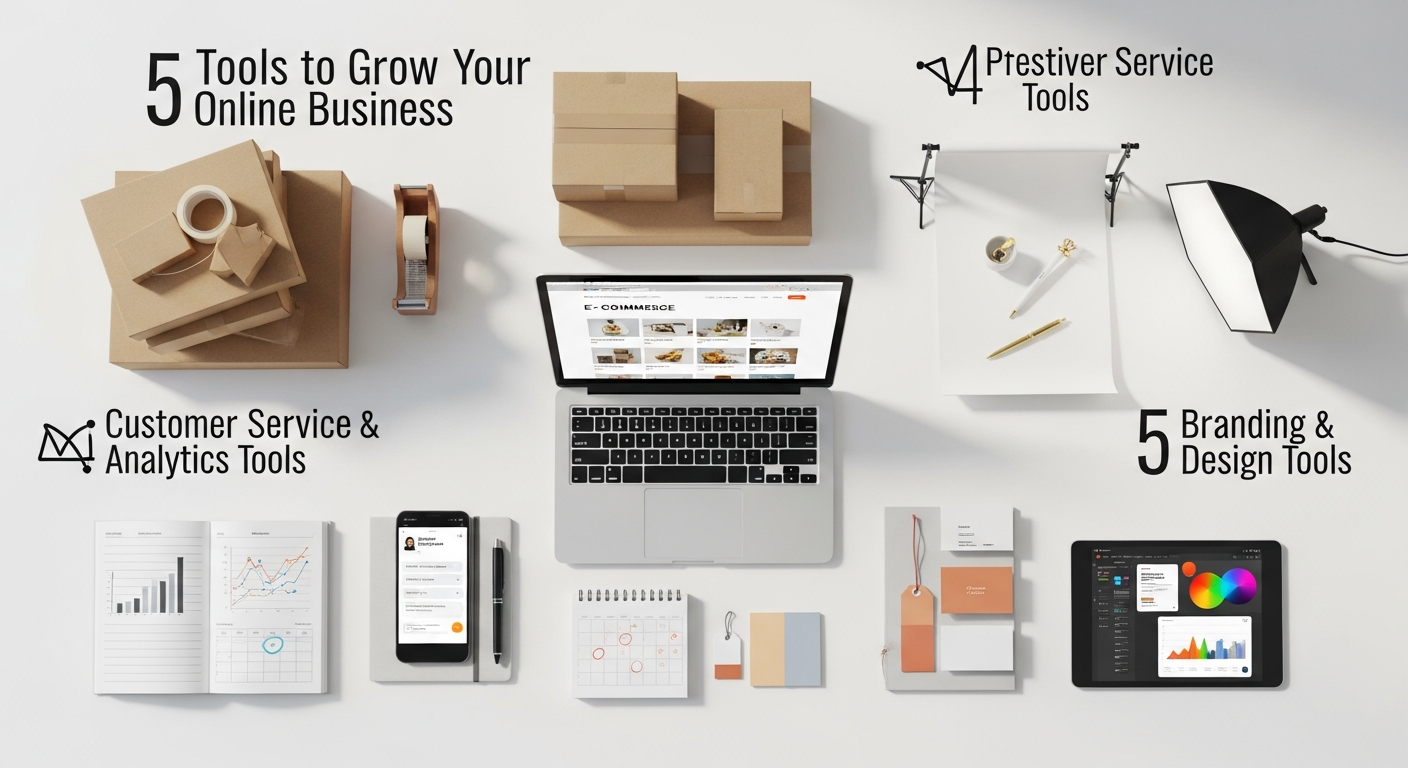
In the dynamic world of e-commerce, simply having a product isn’t enough; you need to tell your story, engage your audience, and guide them through their purchasing journey effectively. Marketing automation and omnichannel engagement platforms are designed to do exactly that, but at scale and with unparalleled precision. They ensure your brand message is consistent, timely, and relevant across every touchpoint, from social media to email to personalized ads.
What they do: These platforms automate repetitive marketing tasks such as email sequences (welcome series, abandoned cart reminders, post-purchase follow-ups), social media scheduling and posting, ad campaign management, and SMS marketing. They integrate various communication channels, allowing you to create cohesive customer journeys that flow seamlessly from one platform to another. Advanced features include audience segmentation based on behavior, A/B testing for optimal messaging, and lead scoring to identify the most promising prospects. Some platforms also facilitate influencer marketing campaigns, helping you identify and manage collaborations with micro-influencers to amplify your brand’s reach and authenticity.
How they help you grow:
- Scalable Personalization: Deliver highly personalized messages and offers to thousands of customers simultaneously, based on their individual behavior and preferences, without manual intervention.
- Improved Conversion Rates: Automated follow-ups, targeted promotions, and consistent messaging across channels nurture leads and guide them more effectively through the sales funnel, significantly boosting conversion rates.
- Enhanced Customer Engagement: Maintain a consistent brand presence and engage customers where they are most active. This constant, relevant communication keeps your brand top-of-mind and fosters deeper relationships.
- Time and Cost Efficiency: Automating routine marketing tasks frees up your marketing team to focus on strategic initiatives, creative content, and analytical review, rather than manual execution. This leads to greater output with fewer resources.
- Broader Reach and Authenticity: By integrating with tools that help market your brand using micro influencers, these platforms can help you tap into niche audiences and leverage authentic endorsements, expanding your reach more organically than traditional advertising.
- Consistent Brand Messaging: Ensure that your brand’s voice and visual identity are consistent across all channels, reinforcing brand recognition and trust.
For any e-commerce business aiming for significant growth in 2026, a comprehensive marketing automation and omnichannel platform is indispensable. It allows you to build sophisticated marketing ecosystems that operate efficiently, deliver personalized experiences, and ultimately drive higher engagement and sales volumes.
Tool 4: Inventory Management & Supply Chain Optimization Software
The backbone of any successful e-commerce operation is its ability to efficiently manage inventory and optimize its supply chain. Without effective systems in place, even the most brilliant marketing or compelling product can be undermined by stockouts, overstock, or delayed shipments. Inventory management and supply chain optimization software are critical for maintaining operational excellence and ensuring customer satisfaction.
What they do: These powerful tools provide real-time visibility into your inventory levels across all locations (warehouses, fulfillment centers, retail stores). They automate critical processes such as order processing, stock replenishment, vendor management, and shipping logistics. Advanced features include demand forecasting, multi-channel inventory syncing (to prevent overselling), batch tracking, serial number tracking, and detailed reporting on inventory turnover, carrying costs, and fulfillment efficiency. Some solutions also offer warehouse management system (WMS) capabilities, optimizing pick-and-pack routes and storage locations.
How they help you grow:
- Prevent Stockouts and Overstocking: Accurate demand forecasting and real-time inventory updates ensure you have the right products in the right quantities at the right time. This prevents lost sales due to stockouts and reduces capital tied up in excess inventory.
- Reduced Operational Costs: By optimizing storage, reducing waste from expired or obsolete stock, and streamlining fulfillment processes, these tools directly lower your operational expenses and improve your profit margins.
- Faster and More Reliable Fulfillment: Automated order processing and optimized shipping routes lead to quicker delivery times, enhancing customer satisfaction and boosting repeat business.
- Improved Supplier Relationships: Better forecasting and automated reordering capabilities allow for more predictable and efficient interactions with your suppliers, potentially leading to better terms and stronger partnerships.
- Enhanced Scalability: As your business grows, manually managing inventory becomes impossible. These systems provide the infrastructure to handle increased order volumes and product lines without a proportional increase in logistical headaches.
- Data-Driven Supply Chain Decisions: Gain insights into every stage of your supply chain, identifying bottlenecks, inefficiencies, and areas for strategic improvement. This directly contributes to how tech can help improve business performance by optimizing your entire operational flow.
For an e-commerce business, efficient inventory and supply chain management are not just about saving money; they are about building customer trust, delivering on promises, and creating a scalable operation that can handle future growth. In 2026, neglecting this area is a sure path to losing competitive ground.
Tool 5: Cybersecurity and Data Protection Solutions
In an increasingly interconnected digital world, the security of your business and your customers’ data is paramount. A single data breach can not only lead to devastating financial losses but also irrevocably damage your brand’s reputation and erode customer trust. Cybersecurity and data protection solutions are not merely an IT concern; they are a fundamental component of your business strategy, essential for safeguarding your assets and ensuring compliance.
What they do: These tools encompass a wide range of technologies and practices designed to protect your e-commerce store from cyber threats. This includes robust firewalls, intrusion detection systems, antivirus/anti-malware software, secure payment gateways (PCI DSS compliance), data encryption, multi-factor authentication, and regular security audits. They also cover data privacy compliance (like GDPR, CCPA, and evolving regulations), ensuring that you handle customer information responsibly and legally. Fraud detection systems, often powered by AI, are also a critical part of this category, identifying and preventing malicious transactions.
How they help you grow:
- Build and Maintain Customer Trust: In 2026, customers are highly conscious of data privacy. Demonstrating a strong commitment to security instills confidence, making customers more likely to shop with you and share their information. Trust is a powerful driver of repeat business and loyalty.
- Protect Against Financial Loss: Prevent costly data breaches, credit card fraud, and intellectual property theft. The financial implications of a cyber attack can be catastrophic, including regulatory fines, legal fees, forensic investigations, and remediation costs.
- Ensure Regulatory Compliance: Stay compliant with evolving data protection laws (e.g., GDPR, CCPA, and new regulations expected by 2026). Non-compliance can result in hefty fines and legal action, severely impacting your business.
- Maintain Business Continuity: Robust security measures protect your website and systems from downtime due to cyberattacks (like DDoS attacks), ensuring your store remains operational and accessible to customers 24/7.
- Safeguard Brand Reputation: A strong security posture protects your brand’s image from the catastrophic damage a data breach can inflict. Reputational damage is often harder and more expensive to repair than financial losses. This is one of the best ways to protect your business from long-term harm.
- Secure Scaling: As your business expands, so does the attack surface. Implementing scalable security solutions from the outset ensures that your growth is built on a secure foundation, rather than introducing vulnerabilities.
Neglecting cybersecurity is akin to leaving your storefront unlocked with the cash register wide open. For any e-commerce business in 2026, investing in comprehensive cybersecurity and data protection is not an expense; it’s a fundamental investment in your business’s survival, growth, and reputation. It ensures that your journey towards growth is secure and sustainable, protecting both your assets and your most valuable asset: your customers’ trust.
Integrating Your Tool Stack for Maximum Impact
While each of the five tool categories discussed offers significant benefits independently, their true power is unleashed when they are integrated into a cohesive, interconnected ecosystem. A fragmented approach, where tools operate in silos, can create new inefficiencies, data inconsistencies, and blind spots that hinder growth rather than accelerate it. The goal for 2026 is a harmonious tool stack where data flows freely and insights from one platform inform actions in another.
Consider the synergy: your analytics platform identifies a segment of customers with high churn risk. This insight is then automatically fed into your CRM, which triggers a personalized email campaign through your marketing automation platform, offering a special incentive to re-engage them. Simultaneously, your inventory management system ensures that the products highlighted in the campaign are in stock and ready for immediate fulfillment. All of this is underpinned by robust cybersecurity, ensuring the data exchange is secure and customer information is protected.
Key considerations for integration:
- API Capabilities: Look for tools that offer robust Application Programming Interfaces (APIs) or native integrations with other popular platforms. This allows different software to “talk” to each other and share data seamlessly.
- Centralized Data Hub: Ideally, your CRM or an overarching business intelligence platform can act as a central data hub, pulling information from all other tools to provide a unified view of your operations and customers.
- Automation Workflows: Leverage integration capabilities to create automated workflows between tools. For example, a new customer in your e-commerce platform automatically gets added to your CRM and enrolled in a welcome email series.
- Vendor Ecosystem: Some vendors offer comprehensive suites that cover multiple functionalities (e.g., a platform that includes e-commerce, CRM, and marketing automation). While convenient, ensure these “all-in-one” solutions meet your specific needs in each area.
- Regular Review: Your business needs and the technological landscape evolve. Regularly review your tool stack and integrations to ensure they still serve your strategic objectives and identify any redundancies or gaps.
The strategic integration of your chosen tools is not just about efficiency; it’s about creating a powerful feedback loop that constantly refines your understanding of your market, optimizes your operations, and enhances your customer experience. This holistic approach is fundamental to unlocking the full potential of technology and driving truly exponential growth for your e-commerce business in 2026 and beyond.
Frequently Asked Questions
Recommended Resources
Explore How To Reduce Monthly Expenses for additional insights.
Learn more about this topic in Grocery Couponing For Beginners Guide at Gold Points.