
The Indispensable Role of Sustainability in 2026 E-commerce
The landscape of online retail in 2026 is defined by more than just algorithms and logistics; it’s increasingly shaped by values. Consumers, particularly younger demographics, are scrutinizing brands not only for product quality and price but also for their environmental and social footprint. This shift isn’t just about guilt-free purchasing; it’s about aligning personal values with consumption choices. For e-commerce entrepreneurs, this translates into a clear mandate: sustainability is no longer optional; it’s a strategic imperative.
Beyond meeting customer expectations, a robust sustainability strategy offers tangible business benefits. It can lead to significant cost savings through optimized resource use, enhanced operational efficiency, and reduced waste. It strengthens brand reputation, attracting top talent and fostering a positive work culture. Moreover, as regulatory frameworks around environmental impact become stricter, proactive sustainability ensures compliance and mitigates future risks. Embracing sustainability is an investment in your business’s future, a testament to its resilience, and a powerful differentiator in a crowded digital marketplace. It’s about building a business that not only generates profit but also contributes positively to the planet and its people.
Revolutionizing Your Supply Chain and Product Lifecycle
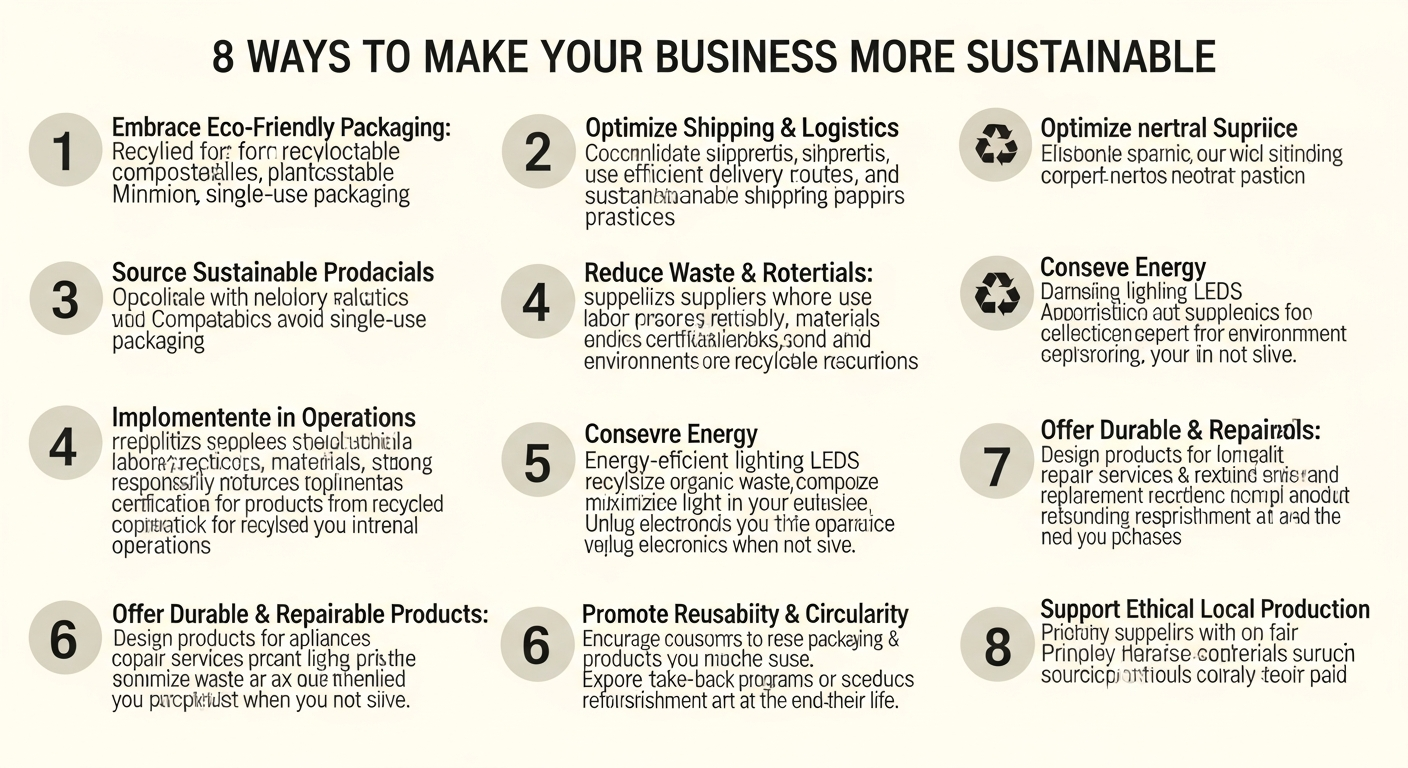
The journey of a product from raw material to customer doorstep offers numerous opportunities for sustainable innovation. For e-commerce businesses, the supply chain is often the largest source of environmental impact, but also the biggest lever for change. By reimagining how products are sourced, made, and packaged, you can significantly reduce your ecological footprint and build a more resilient business.
1. Embrace Sustainable Sourcing and Ethical Production
One of the most impactful ways to make your business more sustainable is to scrutinize your product sourcing. This means actively seeking out suppliers who prioritize eco-friendly materials, ethical labor practices, and transparent production processes. Opt for raw materials that are recycled, renewable, organic, or sustainably harvested. For instance, choosing organic cotton over conventional cotton, recycled plastics over virgin plastics, or reclaimed wood over newly felled timber can drastically reduce your environmental impact.
Ethical production extends beyond materials to the people involved in manufacturing. Ensure your suppliers adhere to fair labor standards, offering safe working conditions, fair wages, and respecting human rights. This often involves conducting thorough due diligence, requesting certifications (like Fair Trade or SA8800), and even visiting facilities where possible. For manufacturing brands, understanding the entire supply chain and ensuring ethical practices are paramount, not just for reputation but for long-term operational stability. Technologies like blockchain are increasingly being used to create immutable records of a product’s journey, from raw material to final sale, providing unprecedented transparency. This direct application of how can tech help improve business performance by providing verifiable data on ethical sourcing not only enhances your sustainability claims but also builds greater trust with your customer base.
The benefits of sustainable sourcing are multi-faceted. It reduces environmental degradation, supports local communities, and aligns your brand with integrity. While it might initially seem like a more expensive option, the long-term gains in brand loyalty, reduced regulatory risk, and potentially lower input costs through circular material use often outweigh the upfront investment. Furthermore, a transparent and ethical supply chain can be a strong marketing point, resonating deeply with conscious consumers in 2026.
2. Optimize Packaging for Minimal Environmental Impact
Packaging is a tangible touchpoint for e-commerce businesses, and it’s also a significant contributor to waste. Moving towards sustainable packaging is a critical step. This involves a multi-pronged approach: reducing material use, opting for recyclable or compostable materials, and right-sizing packages.
Start by minimizing unnecessary packaging layers and void fill. Can your product be shipped in a mailer instead of a box? Can you use crumpled paper instead of plastic bubble wrap? Next, prioritize materials that are recycled, recyclable, biodegradable, or compostable. This includes using recycled cardboard, paper-based tapes, cornstarch peanuts, or innovative materials like mushroom packaging or seaweed-based films. Clearly communicate disposal instructions to your customers to ensure proper recycling or composting.
Beyond material choice, consider the design of your packaging. Can it be reused by the customer? Can it be designed to protect the product effectively while using less material? Smart packaging design not only reduces waste but can also enhance the unboxing experience, turning a utilitarian necessity into a brand moment. This focus on efficiency and waste reduction in packaging also contributes to better overall business performance, reducing shipping weight and volume, which can lead to lower logistics costs.
3. Implement Waste Reduction and Circular Economy Principles
Sustainability goes beyond simply “reducing” waste; it embraces the concept of a circular economy, where products and materials are kept in use for as long as possible. For e-commerce, this means designing products with longevity in mind, facilitating repair, offering take-back programs, and exploring upcycling or recycling initiatives.
Consider the entire lifecycle of your products. Can they be easily repaired? Are spare parts available? Can components be disassembled and recycled at the end of their life? Offering repair services or guides can significantly extend product lifespan. Take-back programs, where customers return used products to you for recycling, refurbishing, or resale, are becoming increasingly popular. For example, fashion brands might accept old garments for textile recycling, or electronics retailers might refurbish used devices.
Upcycling, which transforms waste materials into new products of higher value, is another creative approach. This not only reduces landfill waste but can also lead to unique, marketable products. Implementing these circular economy principles requires a shift in mindset from a linear “take-make-dispose” model to a regenerative one. Technology can play a crucial role here, from inventory management systems that minimize overproduction to platforms that facilitate product take-back and resale, thereby improving business performance by optimizing resource utilization and creating new revenue streams.
Greening Your Operations and Logistics
4. Prioritize Energy Efficiency and Explore Renewable Energy
The physical infrastructure supporting your e-commerce business, be it an office, warehouse, or even the servers hosting your website, consumes energy. Making these operations more energy-efficient is a direct path to sustainability and reduced utility bills. Start with an energy audit to identify key areas of consumption.
Implement energy-saving measures such as LED lighting, smart thermostats, and energy-efficient appliances. For warehouses, optimizing layout and insulation can significantly reduce heating and cooling needs. If you operate your own servers or data centers, investing in energy-efficient hardware and virtualization technologies can drastically cut power consumption. For businesses utilizing cloud services, choose providers that are committed to renewable energy and transparency in their energy use.
Beyond efficiency, explore renewable energy options. This could involve installing solar panels on your premises, purchasing renewable energy credits (RECs), or switching to a utility provider that sources a significant portion of its energy from renewables. While initial investments might be higher, the long-term savings and positive brand image make it a worthwhile endeavor. How can tech help improve business performance in this area is evident through IoT sensors that monitor energy usage in real-time, AI-driven systems that optimize heating and cooling, and smart grids that integrate renewable sources more effectively. These technologies provide actionable data, allowing businesses to pinpoint inefficiencies and make informed decisions for energy optimization.
5. Adopt Green Logistics and Carbon-Neutral Shipping
Shipping is often the most carbon-intensive aspect of an e-commerce business. Adopting green logistics strategies and aiming for carbon-neutral shipping can significantly reduce your environmental footprint. This involves careful planning, strategic partnerships, and leveraging technology.
Begin by optimizing your delivery routes to reduce fuel consumption. For businesses with their own fleet, this can involve route optimization software. For most e-commerce sellers, it means partnering with logistics providers who have strong sustainability commitments, such as those investing in electric vehicles, using alternative fuels, or optimizing their own delivery networks for efficiency. Consolidating shipments and encouraging customers to choose slower, more environmentally friendly shipping options can also help.
Carbon offsetting programs are another avenue, though they should be approached with transparency and caution. These programs invest in projects that reduce greenhouse gas emissions elsewhere to compensate for your own. While not a substitute for direct emission reduction, they can be part of a broader strategy. Look for reputable programs that support certified projects like reforestation or renewable energy development. By actively pursuing green logistics, not only do you reduce your environmental impact, but you can also improve delivery efficiency and potentially reduce shipping costs, thereby enhancing overall business performance. Furthermore, for manufacturing brands, understanding the carbon footprint of their entire distribution network is crucial, and robust business insurance policies might even be tailored to cover risks associated with green supply chain disruptions or environmental liabilities, underscoring why manufacturing brands need business insurance that extends beyond traditional risks.
Building a Sustainable Brand and Engaging Stakeholders
Sustainability is not just about internal operations; it’s about how your brand communicates its values and engages with its customers, employees, and the wider community. Building a truly sustainable brand requires authenticity, transparency, and a commitment to people as well as the planet.
6. Foster Transparent Communication and Authentic Green Marketing
In the age of information, consumers are increasingly wary of “greenwashing”—the practice of making misleading claims about environmental practices. For your sustainability efforts to resonate, transparency and authenticity are paramount. Clearly communicate your sustainability goals, progress, and challenges. Don’s shy away from acknowledging areas where you still need to improve; this builds trust.
Use your marketing to educate customers about your sustainable practices, the lifecycle of your products, and how their purchasing choices make a difference. Highlight certifications (e.g., B Corp, Fair Trade, specific eco-labels) that validate your claims. Share stories about your ethical suppliers or the impact of your waste reduction efforts. This isn’t just about selling; it’s about building a community of conscious consumers who align with your brand’s values.
Authentic green marketing differentiates your brand, strengthens customer loyalty, and can even command a premium for your products. It transforms your sustainability initiatives from a cost center into a powerful brand asset, proving that doing good can also be good for business. In 2026, a brand’s integrity regarding its environmental and social claims is a significant factor in consumer decision-making, directly impacting market share and brand equity.
7. Cultivate an Ethical Workplace and Empower Employees
Sustainability extends beyond environmental concerns to encompass social responsibility—creating a fair, equitable, and supportive environment for your employees. A sustainable business is one that prioritizes its people, recognizing that a happy, empowered workforce is fundamental to long-term success.
This includes offering fair wages, comprehensive benefits, and safe working conditions. Foster a culture of diversity, equity, and inclusion, ensuring equal opportunities for all. Invest in employee training and development, not just in job-specific skills but also in understanding the company’s sustainability mission. Empower employees to contribute ideas for greener practices, creating a sense of shared ownership in your sustainability journey.
Consider policies that support work-life balance, such as flexible hours or remote work options where feasible. Remote work, for example, can significantly reduce employee commute emissions, contributing to your overall environmental goals. Moreover, a supportive workplace environment can indirectly help employees better manage their personal finances, including how to manage both home and business expenses, by reducing daily stresses and providing financial stability. Engaged and ethically treated employees become powerful advocates for your brand, contributing to a positive reputation and attracting like-minded talent. This internal focus on social sustainability is just as crucial as environmental efforts for building a truly resilient and respected business.
Leveraging Technology and Financial Prudence for Sustainable Growth
Technology is not just a tool for efficiency; it’s a powerful enabler of sustainability. From monitoring resource consumption to optimizing complex supply chains, digital innovations offer unprecedented capabilities for measuring, managing, and improving your environmental and social impact. Concurrently, a sound financial strategy is essential to fund and sustain these initiatives.
8. Harness Technology for Sustainability Monitoring and Reporting
The adage “what gets measured gets managed” is particularly true for sustainability. Leveraging technology to monitor, analyze, and report on your environmental and social performance is crucial for making informed decisions and demonstrating progress. This directly answers the question of how can tech help improve business performance in the context of sustainability.
Implement IoT (Internet of Things) sensors to track energy consumption in real-time across your facilities, monitor water usage, or even assess the environmental conditions of your warehouses. AI and machine learning algorithms can analyze vast datasets to identify patterns, predict future impacts, and suggest optimizations—for example, optimizing manufacturing processes to reduce material waste or predicting demand more accurately to prevent overproduction.
Supply chain management software, enhanced with blockchain capabilities, can provide granular transparency into the origin of materials, ethical labor practices, and carbon emissions at each stage. Dedicated sustainability reporting platforms can consolidate data from various sources, automate compliance reporting, and generate comprehensive reports for stakeholders, investors, and customers. This data-driven approach not only helps you reduce your footprint but also provides credible evidence for your green marketing claims, bolstering trust and accountability. For e-commerce businesses, this means understanding the carbon footprint of every click, every server request, and every digital interaction, pushing for greener web hosting and cloud services.
Financial Prudence and Risk Management for Sustainable Businesses
Integrating sustainability into your business strategy is not just an expense; it’s a strategic investment with significant financial returns. While some sustainable practices may require upfront capital, many lead to long-term cost savings. For example, energy efficiency measures reduce utility bills, waste reduction lowers disposal costs, and optimized logistics cut transportation expenses. Furthermore, access to green financing, impact investing, and favorable loan terms from banks increasingly recognize and reward businesses with strong ESG (Environmental, Social, and Governance) performance.
However, like any business venture, a sustainable business needs robust financial planning and risk management. This involves forecasting expenses and potential savings from green initiatives, budgeting for certifications, and understanding the financial implications of ethical sourcing. For manufacturing brands, this extends to considering why manufacturing brands need business insurance that specifically covers new risks associated with sustainable practices, such as potential liabilities from green product claims, supply chain disruptions due to climate change, or protecting investments in new eco-friendly machinery. Managing both home and business expenses effectively is critical for entrepreneurs, and integrating sustainable practices often aligns with smart financial management, as resource efficiency at work can inspire similar habits at home, creating a holistic approach to financial health and environmental responsibility. By aligning your financial strategy with your sustainability goals, you ensure that your green initiatives are not only impactful but also economically viable and resilient in the long run.
Conclusion
The journey towards making your e-commerce business more sustainable is a continuous one, but it is an essential path for any entrepreneur aiming for long-term success in 2026 and beyond. By strategically implementing these eight ways – from sustainable sourcing and optimized packaging to green logistics, energy efficiency, transparent communication, ethical workplaces, and leveraging cutting-edge technology – you are not merely adapting to market demands; you are actively shaping a more responsible and resilient future. These initiatives not only reduce your environmental footprint but also enhance brand reputation, attract conscious consumers, improve operational efficiency, and ultimately drive profitability. Embrace sustainability not as a burden, but as a powerful catalyst for innovation, growth, and enduring impact. The time to build a greener, more profitable e-commerce business is now.
Frequently Asked Questions
Recommended Resources
Learn more about this topic in Hsa Investment Strategy Guide at Fin3go.
For more on 8 ways to, see Best Grocery Store Loyalty Programs 2026 on Gold Points.