Branded Dropshipping vs. Generic Reseller: Which Path Leads to Sustainable Wealth?
As an entrepreneur, you are faced with a critical choice: Do you continue to operate as a generic reseller, chasing fleeting trends and fighting a “race to the bottom” on price? Or do you embrace branded dropshipping—a model that transforms a simple supply chain into a defensible, long-term asset? This shift represents the difference between owning a temporary side hustle and building a legitimate business. In this comprehensive guide, we will dissect the mechanics of both approaches, provide actionable strategies for transitioning to a branded model, and reveal the tools you need to maximize your margins in the current digital economy.
—
1. Understanding the Models: Generic Reselling vs. Branded Dropshipping
To choose the right path, you must first understand the fundamental structural differences between these two strategies.
The Generic Reseller Approach
The generic reseller model involves listing a wide variety of unbranded products across multiple niches. You are essentially a middleman. You find a trending product on a platform like AliExpress or CJ Dropshipping, import the photos, and list them on your store.
- **The Pro:** Low risk and high speed. You can test ten different products in ten different niches in a single week.
- **The Con:** Zero brand loyalty and extreme price sensitivity. If a competitor lists the same massage gun for $2 less, you lose the customer. Your ad accounts are also at higher risk because “commodity” stores often suffer from poor customer feedback scores.
The Branded Dropshipping Model
Branded dropshipping is the evolution of the model. Here, you select a specific niche and create a cohesive brand identity (logo, voice, color palette, and custom packaging) around the products. While the supplier still handles fulfillment, the customer perceives you as a premium, standalone brand.
- **The Pro:** Higher perceived value, which leads to higher margins. You can charge $49 for the same product a generic reseller sells for $25 because of the “trust factor.”
- **The Con:** Requires more upfront work in creative design, market research, and relationship building with suppliers.
—
2. The Step-by-Step Transition: From “Product Finder” to “Brand Builder”
If you are currently a generic reseller, you don’t have to overhaul your business overnight. The most successful entrepreneurs use a hybrid approach: they use generic reselling to test the market and branded dropshipping to scale.
Step 1: Identify the “Hero Product”
Look at your sales data. Which product has the highest repeat purchase rate or the best engagement on social media? This is your candidate for branding.
Step 2: Develop Your Brand DNA
Stop thinking about “selling.” Start thinking about “solving.” Define your target persona. If you are selling eco-friendly kitchenware, your brand DNA should revolve around sustainability, minimalism, and premium quality.
- **Actionable Tip:** Use tools like **Canva** or **Adobe Express** to create a Brand Kit. Stick to two main fonts and a three-color palette to ensure your website looks professional and cohesive.
Step 3: Secure White-Labeling or Private-Labeling
Contact your supplier and ask about “White Labeling.” This is the process of adding your logo to an existing product. Many suppliers on platforms like AutoDS or Zendrop offer this service once you hit a certain daily order volume (usually 10–20 orders per day).
Step 4: Customize the Unboxing Experience
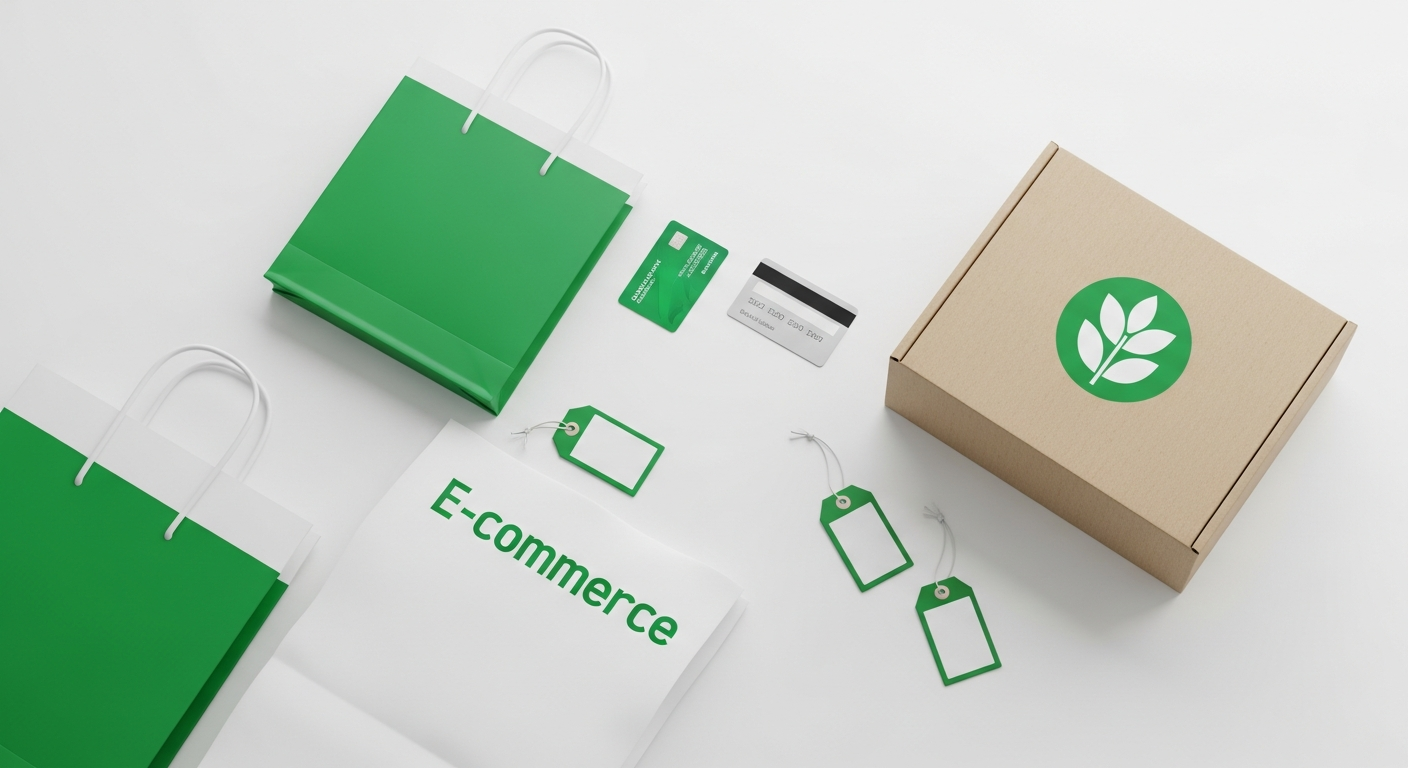
Even if you don’t change the product itself, changing the packaging changes the customer’s psychological perception. Custom mailers, a thank-you note, or a branded sticker inside the box can reduce refund rates by up to 30% and significantly increase your “Customer Lifetime Value” (CLV).
—
3. Margin Optimization: Why Branding is the Ultimate Profit Lever
In the generic model, your profit is the tiny sliver between your COGS (Cost of Goods Sold) + Ad Spend and the market price. Because everyone sells the same thing, the market price is capped.
The Power of Perceived Value
Branding allows you to exit the “price war.” Consider the example of a simple glass water bottle.
- **Generic Seller:** Lists it as “1L Glass Bottle” for $15.00. Profit margin: $3.00.
- **Branded Seller:** Lists it as “The Hydro-Crystal: Mindful Hydration Vessel” for $45.00. They invest in high-quality photography showing the bottle in a high-end yoga studio. Profit margin: $25.00.
Reducing Customer Acquisition Cost (CAC)
Generic stores have to “buy” every single customer through cold traffic (ads). Branded stores generate “organic” traffic through brand searches and word-of-mouth. Furthermore, branded stores see higher conversion rates. A visitor is more likely to buy from a store that looks like a curated boutique than a store that looks like a cluttered warehouse.
The “Moat” Strategy
A brand is a “moat.” It protects you from competitors. If you have 50,000 followers on Instagram who love your brand’s aesthetic and mission, a competitor can’t just “steal” your business by undercutting your price. They would have to steal your reputation, which is much harder to do.
—
4. Modern Tools and Platforms for Branded Success
The technology stack for e-commerce has never been more powerful. To succeed in branded dropshipping, you need a lean but effective suite of tools.
- **Shopify:** The gold standard for branded stores. Its ecosystem of apps allows for deep customization that generic platforms can’t match.
- **PageFly or Shogun:** These are “drag-and-drop” page builders. Use them to create high-converting landing pages that don’t look like a standard Shopify template.
- **Klaviyo:** Branding is about communication. Klaviyo allows you to build sophisticated email sequences (Welcome Series, Abandoned Cart, Post-Purchase) that turn one-time buyers into brand advocates.
- **Triple Whale or Northbeam:** As you scale, you need to know exactly where your profit is coming from. These tools provide “first-party data” to track your ad spend across TikTok, Google, and Meta with precision.
- **Loox or Okendo:** Social proof is the currency of branding. These apps allow you to collect photo and video reviews from customers, which are essential for building trust.
- **TikTok Creative Center:** Use this to stay ahead of content trends. In the branded model, your “creative” (the video or image) is your most important marketing lever.
—
5. Scaling with Content: The UGC and Influencer Strategy
A generic reseller runs ads that say “Buy This Product.” A branded dropshipper creates content that says “Join This Lifestyle.”
User-Generated Content (UGC)
UGC is the backbone of modern e-commerce. It involves real people using your product in real-world settings.
- **The Strategy:** Instead of hiring a professional production crew, send your product to 10–20 micro-creators on TikTok or Instagram. Ask them to film an “unboxing” or a “day in the life” video. These raw, authentic videos often outperform high-budget commercials because they feel like recommendations from a friend rather than a sales pitch.
The Influencer Whitelisting Approach
Once you have a creator who has made a great video for your brand, don’t just post it on your page. Use “Whitelisting” (or “Creator Licensing”). This allows you to run ads *through the creator’s handle*. When a user sees an ad coming from a real person’s profile rather than a brand’s business page, the “stop-the-scroll” rate increases dramatically.
Community Building
Branded dropshipping allows you to build a community. Whether it’s a private Facebook group for your customers or an active Discord, these platforms allow you to gather feedback, test new product ideas, and generate recurring revenue without spending an extra cent on advertising.
—
6. Future-Proofing: Moving Toward Inventory and 3PL
The ultimate goal of branded dropshipping is often to stop dropshipping entirely.
Once your brand has proven its concept and you have a steady stream of orders, the next step is to buy inventory in bulk and move it to a 3PL (Third-Party Logistics) center in your target market (e.g., a warehouse in the US or Europe).
Why this is the “End Game”:
1. Shipping Times: You move from 10-day shipping to 2-day shipping. This alone can double your conversion rate.
2. Wholesale Pricing: Buying 1,000 units at once can cut your product cost by 40-60%.
3. Quality Control: You can inspect the goods before they reach the customer, virtually eliminating “Defective Product” complaints.
4. Exit Value: A generic dropshipping store is hard to sell. A branded e-commerce business with a loyal customer base and a streamlined 3PL setup can be sold for 3x to 5x its annual profit on marketplaces like Empire Flippers or Flippa.
—
