
Building a Sustainable E-commerce Brand from a Dropshipping Foundation: A Realistic Roadmap for 2026
By utilizing a dropshipping foundation, entrepreneurs can validate product-market fit without the traditional overhead of inventory and warehousing. The secret to success in this era lies in the transition: moving away from being a “middleman” and toward becoming a “brand owner.” This article provides a comprehensive, realistic path for online sellers to leverage the agility of dropshipping while building a resilient, profitable brand that stands the test of time. Whether you are starting from scratch or looking to pivot your current store, the strategies outlined here will help you maximize your margins and secure your place in the competitive digital marketplace.
—
1. The Strategic Shift: Using Dropshipping as a Data-Driven R&D Lab
In 2026, successful entrepreneurs view dropshipping not as the final destination, but as the Research and Development (R&D) phase of their business. The traditional “list and pray” method is gone. Instead, your goal is to use the dropshipping model to collect hard data on consumer behavior, click-through rates, and conversion metrics.
Identifying the “Hero Product”
Rather than launching a general store with 50 items, focus on a narrow niche. Use dropshipping to test 5–10 related products. Analyze which item generates the most organic interest and the highest repeat-customer potential. This “Hero Product” becomes the cornerstone of your future brand.
Validating Demand Without Risk
The beauty of this foundation is the ability to pivot. If a specific product category fails to gain traction after rigorous testing with Meta or TikTok ads, you haven’t lost thousands in unsold inventory. You simply analyze the data, refine your audience targeting, or switch products. Once you find a product that maintains a healthy conversion rate over 60–90 days, you have found your brand’s entry point.
—
2. Defining Your Brand Identity Beyond the Product
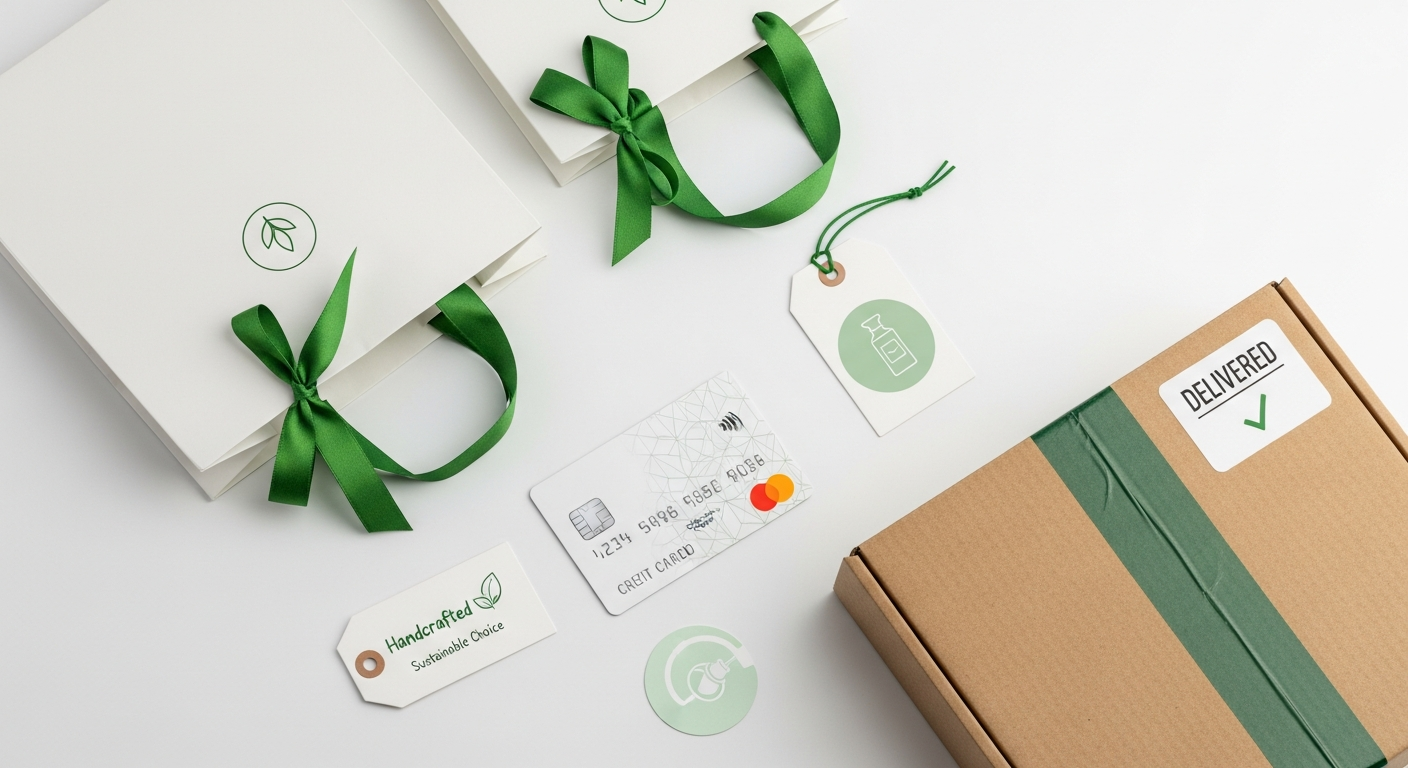
A product is a commodity; a brand is a relationship. To escape the “dropshipping stigma”—often associated with long shipping times and poor quality—you must wrap your products in a cohesive brand identity.
Developing a Unique Selling Proposition (USP)
In a world where consumers can find almost anything on Amazon, why should they buy from you? Your USP shouldn’t just be “free shipping.” It should be emotional or functional. For example, if you are selling eco-friendly kitchenware, your brand identity should revolve around sustainability, minimalist design, and plastic-free living.
Visual Branding and Storytelling
Invest in professional visual assets. Using stock photos provided by suppliers is a recipe for failure in 2026.
- **Color Palette and Typography:** Create a brand book that dictates how your store, social media, and ads look.
- **Custom Content:** Order your products and shoot high-quality User-Generated Content (UGC) and lifestyle photography.
- **The “About Us” Story:** Share the “why” behind your brand. Consumers are more likely to support a founder with a mission than a faceless storefront.
—
3. Transitioning the Supply Chain: From Generic to Private Label
Once your dropshipping store is consistently profitable, the next step in brand building is taking control of the supply chain. This is where your profit margins truly begin to expand.
Moving to a Private Label Model
Private labeling involves taking a proven product and adding your branding, custom packaging, and potentially making minor design improvements. This allows you to charge a premium price and prevents competitors from easily undercutting you with the exact same unbranded item.
Partnering with Sourcing Agents
As you scale, move away from platforms like AliExpress and toward dedicated sourcing agents or platforms like Zendrop, AutoDS, or Sourceinbox. These partners can negotiate better rates, perform quality control, and help you transition into bulk ordering.
The Hybrid Fulfillment Strategy
You don’t have to go from zero inventory to a full warehouse overnight. Use a hybrid model:
1. Dropship new items to test the market.
2. Bulk buy your “Hero Product” and store it in a 3PL (Third-Party Logistics) warehouse in your primary market (e.g., the US, UK, or EU).
3. This reduces shipping times from 12 days to 2–3 days, drastically improving customer satisfaction and your brand’s reputation.
—
4. Mastering High-LTV Marketing and Retention
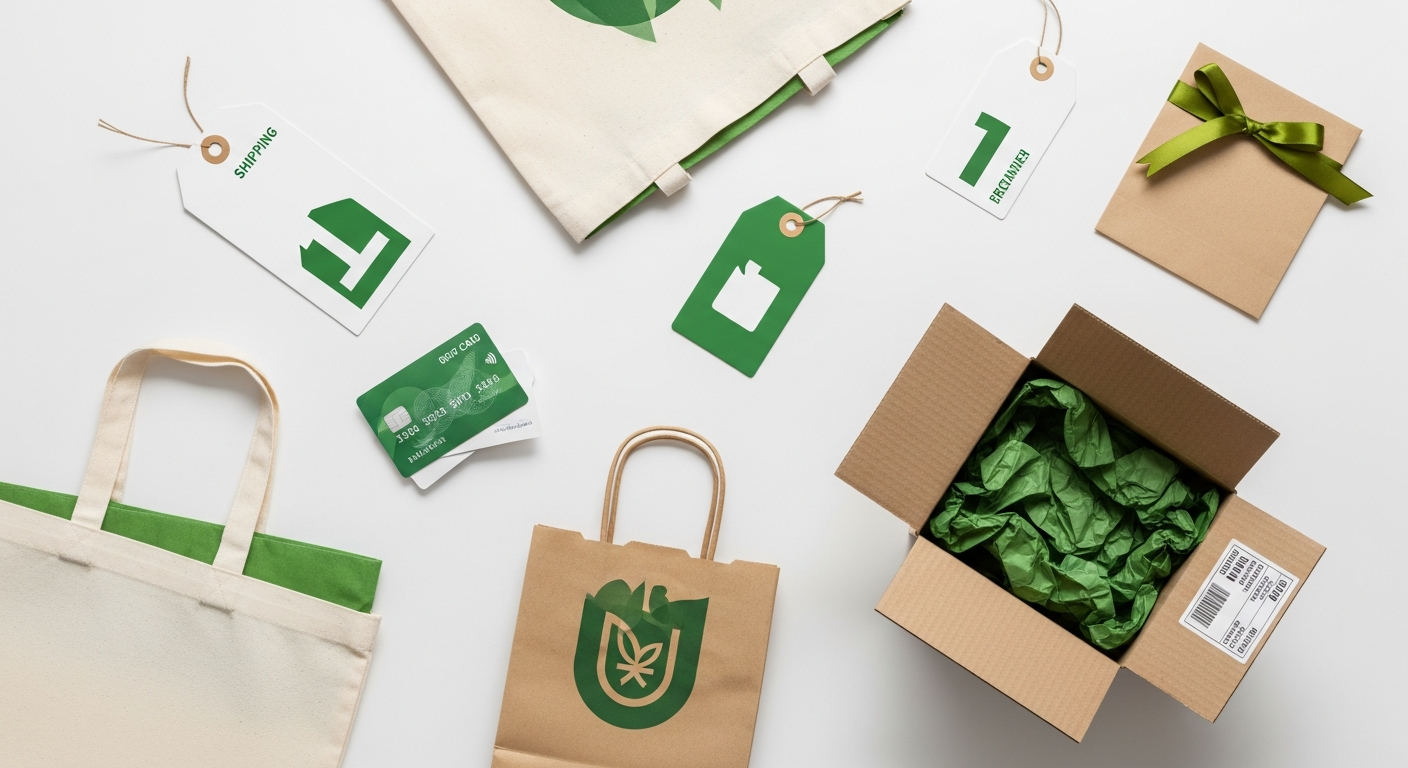
Acquiring a customer in 2026 is expensive. To build a profitable brand, you cannot rely solely on “one-and-done” sales from social media ads. You must focus on Lifetime Value (LTV).
Retention via Email and SMS
Email marketing remains the highest ROI activity in e-commerce. Use tools like Klaviyo or Omnisend to build automated flows:
- **The Welcome Series:** Introduce your brand story.
- **Post-Purchase Check-ins:** Ask for reviews and offer tips on using the product.
- **Win-back Campaigns:** Offer discounts to customers who haven’t purchased in 60 days.
Leveraging Community and Organic Social
In 2026, social commerce is the standard. Use TikTok and Instagram not just for ads, but to build a community. Reply to every comment, run polls, and feature your customers’ content. When people feel like they are part of a community, they become brand advocates who do the marketing for you.
Loyalty Programs
Implement a simple loyalty program using apps like Smile.io. Reward customers for repeat purchases, referrals, and social media mentions. This gamification keeps your brand top-of-mind and discourages them from looking at competitors.
—
5. Essential Tools and Platforms for 2026 Brand Building
To compete at a high level, your “tech stack” must be efficient and scalable. Here are the tools currently dominating the e-commerce landscape:
- **E-commerce Platform:** **Shopify** remains the gold standard for its app ecosystem and ease of scaling. For those with high-level design needs, **Webflow** is an increasingly popular alternative for custom-branded storefronts.
- **Design & Content:** **Canva** for quick social assets, but increasingly, AI tools like **Midjourney** or **Adobe Firefly** are used for high-end brand visuals and mockups.
- **Customer Support:** **Gorgias** or **Zendesk**. In the brand-building phase, fast, empathetic customer service is your greatest competitive advantage.
- **Analytics:** **Triple Whale** or **Northbeam**. These platforms provide a “source of truth” for your marketing spend, helping you understand which ads are actually driving profit in a world of complex privacy laws.
- **AI Integration:** Use **ChatGPT** or **Claude** to draft product descriptions, blog posts, and customer service templates that match your brand’s unique voice.
—
6. Navigating the Logistics of Scaling: Quality Control and Ethics
As you move from a dropshipper to a brand owner, your responsibility to the consumer increases. Scale is a double-edged sword; if your quality slips, your brand will suffer publicly.
Implementing Rigorous Quality Control
When bulk ordering, never skip the inspection phase. Hire third-party inspectors (like QIMA) to visit the factory before the goods are shipped. Ensuring every item matches your “Golden Sample” is vital for maintaining a low return rate.
Ethical Sourcing and Transparency
Modern consumers care about where their products come from. Investigate your suppliers’ labor practices and environmental impact. Being able to state that your brand uses “Fair Trade” or “Sustainable Materials” isn’t just good for the world—it’s a powerful marketing tool that justifies a higher price point.
Managing Global Logistics
In 2026, shipping is about transparency. Use branded tracking pages (via apps like AfterShip) so customers can see exactly where their package is at every stage. This reduces “Where is my order?” inquiries and builds trust during the 7–10 day shipping window often associated with international fulfillment.
—
