
The New Frontier of Business Transformation: Why Technical Innovation is Non-Negotiable
In the relentless pursuit of market leadership, e-commerce businesses are constantly seeking an edge. The traditional methods of competing on price or product alone are no longer sufficient. Today, the true differentiator lies in operational excellence, unparalleled customer understanding, and the agility to respond to market shifts with lightning speed. This is where technical innovation steps in, offering not just solutions to existing problems but opening doors to entirely new possibilities. For online entrepreneurs and e-commerce sellers, embracing these advancements isn’t optional; it’s a strategic imperative that directly answers the question of how can tech help improve business performance.
The pace of technological change is accelerating, making it crucial for businesses to adopt a forward-thinking mindset. Sticking to outdated systems not only hinders growth but actively puts you at a disadvantage against more nimble competitors. The tools we’ll explore today are not futuristic concepts; they are emerging realities, already being piloted and refined, set to become mainstream by 2026. These innovations are designed to tackle some of the most pressing challenges faced by online businesses: understanding complex customer behavior, optimizing intricate supply chains, and building trust and transparency in a decentralized digital economy.
Consider the sheer volume of data generated daily in e-commerce, from customer clickstreams to inventory movements. Without advanced technical tools, this data remains an untapped resource, a treasure trove of insights waiting to be uncovered. Imagine a world where your business can predict customer needs before they arise, where your supply chain self-optimizes to prevent disruptions, and where transactions are inherently more secure and transparent. This isn’t science fiction; it’s the promise of the technical innovations we are about to delve into. By integrating these tools, businesses can unlock efficiencies that reduce overheads, free up valuable human capital for strategic tasks, and ultimately drive profitability. It’s about working smarter, not just harder, and leveraging the power of technology to amplify your strategic efforts.
Moreover, the adoption of sophisticated technology often leads to enhanced brand reputation and customer loyalty. When customers experience seamless, personalized interactions and reliable service, their trust in your brand deepens. This positive feedback loop fuels further growth, demonstrating unequivocally that smart technology investments are foundational to sustained success. For manufacturing brands, for instance, investing in tech that streamlines production and logistics can significantly reduce the risk of delays and defects, thereby reducing potential claims and underscoring why manufacturing brands need business insurance to protect against unforeseen circumstances, even with the most advanced systems in place. Innovation doesn’t eliminate risk, but it certainly helps manage and mitigate it, allowing you to focus on growth.
Tech Tool 1: Hyper-Personalized AI-Driven Customer Experience Platforms
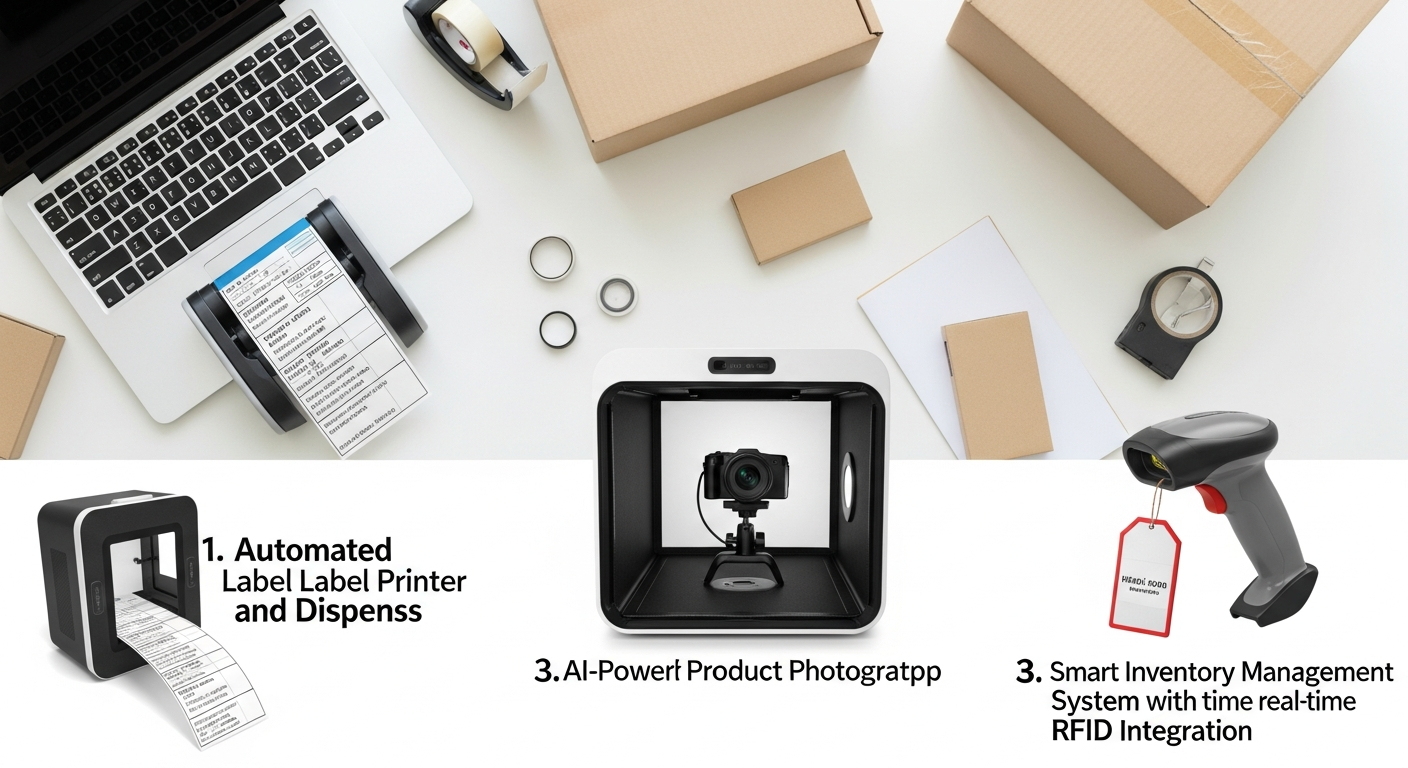
The modern customer expects more than just a product; they demand a personalized journey, tailored to their preferences, history, and real-time behavior. Generic marketing and one-size-fits-all approaches are rapidly becoming obsolete. Enter Hyper-Personalized AI-Driven Customer Experience Platforms, the first of our three transformative tech tools. These sophisticated systems leverage artificial intelligence and machine learning to create truly unique and dynamic interactions across every touchpoint, fundamentally changing how you do business.
What They Are and How They Work
At their core, these platforms are advanced CRM (Customer Relationship Management) systems supercharged with AI. They go far beyond segmenting customers into broad categories. Instead, they analyze vast datasets, including browsing history, purchase patterns, social media interactions, customer service inquiries, geographic location, and even sentiment analysis from reviews, to build an individual profile for each customer. With this deep understanding, the AI can:
- Predict Needs and Preferences: Anticipate what a customer might want next, suggesting relevant products or content even before they explicitly search for it.
- Dynamic Content & Product Recommendations: Serve up personalized website layouts, product carousels, email content, and ad creatives in real-time, adapting to the user’s current session.
- Intelligent Chatbots & Virtual Assistants: Provide hyper-responsive, context-aware customer support, resolving complex queries and guiding customers through their journey without human intervention, or seamlessly escalating to a human agent with all relevant context.
- Optimized Pricing & Promotions: Offer personalized discounts or bundles based on individual price sensitivity and past purchase behavior, maximizing conversion rates and average order value.
- Predictive Churn Prevention: Identify customers at risk of leaving and trigger targeted re-engagement campaigns with personalized incentives.
Impact on E-commerce Businesses by 2026
By 2026, these platforms will be indispensable for any e-commerce business aiming for substantial growth. The benefits are multi-faceted:
- Increased Conversion Rates: Highly relevant suggestions and experiences naturally lead to more completed purchases.
- Enhanced Customer Loyalty & Lifetime Value (LTV): Customers feel understood and valued, fostering deeper brand relationships and encouraging repeat business. This directly answers how can tech help improve business performance by increasing customer retention.
- Reduced Customer Acquisition Cost (CAC): More effective targeting means marketing spend is utilized more efficiently, attracting the right customers from the outset.
- Operational Efficiency: Automation of customer service and marketing tasks frees up human resources to focus on strategic initiatives, which in turn can help entrepreneurs better manage both home and business expenses by optimizing their time and resources.
- Data-Driven Insights: The platforms provide continuous feedback loops, offering invaluable insights into customer behavior trends and preferences, allowing for agile strategy adjustments.
Imagine a scenario where your online store greets a returning customer by name, displays products based on their recent browsing and purchases from other sites (via integrated data), and offers a custom bundle that perfectly complements their last order, all while a chatbot anticipates their shipping query. This level of personalization is not just a luxury; it’s becoming the standard, and businesses that fail to adopt will find themselves left behind.
Tech Tool 2: Advanced Predictive Analytics & Supply Chain Optimization
What They Are and How They Work
These platforms integrate machine learning, AI, and big data analytics to analyze vast amounts of historical and real-time data from across the entire supply chain. This includes everything from sales trends, inventory levels, supplier performance, shipping logistics, weather patterns, geopolitical events, social media trends, and even macroeconomic indicators. With this comprehensive data, the AI models can:
- Demand Forecasting with Unprecedented Accuracy: Move beyond simple historical averages to predict future demand with high precision, considering seasonality, promotions, external events, and emerging trends. This minimizes overstocking (reducing carrying costs) and understocking (preventing lost sales).
- Automated Inventory Management: Dynamically adjust reorder points and quantities, optimizing inventory levels across multiple warehouses and distribution centers to meet predicted demand while minimizing waste.
- Proactive Risk Management: Identify potential supply chain disruptions (e.g., supplier delays, shipping bottlenecks, natural disasters) before they occur and suggest alternative routes, suppliers, or contingency plans. This is particularly crucial for manufacturing brands, where production line stoppages can be incredibly costly, reinforcing why manufacturing brands need business insurance as a vital safety net, even with advanced predictive systems.
- Logistics and Route Optimization: Determine the most efficient shipping routes, carriers, and warehousing strategies, reducing transportation costs and delivery times. This can include optimizing last-mile delivery for urban areas.
- Supplier Performance Optimization: Evaluate supplier reliability and performance metrics, enabling businesses to make data-driven decisions about their procurement strategy and identify potential single points of failure.
- Waste Reduction & Sustainability: By accurately matching supply with demand and optimizing logistics, these platforms significantly reduce waste from expired products, inefficient transport, and unnecessary production, contributing to more sustainable business practices.
Impact on E-commerce Businesses by 2026
By 2026, businesses leveraging these platforms will gain a significant competitive edge through:
- Reduced Operational Costs: Lower inventory holding costs, minimized waste, and optimized logistics directly translate into substantial savings.
- Improved Customer Satisfaction: Faster, more reliable delivery times and fewer stockouts lead to happier customers and repeat business. This is a direct answer to how can tech help improve business performance through enhanced customer experience.
- Enhanced Agility & Resilience: The ability to foresee and adapt to disruptions makes businesses more robust and less vulnerable to external shocks, a lesson painfully learned by many during recent global events.
- Better Cash Flow Management: Optimized inventory means less capital tied up in stock, improving cash flow and providing more flexibility for other investments, which is essential for entrepreneurs striving to manage both home and business expenses effectively.
- Strategic Decision Making: Leaders gain access to real-time, actionable insights, enabling them to make more informed decisions about sourcing, pricing, and market expansion.
Imagine a system that not only tells you what to order but also from whom, when, and how to ship it, constantly adjusting to real-world variables. This level of intelligence in the supply chain transforms it from a necessary evil into a powerful engine for growth and customer satisfaction, ensuring your products are always where they need to be, when they need to be there, at the lowest possible cost.
Tech Tool 3: Decentralized Autonomous Organization (DAO) & Web3 Commerce Infrastructures

The internet, as we know it, is evolving. Web3 represents the next generation, built on decentralized blockchain technology, promising greater transparency, security, and user control. Within this paradigm, Decentralized Autonomous Organizations (DAOs) and Web3 commerce infrastructures are emerging as revolutionary tech tools that will fundamentally change how you do business, particularly for e-commerce and online entrepreneurs.
What They Are and How They Work
At its core, Web3 commerce leverages blockchain to create a more transparent, secure, and user-centric online economy. DAOs are a critical component of this, representing organizations whose rules are encoded as computer programs, transparent, controlled by the organization’s members, and not influenced by a central government or single entity. For e-commerce, this translates into:
- DAO-Governed Marketplaces: Imagine an e-commerce platform where sellers and buyers collectively own and govern the marketplace. Decisions on fees, dispute resolution, feature development, and marketing strategies are voted upon by token holders (members of the DAO), rather than dictated by a central corporation. This fosters a community-driven ecosystem where incentives are aligned.
- Tokenized Loyalty Programs & Rewards: Instead of points that expire or have limited utility, customers earn fungible or non-fungible tokens (NFTs) that represent real ownership or value within the brand’s ecosystem. These tokens can grant discounts, exclusive access to products, voting rights in product development, or even be traded on secondary markets.
- Decentralized Identity & Data Ownership: Web3 allows users to own and control their personal data. Instead of granting platforms full access, users can selectively share verified credentials and information, leading to enhanced privacy and trust. For businesses, this means focusing on permission-based marketing and building deeper trust with customers.
- Immutable Transaction Records & Supply Chain Transparency: Blockchain’s inherent immutability provides an unalterable record of all transactions. For physical goods, this can extend to a transparent supply chain where every step, from raw material to customer delivery, is verifiable on the blockchain. This significantly reduces fraud and enhances consumer trust in product authenticity and ethical sourcing. This transparency can also be crucial for compliance and risk assessment, tying back to the need for robust risk management, even for manufacturing brands considering why manufacturing brands need business insurance.
- Direct-to-Avatar Commerce & Metaverse Integration: As the metaverse expands, Web3 infrastructure will enable seamless commerce within virtual worlds. Businesses can sell digital goods (e.g., skins, virtual clothing, NFTs) directly to avatars, and even link these digital purchases to physical products, creating new revenue streams and immersive customer experiences.
Impact on E-commerce Businesses by 2026
By 2026, embracing DAOs and Web3 commerce infrastructures will offer transformative advantages:
- Enhanced Trust & Transparency: Blockchain’s inherent security and transparency build unprecedented trust with customers and partners, differentiating brands in a crowded market.
- Community-Driven Growth: DAOs empower communities to contribute to and benefit from the platform’s success, fostering deeper engagement and organic growth.
- New Revenue Streams & Business Models: Tokenization, NFTs, and metaverse commerce open up entirely new avenues for monetization and customer interaction.
- Reduced Intermediary Costs: Decentralized platforms can potentially reduce reliance on traditional payment processors and marketplaces, lowering transaction fees and giving businesses more control over their margins, directly impacting profitability and how can tech help improve business performance.
- Greater Customer Loyalty: Giving customers actual ownership and a voice through tokens creates a powerful sense of belonging and loyalty that traditional programs can’t match. This can help entrepreneurs looking to manage both home and business expenses by building a stable, dedicated customer base that requires less continuous marketing spend.
Imagine a brand where loyal customers vote on the next product line, earn tokens for every purchase that can be used to buy exclusive NFTs, and participate in a decentralized marketplace that they co-own. This level of participation and ownership redefines the customer-brand relationship, moving beyond transactional exchanges to true partnership.
Integrating Innovation: A Strategic Imperative for 2026 and Beyond
Identifying these transformative tech tools is only the first step; the real challenge and opportunity lie in their strategic integration into your existing business framework. For e-commerce sellers and online entrepreneurs, this isn’t about haphazard adoption but about a thoughtful, phased approach that aligns with your overarching business goals and vision for 2026 and beyond.
Phased Adoption and Strategic Planning
Implementing these advanced technologies requires careful planning. Start with pilot projects in specific areas of your business where the potential impact is highest. For instance, begin with an AI-driven personalization engine on a subset of your product categories to measure its effect on conversion rates. Or, test predictive analytics for a single product line’s inventory management before rolling it out across your entire catalog. This incremental approach allows for learning, adjustment, and demonstration of ROI without overhauling your entire operation overnight.
Crucially, how can tech help improve business performance must be the guiding question for every integration. Define clear KPIs (Key Performance Indicators) before you begin, whether it’s increased customer lifetime value, reduced stockouts, or improved supply chain visibility. This data-driven approach ensures that your investments are yielding tangible results and contributing directly to your bottom line.
Building a Tech-Ready Team and Culture
Technology is only as effective as the people who wield it. Investing in these tools also means investing in your team’s capabilities. Provide training, foster a culture of continuous learning, and consider bringing in specialized talent where necessary. Encourage experimentation and embrace failure as a learning opportunity. The best technical innovations thrive in environments where curiosity and adaptability are celebrated. This cultural shift is vital for maximizing the potential of any new tool.
Managing Risks and Ensuring Resilience
While these tools offer immense advantages, they also introduce new complexities and potential risks. Data security, privacy compliance (especially with AI platforms handling sensitive customer data), and the stability of decentralized networks are all considerations. This is where a holistic risk management strategy becomes paramount. For instance, even with the most advanced predictive analytics optimizing your supply chain, unforeseen global events can still occur. This underlines why manufacturing brands need business insurance – to provide a crucial layer of protection against losses from cyber-attacks, supply chain disruptions, or product liability, acting as a financial safety net even when your tech stack is cutting edge.
Regular audits, robust cybersecurity protocols, and contingency planning are essential. Furthermore, understanding the regulatory landscape around AI and Web3 is critical, as these areas are constantly evolving. Staying informed and compliant will protect your business from potential legal and reputational damage.
Financial Considerations and ROI
Adopting advanced tech tools represents a significant investment. Entrepreneurs need to meticulously evaluate the potential return on investment (ROI). This involves not only looking at direct cost savings and revenue generation but also intangible benefits like improved brand reputation, increased customer loyalty, and enhanced operational agility. For individual entrepreneurs, this strategic financial planning also extends to personal finances. Learning how to manage both home and business expenses effectively becomes even more important when making substantial technology investments. Clear budgeting, separating business and personal accounts, and understanding the tax implications of tech depreciation can help ensure that business growth doesn’t come at the expense of personal financial stability.
By strategically integrating these technical innovations, e-commerce businesses can position themselves not just to survive but to thrive and lead in the dynamic digital marketplace of 2026 and beyond, building resilient, customer-centric, and highly efficient operations.
Beyond the Tools: Cultivating an Innovation Mindset
While the three tech tools discussed – Hyper-Personalized AI-Driven Customer Experience Platforms, Advanced Predictive Analytics & Supply Chain Optimization, and DAO & Web3 Commerce Infrastructures – offer tangible pathways to transforming your business, true enduring success stems from something deeper: cultivating an innovation mindset. For e-commerce sellers and online entrepreneurs, this isn’t merely about adopting the latest gadget; it’s about embedding a culture of continuous improvement, adaptability, and forward-thinking into the very fabric of your organization.
An innovation mindset means constantly asking “What if?” and “How can we do this better?” It involves actively seeking out emerging technologies, even those that seem tangential to your current operations, and envisioning their potential applications. It’s about being comfortable with change, understanding that the digital landscape is fluid, and that today’s cutting-edge solution might be tomorrow’s legacy system.
This mindset encourages experimentation. Not every new tool or strategy will be a resounding success, and that’s perfectly acceptable. The ability to quickly test, learn from failures, and iterate is far more valuable than a rigid adherence to outdated processes. It also fosters a proactive approach to challenges, turning potential problems into opportunities for growth and differentiation.
Furthermore, an innovation mindset extends to your team. Empowering employees to contribute ideas, providing resources for skill development in new technologies, and celebrating creative problem-solving are all crucial. This collective intelligence amplifies your business’s capacity to innovate and adapt. By fostering this environment, you ensure that your business remains agile, not just in adopting specific tools, but in fundamentally reimagining how you do business in response to an ever-evolving market.
Ultimately, the technical innovations of 2026 and beyond are powerful enablers, but they are tools. The true change agents are the entrepreneurs and businesses that possess the vision, courage, and adaptive mindset to wield these tools effectively, continually seeking new ways to create value, delight customers, and secure a sustainable future. Embracing this philosophy ensures that your business doesn’t just keep up with the future, but actively helps shape it.
Frequently Asked Questions
Recommended Resources
Explore Best Passive Income Ideas 2026 for additional insights.
Explore How To Find Investors For Your Small Business for additional insights.