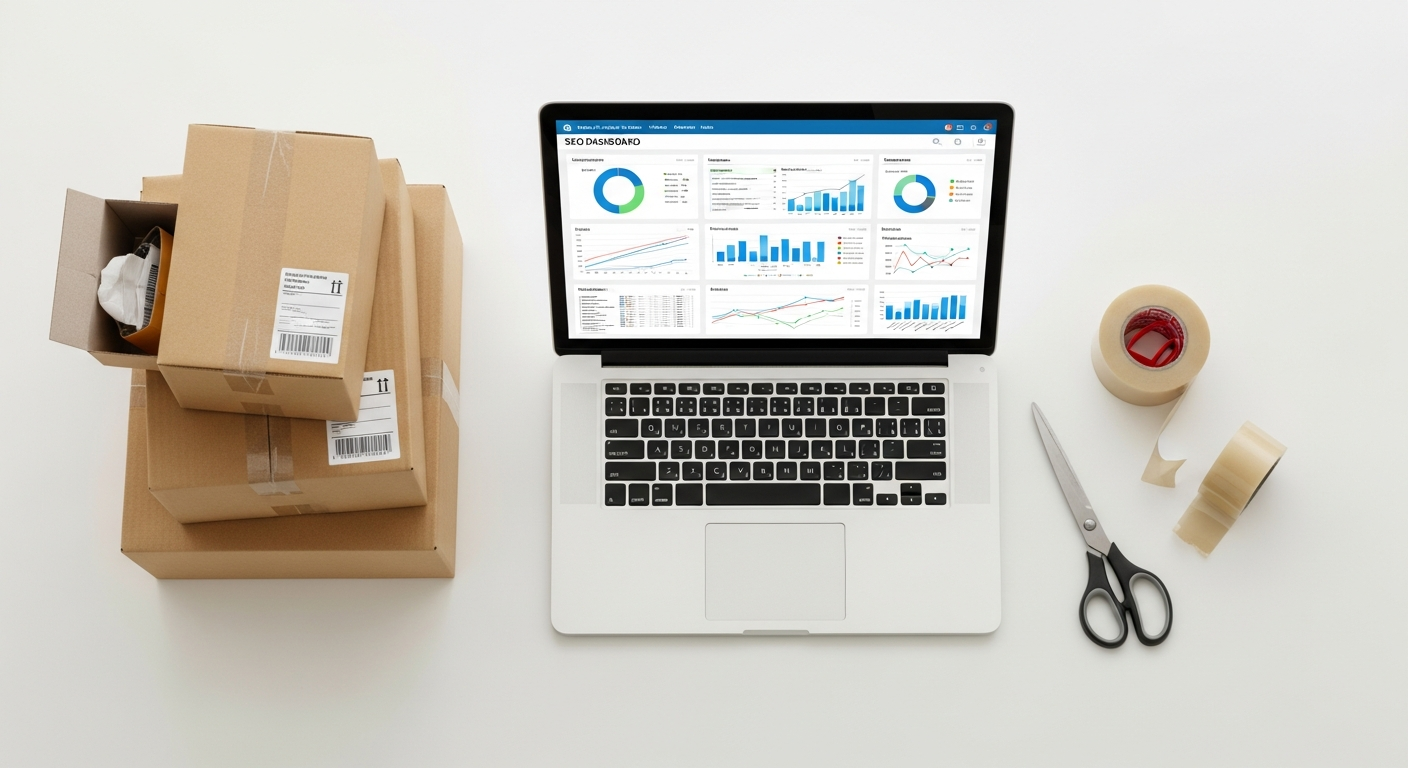
Print on demand vs holding inventory

Print on demand vs holding inventory
Categories:
Date:
April 13, 2026

Print on Demand vs. Holding Inventory: The Ultimate 2026 Profitability Guide for E-commerce Sellers

The e-commerce landscape of 2026 is faster, smarter, and more competitive than ever. For entrepreneurs looking to carve out their piece of the trillion-dollar digital pie, the most critical decision isn’t just *what* to sell, but *how* to fulfill it. This decision creates a fork in the road: do you leverage the lean, agile “just-in-time” model of Print on Demand (POD), or do you take the traditional route of holding physical inventory to maximize margins and brand control?

Both paths offer a route to financial freedom, yet they cater to entirely different business temperaments and capital structures. In the current market, consumer expectations for lightning-fast shipping and high-quality customization are at an all-time high. Choosing the wrong fulfillment strategy can lead to strangled cash flow or, conversely, missed opportunities for brand scaling. Whether you are a side-hustler aiming for your first $1,000 month or a seasoned brand owner looking to optimize operations, understanding the nuanced differences between POD and holding inventory is the key to maximizing your ROI. This guide dismantles the complexities of both models, providing actionable strategies to help you dominate your niche this year.

1. Print on Demand: The Lean Entry Strategy for 2026

Print on Demand (POD) has evolved from a simple t-shirt printing method into a sophisticated global manufacturing ecosystem. In this model, you only produce a product when a customer places an order. There is no upfront stock, no warehouse fees, and virtually zero risk of “dead inventory.”

How It Works Today

Modern POD utilizes high-tech integrations between your storefront (like Shopify or Wix) and fulfillment partners (like Printful, Printify, or Gelato). When a customer buys a custom-designed hoodie, the order is automatically routed to a printing facility nearest to the customer’s location.

Actionable Strategies for POD Success:

  • **Leverage AI-Driven Design:** Don’t guess what will sell. Use AI tools like Midjourney or DALL-E 3 to generate high-resolution, unique artwork that resonates with specific subcultures.
  • **Focus on Micro-Niches:** In 2026, broad appeal is a recipe for failure. Target hyper-specific niches—such as “Urban Gardening Enthusiasts” or “Quantum Physics Hobbyists”—where customers are willing to pay a premium for unique designs.
  • **Personalization is King:** Use apps like *Zepto Product Personalizer* to allow customers to add their names or photos to your POD products. High levels of customization allow you to charge 20-30% more than standard items.

The Bottom Line: POD is the ultimate “testing ground.” It allows you to launch 50 different designs with zero capital investment, identifying winners before you ever commit to a larger production run.

2. Holding Inventory: The High-Margin Powerhouse

While POD offers low risk, holding your own inventory offers the highest profit potential. This traditional model involves purchasing products in bulk—usually through manufacturers on platforms like Alibaba or Global Sources—and storing them in a warehouse or a Third-Party Logistics (3PL) provider.

Why Inventory Still Rules for Established Brands

Holding stock allows for massive economies of scale. Where a POD t-shirt might cost you $13 to produce, a bulk order of 500 units could bring that cost down to $4.50. This creates a much larger “moat” for your marketing spend and net profit.

Actionable Strategies for Inventory Management:

  • **The 3PL Advantage:** You don’t need a garage full of boxes. Use 3PL providers like **ShipBob** or **Amazon FBA**. They handle storage, picking, packing, and 2-day shipping, allowing you to focus purely on brand growth.
  • **Custom Packaging (Unboxing Experience):** When you hold inventory, you control the box. Use services like **Arka** or **Packlane** to create branded packaging. In the 2026 market, the “unboxing” experience is a vital marketing tool that drives social media shares.
  • **Quality Control Audits:** Never ship blindly. Hire third-party inspection services (like **QIMA**) to visit the factory and check your goods before they are shipped to your warehouse. This prevents the high cost of returns.

The Bottom Line: If you have a proven product and the capital to invest, holding inventory allows you to scale your brand with superior margins and a consistent customer experience.

3. The Financial Breakdown: Calculating Your True ROI

To maximize profits, you must look past the “per-unit” cost. Each model has hidden expenses that can eat into your bottom line.

Print on Demand Cost Structure:

  • **Pros:** Zero storage fees, zero shipping labor, no insurance on stock.
  • **Cons:** High COGS (Cost of Goods Sold). Your profit margins are typically capped at 30-40%.
  • **The Math:** Sale Price ($30) – POD Cost ($18) – Marketing ($7) = **$5 Profit.**

Holding Inventory Cost Structure:

  • **Pros:** Low COGS. Potential for 60-80% margins.
  • **Cons:** Warehouse storage fees, “dead stock” risk (items that don’t sell), and shipping software subscriptions.
  • **The Math:** Sale Price ($30) – Bulk Cost ($6) – Storage/3PL ($4) – Marketing ($7) = **$13 Profit.**

How to Choose Based on Budget:

1. Under $1,000: Stick to POD. Your capital should go toward high-quality designs and Facebook/TikTok ads.

2. $1,000 – $5,000: Consider a “Small Batch” inventory approach. Order 50-100 units of your best-selling POD item to increase margins.

3. $10,000+: Move into private labeling and 3PL fulfillment for your core product line while keeping POD for experimental designs.

4. The Hybrid Model: The Secret to Maximum Profitability in 2026

The most successful e-commerce entrepreneurs today do not choose one or the other—they use both. This is known as the Hybrid Fulfillment Strategy.

The Step-by-Step Evolution:

1. Phase 1: Validation (POD). Launch 10 new designs using a POD provider. Run low-budget ads to see which ones get the most engagement and sales.

2. Phase 2: Transition (Bulk). Once a design sells more than 30 units a week consistently, move that specific SKU to a bulk manufacturer. This immediately doubles your profit margin on your “hero” product.

3. Phase 3: Expansion (POD). While your bulk product pays the bills, continue using POD to launch seasonal items (e.g., holiday-themed gear) or limited-edition collaborations.

Tools for Hybrid Selling:

  • **Inventory Management:** Use **Skubana** or **Linnworks** to sync your POD orders and your 3PL stock into one dashboard.
  • **Smart Routing:** Set up your Shopify store to route “Core Products” to your 3PL and “Custom/New Products” to your POD provider automatically.

5. Logistics and Customer Expectations in 2026

In 2026, shipping speed is no longer a “bonus”—it is a requirement. Amazon has conditioned consumers to expect 1-2 day delivery. How do both models stack up?

POD Logistics Challenges

POD often takes 2-5 days for production plus 3-5 days for shipping. To combat this, you must be transparent. Use a “Track Your Order” page and send automated emails explaining that the product is being “handcrafted specifically for you.” This turns a delay into a premium brand story.

Inventory Logistics Advantages

By using distributed warehousing (storing stock in multiple locations across the country), you can achieve 2-day shipping. Use ShipBob’s analytics to see where your customers live and split your inventory between their East Coast and West Coast hubs to reduce shipping zones and costs.

Sustainability Considerations

Sustainability is a major profit driver in 2026. POD is inherently more sustainable because it eliminates overproduction and textile waste. If you hold inventory, offset your carbon footprint by using EcoCart at checkout. Customers are increasingly choosing brands that align with their environmental values.

6. Implementation Checklist: Your Path to Profit

Ready to launch? Follow this step-by-step framework to ensure you choose the right path for your specific goals.

Step 1: Market Research

Use Helium 10 or Jungle Scout to analyze search volume. If a product has high demand but low “uniqueness,” holding inventory for better pricing is the way to win. If the market rewards unique, artistic designs, start with POD.

Step 2: Risk Assessment

Ask yourself: “If I bought 500 units of this and they never sold, would I be out of business?” If the answer is yes, you are not ready for inventory. Start with POD to build your “war chest” of capital.

Step 3: Tech Stack Setup

  • **Platform:** Shopify (Best for scaling).
  • **POD Partner:** Printify (Great for price comparison).
  • **Analytics:** Triple Whale (To track your true profit across all channels).

Step 4: Marketing Strategy

For POD, focus on TikTok and Instagram Reels showcasing the design process. For inventory-based products, focus on User-Generated Content (UGC) that shows the physical quality and the branded packaging of the product.

FAQ: Navigating the Complexities of Fulfillment

Q1: Is Print on Demand still profitable in 2026 with rising shipping costs?

Yes, but the “commodity” POD model (basic shirts with simple text) is struggling. Profitability now lies in high-ticket items like all-over-print (AOP) apparel, custom furniture, and tech accessories. By focusing on high-perceived-value items, you can maintain healthy margins despite shipping fluctuations.

Q2: How do I handle returns for POD products?

Most POD providers only accept returns for damaged goods. To protect your profits, your store policy should clearly state that because items are custom-made, returns for “change of mind” are not accepted. However, offering a 50% discount on a replacement can often turn a frustrated customer into a loyal one without breaking the bank.

Q3: What is the minimum capital needed to start holding inventory?

While it varies by product, a safe starting point is $2,500 to $5,000. This covers the initial bulk order, shipping from the factory, 3PL setup fees, and a small marketing budget to get the first sales moving.

Q4: Can I switch from POD to holding inventory on the same Shopify store?

Absolutely. This is the recommended path. Most e-commerce platforms allow you to assign different fulfillment services to different products. You can transition your best-sellers to bulk stock while keeping your “experimental” designs on POD.

Q5: How do I find reliable manufacturers for holding inventory?

Start with Alibaba, but look for the “Verified Supplier” and “Trade Assurance” badges. For 2026, many sellers are also looking at “near-shoring” (sourcing from Mexico for US sellers or Turkey/Poland for EU sellers) to reduce shipping times and avoid geopolitical tariffs.

Conclusion: Take Action and Scale Your Vision

The debate between Print on Demand and holding inventory isn’t about which model is “better”—it’s about which model fits your current stage of growth.

Choose Print on Demand if you are in the discovery phase. Use it to test ideas, find your voice, and build an audience without the shadow of financial debt. It is the ultimate laboratory for the modern entrepreneur.

Choose Holding Inventory if you have found your “Winner.” Once you have data proving that your product sells, move to inventory to reclaim your margins, control your branding, and provide the lightning-fast shipping that modern customers demand.

The most profitable sellers of 2026 are those who remain agile. Start small, test relentlessly, and scale aggressively when the data tells you it’s time.

Your Next Step:** Pick one product idea today. Research it on TikTok to see the trends, and then sign up for a POD service to create your first prototype. The only way to find your path is to start walking it. **Build your brand, secure your margins, and start selling today!

Written By

Explore more articles

Contact Us

Want to learn more about us? Complete this form and someone from our team will be in touch soon.

Jessie Guerrero

Recent Articles