
The Ultimate Guide to Ecommerce Supply Chain Optimization: Master D2C Profitability & Growth
Affiliate disclosure: This article may contain affiliate links. Recommendations are independent and editorially driven.
Key Takeaways for E-commerce Supply Chain Mastery
- **Holistic Optimization:** The ecommerce supply chain is a complex ecosystem. Optimize every stage from sourcing to reverse logistics to maximize profitability and customer satisfaction for D2C brands.
- **Data-Driven Decisions:** Leverage advanced analytics, AI, and robust ERP/SCM systems for precise demand forecasting, inventory management, and performance monitoring.
- **Strategic Partnerships:** Carefully evaluate and select 3PLs and technology providers that align with your brand’s values and growth objectives.
- **Customer-Centric Fulfillment:** Prioritize fast, transparent, and flexible last-mile delivery and hassle-free returns to build lasting customer loyalty.
- **Resilience and Sustainability:** Build agile, transparent, and ethically responsible supply chains capable of adapting to disruptions and meeting evolving consumer expectations.
- **Continuous Improvement:** Regularly review KPIs, adapt to emerging technologies, and foster a culture of continuous optimization across your entire supply chain network.
In the fiercely competitive world of direct-to-consumer (D2C) e-commerce, a streamlined and efficient ecommerce supply chain isn’t just a cost center – it’s a strategic differentiator. For D2C brands striving for growth, conversion, and online store profitability, understanding and mastering every facet of their supply chain is paramount. From sourcing raw materials to the critical last-mile delivery and efficient handling of returns, every step impacts your bottom line, customer experience, and ultimately, your brand’s reputation.
This comprehensive guide from e-comprofits delves deep into the intricacies of the modern ecommerce supply chain. We’ll explore the essential components, unearth best practices for optimization, discuss cutting-edge technologies, and provide actionable strategies designed to help your D2C business not just survive, but thrive in 2026 and beyond. Prepare to transform your operational challenges into powerful competitive advantages, ensuring your products move seamlessly from concept to customer’s door, all while safeguarding your profit margins.
Understanding the E-commerce Supply Chain Landscape
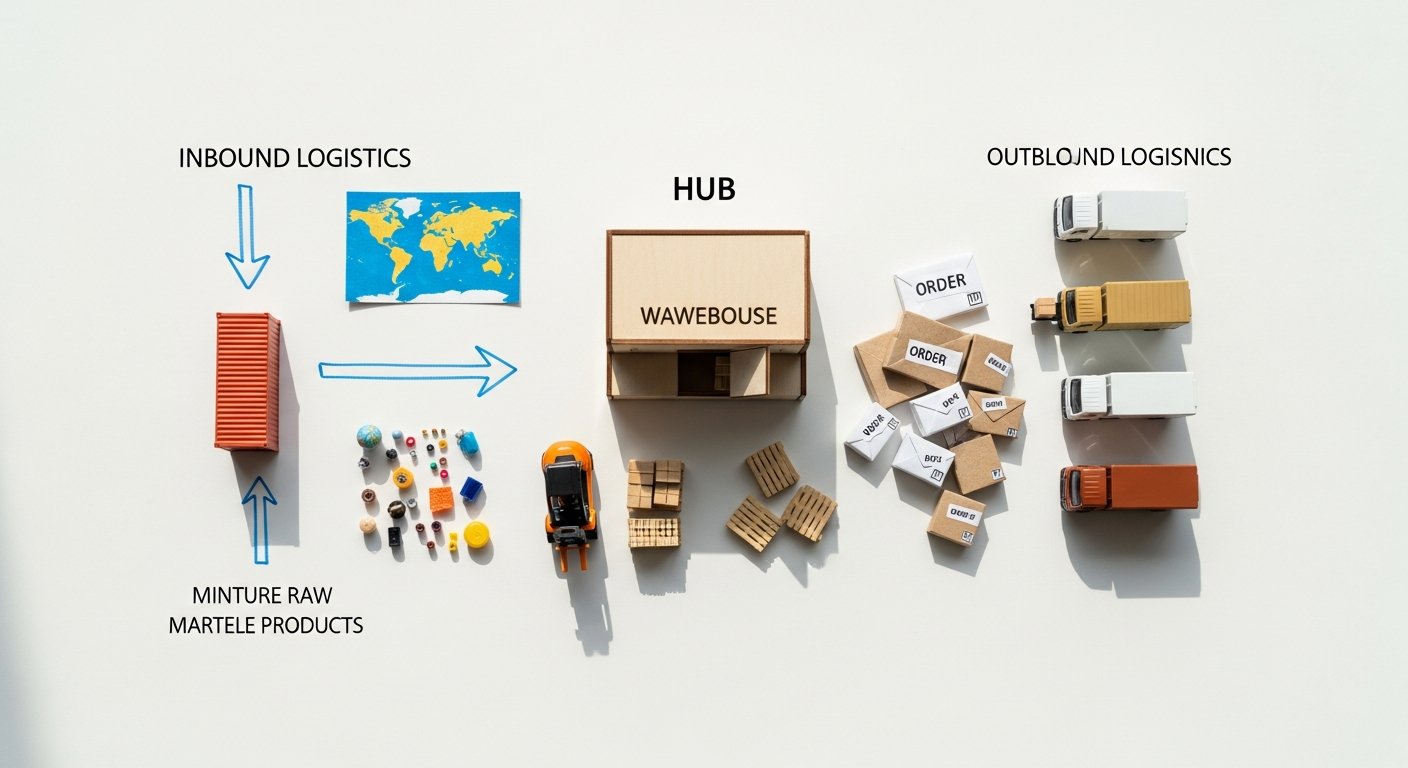
Before diving into optimization strategies, it’s crucial to grasp the fundamental components and inherent complexities of an ecommerce supply chain. Unlike traditional retail, e-commerce demands speed, flexibility, and a laser focus on the individual customer experience, pushing the boundaries of conventional logistics.
What is an E-commerce Supply Chain?
An ecommerce supply chain is the end-to-end system that manages the flow of goods, information, and finances involved in selling products online. It encompasses every stage from the initial procurement of raw materials to the final delivery of the product to the customer’s doorstep, and crucially, the handling of returns. Key stages typically include:
- Sourcing & Procurement: Identifying and acquiring materials or finished goods from suppliers.
- Manufacturing/Production: Transforming raw materials into finished products (if applicable).
- Inventory Management: Storing, tracking, and managing product stock levels.
- Warehousing: The physical location and processes for storing goods.
- Order Fulfillment: Picking, packing, and preparing orders for shipment.
- Logistics & Shipping: Transporting goods from warehouse to customer (last-mile delivery).
- Customer Service: Handling inquiries related to orders, shipping, and products.
- Reverse Logistics: Managing returns, exchanges, and repairs.
Each of these stages is interconnected, and inefficiencies in one area can cascade, affecting the entire chain and ultimately impacting customer satisfaction and profitability.
Why an Optimized Supply Chain is Critical for D2C Brands
For D2C brands, an optimized ecommerce supply chain is not merely an operational necessity; it’s a core pillar of their business model. Here’s why it’s so critical:
- Cost Reduction: Streamlined processes, efficient inventory, and optimized shipping directly translate to lower operational costs, boosting profit margins.
- Enhanced Customer Experience: Fast, reliable, and transparent delivery, coupled with easy returns, builds trust and loyalty, turning first-time buyers into repeat customers.
- Competitive Advantage: In a crowded market, superior delivery speed, accuracy, and customer service can differentiate your brand from competitors.
- Scalability: A robust supply chain infrastructure allows D2C brands to handle increased order volumes without significant dips in performance or spiraling costs.
- Reduced Risk: Diversified sourcing, contingency planning, and real-time visibility mitigate risks from disruptions like supplier issues, natural disasters, or geopolitical events.
- Improved Cash Flow: Optimized inventory management reduces capital tied up in stock, freeing up funds for marketing, product development, or other growth initiatives.
- Brand Reputation: A smooth delivery experience reinforces positive brand perception, while consistent failures can severely damage it.
In essence, an efficient ecommerce supply chain enables D2C brands to deliver on their brand promise consistently, fostering growth and sustained profitability.
Key Challenges in Modern E-commerce Supply Chains
The contemporary ecommerce landscape presents a unique set of challenges that D2C brands must navigate:
- Demand Volatility: E-commerce demand can fluctuate wildly due to marketing campaigns, seasonal trends, and viral products, making accurate forecasting difficult.
- Global Complexity: Sourcing and selling internationally introduces customs, tariffs, regulatory compliance, and longer transit times.
- Last-Mile Delivery Expectations: Consumers expect faster, cheaper, and often free shipping, putting immense pressure on logistics providers and increasing costs.
- Returns Management: High e-commerce return rates create a complex “reverse logistics” challenge, impacting inventory, costs, and environmental footprint.
- Sustainability Pressures: Growing consumer demand for eco-friendly practices requires sustainable sourcing, packaging, and shipping options.
- Technological Integration: Integrating various systems (ERP, WMS, OMS, TMS) across the supply chain can be complex and expensive.
- Labor Shortages: Finding and retaining skilled labor for warehousing and logistics remains a persistent challenge.
- Supply Chain Visibility: Gaining real-time, end-to-end visibility across a complex network of partners is often difficult, leading to blind spots.
Strategic Sourcing and Supplier Management
The foundation of a resilient and profitable ecommerce supply chain lies in strategic sourcing and robust supplier relationships. For D2C brands, this often means directly managing relationships with manufacturers or raw material providers, bypassing traditional middlemen and gaining greater control over quality, cost, and ethical standards.
Identifying Reliable Suppliers
Finding the right suppliers is a critical first step. It’s not just about the lowest price; reliability, quality, and alignment with your brand values are equally, if not more, important. Consider the following factors:
- Quality Standards: Do they consistently meet your product specifications? Request samples and conduct thorough quality checks.
- Production Capacity: Can they scale with your growth? Assess their current capacity and future expansion capabilities.
- Lead Times: How long does it take from order placement to delivery? Shorter, consistent lead times are crucial for inventory management.
- Communication & Responsiveness: Are they easy to communicate with? Timely responses are vital for problem-solving and proactive management.
- Financial Stability: A financially unstable supplier can lead to significant disruptions. Perform due diligence where possible.
- Certifications & Compliance: Do they adhere to relevant industry standards, labor laws, and environmental regulations?
- Minimum Order Quantities (MOQs): Ensure their MOQs align with your inventory strategy and cash flow.
Platforms like Alibaba, Thomasnet, or specialized trade shows can be starting points, but always follow up with thorough vetting, site visits (if feasible), and reference checks.
Ethical Sourcing and Sustainability
Consumers in 2026 are increasingly conscious of a brand’s social and environmental impact. Ethical sourcing and sustainability are no longer optional but essential for D2C brands looking to build a reputable and beloved brand. This involves:
- Fair Labor Practices: Ensuring suppliers pay fair wages, provide safe working conditions, and do not use child or forced labor.
- Environmental Impact: Assessing the carbon footprint of production, waste management, and resource consumption. Look for suppliers using renewable energy or sustainable materials.
- Transparency: Being able to trace your products back to their origin and verify their ethical credentials. Blockchain technology is emerging as a powerful tool for this.
- Sustainable Materials: Prioritizing recycled, organic, biodegradable, or responsibly sourced materials for both products and packaging.
Integrating these values into your sourcing strategy not only mitigates risks but also resonates deeply with your target audience, fostering a stronger brand connection. Many brands partner with third-party auditors to verify supplier compliance with ethical standards.
Diversifying Your Supplier Base
Relying on a single supplier, especially for critical components or products, introduces significant risk. Geopolitical instability, natural disasters, or even a single supplier’s operational issues can bring your entire operation to a halt. Diversifying your supplier base is a key risk mitigation strategy:
- Multiple Suppliers for Key Items: Have at least two, preferably three, approved suppliers for your most crucial products or components.
- Geographic Diversity: Source from different regions or countries to minimize impact from localized disruptions.
- Develop Strong Relationships: Even with multiple suppliers, foster strong, collaborative relationships. This often means treating them as partners rather than mere vendors.
While maintaining multiple supplier relationships can add complexity, the resilience it provides to your ecommerce supply chain is invaluable for long-term stability and growth. This strategy is closely tied to ensuring ecommerce business continuity during unforeseen events.
Contract Negotiation and Relationship Building
Effective contract negotiation sets the terms for a successful supplier relationship, but ongoing relationship building ensures its longevity. Key aspects include:
- Clear Service Level Agreements (SLAs): Define expectations for quality, lead times, delivery performance, and communication.
- Pricing Structures: Negotiate competitive pricing, but also consider factors like payment terms, volume discounts, and price stability clauses.
- Intellectual Property Protection: Especially relevant for custom products, ensure your designs and innovations are protected.
- Regular Performance Reviews: Schedule periodic reviews to assess supplier performance against KPIs and address any issues proactively.
- Collaborative Innovation: Work with your suppliers to identify opportunities for product improvement, cost reduction, or process optimization. A true partnership can unlock significant value for both parties.
Investing in these relationships builds trust, improves responsiveness, and can lead to more favorable terms and greater flexibility during times of high demand or unforeseen challenges.
Inventory Management: The Heart of E-commerce Efficiency
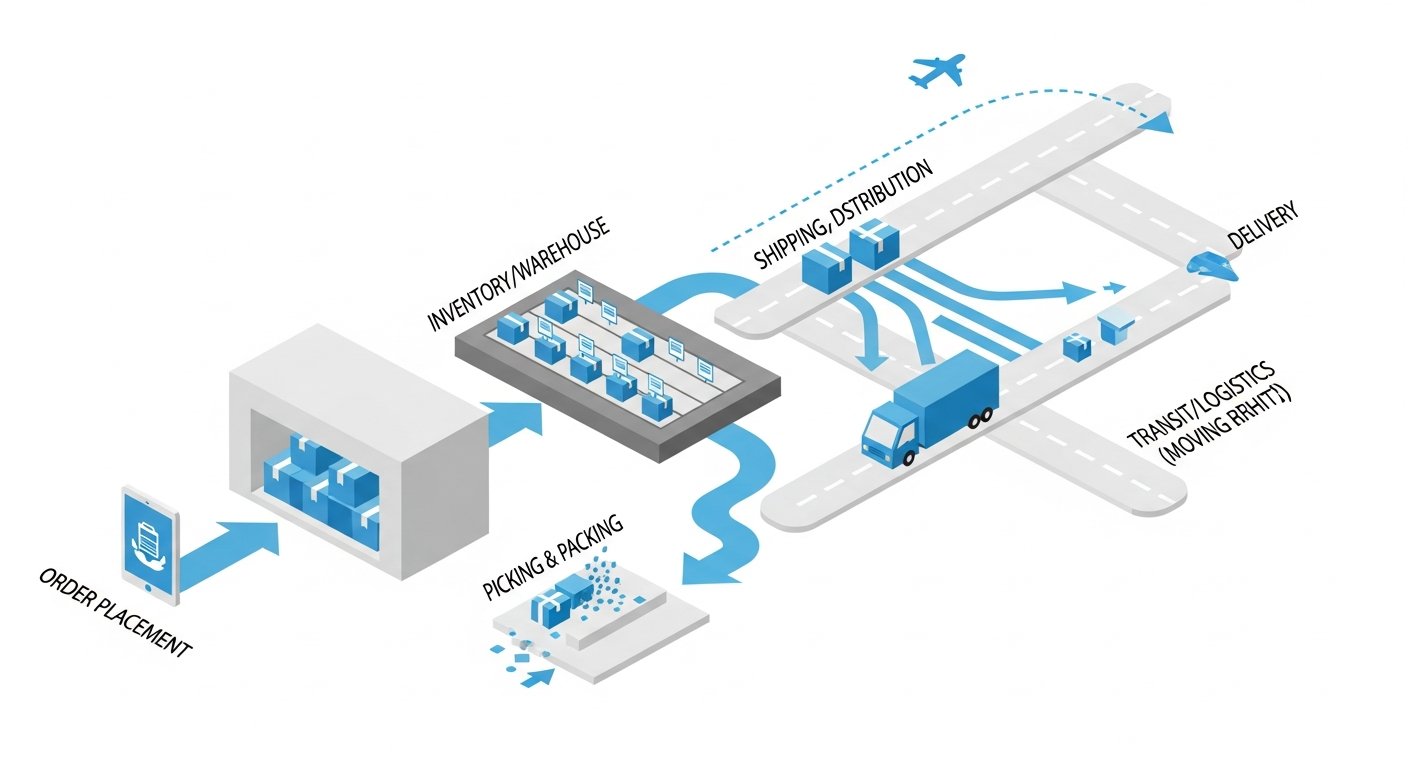
Efficient inventory management is arguably the most critical component of a profitable ecommerce supply chain. It’s a delicate balancing act: too much inventory ties up capital and risks obsolescence; too little leads to stockouts, lost sales, and frustrated customers. Mastering this balance directly impacts cash flow, customer satisfaction, and operational efficiency.
Inventory Forecasting Techniques (Demand Planning, Predictive Analytics)
Accurate demand forecasting is the cornerstone of effective inventory management. Without knowing what customers are likely to buy, when, and in what quantities, inventory decisions become pure guesswork. Modern D2C brands leverage advanced techniques:
- Historical Data Analysis: Analyzing past sales trends, seasonality, and promotional impacts.
- Qualitative Forecasting: Incorporating market research, expert opinions, and sales team insights, especially for new products.
- Quantitative Models: Using statistical methods like moving averages, exponential smoothing, or regression analysis.
- Predictive Analytics & AI: Advanced algorithms can process vast datasets (website traffic, social media trends, competitor activity, weather, economic indicators) to generate highly accurate forecasts, adapting to real-time changes.
- Scenario Planning: Developing contingency plans for various demand scenarios (e.g., higher-than-expected viral demand, unexpected sales dip).
The goal is not perfection, but continuous improvement in forecast accuracy, allowing for smarter purchasing and stock allocation. This helps minimize both overstocking and stockouts, directly contributing to maximizing ecommerce profitability.
Inventory Models: JIT, Dropshipping, Safety Stock
Different D2C businesses adopt various inventory models based on product type, capital availability, and risk tolerance:
- Just-In-Time (JIT): Inventory arrives just as it’s needed for production or shipment. Minimizes holding costs and waste but requires extremely reliable suppliers and precise forecasting. High risk if there are supply chain disruptions.
- Dropshipping: The seller doesn’t hold any inventory. When a customer places an order, the seller purchases the item from a third party (supplier or manufacturer) who then ships it directly to the customer. Low startup costs, no inventory risk, but less control over quality and shipping.
- Safety Stock: Holding an extra quantity of inventory to prevent stockouts due to unexpected demand spikes or supply delays. It’s a buffer to mitigate risk, but comes with increased holding costs.
- Economic Order Quantity (EOQ): A formula that calculates the optimal order quantity to minimize total inventory costs (holding costs + ordering costs).
- Reorder Point (ROP): The level of inventory at which a new order should be placed to replenish stock before it runs out.
Many D2C brands use a hybrid approach, combining dropshipping for niche products with safety stock for their bestsellers.
Warehouse Management Systems (WMS)
A robust Warehouse Management System (WMS) is essential for efficient inventory operations. A WMS helps to:
- Track Inventory in Real-Time: Provides accurate visibility into stock levels across all locations.
- Optimize Storage: Guides placement of products for efficient picking (e.g., fast-moving items near shipping).
- Streamline Picking & Packing: Directs staff along optimal routes, reducing errors and processing time.
- Automate Tasks: Integrates with other systems (OMS, shipping carriers) to automate order processing and label generation.
- Improve Labor Efficiency: Provides data on worker performance and helps optimize staffing.
- Manage Returns: Facilitates the receiving and processing of returned goods.
For growing D2C brands, investing in a scalable WMS is crucial to maintain efficiency as order volumes increase.
Preventing Stockouts and Overstocking
Both stockouts and overstocking are detrimental to D2C profitability:
- Preventing Stockouts:
- Improve forecasting accuracy.
- Implement safety stock for critical items.
- Diversify suppliers.
- Monitor inventory levels proactively with automated alerts.
- Have clear reorder points and processes.
- Maintain strong communication with suppliers about lead times.
- Preventing Overstocking:
- Rigorous demand forecasting.
- Optimize order quantities (e.g., using EOQ).
- Regularly analyze inventory turnover and identify slow-moving items.
- Implement markdown strategies for excess stock before it becomes obsolete.
- Leverage JIT principles where feasible.
- Negotiate flexible order quantities with suppliers.
Inventory Optimization Strategies for D2C
To truly optimize inventory, D2C brands should consider:
- ABC Analysis: Categorize inventory items by value. “A” items are high-value, low-volume, requiring tight control; “C” items are low-value, high-volume, needing simpler management.
- Multi-Channel Inventory Sync: If selling across multiple platforms (Shopify, Amazon, Etsy), ensure real-time inventory synchronization to prevent overselling.
- Batch Tracking/Lot Control: Important for products with expiry dates or those requiring recall capabilities.
- Inventory Audits: Regular physical counts or cycle counting to ensure system accuracy.
- Supplier Collaboration: Share demand forecasts with suppliers to enable them to better plan their production.
By implementing these strategies, D2C brands can ensure they have the right products, in the right quantity, at the right time, minimizing costs and maximizing sales.
Fulfillment Strategies: In-House, 3PL, or Hybrid?
Once an order is placed, the clock starts ticking. How you fulfill that order — picking, packing, and preparing it for shipment — directly impacts delivery speed, cost, and customer satisfaction. D2C brands have several options for managing this crucial part of their ecommerce supply chain.
In-House Fulfillment: Pros and Cons
In-house fulfillment means managing all aspects of order processing and shipping within your own facilities. This is often the starting point for many D2C brands.
Pros:
- Full Control: Complete oversight over quality control, packaging, branding experience, and customer service integration.
- Brand Customization: Ability to personalize packaging, inserts, and unboxing experiences to reinforce brand identity.
- Flexibility: Easier to adapt to unique packaging requirements, special requests, or sudden changes in strategy.
- Direct Feedback Loop: Immediate insights from fulfillment operations can directly inform product development or marketing.
- Lower Per-Unit Cost (at scale): Once infrastructure is established, fixed costs can be spread over many orders, potentially reducing per-unit cost compared to a 3PL.
Cons:
- High Capital Investment: Requires significant upfront investment in warehouse space, equipment, WMS, and labor.
- Scalability Challenges: Difficult to scale quickly during peak seasons or periods of rapid growth without substantial investment.
- Operational Complexity: Managing logistics, staffing, and compliance is complex and can divert focus from core business activities.
- Limited Reach: Typically restricts shipping to a single region, making it harder to offer fast, cost-effective shipping nationwide or internationally.
- Hidden Costs: Beyond rent and labor, consider utilities, insurance, maintenance, packaging supplies, and potential shipping rate disadvantages compared to large 3PLs.
Partnering with a 3PL (Third-Party Logistics) Provider
A 3PL is an outsourced provider that handles some or all of your logistics operations, including warehousing, inventory management, picking, packing, and shipping. This is a popular choice for scaling D2C brands.
Pros:
- Scalability: 3PLs are designed to handle fluctuating order volumes, allowing brands to scale up or down without internal operational headaches.
- Expertise & Technology: Access to professional logistics expertise, advanced WMS, and automation that would be costly to build in-house.
- Cost Savings: Can often achieve better shipping rates due to higher volume, and convert fixed operational costs into variable costs.
- Expanded Reach: Multi-location 3PLs enable distributed inventory, speeding up delivery times across wider geographic areas.
- Focus on Core Business: Frees up internal resources to focus on product development, marketing, and customer engagement.
- Reduced Capital Investment: No need for large upfront investments in warehouse space or equipment.
Cons:
- Loss of Control: Less direct control over the physical fulfillment process and customer unboxing experience.
- Integration Challenges: Requires robust integration between your e-commerce platform and the 3PL’s systems.
- Communication Overhead: Requires effective communication and clear SLAs to ensure smooth operations.
- Cost Structure: Can be more expensive per unit at very low volumes, and pricing models can be complex.
- Finding the Right Partner: Vetting and selecting a reliable 3PL that aligns with your brand’s needs can be challenging.
Hybrid Fulfillment Models
Many D2C brands find success with a hybrid approach, combining the best of both worlds:
- Core Products In-House, Niche/Oversized via 3PL: Manage high-volume, easily handled products in-house to maintain control and branding, while outsourcing bulky, slow-moving, or specialty items to a 3PL.
- Local In-House, Regional via 3PL: Fulfill orders for your local area from your own facility, while leveraging 3PLs for nationwide or international distribution.
- Peak Season Outsourcing: Manage most fulfillment in-house but partner with a 3PL for overflow during peak sales periods (e.g., Black Friday, Cyber Monday) to avoid internal strain.
- Dropshipping for New Product Testing: Use dropshipping to test market demand for new products before committing to inventory and in-house fulfillment.
The optimal hybrid model will depend on your specific product portfolio, geographic reach, and growth trajectory. This flexibility allows for an agile approach to your ecommerce supply chain.
Choosing the Right Fulfillment Partner
Selecting the right fulfillment strategy and partner is a critical decision for your D2C brand. Here’s a comparison to help guide your choice:
| Feature | In-House Fulfillment | 3PL (Third-Party Logistics) | Hybrid Model |
|---|---|---|---|
| Control & Branding | High (Full customization) | Medium (Limited by 3PL’s capabilities; some branding options available) | Variable (High for in-house items, medium for 3PL items) |
| Capital Investment | High (Warehouse, equipment, labor) | Low (Variable costs only) | Medium (Some internal investment, plus 3PL fees) |
| Scalability | Challenging (Requires internal expansion) | High (Designed for fluctuating volumes) | High (Flexibility to leverage both as needed) |
| Operational Complexity | High (All logistics handled internally) | Low to Medium (Managed by 3PL, but requires oversight) | Medium (Managing two distinct systems) |
| Shipping Speed/Reach | Limited (Typically single origin) | High (Distributed network, better carrier rates) | High (Optimized by location) |
| Best For | Small, niche brands with unique packaging; brands with very high volume and capital. | Rapidly growing brands; brands needing nationwide/international reach; brands wanting to focus on core competencies. | Brands with diverse product lines; brands managing local delivery and broader distribution; seasonal businesses. |
| Key Challenge | Managing growth & infrastructure. | Finding the right partner & maintaining control. | Coordinating between internal & external operations. |
When evaluating 3PLs, consider their technological capabilities, integration with your e-commerce platform, reputation, pricing structure, geographic footprint, and their ability to handle your specific product types and volumes. Request references and ensure their values align with your brand.
Last-Mile Delivery and Customer Experience
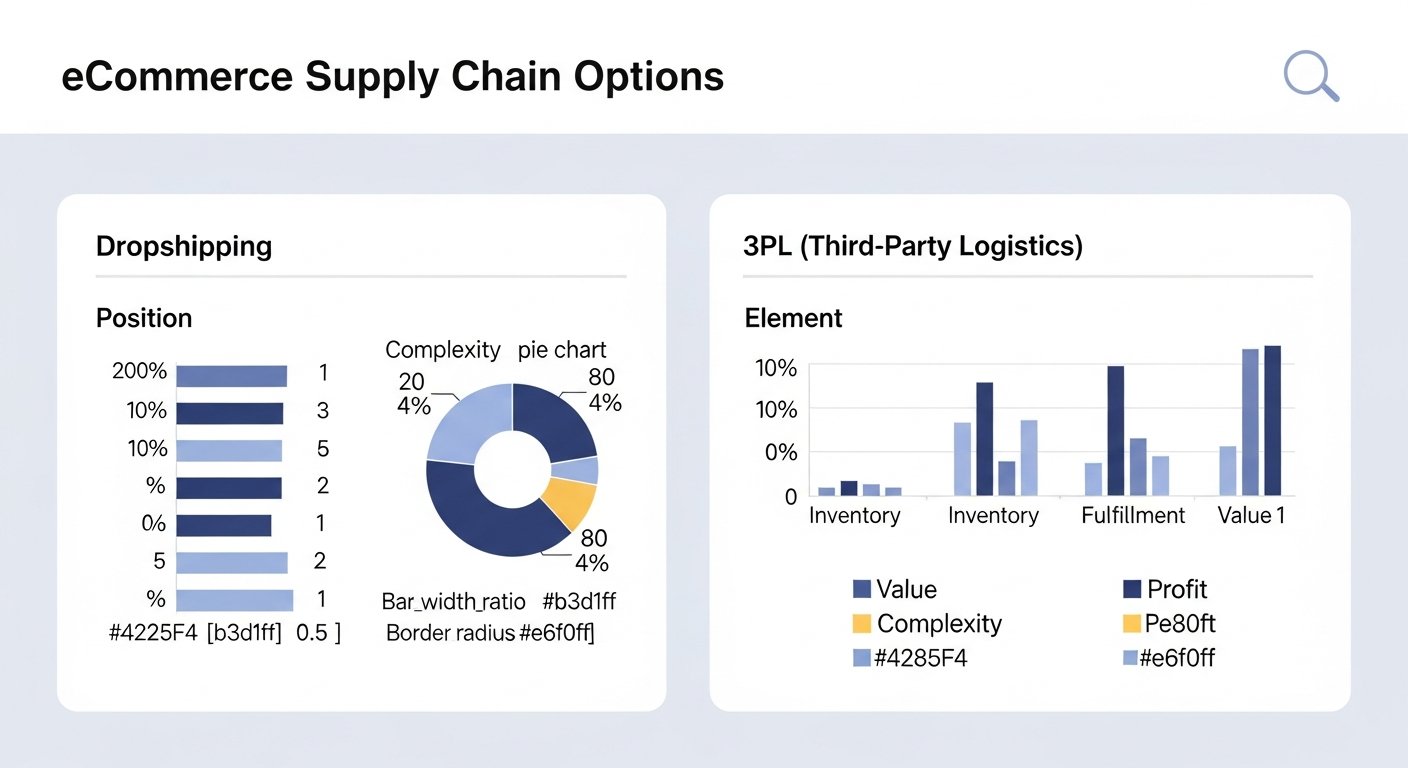
The “last mile” – the final leg of a product’s journey from a distribution center to the customer’s doorstep – is often the most expensive, complex, and crucial part of the ecommerce supply chain. It’s also the point where D2C brands have the greatest opportunity to delight or disappoint customers.
Optimizing Shipping Costs and Speed
Balancing cost and speed in last-mile delivery is a constant challenge. Consumers demand fast, free shipping, but this comes at a significant expense to the D2C merchant. Strategies to optimize include:
- Negotiate Carrier Rates: Leverage your shipping volume (or your 3PL’s volume) to negotiate better rates with major carriers (UPS, FedEx, USPS, DHL) and regional couriers.
- Shipping Zones & Rates: Implement clear shipping policies based on customer location and order value. Offer tiered shipping options (standard, expedited) for customer choice.
- Distributed Inventory: Store products closer to your customers using multiple warehouses or 3PL locations. This reduces transit times and shipping zones.
- Package Optimization: Use the smallest possible packaging to reduce dimensional weight (DIM weight) charges. Invest in efficient packaging materials.
- Consolidation: For multiple items in one order, consolidate them into a single shipment to avoid multiple shipping fees.
- Flat-Rate Shipping vs. Real-Time Rates: Experiment with different pricing models on your storefront to find what balances customer satisfaction and cost recovery.
Every dollar saved on shipping directly impacts your profit margins, making optimization a continuous process. For more on improving your site, consider our Shopify conversion rate optimization guide.
Carrier Selection and Management
Choosing the right mix of carriers is vital. Not all carriers are created equal for every type of shipment or destination:
- Major National Carriers: Offer broad reach and diverse services, but can be more expensive for small, light packages or certain residential deliveries.
- Regional Carriers: Often provide more competitive rates and better service for specific geographic areas.
- Local Couriers: Ideal for same-day or urgent deliveries in metropolitan areas.
- Postal Services: Generally cost-effective for lightweight, non-urgent packages, especially for international shipping.
- Freight Carriers: For large, bulky, or heavy items.
Consider a multi-carrier strategy to leverage the strengths of each. Implement a Transportation Management System (TMS) to automate carrier selection based on cost, speed, and reliability for each order.
Real-Time Tracking and Transparency
Customer expectations for transparency in delivery are higher than ever. Providing real-time tracking is non-negotiable:
- Automated Notifications: Send automated emails or SMS updates for order confirmation, shipment, out-for-delivery, and delivery completion.
- Branded Tracking Pages: Offer a dedicated tracking page on your website, allowing customers to monitor their order’s progress without leaving your brand experience. This can also be an opportunity for upselling or promoting other products.
- Proactive Communication: If delays occur, proactively inform customers with revised delivery estimates. Transparency builds trust, even when things go wrong.
These measures reduce “Where Is My Order?” (WISMO) inquiries, freeing up customer service resources and enhancing overall satisfaction.
Sustainable Last-Mile Options
As part of a broader commitment to ethical sourcing and sustainability, D2C brands are increasingly exploring eco-friendly last-mile solutions:
- Electric Vehicles: Partnering with carriers utilizing electric delivery vans or bicycles in urban areas.
- Consolidation Hubs: Using micro-fulfillment centers in cities to reduce travel distances for final delivery.
- Optimized Routing: Utilizing software to plan the most efficient delivery routes, minimizing fuel consumption.
- Eco-Friendly Packaging: Using recyclable, compostable, or minimal packaging materials.
- Customer Choice: Offering “green shipping” options (e.g., slower, consolidated shipments) to customers who prioritize sustainability over speed.
These initiatives not only align with consumer values but can also contribute to long-term cost savings through reduced fuel consumption and waste management.
The Impact of Delivery on Customer Satisfaction
The delivery experience is often the only physical touchpoint a D2C brand has with its customer. It shapes perception profoundly:
- Speed & Reliability: On-time, accurate delivery is the baseline expectation. Delays or errors erode trust.
- Condition of Goods: Products arriving damaged due to poor handling or packaging is a quick path to negative reviews.
- Unboxing Experience: Branded packaging, thoughtful inserts, and a pleasant presentation enhance the perceived value and create a memorable experience.
- Ease of Receiving: Options for package redirects, pickup points, or secure delivery instructions improve convenience.
- Proactive Support: Prompt resolution of delivery issues turns a potential negative into a positive service interaction.
Investing in the last mile isn’t just about logistics; it’s about building a reputation for excellence that drives repeat purchases and word-of-mouth referrals.
Reverse Logistics: Mastering E-commerce Returns
Returns are an inevitable part of e-commerce, particularly for D2C brands. While often seen as a necessary evil, efficient reverse logistics – the process of managing returned items
The Ultimate Guide to Ecommerce Supply Chain Optimization: Master D2C Profitability & Growth
Affiliate disclosure: This article may contain affiliate links. Recommendations are independent and editorially driven.
Key Takeaways for E-commerce Supply Chain Mastery
- **Holistic Optimization:** The ecommerce supply chain is a complex ecosystem. Optimize every stage from sourcing to reverse logistics to maximize profitability and customer satisfaction for D2C brands.
- **Data-Driven Decisions:** Leverage advanced analytics, AI, and robust ERP/SCM systems for precise demand forecasting, inventory management, and performance monitoring.
- **Strategic Partnerships:** Carefully evaluate and select 3PLs and technology providers that align with your brand’s values and growth objectives.
- **Customer-Centric Fulfillment:** Prioritize fast, transparent, and flexible last-mile delivery and hassle-free returns to build lasting customer loyalty.
- **Resilience and Sustainability:** Build agile, transparent, and ethically responsible supply chains capable of adapting to disruptions and meeting evolving consumer expectations.
- **Continuous Improvement:** Regularly review KPIs, adapt to emerging technologies, and foster a culture of continuous optimization across your entire supply chain network.
In the fiercely competitive world of direct-to-consumer (D2C) e-commerce, a streamlined and efficient ecommerce supply chain isn’t just a cost center – it’s a strategic differentiator. For D2C brands striving for growth, conversion, and online store profitability, understanding and mastering every facet of their supply chain is paramount. From sourcing raw materials to the critical last-mile delivery and efficient handling of returns, every step impacts your bottom line, customer experience, and ultimately, your brand’s reputation.
This comprehensive guide from e-comprofits delves deep into the intricacies of the modern ecommerce supply chain. We’ll explore the essential components, unearth best practices for optimization, discuss cutting-edge technologies, and provide actionable strategies designed to help your D2C business not just survive, but thrive in 2026 and beyond. Prepare to transform your operational challenges into powerful competitive advantages, ensuring your products move seamlessly from concept to customer’s door, all while safeguarding your profit margins.
Understanding the E-commerce Supply Chain Landscape
Before diving into optimization strategies, it’s crucial to grasp the fundamental components and inherent complexities of an ecommerce supply chain. Unlike traditional retail, e-commerce demands speed, flexibility, and a laser focus on the individual customer experience, pushing the boundaries of conventional logistics.
What is an E-commerce Supply Chain?
An ecommerce supply chain is the end-to-end system that manages the flow of goods, information, and finances involved in selling products online. It encompasses every stage from the initial procurement of raw materials to the final delivery of the product to the customer’s doorstep, and crucially, the handling of returns. Key stages typically include:
- Sourcing & Procurement: Identifying and acquiring materials or finished goods from suppliers.
- Manufacturing/Production: Transforming raw materials into finished products (if applicable).
- Inventory Management: Storing, tracking, and managing product stock levels.
- Warehousing: The physical location and processes for storing goods.
- Order Fulfillment: Picking, packing, and preparing orders for shipment.
- Logistics & Shipping: Transporting goods from warehouse to customer (last-mile delivery).
- Customer Service: Handling inquiries related to orders, shipping, and products.
- Reverse Logistics: Managing returns, exchanges, and repairs.
Each of these stages is interconnected, and inefficiencies in one area can cascade, affecting the entire chain and ultimately impacting customer satisfaction and profitability.
Why an Optimized Supply Chain is Critical for D2C Brands
For D2C brands, an optimized ecommerce supply chain is not merely an operational necessity; it’s a core pillar of their business model. Here’s why it’s so critical:
- Cost Reduction: Streamlined processes, efficient inventory, and optimized shipping directly translate to lower operational costs, boosting profit margins.
- Enhanced Customer Experience: Fast, reliable, and transparent delivery, coupled with easy returns, builds trust and loyalty, turning first-time buyers into repeat customers.
- Competitive Advantage: In a crowded market, superior delivery speed, accuracy, and customer service can differentiate your brand from competitors.
- Scalability: A robust supply chain infrastructure allows D2C brands to handle increased order volumes without significant dips in performance or spiraling costs.
- Reduced Risk: Diversified sourcing, contingency planning, and real-time visibility mitigate risks from disruptions like supplier issues, natural disasters, or geopolitical events.
- Improved Cash Flow: Optimized inventory management reduces capital tied up in stock, freeing up funds for marketing, product development, or other growth initiatives.
- Brand Reputation: A smooth delivery experience reinforces positive brand perception, while consistent failures can severely damage it.
In essence, an efficient ecommerce supply chain enables D2C brands to deliver on their brand promise consistently, fostering growth and sustained profitability.
Key Challenges in Modern E-commerce Supply Chains
The contemporary ecommerce landscape presents a unique set of challenges that D2C brands must navigate:
- Demand Volatility: E-commerce demand can fluctuate wildly due to marketing campaigns, seasonal trends, and viral products, making accurate forecasting difficult.
- Global Complexity: Sourcing and selling internationally introduces customs, tariffs, regulatory compliance, and longer transit times.
- Last-Mile Delivery Expectations: Consumers expect faster, cheaper, and often free shipping, putting immense pressure on logistics providers and increasing costs.
- Returns Management: High e-commerce return rates create a complex “reverse logistics” challenge, impacting inventory, costs, and environmental footprint.
- Sustainability Pressures: Growing consumer demand for eco-friendly practices requires sustainable sourcing, packaging, and shipping options.
- Technological Integration: Integrating various systems (ERP, WMS, OMS, TMS) across the supply chain can be complex and expensive.
- Labor Shortages: Finding and retaining skilled labor for warehousing and logistics remains a persistent challenge.
- Supply Chain Visibility: Gaining real-time, end-to-end visibility across a complex network of partners is often difficult, leading to blind spots.
Strategic Sourcing and Supplier Management
The foundation of a resilient and profitable ecommerce supply chain lies in strategic sourcing and robust supplier relationships. For D2C brands, this often means directly managing relationships with manufacturers or raw material providers, bypassing traditional middlemen and gaining greater control over quality, cost, and ethical standards.
Identifying Reliable Suppliers
Finding the right suppliers is a critical first step. It’s not just about the lowest price; reliability, quality, and alignment with your brand values are equally, if not more, important. Consider the following factors:
- Quality Standards: Do they consistently meet your product specifications? Request samples and conduct thorough quality checks.
- Production Capacity: Can they scale with your growth? Assess their current capacity and future expansion capabilities.
- Lead Times: How long does it take from order placement to delivery? Shorter, consistent lead times are crucial for inventory management.
- Communication & Responsiveness: Are they easy to communicate with? Timely responses are vital for problem-solving and proactive management.
- Financial Stability: A financially unstable supplier can lead to significant disruptions. Perform due diligence where possible.
- Certifications & Compliance: Do they adhere to relevant industry standards, labor laws, and environmental regulations?
- Minimum Order Quantities (MOQs): Ensure their MOQs align with your inventory strategy and cash flow.
Platforms like Alibaba, Thomasnet, or specialized trade shows can be starting points, but always follow up with thorough vetting, site visits (if feasible), and reference checks.
Ethical Sourcing and Sustainability
Consumers in 2026 are increasingly conscious of a brand’s social and environmental impact. Ethical sourcing and sustainability are no longer optional but essential for D2C brands looking to build a reputable and beloved brand. This involves:
- Fair Labor Practices: Ensuring suppliers pay fair wages, provide safe working conditions, and do not use child or forced labor.
- Environmental Impact: Assessing the carbon footprint of production, waste management, and resource consumption. Look for suppliers using renewable energy or sustainable materials.
- Transparency: Being able to trace your products back to their origin and verify their ethical credentials. Blockchain technology is emerging as a powerful tool for this.
- Sustainable Materials: Prioritizing recycled, organic, biodegradable, or responsibly sourced materials for both products and packaging.
Integrating these values into your sourcing strategy not only mitigates risks but also resonates deeply with your target audience, fostering a stronger brand connection. Many brands partner with third-party auditors to verify supplier compliance with ethical standards.
Diversifying Your Supplier Base
Relying on a single supplier, especially for critical components or products, introduces significant risk. Geopolitical instability, natural disasters, or even a single supplier’s operational issues can bring your entire operation to a halt. Diversifying your supplier base is a key risk mitigation strategy:
- Multiple Suppliers for Key Items: Have at least two, preferably three, approved suppliers for your most crucial products or components.
- Geographic Diversity: Source from different regions or countries to minimize impact from localized disruptions.
- Develop Strong Relationships: Even with multiple suppliers, foster strong, collaborative relationships. This often means treating them as partners rather than mere vendors.
While maintaining multiple supplier relationships can add complexity, the resilience it provides to your ecommerce supply chain is invaluable for long-term stability and growth. This strategy is closely tied to ensuring ecommerce business continuity during unforeseen events.
Contract Negotiation and Relationship Building
Effective contract negotiation sets the terms for a successful supplier relationship, but ongoing relationship building ensures its longevity. Key aspects include:
- Clear Service Level Agreements (SLAs): Define expectations for quality, lead times, delivery performance, and communication.
- Pricing Structures: Negotiate competitive pricing, but also consider factors like payment terms, volume discounts, and price stability clauses.
- Intellectual Property Protection: Especially relevant for custom products, ensure your designs and innovations are protected.
- Regular Performance Reviews: Schedule periodic reviews to assess supplier performance against KPIs and address any issues proactively.
- Collaborative Innovation: Work with your suppliers to identify opportunities for product improvement, cost reduction, or process optimization. A true partnership can unlock significant value for both parties.
Investing in these relationships builds trust, improves responsiveness, and can lead to more favorable terms and greater flexibility during times of high demand or unforeseen challenges.
Inventory Management: The Heart of E-commerce Efficiency
Efficient inventory management is arguably the most critical component of a profitable ecommerce supply chain. It’s a delicate balancing act: too much inventory ties up capital and risks obsolescence; too little leads to stockouts, lost sales, and frustrated customers. Mastering this balance directly impacts cash flow, customer satisfaction, and operational efficiency.
Inventory Forecasting Techniques (Demand Planning, Predictive Analytics)
Accurate demand forecasting is the cornerstone of effective inventory management. Without knowing what customers are likely to buy, when, and in what quantities, inventory decisions become pure guesswork. Modern D2C brands leverage advanced techniques:
- Historical Data Analysis: Analyzing past sales trends, seasonality, and promotional impacts.
- Qualitative Forecasting: Incorporating market research, expert opinions, and sales team insights, especially for new products.
- Quantitative Models: Using statistical methods like moving averages, exponential smoothing, or regression analysis.
- Predictive Analytics & AI: Advanced algorithms can process vast datasets (website traffic, social media trends, competitor activity, weather, economic indicators) to generate highly accurate forecasts, adapting to real-time changes.
- Scenario Planning: Developing contingency plans for various demand scenarios (e.g., higher-than-expected viral demand, unexpected sales dip).
The goal is not perfection, but continuous improvement in forecast accuracy, allowing for smarter purchasing and stock allocation. This helps minimize both overstocking and stockouts, directly contributing to maximizing ecommerce profitability.
Inventory Models: JIT, Dropshipping, Safety Stock
Different D2C businesses adopt various inventory models based on product type, capital availability, and risk tolerance:
- Just-In-Time (JIT): Inventory arrives just as it’s needed for production or shipment. Minimizes holding costs and waste but requires extremely reliable suppliers and precise forecasting. High risk if there are supply chain disruptions.
- Dropshipping: The seller doesn’t hold any inventory. When a customer places an order, the seller purchases the item from a third party (supplier or manufacturer) who then ships it directly to the customer. Low startup costs, no inventory risk, but less control over quality and shipping.
- Safety Stock: Holding an extra quantity of inventory to prevent stockouts due to unexpected demand spikes or supply delays. It’s a buffer to mitigate risk, but comes with increased holding costs.
- Economic Order Quantity (EOQ): A formula that calculates the optimal order quantity to minimize total inventory costs (holding costs + ordering costs).
- Reorder Point (ROP): The level of inventory at which a new order should be placed to replenish stock before it runs out.
Many D2C brands use a hybrid approach, combining dropshipping for niche products with safety stock for their bestsellers.
Warehouse Management Systems (WMS)
A robust Warehouse Management System (WMS) is essential for efficient inventory operations. A WMS helps to:
- Track Inventory in Real-Time: Provides accurate visibility into stock levels across all locations.
- Optimize Storage: Guides placement of products for efficient picking (e.g., fast-moving items near shipping).
- Streamline Picking & Packing: Directs staff along optimal routes, reducing errors and processing time.
- Automate Tasks: Integrates with other systems (OMS, shipping carriers) to automate order processing and label generation.
- Improve Labor Efficiency: Provides data on worker performance and helps optimize staffing.
- Manage Returns: Facilitates the receiving and processing of returned goods.
For growing D2C brands, investing in a scalable WMS is crucial to maintain efficiency as order volumes increase.
Preventing Stockouts and Overstocking
Both stockouts and overstocking are detrimental to D2C profitability:
- Preventing Stockouts:
- Improve forecasting accuracy.
- Implement safety stock for critical items.
- Diversify suppliers.
- Monitor inventory levels proactively with automated alerts.
- Have clear reorder points and processes.
- Maintain strong communication with suppliers about lead times.
- Preventing Overstocking:
- Rigorous demand forecasting.
- Optimize order quantities (e.g., using EOQ).
- Regularly analyze inventory turnover and identify slow-moving items.
- Implement markdown strategies for excess stock before it becomes obsolete.
- Leverage JIT principles where feasible.
- Negotiate flexible order quantities with suppliers.
Inventory Optimization Strategies for D2C
To truly optimize inventory, D2C brands should consider:
- ABC Analysis: Categorize inventory items by value. “A” items are high-value, low-volume, requiring tight control; “C” items are low-value, high-volume, needing simpler management.
- Multi-Channel Inventory Sync: If selling across multiple platforms (Shopify, Amazon, Etsy), ensure real-time inventory synchronization to prevent overselling.
- Batch Tracking/Lot Control: Important for products with expiry dates or those requiring recall capabilities.
- Inventory Audits: Regular physical counts or cycle counting to ensure system accuracy.
- Supplier Collaboration: Share demand forecasts with suppliers to enable them to better plan their production.
By implementing these strategies, D2C brands can ensure they have the right products, in the right quantity, at the right time, minimizing costs and maximizing sales.
Fulfillment Strategies: In-House, 3PL, or Hybrid?
Once an order is placed, the clock starts ticking. How you fulfill that order — picking, packing, and preparing it for shipment — directly impacts delivery speed, cost, and customer satisfaction. D2C brands have several options for managing this crucial part of their ecommerce supply chain.
In-House Fulfillment: Pros and Cons
In-house fulfillment means managing all aspects of order processing and shipping within your own facilities. This is often the starting point for many D2C brands.
Pros:
- Full Control: Complete oversight over quality control, packaging, branding experience, and customer service integration.
- Brand Customization: Ability to personalize packaging, inserts, and unboxing experiences to reinforce brand identity.
- Flexibility: Easier to adapt to unique packaging requirements, special requests, or sudden changes in strategy.
- Direct Feedback Loop: Immediate insights from fulfillment operations can directly inform product development or marketing.
- Lower Per-Unit Cost (at scale): Once infrastructure is established, fixed costs can be spread over many orders, potentially reducing per-unit cost compared to a 3PL.
Cons:
- High Capital Investment: Requires significant upfront investment in warehouse space, equipment, WMS, and labor.
- Scalability Challenges: Difficult to scale quickly during peak seasons or periods of rapid growth without substantial investment.
- Operational Complexity: Managing logistics, staffing, and compliance is complex and can divert focus from core business activities.
- Limited Reach: Typically restricts shipping to a single region, making it harder to offer fast, cost-effective shipping nationwide or internationally.
- Hidden Costs: Beyond rent and labor, consider utilities, insurance, maintenance, packaging supplies, and potential shipping rate disadvantages compared to large 3PLs.
Partnering with a 3PL (Third-Party Logistics) Provider
A 3PL is an outsourced provider that handles some or all of your logistics operations, including warehousing, inventory management, picking, packing, and shipping. This is a popular choice for scaling D2C brands.
Pros:
- Scalability: 3PLs are designed to handle fluctuating order volumes, allowing brands to scale up or down without internal operational headaches.
- Expertise & Technology: Access to professional logistics expertise, advanced WMS, and automation that would be costly to build in-house.
- Cost Savings: Can often achieve better shipping rates due to higher volume, and convert fixed operational costs into variable costs.
- Expanded Reach: Multi-location 3PLs enable distributed inventory, speeding up delivery times across wider geographic areas.
- Focus on Core Business: Frees up internal resources to focus on product development, marketing, and customer engagement.
- Reduced Capital Investment: No need for large upfront investments in warehouse space or equipment.
Cons:
- Loss of Control: Less direct control over the physical fulfillment process and customer unboxing experience.
- Integration Challenges: Requires robust integration between your e-commerce platform and the 3PL’s systems.
- Communication Overhead: Requires effective communication and clear SLAs to ensure smooth operations.
- Cost Structure: Can be more expensive per unit at very low volumes, and pricing models can be complex.
- Finding the Right Partner: Vetting and selecting a reliable 3PL that aligns with your brand’s needs can be challenging.
Hybrid Fulfillment Models
Many D2C brands find success with a hybrid approach, combining the best of both worlds:
- Core Products In-House, Niche/Oversized via 3PL: Manage high-volume, easily handled products in-house to maintain control and branding, while outsourcing bulky, slow-moving, or specialty items to a 3PL.
- Local In-House, Regional via 3PL: Fulfill orders for your local area from your own facility, while leveraging 3PLs for nationwide or international distribution.
- Peak Season Outsourcing: Manage most fulfillment in-house but partner with a 3PL for overflow during peak sales periods (e.g., Black Friday, Cyber Monday) to avoid internal strain.
- Dropshipping for New Product Testing: Use dropshipping to test market demand for new products before committing to inventory and in-house fulfillment.
The optimal hybrid model will depend on your specific product portfolio, geographic reach, and growth trajectory. This flexibility allows for an agile approach to your ecommerce supply chain.
Choosing the Right Fulfillment Partner
Selecting the right fulfillment strategy and partner is a critical decision for your D2C brand. Here’s a comparison to help guide your choice:
| Feature | In-House Fulfillment | 3PL (Third-Party Logistics) | Hybrid Model |
|---|---|---|---|
| Control & Branding | High (Full customization) | Medium (Limited by 3PL’s capabilities; some branding options available) | Variable (High for in-house items, medium for 3PL items) |
| Capital Investment | High (Warehouse, equipment, labor) | Low (Variable costs only) | Medium (Some internal investment, plus 3PL fees) |
| Scalability | Challenging (Requires internal expansion) | High (Designed for fluctuating volumes) | High (Flexibility to leverage both as needed) |
| Operational Complexity | High (All logistics handled internally) | Low to Medium (Managed by 3PL, but requires oversight) | Medium (Managing two distinct systems) |
| Shipping Speed/Reach | Limited (Typically single origin) | High (Distributed network, better carrier rates) | High (Optimized by location) |
| Best For | Small, niche brands with unique packaging; brands with very high volume and capital. | Rapidly growing brands; brands needing nationwide/international reach; brands wanting to focus on core competencies. | Brands with diverse product lines; brands managing local delivery and broader distribution; seasonal businesses. |
| Key Challenge | Managing growth & infrastructure. | Finding the right partner & maintaining control. | Coordinating between internal & external operations. |
When evaluating 3PLs, consider their technological capabilities, integration with your e-commerce platform, reputation, pricing structure, geographic footprint, and their ability to handle your specific product types and volumes. Request references and ensure their values align with your brand.
Last-Mile Delivery and Customer Experience
The “last mile” – the final leg of a product’s journey from a distribution center to the customer’s doorstep – is often the most expensive, complex, and crucial part of the ecommerce supply chain. It’s also the point where D2C brands have the greatest opportunity to delight or disappoint customers.
Optimizing Shipping Costs and Speed
Balancing cost and speed in last-mile delivery is a constant challenge. Consumers demand fast, free shipping, but this comes at a significant expense to the D2C merchant. Strategies to optimize include:
- Negotiate Carrier Rates: Leverage your shipping volume (or your 3PL’s volume) to negotiate better rates with major carriers (UPS, FedEx, USPS, DHL) and regional couriers.
- Shipping Zones & Rates: Implement clear shipping policies based on customer location and order value. Offer tiered shipping options (standard, expedited) for customer choice.
- Distributed Inventory: Store products closer to your customers using multiple warehouses or 3PL locations. This reduces transit times and shipping zones.
- Package Optimization: Use the smallest possible packaging to reduce dimensional weight (DIM weight) charges. Invest in efficient packaging materials.
- Consolidation: For multiple items in one order, consolidate them into a single shipment to avoid multiple shipping fees.
- Flat-Rate Shipping vs. Real-Time Rates: Experiment with different pricing models on your storefront to find what balances customer satisfaction and cost recovery.
Every dollar saved on shipping directly impacts your profit margins, making optimization a continuous process. For more on improving your site, consider our Shopify conversion rate optimization guide.
Carrier Selection and Management
Choosing the right mix of carriers is vital. Not all carriers are created equal for every type of shipment or destination:
- Major National Carriers: Offer broad reach and diverse services, but can be more expensive for small, light packages or certain residential deliveries.
- Regional Carriers: Often provide more competitive rates and better service for specific geographic areas.
- Local Couriers: Ideal for same-day or urgent deliveries in metropolitan areas.
- Postal Services: Generally cost-effective for lightweight, non-urgent packages, especially for international shipping.
- Freight Carriers: For large, bulky, or heavy items.
Consider a multi-carrier strategy to leverage the strengths of each. Implement a Transportation Management System (TMS) to automate carrier selection based on cost, speed, and reliability for each order.
Real-Time Tracking and Transparency
Customer expectations for transparency in delivery are higher than ever. Providing real-time tracking is non-negotiable:
- Automated Notifications: Send automated emails or SMS updates for order confirmation, shipment, out-for-delivery, and delivery completion.
- Branded Tracking Pages: Offer a dedicated tracking page on your website, allowing customers to monitor their order’s progress without leaving your brand experience. This can also be an opportunity for upselling or promoting other products.
- Proactive Communication: If delays occur, proactively inform customers with revised delivery estimates. Transparency builds trust, even when things go wrong.
These measures reduce “Where Is My Order?” (WISMO) inquiries, freeing up customer service resources and enhancing overall satisfaction.
Sustainable Last-Mile Options
As part of a broader commitment to ethical sourcing and sustainability, D2C brands are increasingly exploring eco-friendly last-mile solutions:
- Electric Vehicles: Partnering with carriers utilizing electric delivery vans or bicycles in urban areas.
- Consolidation Hubs: Using micro-fulfillment centers in cities to reduce travel distances for final delivery.
- Optimized Routing: Utilizing software to plan the most efficient delivery routes, minimizing fuel consumption.
- Eco-Friendly Packaging: Using recyclable, compostable, or minimal packaging materials.
- Customer Choice: Offering “green shipping” options (e.g., slower, consolidated shipments) to customers who prioritize sustainability over speed.
These initiatives not only align with consumer values but can also contribute to long-term cost savings through reduced fuel consumption and waste management.
The Impact of Delivery on Customer Satisfaction
The delivery experience is often the only physical touchpoint a D2C brand has with its customer. It shapes perception profoundly:
- Speed & Reliability: On-time, accurate delivery is the baseline expectation. Delays or errors erode trust.
- Condition of Goods: Products arriving damaged due to poor handling or packaging is a quick path to negative reviews.
- Unboxing Experience: Branded packaging, thoughtful inserts, and a pleasant presentation enhance the perceived value and create a memorable experience.
- Ease of Receiving: Options for package redirects, pickup points, or secure delivery instructions improve convenience.
- Proactive Support: Prompt resolution of delivery issues turns a potential negative into a positive service interaction.
Investing in the last mile isn’t just about logistics; it’s about building a reputation for excellence that drives repeat purchases and word-of-mouth referrals.
Reverse Logistics: Mastering E-commerce Returns
Returns are an inevitable part of e-commerce, particularly for D2C brands. While often seen as a necessary evil, efficient reverse logistics – the process of managing returned items
