
What is D2C Marketing? Unlocking Direct-to-Consumer Growth and Profitability
Affiliate disclosure: This article may contain affiliate links. Recommendations are independent and editorially driven.
In the dynamic landscape of modern commerce, businesses are constantly seeking innovative ways to connect with customers, build lasting relationships, and drive sustainable profitability. Among the most transformative strategies to emerge in recent decades is Direct-to-Consumer (D2C) marketing. More than just a sales channel, D2C represents a fundamental shift in business philosophy, empowering brands to take full control of their narrative, customer experience, and ultimately, their destiny.
For e-commerce businesses, understanding “what is D2C marketing” is not merely an academic exercise; it’s a critical strategic imperative. It’s the blueprint for building resilient online stores, optimizing conversion rates, and fostering the kind of loyalty that traditional retail models often struggle to achieve. As competition intensifies and customer expectations soar, mastering D2C principles becomes synonymous with long-term success in the digital marketplace.
This comprehensive guide from e-comprofits will delve deep into the intricacies of D2C marketing. We’ll explore its foundational concepts, dissect its strategic advantages, and provide actionable insights for businesses looking to leverage this powerful model. Whether you’re a burgeoning startup or an established enterprise considering a D2C pivot, prepare to unlock the strategies that drive unparalleled growth, deepen customer engagement, and dramatically enhance your online store’s profitability.
The Foundational Definition: What Exactly is D2C Marketing?
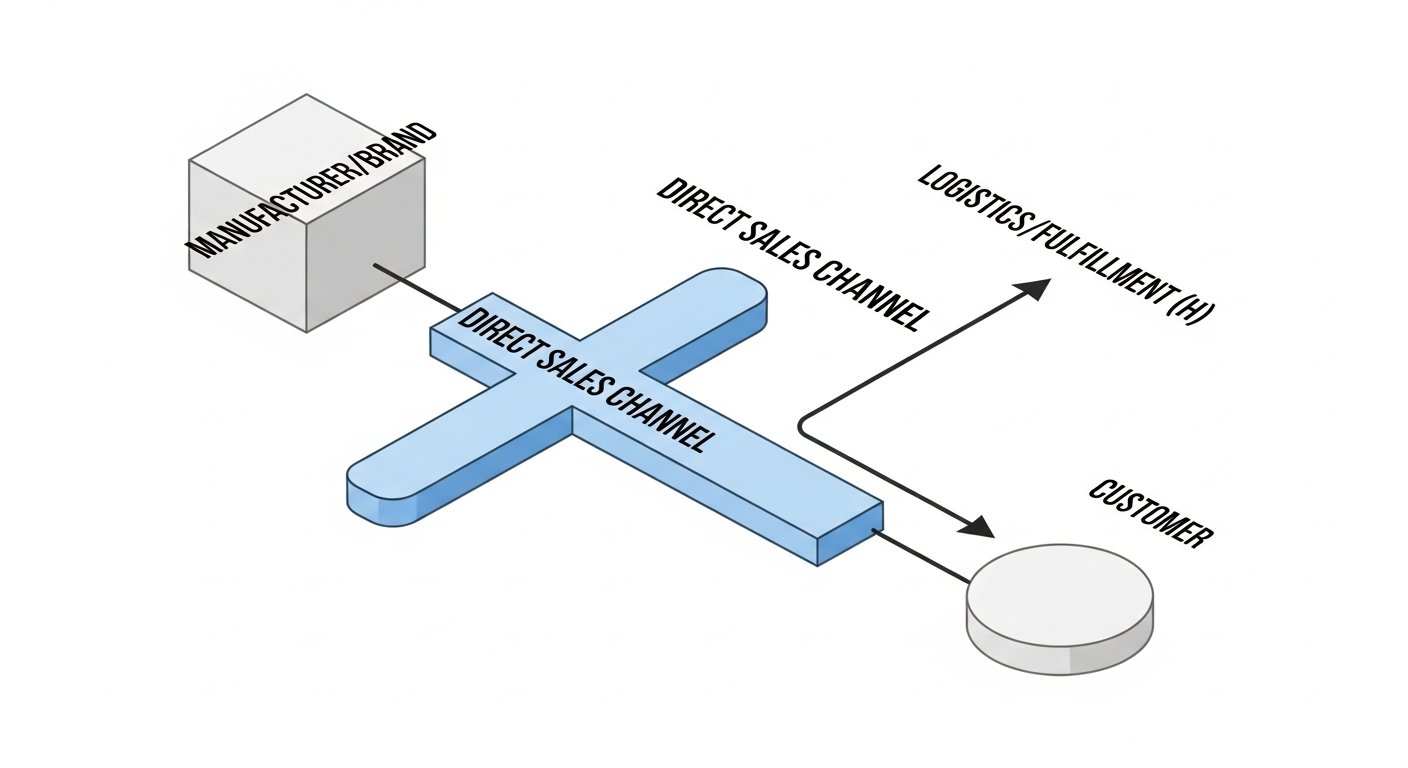
At its core, D2C marketing refers to the practice where a brand manufactures, markets, and sells its products directly to end-consumers, bypassing traditional third-party retailers, wholesalers, or distributors. This direct relationship is the defining characteristic of the D2C model, influencing every aspect from product development to customer service.
Think of it as a brand extending its hand directly to its audience, building a bridge that removes intermediaries. This isn’t just about selling online; it’s about owning the entire customer journey, from initial brand discovery and engagement to post-purchase support and loyalty building.
Historical Context and the Rise of D2C
While the concept of selling directly isn’t new (think local artisans or farmers’ markets), the modern D2C movement has been profoundly shaped by two major forces: the internet and advancements in e-commerce technology. Before the digital age, establishing a direct channel required significant infrastructure, logistics, and marketing spend, largely limiting it to established brands or very niche markets.
- Early 2000s: The advent of robust e-commerce platforms like Shopify, Magento, and BigCommerce democratized online selling, making it accessible even for small businesses and startups. This lowered the barrier to entry significantly.
- Social Media Boom: Platforms like Facebook, Instagram, and later TikTok provided cost-effective ways for brands to reach vast audiences, build communities, and tell their stories without relying on expensive traditional advertising or retail shelf space.
- Shifting Consumer Behavior: Consumers increasingly seek authenticity, transparency, and personalized experiences. They are willing to discover new brands online and appreciate the direct connection that D2C offers.
This confluence of technological capability and shifting consumer preferences created fertile ground for the D2C explosion, giving rise to iconic brands like Warby Parker, Casper, and Dollar Shave Club, which disrupted established industries by going direct.
Key Distinguishing Factors of D2C Marketing
To truly grasp “what is D2C marketing,” it’s essential to understand its unique attributes:
- Direct Customer Relationship: The cornerstone. Brands communicate directly with their audience, collect first-party data, and build loyalty without intermediaries.
- Full Control Over Brand Experience: From website design to unboxing, customer service, and messaging, the brand dictates every touchpoint, ensuring consistency and alignment with its values.
- Data Ownership and Insights: Direct sales mean direct access to valuable customer data – purchase history, browsing behavior, feedback. This data is invaluable for personalization, product development, and targeted marketing.
- Higher Profit Margins: By cutting out wholesale and retail markups, D2C brands typically retain a larger share of the revenue, leading to improved profitability.
- Agility and Iteration: Direct feedback loops allow D2C brands to quickly adapt to market trends, test new products, and iterate on their offerings much faster than traditional models.
- Scalability Challenges (and Opportunities): While initial setup is easier, scaling D2C requires significant investment in marketing, logistics, and customer service infrastructure. However, the direct ownership of the customer relationship offers powerful opportunities for future growth through subscriptions, cross-sells, and loyalty programs.
Understanding these foundational elements is crucial before diving into the strategic pillars that make D2C marketing so effective for driving e-commerce profitability and conversion.
The Core Pillars: What Drives D2C Marketing Success?

Successful D2C marketing isn’t just about having an online store; it’s built upon several interconnected strategic pillars that, when executed effectively, create a powerful engine for growth and customer loyalty. These pillars form the framework for how D2C brands operate and engage with their audience.
1. Obsessive Focus on Customer Experience (CX)
In a D2C model, every customer interaction is an opportunity to reinforce the brand and build loyalty. Unlike traditional retail where the store often dictates the experience, D2C brands are solely responsible for crafting a seamless, delightful, and personalized journey from discovery to post-purchase support.
- Intuitive Website Design: A user-friendly, fast, and visually appealing e-commerce site is paramount. It’s the digital storefront and should reflect the brand’s aesthetic and values.
- Personalization at Scale: Leveraging customer data to offer tailored product recommendations, personalized content, and targeted communications significantly enhances the experience.
- Seamless Purchase Journey: From clear product descriptions and high-quality imagery to a streamlined checkout process, friction must be minimized.
- Exceptional Customer Service: Direct communication means direct responsibility. Responsive, empathetic, and effective customer support builds trust and advocacy. This includes live chat, email, social media, and phone support.
- Post-Purchase Engagement: The journey doesn’t end at checkout. Thoughtful packaging, easy returns, proactive order updates, and follow-up emails for feedback or related products extend the positive experience.
2. Authentic Brand Storytelling and Community Building
Without the physical presence of a retail store, D2C brands must excel at conveying their mission, values, and personality through digital channels. Storytelling isn’t just marketing; it’s the brand’s identity and connection point with consumers.
- Defining Your “Why”: Clearly articulate the brand’s purpose, what problems it solves, and the values it stands for. This resonates deeply with modern consumers.
- Visual and Verbal Identity: Consistent branding across all touchpoints (website, social media, packaging, emails) creates a cohesive and memorable experience.
- Content that Connects: Blogs, videos, social media posts, and user-generated content that tell the brand’s story, showcase product benefits, and engage customers on an emotional level.
- Fostering Community: Creating spaces (e.g., social media groups, forums, loyalty programs) where customers can interact with the brand and each other builds a sense of belonging and advocacy.
- Transparency: Be open about sourcing, production processes, and company values. This builds trust and aligns with consumer demands for ethical practices.
3. Data-Driven Decision Making and First-Party Data Ownership
One of the most significant advantages of D2C is the direct access to customer data. This first-party data is a goldmine for insights, enabling brands to make smarter, more effective decisions across all operations.
- Collecting Comprehensive Data: From website analytics (traffic, bounce rates, conversion funnels) to purchase history, customer demographics, and survey responses.
- Leveraging Data for Personalization: Using insights to segment audiences, tailor marketing messages, recommend relevant products, and customize website experiences.
- Optimizing Product Development: Customer feedback and purchase patterns provide invaluable input for refining existing products and developing new ones that truly meet market demand.
- Predictive Analytics: Utilizing data to forecast trends, anticipate customer needs, and optimize inventory management.
- Measuring Marketing ROI: Direct data allows for precise tracking of campaign performance, enabling brands to optimize ad spend and allocate resources effectively for maximum conversion and profitability.
By consistently nurturing these pillars, D2C brands can cultivate a distinct market presence, build a loyal customer base, and achieve sustainable growth that traditional models often struggle to replicate.
[INLINE IMAGE 1: place after second H2 | alt=”what is d2c marketing concept illustration”]
Strategic Channels and Tactics for Effective D2C Marketing
With a clear understanding of D2C’s core pillars, the next step is to explore the specific marketing channels and tactics that D2C brands leverage to reach their audience, drive engagement, and convert prospects into loyal customers. The key is an integrated, multi-channel approach that prioritizes direct communication and a cohesive brand experience.
1. E-commerce Website: The Brand’s Digital Hub
The D2C brand’s own website is the absolute epicenter of its marketing efforts. It’s not just a sales portal; it’s the primary channel for brand storytelling, customer engagement, and data collection.
- Conversion-Optimized Design: Focus on clear calls-to-action (CTAs), intuitive navigation, high-quality product photography and videos, and persuasive product descriptions that highlight benefits.
- SEO (Search Engine Optimization): Ensuring the website ranks high for relevant keywords allows organic discovery. This includes technical SEO, on-page SEO, and building valuable backlinks.
- Mobile Responsiveness: A significant portion of e-commerce traffic comes from mobile devices, making a flawless mobile experience non-negotiable for conversion.
- Seamless Checkout Process: Minimize steps, offer multiple payment options, and build trust signals (security badges, clear return policies).
2. Digital Marketing Ecosystem
A robust digital marketing strategy is critical for driving traffic and converting prospects.
Social Media Marketing
- Organic Engagement: Building a strong community on platforms like Instagram, TikTok, Facebook, Pinterest, and YouTube through engaging content, stories, and interactions.
- Paid Social Advertising: Highly targeted campaigns leveraging first-party data to reach specific demographics, interests, and lookalike audiences. This is crucial for customer acquisition and retargeting.
- Influencer Marketing: Collaborating with relevant influencers who align with the brand’s values to reach new, engaged audiences authentically.
- Social Commerce: Utilizing features like in-app shopping, shoppable posts, and live shopping to shorten the path to purchase directly within social platforms.
Search Engine Marketing (SEM) / PPC
- Google Ads: Running targeted paid campaigns on Google Search and its display network to capture intent-driven traffic and build brand awareness.
- Amazon Ads (if applicable): Even D2C brands might use Amazon as an advertising platform to drive traffic to their own site, or to compete within specific categories if they also sell there.
Email Marketing & CRM
- List Building: Capturing emails through website pop-ups, lead magnets, and gated content.
- Segmentation and Personalization: Sending targeted emails based on purchase history, browsing behavior, demographics, and engagement levels.
- Automated Flows: Welcome series, abandoned cart reminders, post-purchase follow-ups, re-engagement campaigns, and birthday emails. These are vital for conversion and retention.
- Loyalty Programs: Managing points, rewards, and exclusive offers through CRM and email platforms to incentivize repeat purchases.
Content Marketing
- Blog Posts & Guides: Providing valuable, keyword-rich content that addresses customer pain points, educates them about the product, and establishes the brand as an authority.
- Video Marketing: Product demos, behind-the-scenes content, customer testimonials, and lifestyle videos for YouTube, social media, and product pages.
- User-Generated Content (UGC): Encouraging customers to share photos, reviews, and testimonials. UGC acts as powerful social proof and fosters community.
3. Offline & Experiential Marketing (Complementary)
While D2C is primarily digital, some brands integrate offline experiences to deepen engagement and build brand equity.
- Pop-Up Shops: Temporary physical locations to create buzz, allow product interaction, and gather in-person feedback.
- Experiential Events: Brand-hosted events, workshops, or sponsorships that offer unique experiences related to the brand’s ethos.
- Partnerships: Collaborating with complementary brands for co-marketing efforts or bundle deals.
The synergy between these channels, all feeding into the central e-commerce platform and data collection, is what makes D2C marketing so potent. It allows brands to tell a consistent story, engage customers on their preferred platforms, and continuously optimize for conversion and profitability.
Building a Robust D2C Marketing Tech Stack
Executing a successful D2C marketing strategy requires more than just good ideas; it demands a powerful suite of technological tools. A well-chosen D2C tech stack is the backbone that enables brands to manage operations, personalize experiences, analyze data, and scale effectively. The right tools streamline processes, automate tasks, and provide the insights necessary for informed decision-making and maximized online store profitability.
1. E-commerce Platform: The Foundation
This is arguably the most critical component, serving as the digital storefront and operational hub.
- Shopify: Extremely popular for its ease of use, extensive app ecosystem, and scalability for businesses of all sizes. Shopify Plus caters to larger enterprises.
- BigCommerce: Known for its robust native features, strong SEO capabilities, and scalability, particularly for growing businesses.
- Magento (Adobe Commerce): Highly customizable and powerful, often favored by larger businesses with specific, complex requirements and in-house development teams.
- WooCommerce: A flexible open-source plugin for WordPress, ideal for brands that want to integrate their store deeply with content marketing on a WordPress site.
Key Considerations: Scalability, integrations with other tools, ease of use for content management, security, and mobile responsiveness.
2. Customer Relationship Management (CRM) & Email Marketing Automation
These tools are indispensable for managing customer interactions, segmenting audiences, and automating personalized communication.
- Klaviyo: A favorite among D2C brands for its powerful email and SMS marketing automation, deep e-commerce integrations, and advanced segmentation capabilities.
- ActiveCampaign: Offers a blend of email marketing, marketing automation, and CRM features, suitable for nurturing leads and customer relationships.
- Salesforce Marketing Cloud: A comprehensive platform for larger enterprises requiring sophisticated personalization, journey orchestration, and multi-channel marketing.
- Attentive/Postscript (SMS Marketing): Specialized platforms for building and managing SMS marketing campaigns, crucial for direct, high-engagement communication.
Key Considerations: E-commerce integration, segmentation capabilities, automation workflows, A/B testing features, and reporting.
3. Analytics & Business Intelligence
Understanding customer behavior, marketing performance, and overall business health is impossible without robust analytics.
- Google Analytics 4 (GA4): Essential for tracking website traffic, user behavior, conversions, and identifying optimization opportunities.
- Heap/Mixpanel: Product analytics platforms that offer deeper insights into user journeys, feature usage, and conversion funnels.
- Power BI/Tableau: Business intelligence tools for aggregating data from multiple sources, creating custom dashboards, and identifying broader business trends.
- Your E-commerce Platform’s Native Analytics: Shopify, BigCommerce, etc., all offer built-in reports for sales, orders, and customer data.
Key Considerations: Data visualization, real-time reporting, integration with marketing channels, and ability to track custom events.
4. Personalization & Optimization Tools
To deliver tailored experiences and continuously improve conversion rates.
- Optimizing Platforms (e.g., Optimizely, VWO): For A/B testing, multivariate testing, and personalization of website content and user flows.
- On-site Personalization Engines: Tools that recommend products, display dynamic content, and personalize offers based on browsing history and customer segments.
- Heatmapping & Session Recording (e.g., Hotjar, FullStory): Visual tools to understand how users interact with your website, identify friction points, and inform design changes.
Key Considerations: Ease of implementation, real-time personalization, testing capabilities, and integration with the e-commerce platform.
5. Customer Service & Support
Direct relationships demand exceptional direct support.
- Gorgias/Zendesk/Klaviyo Help Desk: Integrated help desk solutions designed for e-commerce, consolidating customer inquiries from various channels (email, chat, social media) and often integrating with order data.
- Chatbots: AI-powered tools to handle common inquiries, provide instant support, and guide customers through the purchase journey.
Key Considerations: Multi-channel support, integration with CRM and e-commerce platform, automation capabilities, and agent efficiency tools.
6. Inventory, Shipping & Fulfillment
Efficient operations are crucial for customer satisfaction and profitability.
- ShipBob/ShipStation/Stord: Third-Party Logistics (3PL) providers and shipping software that streamline order fulfillment, inventory management, and shipping logistics.
- Inventory Management Systems (e.g., Cin7, Brightpearl): For managing stock levels across various channels, forecasting demand, and preventing stockouts.
Key Considerations: Scalability, integration with the e-commerce platform, real-time tracking, and cost efficiency.
Building the right D2C tech stack is an ongoing process. Brands should regularly evaluate their tools to ensure they align with evolving business needs, customer expectations, and provide the best possible return on investment. The goal is to create a cohesive ecosystem that empowers the brand to deliver on the promise of the D2C model: direct, personalized, and profitable customer engagement.
D2C Marketing vs. Traditional Retail & B2B: A Strategic Comparison
To fully appreciate the strategic advantages and nuances of D2C marketing, it’s helpful to compare it directly with traditional retail and Business-to-Business (B2B) models. While all aim to sell products, their underlying philosophies, operational structures, and marketing approaches differ significantly.
D2C vs. Traditional Retail
Traditional retail involves a multi-layered distribution model where manufacturers sell to wholesalers, who then sell to retailers, who finally sell to consumers. This chain introduces several intermediaries.
Key Differences:
- Customer Relationship:
- D2C: Direct, one-to-one relationship. Brand owns customer data, feedback, and engagement.
- Traditional Retail: Indirect. Retailer owns the customer relationship and data. Brand has limited direct interaction or insight into the end-consumer.
- Brand Control & Messaging:
- D2C: Full control over brand presentation, messaging, product displays, and the entire customer experience.
- Traditional Retail: Limited control. Brand messaging can be diluted or altered by the retailer’s priorities, merchandising, and store environment.
- Profit Margins & Pricing:
- D2C: Typically higher gross margins due to cutting out wholesaler and retailer markups. Brand has full control over pricing strategy.
- Traditional Retail: Lower margins for the manufacturer as a significant portion of the price goes to intermediaries. Pricing is often dictated by retail partners.
- Product Development & Innovation:
- D2C: Faster feedback loops from direct customer interaction enable rapid product iteration, testing, and development.
- Traditional Retail: Slower, more complex process. Feedback often filtered through retailers, making agility challenging.
- Scalability & Reach:
- D2C: Can scale globally rapidly through digital channels, but requires significant investment in logistics and direct marketing.
- Traditional Retail: Broad reach through established retail networks, but market entry and expansion are slower and more capital-intensive, reliant on securing shelf space.
[INLINE IMAGE 2: place after fourth H2 | alt=”what is d2c marketing comparison illustration”]
D2C vs. B2B (Business-to-Business) Marketing
B2B marketing focuses on selling products or services to other businesses, rather than individual consumers.
Key Differences:
- Target Audience:
- D2C: Individual consumers, driven by emotion, personal needs, and brand affinity.
- B2B: Businesses, decision-makers, and buying committees. Decisions are often rational, based on ROI, efficiency, and long-term value.
- Sales Cycle:
- D2C: Generally shorter sales cycles, often impulse or convenience-driven.
- B2B: Longer, more complex sales cycles, involving multiple stakeholders, proposals, and negotiations.
- Marketing Strategy:
- D2C: Focus on brand building, lifestyle marketing, emotional appeal, social proof, and seamless customer experience. Channels include social media, influencer marketing, email, SEO/SEM for consumers.
- B2B: Focus on value proposition, problem-solving, thought leadership, case studies, and ROI. Channels include LinkedIn, industry events, webinars, whitepapers, account-based marketing (ABM).
- Pricing & Volume:
- D2C: Typically lower individual transaction values, but high volume. Transparent pricing.
- B2B: Higher transaction values, often custom pricing, bulk orders, and contract-based relationships.
- Relationship Nuance:
- D2C: Building a loyal community of individual customers.
- B2B: Cultivating strategic partnerships and long-term business relationships.
Strategic Comparison Table: D2C vs. Traditional Retail vs. B2B Marketing
| Feature | D2C Marketing | Traditional Retail Marketing | B2B Marketing |
|---|---|---|---|
| Customer Relationship | Direct, intimate; brand owns data | Indirect; retailer owns customer relationship | Direct with business decision-makers |
| Brand Control | Full control over experience & messaging | Limited; influenced by retail partners | High control over specific messaging to target businesses |
| Profit Margins | Potentially higher (no intermediaries) | Lower for manufacturer | Can be high (value-based pricing) |
| Primary Focus | Customer experience, brand loyalty, direct sales | Channel distribution, shelf space, promotions | Problem-solving, ROI, long-term partnerships |
| Typical Sales Cycle | Short to medium | Short (impulse/convenience) | Long, complex |
| Key Marketing Channels | E-commerce site, social media, email, SEO/SEM, content, influencer | Retailer ads, in-store promotions, mass media, trade shows | LinkedIn, webinars, whitepapers, industry events, direct sales |
| Data Ownership | Complete first-party data | Relies on retailer data (limited) | First-party data on client businesses |
| Target Audience Driver | Emotion, personal needs, values | Convenience, price, brand familiarity | Logic, ROI, efficiency, strategic value |
Understanding these distinctions helps brands strategically position themselves and allocate resources effectively. While a D2C approach offers unparalleled opportunities for direct engagement and profitability, it also demands robust internal capabilities in marketing, logistics, and customer service—areas traditionally handled by external partners.
Overcoming Challenges and Common Pitfalls in D2C Marketing
While the D2C model offers significant advantages, it’s not without its hurdles. Brands venturing into or scaling their D2C efforts must be prepared to navigate a unique set of challenges. Proactive planning and strategic mitigation are key to sustained growth and profitability.
1. High Customer Acquisition Costs (CAC)
One of the most frequently cited challenges for D2C brands is the rising cost of acquiring new customers, especially through paid digital channels like Facebook and Google Ads.
- The Challenge: Increased competition, platform algorithm changes, and audience saturation can drive up CPMs (cost per thousand impressions) and CPCs (cost per click), making it expensive to get new eyes on your brand.
- Mitigation Strategies:
- Diversify Channels: Don’t rely solely on paid social. Invest in SEO, content marketing, influencer collaborations, email list building, and affiliate marketing to create more organic and lower-cost acquisition funnels.
- Optimize Conversion Rates: Improve your website’s UX, product pages, and checkout flow to maximize the percentage of visitors who become customers. A higher conversion rate reduces the effective CAC.
- Improve CLTV: Focus intensely on customer retention and increasing Customer Lifetime Value (CLTV) through loyalty programs, subscription models, and exceptional post-purchase experiences. If a customer makes multiple purchases over their lifetime, the initial CAC becomes more justifiable.
- Leverage First-Party Data: Use your existing customer data for highly targeted lookalike audiences and retargeting campaigns, which often yield better results at a lower cost.
2. Logistics, Fulfillment, and Returns Management
When you go D2C, you become responsible for the entire supply chain, from manufacturing to last-mile delivery. This can be complex and costly.
- The Challenge: Managing inventory, warehousing, picking, packing, shipping, and handling returns efficiently while meeting customer expectations for fast, affordable delivery. Poor logistics can lead to lost sales, damaged reputation, and high operational costs.
- Mitigation Strategies:
- Strategic 3PL Partnerships: Collaborate with a reliable Third-Party Logistics (3PL) provider that can handle warehousing, fulfillment, and shipping, especially as you scale.
- Robust Inventory Management: Implement systems that provide real-time inventory visibility, accurate forecasting, and automation to prevent stockouts or overstocking.
- Clear & Easy Return Policies: Make returns simple and transparent. A hassle-free return process can build trust and even encourage future purchases.
- Invest in Technology: Utilize shipping software, order management systems, and e-commerce platform integrations to automate processes and reduce manual errors.
3. Intense Competition and Brand Differentiation
The low barrier to entry for D2C means the marketplace is often crowded, making it difficult to stand out.
- The Challenge: Thousands of new brands launch every year. Cutting through the noise and convincing consumers why they should choose your product over a competitor’s is a constant battle.
- Mitigation Strategies:
- Strong Brand Story & Values: Develop a compelling narrative that connects emotionally with your target audience. Emphasize what makes your brand unique – be it sustainability, craftsmanship, social mission, or innovative product features.
- Niche Targeting: Instead of trying to appeal to everyone, identify and focus on a specific, underserved niche.
- Superior Product Quality & Innovation: Continuously improve your products and innovate to stay ahead. A truly differentiated product is your strongest marketing asset.
- Exceptional Customer Experience: As highlighted earlier, CX can be a significant differentiator, turning customers into loyal advocates.
4. Building Trust and Credibility
Unlike established retail brands, new D2C brands often start from scratch in building consumer trust.
- The Challenge: Consumers are wary of unknown online brands. Lack of reviews, poor website design, or unclear policies can deter purchases.
- Mitigation Strategies:
- Social Proof: Actively collect and display customer reviews, testimonials, ratings, and user-generated content (UGC).
- Transparency: Be open about your product sourcing, ingredients, company values, and policies.
- Secure Website & Payment Options: Ensure your website is secure (HTTPS) and offer trusted payment gateways.
- Excellent Customer Service: Prompt and helpful support builds credibility and reassures customers.
- Partnerships & Endorsements: Collaborate with reputable influencers or complementary brands to gain external validation.
5. Scalability Challenges
Rapid growth is the goal, but it can quickly overwhelm a D2C operation if not managed correctly.
- The Challenge: As order volumes increase, so do the demands on customer service, logistics, inventory management, and marketing infrastructure. Inadequate systems can lead to service breakdowns.
- Mitigation Strategies:
- Invest in Scalable Tech: Choose e-commerce platforms, CRM, and fulfillment solutions that can grow with your business.
- Automate Processes: Automate as many operational and marketing tasks as possible to reduce manual workload and increase efficiency.
- Hire Strategically: Build a skilled team in areas like marketing, customer service, and operations.
- Financial Planning: Ensure adequate capital to support growth, particularly for inventory purchases and marketing spend.
By anticipating and strategically addressing these common challenges, D2C brands can not only survive but thrive, turning potential pitfalls into opportunities for strengthening their brand and improving long-term profitability.
Measuring Success: Key D2C Marketing KPIs and Analytics
For any D2C brand, understanding the answer to “what is D2C marketing” extends beyond theory to the practical realm of performance measurement. Data-driven decision-making is paramount for optimizing marketing spend, enhancing customer experiences, and ultimately driving online store profitability. Here are the essential Key Performance Indicators (KPIs) and analytical metrics D2C marketers must track rigorously.
1. Customer Lifetime Value (CLTV or LTV)
- Definition: The total revenue a business can reasonably expect from a single customer account over the course of their relationship with the brand.
- Why it matters: CLTV is arguably the most critical D2C metric. It tells you the long-term value of your customers, justifying higher customer acquisition costs (CAC) if those customers stay loyal and make repeat purchases. A high CLTV indicates strong customer satisfaction and effective retention strategies.
- How to improve: Excellent customer service, loyalty programs, personalized offers, subscription models, and continuous product innovation.
2. Customer Acquisition Cost (CAC)
- Definition: The total cost associated with acquiring a new customer, including all marketing and sales expenses divided by the number of new customers acquired within a specific period.
- Why it matters: CAC helps D2C brands understand the efficiency of their acquisition efforts. It’s crucial to compare CAC against CLTV; ideally, CLTV should be significantly higher than CAC (e.g., 3:1 ratio or more).
- How to improve: Optimize ad spend, improve conversion rates, leverage organic marketing channels (SEO, content), and refine targeting to reach more qualified leads.
3. Conversion Rate (CR)
- Definition: The percentage of website visitors who complete a desired action, most commonly making a purchase. It can also apply to other actions like signing up for an email list or adding to cart.
- Why it matters: A high conversion rate indicates an effective website, compelling product offerings, and a smooth user experience. Even small improvements can significantly impact revenue.
- How to improve: A/B testing, optimizing product pages, streamlining checkout, improving site speed, clear calls-to-action, high-quality visuals, and persuasive copy.
4. Average Order Value (AOV)
- Definition: The average dollar amount spent each time a customer places an order on your website. (Total Revenue / Number of Orders).
- Why it matters: Increasing AOV is a powerful way to boost revenue without needing to acquire more customers.
- How to improve: Upselling and cross-selling, product bundling, minimum order value for free shipping, loyalty programs that incentivize larger purchases, and offering financing options.
5. Repeat Purchase Rate (RPR) / Customer Retention Rate
- Definition: The percentage of customers who have made more than one purchase from your brand within a specific timeframe (e.g., 90 days, 1 year). Customer retention rate measures the percentage of existing customers a business retains over a period.
- Why it matters: It’s significantly cheaper to retain an existing customer than to acquire a new one. High RPR indicates strong customer loyalty and satisfaction, which are hallmarks of successful D2C brands.
- How to improve: Exceptional post-purchase experience, loyalty programs, personalized email marketing, re-engagement campaigns, and subscription services.
6. Return on Ad Spend (ROAS)
- Definition: A marketing metric that measures the effectiveness of a digital advertising campaign. It’s calculated by dividing the revenue generated from ads by the cost of those ads.
- Why it matters: ROAS is crucial for assessing the profitability of your paid advertising efforts and optimizing your ad budget. A high ROAS indicates efficient ad campaigns.
- How to improve: Optimize ad creative and copy, target better audiences, improve landing page experience, and leverage retargeting.
7. Churn Rate
- Definition: The rate at which customers stop doing business with your brand over a given period. It’s particularly relevant for subscription-based D2C models.
- Why it matters: High churn erodes CLTV and necessitates constant, expensive customer acquisition. Minimizing churn is critical for long-term sustainability.
- How to improve: Proactive customer service, addressing pain points, improving product value, clear communication, and offering incentives to stay.
8. Website Traffic & Source
- Definition: The number of visitors to your website and the channels they came from (e.g., organic search, paid search, social media, email, direct).
- Why it matters: While not a direct profitability metric, traffic is the top of the funnel. Understanding traffic sources helps D2C brands optimize their marketing channel mix and identify where to invest more resources for acquisition.
- How to improve: SEO, content marketing, paid advertising, social media engagement, PR, and strategic partnerships.
By consistently monitoring and analyzing these KPIs, D2C brands can gain deep insights into their marketing effectiveness, identify areas for improvement, and make data-driven decisions that propel their online stores towards greater conversion, growth, and sustained profitability.
The Future of D2C Marketing: Trends and Innovations for 2026 and Beyond
The D2C landscape is dynamic, constantly evolving with technological advancements and shifting consumer expectations. Brands that stay ahead
What is D2C Marketing? Unlocking Direct-to-Consumer Growth and Profitability
Affiliate disclosure: This article may contain affiliate links. Recommendations are independent and editorially driven.
In the dynamic landscape of modern commerce, businesses are constantly seeking innovative ways to connect with customers, build lasting relationships, and drive sustainable profitability. Among the most transformative strategies to emerge in recent decades is Direct-to-Consumer (D2C) marketing. More than just a sales channel, D2C represents a fundamental shift in business philosophy, empowering brands to take full control of their narrative, customer experience, and ultimately, their destiny.
For e-commerce businesses, understanding “what is D2C marketing” is not merely an academic exercise; it’s a critical strategic imperative. It’s the blueprint for building resilient online stores, optimizing conversion rates, and fostering the kind of loyalty that traditional retail models often struggle to achieve. As competition intensifies and customer expectations soar, mastering D2C principles becomes synonymous with long-term success in the digital marketplace.
This comprehensive guide from e-comprofits will delve deep into the intricacies of D2C marketing. We’ll explore its foundational concepts, dissect its strategic advantages, and provide actionable insights for businesses looking to leverage this powerful model. Whether you’re a burgeoning startup or an established enterprise considering a D2C pivot, prepare to unlock the strategies that drive unparalleled growth, deepen customer engagement, and dramatically enhance your online store’s profitability.
The Foundational Definition: What Exactly is D2C Marketing?
At its core, D2C marketing refers to the practice where a brand manufactures, markets, and sells its products directly to end-consumers, bypassing traditional third-party retailers, wholesalers, or distributors. This direct relationship is the defining characteristic of the D2C model, influencing every aspect from product development to customer service.
Think of it as a brand extending its hand directly to its audience, building a bridge that removes intermediaries. This isn’t just about selling online; it’s about owning the entire customer journey, from initial brand discovery and engagement to post-purchase support and loyalty building.
Historical Context and the Rise of D2C
While the concept of selling directly isn’t new (think local artisans or farmers’ markets), the modern D2C movement has been profoundly shaped by two major forces: the internet and advancements in e-commerce technology. Before the digital age, establishing a direct channel required significant infrastructure, logistics, and marketing spend, largely limiting it to established brands or very niche markets.
- Early 2000s: The advent of robust e-commerce platforms like Shopify, Magento, and BigCommerce democratized online selling, making it accessible even for small businesses and startups. This lowered the barrier to entry significantly.
- Social Media Boom: Platforms like Facebook, Instagram, and later TikTok provided cost-effective ways for brands to reach vast audiences, build communities, and tell their stories without relying on expensive traditional advertising or retail shelf space.
- Shifting Consumer Behavior: Consumers increasingly seek authenticity, transparency, and personalized experiences. They are willing to discover new brands online and appreciate the direct connection that D2C offers.
This confluence of technological capability and shifting consumer preferences created fertile ground for the D2C explosion, giving rise to iconic brands like Warby Parker, Casper, and Dollar Shave Club, which disrupted established industries by going direct.
Key Distinguishing Factors of D2C Marketing
To truly grasp “what is D2C marketing,” it’s essential to understand its unique attributes:
- Direct Customer Relationship: The cornerstone. Brands communicate directly with their audience, collect first-party data, and build loyalty without intermediaries.
- Full Control Over Brand Experience: From website design to unboxing, customer service, and messaging, the brand dictates every touchpoint, ensuring consistency and alignment with its values.
- Data Ownership and Insights: Direct sales mean direct access to valuable customer data – purchase history, browsing behavior, feedback. This data is invaluable for personalization, product development, and targeted marketing.
- Higher Profit Margins: By cutting out wholesale and retail markups, D2C brands typically retain a larger share of the revenue, leading to improved profitability.
- Agility and Iteration: Direct feedback loops allow D2C brands to quickly adapt to market trends, test new products, and iterate on their offerings much faster than traditional models.
- Scalability Challenges (and Opportunities): While initial setup is easier, scaling D2C requires significant investment in marketing, logistics, and customer service infrastructure. However, the direct ownership of the customer relationship offers powerful opportunities for future growth through subscriptions, cross-sells, and loyalty programs.
Understanding these foundational elements is crucial before diving into the strategic pillars that make D2C marketing so effective for driving e-commerce profitability and conversion.
The Core Pillars: What Drives D2C Marketing Success?
Successful D2C marketing isn’t just about having an online store; it’s built upon several interconnected strategic pillars that, when executed effectively, create a powerful engine for growth and customer loyalty. These pillars form the framework for how D2C brands operate and engage with their audience.
1. Obsessive Focus on Customer Experience (CX)
In a D2C model, every customer interaction is an opportunity to reinforce the brand and build loyalty. Unlike traditional retail where the store often dictates the experience, D2C brands are solely responsible for crafting a seamless, delightful, and personalized journey from discovery to post-purchase support.
- Intuitive Website Design: A user-friendly, fast, and visually appealing e-commerce site is paramount. It’s the digital storefront and should reflect the brand’s aesthetic and values.
- Personalization at Scale: Leveraging customer data to offer tailored product recommendations, personalized content, and targeted communications significantly enhances the experience.
- Seamless Purchase Journey: From clear product descriptions and high-quality imagery to a streamlined checkout process, friction must be minimized.
- Exceptional Customer Service: Direct communication means direct responsibility. Responsive, empathetic, and effective customer support builds trust and advocacy. This includes live chat, email, social media, and phone support.
- Post-Purchase Engagement: The journey doesn’t end at checkout. Thoughtful packaging, easy returns, proactive order updates, and follow-up emails for feedback or related products extend the positive experience.
2. Authentic Brand Storytelling and Community Building
Without the physical presence of a retail store, D2C brands must excel at conveying their mission, values, and personality through digital channels. Storytelling isn’t just marketing; it’s the brand’s identity and connection point with consumers.
- Defining Your “Why”: Clearly articulate the brand’s purpose, what problems it solves, and the values it stands for. This resonates deeply with modern consumers.
- Visual and Verbal Identity: Consistent branding across all touchpoints (website, social media, packaging, emails) creates a cohesive and memorable experience.
- Content that Connects: Blogs, videos, social media posts, and user-generated content that tell the brand’s story, showcase product benefits, and engage customers on an emotional level.
- Fostering Community: Creating spaces (e.g., social media groups, forums, loyalty programs) where customers can interact with the brand and each other builds a sense of belonging and advocacy.
- Transparency: Be open about sourcing, production processes, and company values. This builds trust and aligns with consumer demands for ethical practices.
3. Data-Driven Decision Making and First-Party Data Ownership
One of the most significant advantages of D2C is the direct access to customer data. This first-party data is a goldmine for insights, enabling brands to make smarter, more effective decisions across all operations.
- Collecting Comprehensive Data: From website analytics (traffic, bounce rates, conversion funnels) to purchase history, customer demographics, and survey responses.
- Leveraging Data for Personalization: Using insights to segment audiences, tailor marketing messages, recommend relevant products, and customize website experiences.
- Optimizing Product Development: Customer feedback and purchase patterns provide invaluable input for refining existing products and developing new ones that truly meet market demand.
- Predictive Analytics: Utilizing data to forecast trends, anticipate customer needs, and optimize inventory management.
- Measuring Marketing ROI: Direct data allows for precise tracking of campaign performance, enabling brands to optimize ad spend and allocate resources effectively for maximum conversion and profitability.
By consistently nurturing these pillars, D2C brands can cultivate a distinct market presence, build a loyal customer base, and achieve sustainable growth that traditional models often struggle to replicate.
[INLINE IMAGE 1: place after second H2 | alt=”what is d2c marketing concept illustration”]
Strategic Channels and Tactics for Effective D2C Marketing
With a clear understanding of D2C’s core pillars, the next step is to explore the specific marketing channels and tactics that D2C brands leverage to reach their audience, drive engagement, and convert prospects into loyal customers. The key is an integrated, multi-channel approach that prioritizes direct communication and a cohesive brand experience.
1. E-commerce Website: The Brand’s Digital Hub
The D2C brand’s own website is the absolute epicenter of its marketing efforts. It’s not just a sales portal; it’s the primary channel for brand storytelling, customer engagement, and data collection.
- Conversion-Optimized Design: Focus on clear calls-to-action (CTAs), intuitive navigation, high-quality product photography and videos, and persuasive product descriptions that highlight benefits.
- SEO (Search Engine Optimization): Ensuring the website ranks high for relevant keywords allows organic discovery. This includes technical SEO, on-page SEO, and building valuable backlinks.
- Mobile Responsiveness: A significant portion of e-commerce traffic comes from mobile devices, making a flawless mobile experience non-negotiable for conversion.
- Seamless Checkout Process: Minimize steps, offer multiple payment options, and build trust signals (security badges, clear return policies).
2. Digital Marketing Ecosystem
A robust digital marketing strategy is critical for driving traffic and converting prospects.
Social Media Marketing
- Organic Engagement: Building a strong community on platforms like Instagram, TikTok, Facebook, Pinterest, and YouTube through engaging content, stories, and interactions.
- Paid Social Advertising: Highly targeted campaigns leveraging first-party data to reach specific demographics, interests, and lookalike audiences. This is crucial for customer acquisition and retargeting.
- Influencer Marketing: Collaborating with relevant influencers who align with the brand’s values to reach new, engaged audiences authentically.
- Social Commerce: Utilizing features like in-app shopping, shoppable posts, and live shopping to shorten the path to purchase directly within social platforms.
Search Engine Marketing (SEM) / PPC
- Google Ads: Running targeted paid campaigns on Google Search and its display network to capture intent-driven traffic and build brand awareness.
- Amazon Ads (if applicable): Even D2C brands might use Amazon as an advertising platform to drive traffic to their own site, or to compete within specific categories if they also sell there.
Email Marketing & CRM
- List Building: Capturing emails through website pop-ups, lead magnets, and gated content.
- Segmentation and Personalization: Sending targeted emails based on purchase history, browsing behavior, demographics, and engagement levels.
- Automated Flows: Welcome series, abandoned cart reminders, post-purchase follow-ups, re-engagement campaigns, and birthday emails. These are vital for conversion and retention.
- Loyalty Programs: Managing points, rewards, and exclusive offers through CRM and email platforms to incentivize repeat purchases.
Content Marketing
- Blog Posts & Guides: Providing valuable, keyword-rich content that addresses customer pain points, educates them about the product, and establishes the brand as an authority.
- Video Marketing: Product demos, behind-the-scenes content, customer testimonials, and lifestyle videos for YouTube, social media, and product pages.
- User-Generated Content (UGC): Encouraging customers to share photos, reviews, and testimonials. UGC acts as powerful social proof and fosters community.
3. Offline & Experiential Marketing (Complementary)
While D2C is primarily digital, some brands integrate offline experiences to deepen engagement and build brand equity.
- Pop-Up Shops: Temporary physical locations to create buzz, allow product interaction, and gather in-person feedback.
- Experiential Events: Brand-hosted events, workshops, or sponsorships that offer unique experiences related to the brand’s ethos.
- Partnerships: Collaborating with complementary brands for co-marketing efforts or bundle deals.
The synergy between these channels, all feeding into the central e-commerce platform and data collection, is what makes D2C marketing so potent. It allows brands to tell a consistent story, engage customers on their preferred platforms, and continuously optimize for conversion and profitability.
Building a Robust D2C Marketing Tech Stack
Executing a successful D2C marketing strategy requires more than just good ideas; it demands a powerful suite of technological tools. A well-chosen D2C tech stack is the backbone that enables brands to manage operations, personalize experiences, analyze data, and scale effectively. The right tools streamline processes, automate tasks, and provide the insights necessary for informed decision-making and maximized online store profitability.
1. E-commerce Platform: The Foundation
This is arguably the most critical component, serving as the digital storefront and operational hub.
- Shopify: Extremely popular for its ease of use, extensive app ecosystem, and scalability for businesses of all sizes. Shopify Plus caters to larger enterprises.
- BigCommerce: Known for its robust native features, strong SEO capabilities, and scalability, particularly for growing businesses.
- Magento (Adobe Commerce): Highly customizable and powerful, often favored by larger businesses with specific, complex requirements and in-house development teams.
- WooCommerce: A flexible open-source plugin for WordPress, ideal for brands that want to integrate their store deeply with content marketing on a WordPress site.
Key Considerations: Scalability, integrations with other tools, ease of use for content management, security, and mobile responsiveness.
2. Customer Relationship Management (CRM) & Email Marketing Automation
These tools are indispensable for managing customer interactions, segmenting audiences, and automating personalized communication.
- Klaviyo: A favorite among D2C brands for its powerful email and SMS marketing automation, deep e-commerce integrations, and advanced segmentation capabilities.
- ActiveCampaign: Offers a blend of email marketing, marketing automation, and CRM features, suitable for nurturing leads and customer relationships.
- Salesforce Marketing Cloud: A comprehensive platform for larger enterprises requiring sophisticated personalization, journey orchestration, and multi-channel marketing.
- Attentive/Postscript (SMS Marketing): Specialized platforms for building and managing SMS marketing campaigns, crucial for direct, high-engagement communication.
Key Considerations: E-commerce integration, segmentation capabilities, automation workflows, A/B testing features, and reporting.
3. Analytics & Business Intelligence
Understanding customer behavior, marketing performance, and overall business health is impossible without robust analytics.
- Google Analytics 4 (GA4): Essential for tracking website traffic, user behavior, conversions, and identifying optimization opportunities.
- Heap/Mixpanel: Product analytics platforms that offer deeper insights into user journeys, feature usage, and conversion funnels.
- Power BI/Tableau: Business intelligence tools for aggregating data from multiple sources, creating custom dashboards, and identifying broader business trends.
- Your E-commerce Platform’s Native Analytics: Shopify, BigCommerce, etc., all offer built-in reports for sales, orders, and customer data.
Key Considerations: Data visualization, real-time reporting, integration with marketing channels, and ability to track custom events.
4. Personalization & Optimization Tools
To deliver tailored experiences and continuously improve conversion rates.
- Optimizing Platforms (e.g., Optimizely, VWO): For A/B testing, multivariate testing, and personalization of website content and user flows.
- On-site Personalization Engines: Tools that recommend products, display dynamic content, and personalize offers based on browsing history and customer segments.
- Heatmapping & Session Recording (e.g., Hotjar, FullStory): Visual tools to understand how users interact with your website, identify friction points, and inform design changes.
Key Considerations: Ease of implementation, real-time personalization, testing capabilities, and integration with the e-commerce platform.
5. Customer Service & Support
Direct relationships demand exceptional direct support.
- Gorgias/Zendesk/Klaviyo Help Desk: Integrated help desk solutions designed for e-commerce, consolidating customer inquiries from various channels (email, chat, social media) and often integrating with order data.
- Chatbots: AI-powered tools to handle common inquiries, provide instant support, and guide customers through the purchase journey.
Key Considerations: Multi-channel support, integration with CRM and e-commerce platform, automation capabilities, and agent efficiency tools.
6. Inventory, Shipping & Fulfillment
Efficient operations are crucial for customer satisfaction and profitability.
- ShipBob/ShipStation/Stord: Third-Party Logistics (3PL) providers and shipping software that streamline order fulfillment, inventory management, and shipping logistics.
- Inventory Management Systems (e.g., Cin7, Brightpearl): For managing stock levels across various channels, forecasting demand, and preventing stockouts.
Key Considerations: Scalability, integration with the e-commerce platform, real-time tracking, and cost efficiency.
Building the right D2C tech stack is an ongoing process. Brands should regularly evaluate their tools to ensure they align with evolving business needs, customer expectations, and provide the best possible return on investment. The goal is to create a cohesive ecosystem that empowers the brand to deliver on the promise of the D2C model: direct, personalized, and profitable customer engagement.
D2C Marketing vs. Traditional Retail & B2B: A Strategic Comparison
To fully appreciate the strategic advantages and nuances of D2C marketing, it’s helpful to compare it directly with traditional retail and Business-to-Business (B2B) models. While all aim to sell products, their underlying philosophies, operational structures, and marketing approaches differ significantly.
D2C vs. Traditional Retail
Traditional retail involves a multi-layered distribution model where manufacturers sell to wholesalers, who then sell to retailers, who finally sell to consumers. This chain introduces several intermediaries.
Key Differences:
- Customer Relationship:
- D2C: Direct, one-to-one relationship. Brand owns customer data, feedback, and engagement.
- Traditional Retail: Indirect. Retailer owns the customer relationship and data. Brand has limited direct interaction or insight into the end-consumer.
- Brand Control & Messaging:
- D2C: Full control over brand presentation, messaging, product displays, and the entire customer experience.
- Traditional Retail: Limited control. Brand messaging can be diluted or altered by the retailer’s priorities, merchandising, and store environment.
- Profit Margins & Pricing:
- D2C: Typically higher gross margins due to cutting out wholesaler and retailer markups. Brand has full control over pricing strategy.
- Traditional Retail: Lower margins for the manufacturer as a significant portion of the price goes to intermediaries. Pricing is often dictated by retail partners.
- Product Development & Innovation:
- D2C: Faster feedback loops from direct customer interaction enable rapid product iteration, testing, and development.
- Traditional Retail: Slower, more complex process. Feedback often filtered through retailers, making agility challenging.
- Scalability & Reach:
- D2C: Can scale globally rapidly through digital channels, but requires significant investment in logistics and direct marketing.
- Traditional Retail: Broad reach through established retail networks, but market entry and expansion are slower and more capital-intensive, reliant on securing shelf space.
[INLINE IMAGE 2: place after fourth H2 | alt=”what is d2c marketing comparison illustration”]
D2C vs. B2B (Business-to-Business) Marketing
B2B marketing focuses on selling products or services to other businesses, rather than individual consumers.
Key Differences:
- Target Audience:
- D2C: Individual consumers, driven by emotion, personal needs, and brand affinity.
- B2B: Businesses, decision-makers, and buying committees. Decisions are often rational, based on ROI, efficiency, and long-term value.
- Sales Cycle:
- D2C: Generally shorter sales cycles, often impulse or convenience-driven.
- B2B: Longer, more complex sales cycles, involving multiple stakeholders, proposals, and negotiations.
- Marketing Strategy:
- D2C: Focus on brand building, lifestyle marketing, emotional appeal, social proof, and seamless customer experience. Channels include social media, influencer marketing, email, SEO/SEM for consumers.
- B2B: Focus on value proposition, problem-solving, thought leadership, case studies, and ROI. Channels include LinkedIn, industry events, webinars, whitepapers, account-based marketing (ABM).
- Pricing & Volume:
- D2C: Typically lower individual transaction values, but high volume. Transparent pricing.
- B2B: Higher transaction values, often custom pricing, bulk orders, and contract-based relationships.
- Relationship Nuance:
- D2C: Building a loyal community of individual customers.
- B2B: Cultivating strategic partnerships and long-term business relationships.
Strategic Comparison Table: D2C vs. Traditional Retail vs. B2B Marketing
| Feature | D2C Marketing | Traditional Retail Marketing | B2B Marketing |
|---|---|---|---|
| Customer Relationship | Direct, intimate; brand owns data | Indirect; retailer owns customer relationship | Direct with business decision-makers |
| Brand Control | Full control over experience & messaging | Limited; influenced by retail partners | High control over specific messaging to target businesses |
| Profit Margins | Potentially higher (no intermediaries) | Lower for manufacturer | Can be high (value-based pricing) |
| Primary Focus | Customer experience, brand loyalty, direct sales | Channel distribution, shelf space, promotions | Problem-solving, ROI, long-term partnerships |
| Typical Sales Cycle | Short to medium | Short (impulse/convenience) | Long, complex |
| Key Marketing Channels | E-commerce site, social media, email, SEO/SEM, content, influencer | Retailer ads, in-store promotions, mass media, trade shows | LinkedIn, webinars, whitepapers, industry events, direct sales |
| Data Ownership | Complete first-party data | Relies on retailer data (limited) | First-party data on client businesses |
| Target Audience Driver | Emotion, personal needs, values | Convenience, price, brand familiarity | Logic, ROI, efficiency, strategic value |
Understanding these distinctions helps brands strategically position themselves and allocate resources effectively. While a D2C approach offers unparalleled opportunities for direct engagement and profitability, it also demands robust internal capabilities in marketing, logistics, and customer service—areas traditionally handled by external partners.
Overcoming Challenges and Common Pitfalls in D2C Marketing
While the D2C model offers significant advantages, it’s not without its hurdles. Brands venturing into or scaling their D2C efforts must be prepared to navigate a unique set of challenges. Proactive planning and strategic mitigation are key to sustained growth and profitability.
1. High Customer Acquisition Costs (CAC)
One of the most frequently cited challenges for D2C brands is the rising cost of acquiring new customers, especially through paid digital channels like Facebook and Google Ads.
- The Challenge: Increased competition, platform algorithm changes, and audience saturation can drive up CPMs (cost per thousand impressions) and CPCs (cost per click), making it expensive to get new eyes on your brand.
- Mitigation Strategies:
- Diversify Channels: Don’t rely solely on paid social. Invest in SEO, content marketing, influencer collaborations, email list building, and affiliate marketing to create more organic and lower-cost acquisition funnels.
- Optimize Conversion Rates: Improve your website’s UX, product pages, and checkout flow to maximize the percentage of visitors who become customers. A higher conversion rate reduces the effective CAC.
- Improve CLTV: Focus intensely on customer retention and increasing Customer Lifetime Value (CLTV) through loyalty programs, subscription models, and exceptional post-purchase experiences. If a customer makes multiple purchases over their lifetime, the initial CAC becomes more justifiable.
- Leverage First-Party Data: Use your existing customer data for highly targeted lookalike audiences and retargeting campaigns, which often yield better results at a lower cost.
2. Logistics, Fulfillment, and Returns Management
When you go D2C, you become responsible for the entire supply chain, from manufacturing to last-mile delivery. This can be complex and costly.
- The Challenge: Managing inventory, warehousing, picking, packing, shipping, and handling returns efficiently while meeting customer expectations for fast, affordable delivery. Poor logistics can lead to lost sales, damaged reputation, and high operational costs.
- Mitigation Strategies:
- Strategic 3PL Partnerships: Collaborate with a reliable Third-Party Logistics (3PL) provider that can handle warehousing, fulfillment, and shipping, especially as you scale.
- Robust Inventory Management: Implement systems that provide real-time inventory visibility, accurate forecasting, and automation to prevent stockouts or overstocking.
- Clear & Easy Return Policies: Make returns simple and transparent. A hassle-free return process can build trust and even encourage future purchases.
- Invest in Technology: Utilize shipping software, order management systems, and e-commerce platform integrations to automate processes and reduce manual errors.
3. Intense Competition and Brand Differentiation
The low barrier to entry for D2C means the marketplace is often crowded, making it difficult to stand out.
- The Challenge: Thousands of new brands launch every year. Cutting through the noise and convincing consumers why they should choose your product over a competitor’s is a constant battle.
- Mitigation Strategies:
- Strong Brand Story & Values: Develop a compelling narrative that connects emotionally with your target audience. Emphasize what makes your brand unique – be it sustainability, craftsmanship, social mission, or innovative product features.
- Niche Targeting: Instead of trying to appeal to everyone, identify and focus on a specific, underserved niche.
- Superior Product Quality & Innovation: Continuously improve your products and innovate to stay ahead. A truly differentiated product is your strongest marketing asset.
- Exceptional Customer Experience: As highlighted earlier, CX can be a significant differentiator, turning customers into loyal advocates.
4. Building Trust and Credibility
Unlike established retail brands, new D2C brands often start from scratch in building consumer trust.
- The Challenge: Consumers are wary of unknown online brands. Lack of reviews, poor website design, or unclear policies can deter purchases.
- Mitigation Strategies:
- Social Proof: Actively collect and display customer reviews, testimonials, ratings, and user-generated content (UGC).
- Transparency: Be open about your product sourcing, ingredients, company values, and policies.
- Secure Website & Payment Options: Ensure your website is secure (HTTPS) and offer trusted payment gateways.
- Excellent Customer Service: Prompt and helpful support builds credibility and reassures customers.
- Partnerships & Endorsements: Collaborate with reputable influencers or complementary brands to gain external validation.
5. Scalability Challenges
Rapid growth is the goal, but it can quickly overwhelm a D2C operation if not managed correctly.
- The Challenge: As order volumes increase, so do the demands on customer service, logistics, inventory management, and marketing infrastructure. Inadequate systems can lead to service breakdowns.
- Mitigation Strategies:
- Invest in Scalable Tech: Choose e-commerce platforms, CRM, and fulfillment solutions that can grow with your business.
- Automate Processes: Automate as many operational and marketing tasks as possible to reduce manual workload and increase efficiency.
- Hire Strategically: Build a skilled team in areas like marketing, customer service, and operations.
- Financial Planning: Ensure adequate capital to support growth, particularly for inventory purchases and marketing spend.
By anticipating and strategically addressing these common challenges, D2C brands can not only survive but thrive, turning potential pitfalls into opportunities for strengthening their brand and improving long-term profitability.
Measuring Success: Key D2C Marketing KPIs and Analytics
For any D2C brand, understanding the answer to “what is D2C marketing” extends beyond theory to the practical realm of performance measurement. Data-driven decision-making is paramount for optimizing marketing spend, enhancing customer experiences, and ultimately driving online store profitability. Here are the essential Key Performance Indicators (KPIs) and analytical metrics D2C marketers must track rigorously.
1. Customer Lifetime Value (CLTV or LTV)
- Definition: The total revenue a business can reasonably expect from a single customer account over the course of their relationship with the brand.
- Why it matters: CLTV is arguably the most critical D2C metric. It tells you the long-term value of your customers, justifying higher customer acquisition costs (CAC) if those customers stay loyal and make repeat purchases. A high CLTV indicates strong customer satisfaction and effective retention strategies.
- How to improve: Excellent customer service, loyalty programs, personalized offers, subscription models, and continuous product innovation.
2. Customer Acquisition Cost (CAC)
- Definition: The total cost associated with acquiring a new customer, including all marketing and sales expenses divided by the number of new customers acquired within a specific period.
- Why it matters: CAC helps D2C brands understand the efficiency of their acquisition efforts. It’s crucial to compare CAC against CLTV; ideally, CLTV should be significantly higher than CAC (e.g., 3:1 ratio or more).
- How to improve: Optimize ad spend, improve conversion rates, leverage organic marketing channels (SEO, content), and refine targeting to reach more qualified leads.
3. Conversion Rate (CR)
- Definition: The percentage of website visitors who complete a desired action, most commonly making a purchase. It can also apply to other actions like signing up for an email list or adding to cart.
- Why it matters: A high conversion rate indicates an effective website, compelling product offerings, and a smooth user experience. Even small improvements can significantly impact revenue.
- How to improve: A/B testing, optimizing product pages, streamlining checkout, improving site speed, clear calls-to-action, high-quality visuals, and persuasive copy.
4. Average Order Value (AOV)
- Definition: The average dollar amount spent each time a customer places an order on your website. (Total Revenue / Number of Orders).
- Why it matters: Increasing AOV is a powerful way to boost revenue without needing to acquire more customers.
- How to improve: Upselling and cross-selling, product bundling, minimum order value for free shipping, loyalty programs that incentivize larger purchases, and offering financing options.
5. Repeat Purchase Rate (RPR) / Customer Retention Rate
- Definition: The percentage of customers who have made more than one purchase from your brand within a specific timeframe (e.g., 90 days, 1 year). Customer retention rate measures the percentage of existing customers a business retains over a period.
- Why it matters: It’s significantly cheaper to retain an existing customer than to acquire a new one. High RPR indicates strong customer loyalty and satisfaction, which are hallmarks of successful D2C brands.
- How to improve: Exceptional post-purchase experience, loyalty programs, personalized email marketing, re-engagement campaigns, and subscription services.
6. Return on Ad Spend (ROAS)
- Definition: A marketing metric that measures the effectiveness of a digital advertising campaign. It’s calculated by dividing the revenue generated from ads by the cost of those ads.
- Why it matters: ROAS is crucial for assessing the profitability of your paid advertising efforts and optimizing your ad budget. A high ROAS indicates efficient ad campaigns.
- How to improve: Optimize ad creative and copy, target better audiences, improve landing page experience, and leverage retargeting.
7. Churn Rate
- Definition: The rate at which customers stop doing business with your brand over a given period. It’s particularly relevant for subscription-based D2C models.
- Why it matters: High churn erodes CLTV and necessitates constant, expensive customer acquisition. Minimizing churn is critical for long-term sustainability.
- How to improve: Proactive customer service, addressing pain points, improving product value, clear communication, and offering incentives to stay.
8. Website Traffic & Source
- Definition: The number of visitors to your website and the channels they came from (e.g., organic search, paid search, social media, email, direct).
- Why it matters: While not a direct profitability metric, traffic is the top of the funnel. Understanding traffic sources helps D2C brands optimize their marketing channel mix and identify where to invest more resources for acquisition.
- How to improve: SEO, content marketing, paid advertising, social media engagement, PR, and strategic partnerships.
By consistently monitoring and analyzing these KPIs, D2C brands can gain deep insights into their marketing effectiveness, identify areas for improvement, and make data-driven decisions that propel their online stores towards greater conversion, growth, and sustained profitability.
The Future of D2C Marketing: Trends and Innovations for 2026 and Beyond
The D2C landscape is dynamic, constantly evolving with technological advancements and shifting consumer expectations. Brands that stay ahead
