
Unlocking E-commerce Growth: The Best Email Marketing for E-commerce in 2026 and Beyond
Affiliate disclosure: This article may contain affiliate links. Recommendations are independent and editorially driven.
In the dynamic landscape of direct-to-consumer (D2C) retail, where consumer attention is fragmented and competition fierce, the ability to connect directly and personally with your audience is paramount. For e-commerce businesses striving for sustained profitability, optimized conversion rates, and long-term customer relationships, one channel consistently outperforms the rest: email marketing. As we navigate 2026, email marketing isn’t just a communication tool; it’s the strategic backbone of any successful online store.
The quest for the best email marketing for ecommerce isn’t merely about finding a platform with a fancy interface. It’s about identifying a comprehensive solution that integrates seamlessly with your existing e-commerce stack, empowers hyper-personalization at scale, automates complex customer journeys, and ultimately drives tangible revenue. It’s about moving beyond generic newsletters to creating highly targeted, impactful campaigns that resonate with individual customers, turning casual browsers into loyal advocates.
At e-comprofits, our mission is to equip Shopify and D2C brands with the insights and tools necessary to achieve peak performance. This definitive guide delves deep into what makes an email marketing platform truly excel for e-commerce in 2026, comparing the leading contenders, outlining essential strategies, and revealing how to leverage this powerful channel to transform your bottom line. Whether you’re a burgeoning startup or an established enterprise, understanding the nuances of the best email marketing for ecommerce will be the differentiator between merely surviving and truly thriving.
Why Email Marketing Remains the E-commerce Kingpin in 2026
Despite the proliferation of new marketing channels – from social media to influencer collaborations and emerging metaverse platforms – email marketing continues to reign supreme for e-commerce businesses. Its enduring power lies in its directness, cost-effectiveness, and unparalleled ability to foster deep customer relationships. In 2026, as data privacy concerns grow and ad costs escalate, owning your audience through email lists becomes an even more invaluable asset.
Unmatched ROI and Customer Lifetime Value
Email marketing consistently delivers one of the highest returns on investment (ROI) across all digital marketing channels. Studies continue to show that for every dollar spent, email marketing can generate anywhere from $38 to $42 in return. This impressive figure isn’t just about initial sales; it’s about cultivating a relationship that encourages repeat purchases, boosts average order value (AOV), and significantly increases customer lifetime value (CLTV). For D2C brands focused on sustainable growth, maximizing CLTV is non-negotiable, and email is the most potent tool in that arsenal.
Consider the cumulative effect of a well-executed email strategy: a customer who receives relevant, timely communications is more likely to engage with your brand, more likely to make a second purchase, and more likely to recommend you to others. This ripple effect directly impacts long-term profitability, making the investment in the best email marketing for ecommerce a strategic imperative.
Direct Customer Connection and Brand Building
Unlike social media platforms where algorithms dictate visibility, email provides a direct, unfiltered line of communication to your customers’ inboxes. This direct access is crucial for building and nurturing your brand identity. Through email, you can share your brand story, communicate values, announce new products, offer exclusive content, and solicit feedback in a way that feels personal and exclusive. This direct channel fosters a sense of community and trust, transforming transactional relationships into genuine connections.
In an age where customers seek authenticity, email allows you to control the narrative entirely, building a cohesive brand experience from the welcome series to post-purchase follow-ups. It’s an opportunity to speak directly to your audience, understand their needs, and respond with tailored solutions, cementing your brand’s position in their minds and hearts.
Data-Driven Personalization at Scale
The modern e-commerce consumer expects personalized experiences. Generic, one-size-fits-all emails are no longer effective; they often lead to unsubscribe rates and lost opportunities. The strength of current email marketing platforms lies in their ability to segment audiences based on a vast array of data points – purchase history, browsing behavior, demographics, email engagement, and even external data from CRM systems. This granular segmentation enables truly personalized messaging at scale.
Imagine sending a tailored product recommendation to a customer based on their last purchase, offering a discount on an item they abandoned in their cart, or celebrating their birthday with a special offer. These personalized touches, powered by robust email marketing automation, significantly increase open rates, click-through rates (CTRs), and conversion rates, directly contributing to greater profitability.
Essential for Conversion Funnel Optimization
Email marketing plays a critical role at every stage of the e-commerce conversion funnel. From capturing initial interest with lead magnets and welcome series to nurturing prospects, driving conversions with abandoned cart reminders, and fostering loyalty through post-purchase sequences, email guides the customer journey seamlessly. It provides timely nudges, valuable information, and compelling offers that move customers from awareness to consideration, purchase, and ultimately, advocacy.
Effective email funnels reduce friction in the buying process, re-engage hesitant shoppers, and capitalize on moments of intent that might otherwise be lost. By strategically deploying email at each touchpoint, e-commerce businesses can significantly improve their conversion rates and optimize their overall sales pipeline, reinforcing why finding the best email marketing for ecommerce is so vital.
Key Features of the Best Email Marketing Platforms for E-commerce

When evaluating the contenders for the best email marketing for ecommerce, it’s crucial to look beyond basic sending capabilities. The top platforms offer a suite of advanced features designed specifically to meet the complex needs of online retailers. These capabilities empower businesses to automate, personalize, analyze, and scale their email efforts for maximum impact.
Robust Segmentation and Personalization
At the core of effective e-commerce email marketing is the ability to segment your audience with precision and personalize messages based on those segments. The best platforms allow you to segment by:
- Demographics: Age, location, gender.
- Purchase History: Products bought, total spend, frequency of purchase, first-time buyers vs. repeat customers.
- Browsing Behavior: Pages visited, products viewed, categories explored.
- Email Engagement: Open rates, click-through rates, unsubscribes.
- Lifecycle Stage: New subscribers, active customers, dormant customers, VIPs.
True personalization goes beyond just using a customer’s first name. It means dynamic content blocks, product recommendations driven by AI, and messaging tailored to their specific needs and interests. The goal is to make every email feel like it was crafted just for them.
Advanced Automation Workflows (Abandoned Carts, Welcome Series)
Automation is the engine that drives efficiency and profitability in e-commerce email marketing. The best platforms offer intuitive yet powerful visual workflow builders that allow you to set up complex automated sequences, including:
- Welcome Series: Onboarding new subscribers, introducing your brand, and offering an initial incentive.
- Abandoned Cart Recovery: Reminding customers of items left in their cart, often including incentives or social proof to encourage completion.
- Browse Abandonment: Sending follow-ups to customers who viewed products but didn’t add them to their cart.
- Post-Purchase Flows: Thank you emails, order confirmations, shipping updates, product care instructions, review requests, and cross-sell/upsell opportunities.
- Win-Back Campaigns: Re-engaging inactive subscribers or dormant customers with special offers.
- Birthday/Anniversary Emails: Personalized greetings and discounts to celebrate special occasions.
These automated flows ensure that your communication is always timely, relevant, and consistent, without requiring manual intervention for every single customer interaction.
Seamless E-commerce Platform Integrations (Shopify, BigCommerce, etc.)
For an email marketing platform to be truly effective for e-commerce, it must integrate flawlessly with your online store platform. Whether you’re on Shopify, BigCommerce, WooCommerce, Magento, or a custom solution, deep integration is critical. This means:
- Real-time Data Sync: Customer data, order history, product catalog, and browsing behavior should sync automatically.
- Event Tracking: The ability to track specific actions on your site (e.g., “added to cart,” “purchased,” “viewed product”) to trigger automations.
- Product Feeds: Easily pull product images, descriptions, and prices directly into email templates for dynamic content.
- API Access: For developers, a robust API allows for custom integrations and extended functionality.
Without deep integration, you’ll struggle to achieve the segmentation, personalization, and automation that define the best email marketing for ecommerce.
[INLINE IMAGE 1: place after second H2 | alt=”best email marketing for ecommerce concept illustration”]
A/B Testing and Analytics Capabilities
Continuous optimization is vital. The best platforms provide robust A/B testing tools, allowing you to test elements like subject lines, sender names, email content, call-to-action (CTA) buttons, and send times. Comprehensive analytics dashboards are equally important, offering insights into:
- Open rates, click-through rates, conversion rates.
- Revenue generated per campaign.
- Subscriber growth and churn.
- Engagement metrics (e.g., clicks on specific links).
- Deliverability rates.
These insights empower you to make data-driven decisions, refine your strategies, and continually improve your email marketing performance and profitability.
Deliverability and Compliance (GDPR, CCPA)
Sending emails is one thing; ensuring they land in the inbox (not the spam folder) is another. High deliverability rates are a hallmark of the best email marketing for ecommerce platforms. They employ advanced infrastructure and best practices to maintain a strong sender reputation.
Furthermore, given the global nature of e-commerce, compliance with data privacy regulations like GDPR (Europe) and CCPA (California) is non-negotiable. Platforms must provide features that facilitate consent management, data access requests, and secure data handling to keep your business legally sound and your customers’ trust intact.
Omnichannel Capabilities
While email is a powerhouse, it’s even more potent when integrated into a broader omnichannel strategy. The top email marketing platforms for e-commerce often include or seamlessly integrate with other channels such as:
- SMS Marketing: For urgent alerts, flash sales, or quick reminders.
- Push Notifications: Web push for immediate engagement on your site.
- In-App Messaging: For mobile-first experiences.
- Live Chat Integration: To provide immediate support based on email interactions.
This integrated approach creates a cohesive customer experience, ensuring your message reaches the customer on their preferred channel at the optimal time, enhancing overall engagement and conversion.
Top Contenders for Best Email Marketing for E-commerce: In-Depth Reviews
The market is flooded with email marketing solutions, but only a handful truly stand out for their comprehensive features and specific focus on e-commerce needs. Here, we delve into the leading platforms that consistently earn their stripes as the best email marketing for ecommerce.
Klaviyo: The Powerhouse for Serious E-commerce Growth
Klaviyo has become almost synonymous with advanced e-commerce email marketing, particularly for Shopify and D2C brands. It’s not just an email sender; it’s a customer data platform (CDP) and marketing automation engine rolled into one, designed to help businesses own their customer relationships and drive significant revenue.
- Key Features:
- Deep integration with major e-commerce platforms (Shopify, BigCommerce, Magento, WooCommerce).
- Unrivaled segmentation capabilities based on extensive customer data (browsing, purchase, email engagement, custom properties).
- Visual flow builder for highly sophisticated automation sequences (welcome, abandoned cart, browse abandonment, post-purchase, win-back, VIP flows).
- Predictive analytics to forecast future purchases, identify churn risks, and calculate CLTV.
- A/B testing for nearly every element, from subject lines to entire email flows.
- Robust reporting and analytics, often tied directly to revenue.
- Integrated SMS marketing capabilities for a unified customer journey.
- Form builder for pop-ups and embedded forms.
- Pros:
- Industry-leading e-commerce integrations and data handling.
- Extremely powerful automation and segmentation.
- Excellent for scaling businesses and maximizing CLTV.
- Strong community and extensive documentation/resources.
- Cons:
- Can be complex for beginners; requires a learning curve.
- Pricing can scale rapidly with contact list size, making it pricier for larger lists.
- Interface, while powerful, might feel less intuitive than simpler tools initially.
- Ideal For: Growing D2C brands, Shopify Plus merchants, e-commerce businesses serious about data-driven personalization, segmentation, and maximizing customer lifetime value. If you’re looking for the best email marketing for ecommerce and have the resources to invest in learning and optimization, Klaviyo is a top choice.
Omnisend: All-in-One Marketing Automation for E-commerce
Omnisend positions itself as an all-in-one marketing automation platform built specifically for e-commerce. It aims to simplify omnichannel marketing by combining email, SMS, push notifications, and even some social media integrations into a single, user-friendly interface. It’s a strong contender for businesses seeking comprehensive tools without the steep learning curve of some competitors.
- Key Features:
- Seamless integration with e-commerce platforms like Shopify, BigCommerce, and WooCommerce.
- Drag-and-drop email builder with pre-built e-commerce templates.
- Visual workflow builder for email, SMS, and push notification automation.
- Advanced segmentation based on customer data and shopping behavior.
- Product recommendations, scratch cards, and gift boxes within emails to boost engagement.
- Pop-ups, landing pages, and signup forms.
- Detailed sales and campaign analytics.
- Pros:
- Excellent omnichannel features (email, SMS, push) in one platform.
- User-friendly interface, easier to get started than Klaviyo for some.
- Strong e-commerce specific features like shoppable emails and product recommendations.
- Competitive pricing, especially for smaller to medium-sized businesses.
- Cons:
- Automation capabilities, while robust, might not be as deeply granular as Klaviyo for highly complex workflows.
- Reporting can be a bit less detailed in specific areas compared to analytics-heavy platforms.
- Ideal For: Small to medium-sized e-commerce businesses looking for an all-in-one omnichannel marketing solution that is powerful yet relatively easy to use. Great for those wanting to expand beyond just email into SMS and push notifications without managing multiple tools.
ActiveCampaign: Advanced Automation Beyond Email
ActiveCampaign is a powerful marketing automation and CRM platform that excels at creating highly personalized customer experiences. While not exclusively e-commerce focused, its robust automation capabilities and deep CRM features make it a strong option for D2C brands looking to integrate sales and marketing efforts seamlessly.
- Key Features:
- Advanced visual automation builder with conditional logic, branching, and goal tracking.
- Integrated CRM for managing customer relationships and sales pipelines.
- Email marketing with drag-and-drop builder, segmentation, and personalization.
- Site and event tracking to trigger automations based on website behavior.
- Predictive sending and machine learning for optimal send times.
- SMS marketing and landing page builder.
- Native integrations with many e-commerce platforms (though often requires a third-party app for deeper sync than Klaviyo/Omnisend).
- Pros:
- Extremely powerful and flexible automation engine.
- Built-in CRM for managing customer interactions across marketing and sales.
- High level of personalization and dynamic content options.
- Good value for money, especially for smaller businesses needing CRM and automation.
- Cons:
- Not purpose-built for e-commerce, so some integrations might require more effort or third-party tools compared to dedicated e-commerce platforms.
- Can have a steep learning curve due to its extensive feature set.
- E-commerce specific reporting might not be as intuitive as Klaviyo’s.
- Ideal For: E-commerce businesses that also have a strong B2B or complex sales component, or those looking for a unified CRM and marketing automation solution. Great for D2C brands that want to build highly sophisticated, multi-channel customer journeys beyond standard e-commerce flows.
Mailchimp: User-Friendly Entry Point for Many
Mailchimp is one of the most widely recognized email marketing services, celebrated for its user-friendliness and accessibility, particularly for small businesses and startups. While it has expanded its features considerably, its core strength remains its intuitive email builder and straightforward approach.
- Key Features:
- Easy-to-use drag-and-drop email builder with a wide selection of templates.
- Basic marketing automation (welcome series, abandoned cart reminders).
- Audience segmentation based on basic demographics and engagement.
- Landing page and website builder.
- Basic e-commerce integrations (Shopify, WooCommerce, Square).
- A/B testing for subject lines and content.
- Free plan for up to 500 contacts, which is excellent for getting started.
- Pros:
- Extremely beginner-friendly and intuitive.
- Generous free plan allows new businesses to start without upfront cost.
- Good for basic email campaigns and list management.
- Many integrations available.
- Cons:
- Advanced e-commerce automation and segmentation are less sophisticated than dedicated platforms like Klaviyo or Omnisend.
- Pricing can become expensive as your list grows, often outstripping more feature-rich competitors at higher tiers.
- Reporting is more general and less focused on detailed e-commerce metrics.
- Historically, email deliverability has been a concern for some users.
- Ideal For: New e-commerce businesses, startups, and small D2C brands with limited marketing resources or those just dipping their toes into email marketing. It’s a solid choice for straightforward campaigns but may be outgrown as businesses scale their ambition for personalization and automation.
ConvertKit: Creator-Focused, E-commerce Capable
ConvertKit started as a platform for creators, bloggers, and course sellers, emphasizing simplified automation and audience segmentation for content-driven businesses. However, its tag-based segmentation and visual automation builder have made it increasingly viable for certain types of e-commerce, especially those with a strong content marketing strategy or selling digital products.
- Key Features:
- Tag-based subscriber management, allowing for highly flexible segmentation.
- Visual automation builder (called “Visual Automations”).
- Focus on delivering content upgrades and lead magnets.
- Landing page and form builder.
- Simple, text-based email editor for a personal feel.
- Basic e-commerce integrations (e.g., Shopify via Zapier or direct integration).
- Direct integration with Stripe for selling products directly.
- Pros:
- Excellent for content creators and businesses with strong content marketing.
- Powerful tag-based segmentation is very flexible.
- Simple, clean interface.
- Good deliverability for personalized, text-heavy emails.
- Cons:
- Less focused on visual e-commerce email design and product feeds compared to dedicated platforms.
- Automation features are strong but might require more manual setup for complex e-commerce flows without direct integrations.
- Reporting is more geared towards creator metrics than deep e-commerce analytics.
- Pricing can be a bit higher for larger lists without significant e-commerce-specific features to justify it.
- Ideal For: D2C brands that heavily leverage content marketing, online courses, or digital products, and prefer a more personalized, text-driven email approach. Also suitable for businesses looking for a robust segmentation engine that isn’t tied to complex visual templates.
Drip: E-commerce CRM and Email Automation
Drip positions itself as an E-commerce CRM and email marketing automation platform, specifically designed to help growing brands build personal, profitable relationships with their customers. It offers robust features for segmentation, automation, and personalization, making it a strong contender for businesses focused on advanced customer journeys.
- Key Features:
- Deep integrations with Shopify, WooCommerce, Magento, and other e-commerce platforms.
- Granular customer segmentation based on purchase history, browsing behavior, tags, and custom fields.
- Visual workflow builder for complex automation sequences across email, SMS, and even direct mail.
- Behavioral triggers for dynamic content and personalized messaging.
- Lead scoring and multi-channel attribution.
- A/B testing for emails and automations.
- Pop-ups, forms, and landing pages.
- Integrated revenue analytics.
- Pros:
- Highly focused on e-commerce, with robust integrations and features.
- Powerful automation and segmentation capabilities rivaling Klaviyo.
- Good for businesses wanting to build comprehensive customer journeys across multiple channels.
- Strong emphasis on customer relationship management (CRM) within an e-commerce context.
- Cons:
- Can have a learning curve, though arguably less steep than Klaviyo for some users.
- Pricing can scale up, similar to other premium e-commerce platforms.
- User interface, while functional, might not be as aesthetically polished as some competitors.
- Ideal For: Growth-oriented e-commerce businesses looking for a dedicated e-commerce CRM with powerful email and omnichannel automation. Drip is an excellent choice for those wanting to dig deep into customer data to create highly personalized and profitable customer experiences.
Learn more about maximizing your D2C growth strategies here.
Comparison Table: Best Email Marketing for E-commerce Platforms
| Platform | Best For | Key E-commerce Features | Pricing Model (Starting Point) | Shopify Integration | Advanced Automation |
|---|---|---|---|---|---|
| Klaviyo | Serious e-commerce growth, advanced segmentation, D2C brands | Predictive analytics, SMS, CDP, product feeds, A/B testing, forms | Starts at $20/month for 500 contacts/12,500 emails | Excellent, deep native integration | Extremely powerful, highly customizable workflows |
| Omnisend | All-in-one omnichannel marketing, ease of use for SMBs | Email, SMS, push notifications, shoppable emails, forms, landing pages | Free for 500 emails/month; paid starts ~$16/month (500 contacts) | Excellent, native integration | Powerful visual builder for multi-channel flows |
| ActiveCampaign | CRM + marketing automation, complex multi-channel journeys, B2B/e-commerce blend | Integrated CRM, site tracking, lead scoring, predictive sending, SMS | Starts at $29/month (Lite plan, 1,000 contacts) | Good, often via native integrations or third-party apps | Industry-leading, highly flexible and conditional |
| Mailchimp | New businesses, basic email campaigns, budget-conscious startups | Drag-and-drop builder, basic automations, forms, landing pages | Free for 500 contacts; paid starts ~$13/month (500 contacts) | Good, native integration for core features | Basic (welcome, abandoned cart), limited complexity |
| ConvertKit | Content creators, digital product sellers, niche e-commerce with strong content | Tag-based segmentation, simple automation, direct Stripe integration, forms | Free for 1,000 contacts; paid starts ~$29/month (1,000 contacts) | Good, often via direct or Zapier integration | Robust visual automation builder (creator-focused) |
| Drip | Growth-focused e-commerce, sophisticated customer journeys, e-commerce CRM | Behavioral tracking, multi-channel (email/SMS), lead scoring, revenue analytics | Starts at $39/month (2,500 contacts) | Excellent, deep native integration | Very powerful, highly customizable behavioral workflows |
Choosing the Best Email Marketing Platform for Your E-commerce Store
Selecting the ideal email marketing solution isn’t a one-size-fits-all decision. The best email marketing for ecommerce for one brand might be entirely unsuitable for another. Your choice should align with your business size, budget, technical capabilities, and long-term marketing objectives. Here’s a framework to guide your decision-making process.
Assessing Your E-commerce Business Size and Stage
The needs of a startup with 500 customers differ wildly from an established enterprise with hundreds of thousands.
- Startups/Small Businesses: May prioritize ease of use, a generous free tier, and essential features like basic automation and segmentation. Mailchimp, or Omnisend’s free tier, could be excellent starting points.
- Growth-Stage Businesses (SMBs): Need more robust automation, deeper e-commerce integrations, and advanced segmentation. Omnisend, Drip, or ActiveCampaign offer a strong balance of power and value.
- Enterprise/High-Volume Merchants: Require the most sophisticated personalization, predictive analytics, dedicated support, and scalability. Klaviyo is often the gold standard here, with ActiveCampaign or even custom solutions for unique needs.
Consider your current customer base size, your projected growth, and how quickly you anticipate needing more advanced features.
Evaluating Integration Needs (Shopify, ERP, CRM)
Your email marketing platform shouldn’t operate in a silo. Its ability to integrate with your core e-commerce tech stack is paramount:
- E-commerce Platform: If you’re on Shopify, BigCommerce, or WooCommerce, ensure the platform has a deep, native integration that allows for real-time data sync of orders, customer profiles, and browsing behavior. This is non-negotiable for effective automation.
- CRM: If you use a separate CRM (e.g., Salesforce, HubSpot), consider how the email platform integrates. ActiveCampaign, with its built-in CRM, offers a distinct advantage for unified data.
- ERP/Inventory Management: For larger operations, seamless integration with ERP systems ensures that product availability and pricing are accurately reflected in your campaigns.
- Helpdesk/Support: Integration with customer service tools can enrich customer profiles and inform personalized communications.
The deeper the integration, the more powerful and seamless your marketing efforts will be. Avoid platforms that rely solely on Zapier for critical e-commerce data syncs, as this can lead to data latency and limitations.
Budget Considerations: What Are You Willing to Invest?
Email marketing platforms typically price based on the number of contacts or emails sent. While a free plan can get you started, expect costs to rise with your list size and feature demands.
- Understand the Tiers: Compare pricing tiers not just on contact count, but also on included features. Some platforms restrict advanced automation or A/B testing to higher-priced plans.
- Calculate ROI: Don’t view email marketing as an expense, but an investment. A more expensive platform that drives significantly higher conversion rates and CLTV will yield a better ROI than a cheaper one that underperforms.
- Hidden Costs: Factor in potential costs for premium templates, custom development, or third-party integrations if they are essential for your strategy.
Aim for a platform that offers the right balance between features and cost for your current and anticipated future needs. Remember, the best email marketing for ecommerce isn’t necessarily the cheapest, but the one that generates the most profit.
Scalability for Future Growth
Choose a platform that can grow with you. Migrating email marketing platforms is a complex and time-consuming process that you want to avoid as much as possible. Look for:
- Feature Roadmaps: Does the company regularly update its platform and add new features?
- Support for Large Lists: Can the platform handle hundreds of thousands or even millions of contacts without performance degradation?
- Advanced Capabilities: Does it offer features like predictive analytics, AI-driven recommendations, and deep custom integrations that you might need as you mature?
Investing in a scalable solution from the outset can save significant headaches and costs down the line.
[INLINE IMAGE 2: place after fourth H2 | alt=”best email marketing for ecommerce comparison illustration”]
Ease of Use vs. Advanced Functionality
There’s often a trade-off between user-friendliness and powerful, granular control.
- User-Friendly: Platforms like Mailchimp and Omnisend excel here, allowing marketers to quickly set up campaigns without extensive technical knowledge.
- Advanced Functionality: Klaviyo, ActiveCampaign, and Drip offer immense power but come with a steeper learning curve. They require a deeper understanding of marketing automation and data to unlock their full potential.
Consider the technical aptitude of your team. If you have dedicated marketing operations specialists, a more complex platform might be ideal. If your team is lean, a more intuitive platform will yield faster results.
Customer Support and Community
Even the most experienced marketers encounter challenges. High-quality customer support, comprehensive documentation, and an active user community are invaluable resources. Look for platforms that offer:
- Responsive live chat, email, or phone support.
- Extensive knowledge bases, tutorials, and academies.
- Dedicated customer success managers for higher-tier plans.
- Active user forums or communities where you can share insights and get help.
Reliable support ensures you can quickly troubleshoot issues and fully leverage the platform’s capabilities.
Strategies for Maximizing Your E-commerce Email Marketing ROI
Having the best email marketing for ecommerce platform is only half the battle. To truly unlock its potential and drive unparalleled ROI, you need a robust strategy. These tactics are proven to boost engagement, conversions, and customer loyalty for D2C brands.
Building a High-Quality Email List
The foundation of successful email marketing is a clean, engaged list. Focus on quality over quantity.
- Opt-in Forms: Utilize pop-ups (exit-intent, timed), embedded forms, and dedicated landing pages. Offer compelling incentives (discounts, exclusive content, free shipping) for signing up.
- Segment Your Signup: Offer choices at signup (e.g., “new arrivals,” “sales,” “specific product categories”) to immediately begin segmenting.
- Lead Magnets: Offer valuable content like buying guides, style tips, or how-to videos in exchange for an email address.
- Physical Store/Events: If applicable, collect emails in-store or at events with clear opt-in.
Never buy email lists. These lists typically have low engagement, high bounce rates, and can damage your sender reputation, making your platform selection of the “best email marketing for ecommerce” useless.
Crafting Irresistible Welcome Series
The welcome series is your first impression and one of the most critical automation flows. It sets the tone for your relationship.
- Immediate Delivery: Send the first email within minutes of signup.
- Introduce Your Brand: Share your story, values, and
Unlocking E-commerce Growth: The Best Email Marketing for E-commerce in 2026 and Beyond
Affiliate disclosure: This article may contain affiliate links. Recommendations are independent and editorially driven.
In the dynamic landscape of direct-to-consumer (D2C) retail, where consumer attention is fragmented and competition fierce, the ability to connect directly and personally with your audience is paramount. For e-commerce businesses striving for sustained profitability, optimized conversion rates, and long-term customer relationships, one channel consistently outperforms the rest: email marketing. As we navigate 2026, email marketing isn’t just a communication tool; it’s the strategic backbone of any successful online store.
The quest for the best email marketing for ecommerce isn’t merely about finding a platform with a fancy interface. It’s about identifying a comprehensive solution that integrates seamlessly with your existing e-commerce stack, empowers hyper-personalization at scale, automates complex customer journeys, and ultimately drives tangible revenue. It’s about moving beyond generic newsletters to creating highly targeted, impactful campaigns that resonate with individual customers, turning casual browsers into loyal advocates.
At e-comprofits, our mission is to equip Shopify and D2C brands with the insights and tools necessary to achieve peak performance. This definitive guide delves deep into what makes an email marketing platform truly excel for e-commerce in 2026, comparing the leading contenders, outlining essential strategies, and revealing how to leverage this powerful channel to transform your bottom line. Whether you’re a burgeoning startup or an established enterprise, understanding the nuances of the best email marketing for ecommerce will be the differentiator between merely surviving and truly thriving.
Why Email Marketing Remains the E-commerce Kingpin in 2026
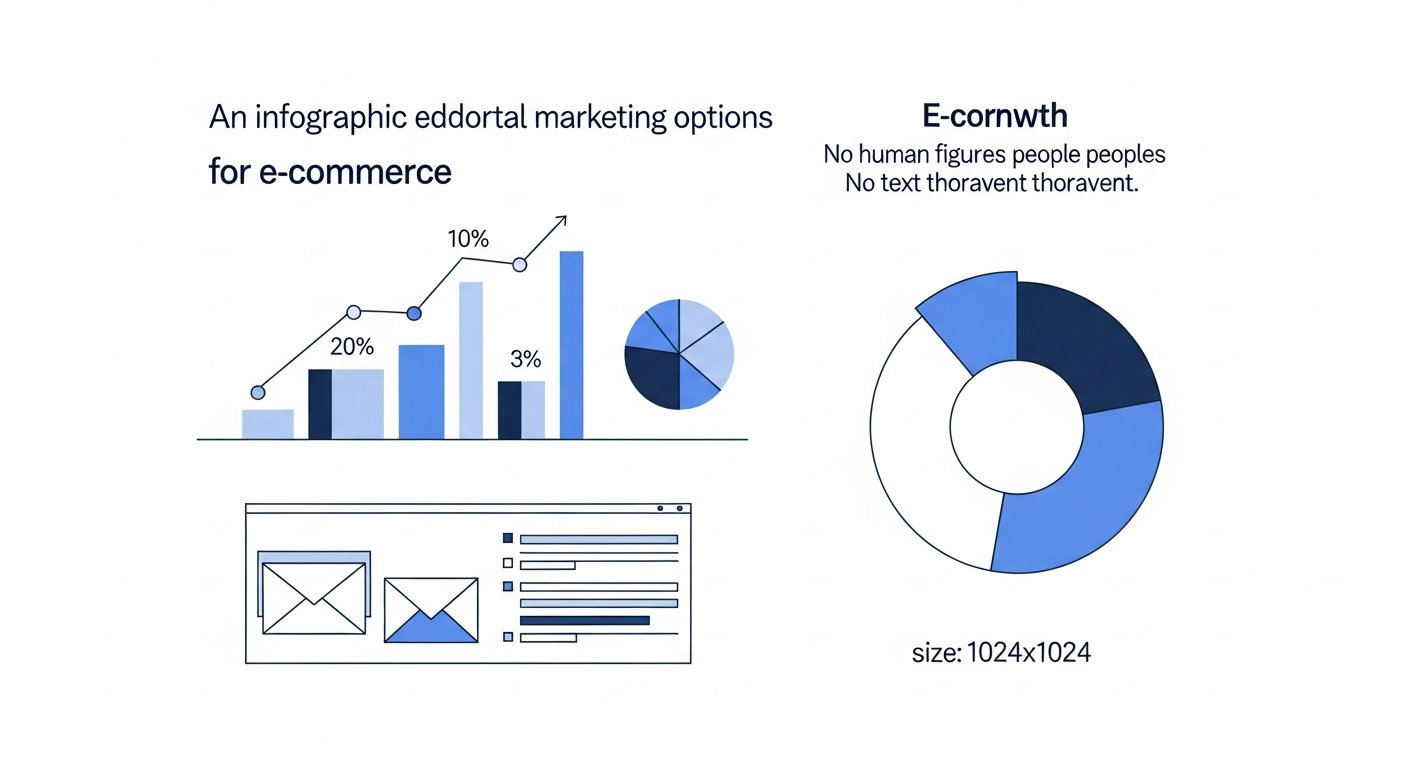
Despite the proliferation of new marketing channels – from social media to influencer collaborations and emerging metaverse platforms – email marketing continues to reign supreme for e-commerce businesses. Its enduring power lies in its directness, cost-effectiveness, and unparalleled ability to foster deep customer relationships. In 2026, as data privacy concerns grow and ad costs escalate, owning your audience through email lists becomes an even more invaluable asset.
Unmatched ROI and Customer Lifetime Value
Email marketing consistently delivers one of the highest returns on investment (ROI) across all digital marketing channels. Studies continue to show that for every dollar spent, email marketing can generate anywhere from $38 to $42 in return. This impressive figure isn’t just about initial sales; it’s about cultivating a relationship that encourages repeat purchases, boosts average order value (AOV), and significantly increases customer lifetime value (CLTV). For D2C brands focused on sustainable growth, maximizing CLTV is non-negotiable, and email is the most potent tool in that arsenal.
Consider the cumulative effect of a well-executed email strategy: a customer who receives relevant, timely communications is more likely to engage with your brand, more likely to make a second purchase, and more likely to recommend you to others. This ripple effect directly impacts long-term profitability, making the investment in the best email marketing for ecommerce a strategic imperative.
Direct Customer Connection and Brand Building
Unlike social media platforms where algorithms dictate visibility, email provides a direct, unfiltered line of communication to your customers’ inboxes. This direct access is crucial for building and nurturing your brand identity. Through email, you can share your brand story, communicate values, announce new products, offer exclusive content, and solicit feedback in a way that feels personal and exclusive. This direct channel fosters a sense of community and trust, transforming transactional relationships into genuine connections.
In an age where customers seek authenticity, email allows you to control the narrative entirely, building a cohesive brand experience from the welcome series to post-purchase follow-ups. It’s an opportunity to speak directly to your audience, understand their needs, and respond with tailored solutions, cementing your brand’s position in their minds and hearts.
Data-Driven Personalization at Scale
The modern e-commerce consumer expects personalized experiences. Generic, one-size-fits-all emails are no longer effective; they often lead to unsubscribe rates and lost opportunities. The strength of current email marketing platforms lies in their ability to segment audiences based on a vast array of data points – purchase history, browsing behavior, demographics, email engagement, and even external data from CRM systems. This granular segmentation enables truly personalized messaging at scale.
Imagine sending a tailored product recommendation to a customer based on their last purchase, offering a discount on an item they abandoned in their cart, or celebrating their birthday with a special offer. These personalized touches, powered by robust email marketing automation, significantly increase open rates, click-through rates (CTRs), and conversion rates, directly contributing to greater profitability.
Essential for Conversion Funnel Optimization
Email marketing plays a critical role at every stage of the e-commerce conversion funnel. From capturing initial interest with lead magnets and welcome series to nurturing prospects, driving conversions with abandoned cart reminders, and fostering loyalty through post-purchase sequences, email guides the customer journey seamlessly. It provides timely nudges, valuable information, and compelling offers that move customers from awareness to consideration, purchase, and ultimately, advocacy.
Effective email funnels reduce friction in the buying process, re-engage hesitant shoppers, and capitalize on moments of intent that might otherwise be lost. By strategically deploying email at each touchpoint, e-commerce businesses can significantly improve their conversion rates and optimize their overall sales pipeline, reinforcing why finding the best email marketing for ecommerce is so vital.
Key Features of the Best Email Marketing Platforms for E-commerce
When evaluating the contenders for the best email marketing for ecommerce, it’s crucial to look beyond basic sending capabilities. The top platforms offer a suite of advanced features designed specifically to meet the complex needs of online retailers. These capabilities empower businesses to automate, personalize, analyze, and scale their email efforts for maximum impact.
Robust Segmentation and Personalization
At the core of effective e-commerce email marketing is the ability to segment your audience with precision and personalize messages based on those segments. The best platforms allow you to segment by:
- Demographics: Age, location, gender.
- Purchase History: Products bought, total spend, frequency of purchase, first-time buyers vs. repeat customers.
- Browsing Behavior: Pages visited, products viewed, categories explored.
- Email Engagement: Open rates, click-through rates, unsubscribes.
- Lifecycle Stage: New subscribers, active customers, dormant customers, VIPs.
True personalization goes beyond just using a customer’s first name. It means dynamic content blocks, product recommendations driven by AI, and messaging tailored to their specific needs and interests. The goal is to make every email feel like it was crafted just for them.
Advanced Automation Workflows (Abandoned Carts, Welcome Series)
Automation is the engine that drives efficiency and profitability in e-commerce email marketing. The best platforms offer intuitive yet powerful visual workflow builders that allow you to set up complex automated sequences, including:
- Welcome Series: Onboarding new subscribers, introducing your brand, and offering an initial incentive.
- Abandoned Cart Recovery: Reminding customers of items left in their cart, often including incentives or social proof to encourage completion.
- Browse Abandonment: Sending follow-ups to customers who viewed products but didn’t add them to their cart.
- Post-Purchase Flows: Thank you emails, order confirmations, shipping updates, product care instructions, review requests, and cross-sell/upsell opportunities.
- Win-Back Campaigns: Re-engaging inactive subscribers or dormant customers with special offers.
- Birthday/Anniversary Emails: Personalized greetings and discounts to celebrate special occasions.
These automated flows ensure that your communication is always timely, relevant, and consistent, without requiring manual intervention for every single customer interaction.
Seamless E-commerce Platform Integrations (Shopify, BigCommerce, etc.)
For an email marketing platform to be truly effective for e-commerce, it must integrate flawlessly with your online store platform. Whether you’re on Shopify, BigCommerce, WooCommerce, Magento, or a custom solution, deep integration is critical. This means:
- Real-time Data Sync: Customer data, order history, product catalog, and browsing behavior should sync automatically.
- Event Tracking: The ability to track specific actions on your site (e.g., “added to cart,” “purchased,” “viewed product”) to trigger automations.
- Product Feeds: Easily pull product images, descriptions, and prices directly into email templates for dynamic content.
- API Access: For developers, a robust API allows for custom integrations and extended functionality.
Without deep integration, you’ll struggle to achieve the segmentation, personalization, and automation that define the best email marketing for ecommerce.
[INLINE IMAGE 1: place after second H2 | alt=”best email marketing for ecommerce concept illustration”]
A/B Testing and Analytics Capabilities
Continuous optimization is vital. The best platforms provide robust A/B testing tools, allowing you to test elements like subject lines, sender names, email content, call-to-action (CTA) buttons, and send times. Comprehensive analytics dashboards are equally important, offering insights into:
- Open rates, click-through rates, conversion rates.
- Revenue generated per campaign.
- Subscriber growth and churn.
- Engagement metrics (e.g., clicks on specific links).
- Deliverability rates.
These insights empower you to make data-driven decisions, refine your strategies, and continually improve your email marketing performance and profitability.
Deliverability and Compliance (GDPR, CCPA)
Sending emails is one thing; ensuring they land in the inbox (not the spam folder) is another. High deliverability rates are a hallmark of the best email marketing for ecommerce platforms. They employ advanced infrastructure and best practices to maintain a strong sender reputation.
Furthermore, given the global nature of e-commerce, compliance with data privacy regulations like GDPR (Europe) and CCPA (California) is non-negotiable. Platforms must provide features that facilitate consent management, data access requests, and secure data handling to keep your business legally sound and your customers’ trust intact.
Omnichannel Capabilities
While email is a powerhouse, it’s even more potent when integrated into a broader omnichannel strategy. The top email marketing platforms for e-commerce often include or seamlessly integrate with other channels such as:
- SMS Marketing: For urgent alerts, flash sales, or quick reminders.
- Push Notifications: Web push for immediate engagement on your site.
- In-App Messaging: For mobile-first experiences.
- Live Chat Integration: To provide immediate support based on email interactions.
This integrated approach creates a cohesive customer experience, ensuring your message reaches the customer on their preferred channel at the optimal time, enhancing overall engagement and conversion.
Top Contenders for Best Email Marketing for E-commerce: In-Depth Reviews
The market is flooded with email marketing solutions, but only a handful truly stand out for their comprehensive features and specific focus on e-commerce needs. Here, we delve into the leading platforms that consistently earn their stripes as the best email marketing for ecommerce.
Klaviyo: The Powerhouse for Serious E-commerce Growth
Klaviyo has become almost synonymous with advanced e-commerce email marketing, particularly for Shopify and D2C brands. It’s not just an email sender; it’s a customer data platform (CDP) and marketing automation engine rolled into one, designed to help businesses own their customer relationships and drive significant revenue.
- Key Features:
- Deep integration with major e-commerce platforms (Shopify, BigCommerce, Magento, WooCommerce).
- Unrivaled segmentation capabilities based on extensive customer data (browsing, purchase, email engagement, custom properties).
- Visual flow builder for highly sophisticated automation sequences (welcome, abandoned cart, browse abandonment, post-purchase, win-back, VIP flows).
- Predictive analytics to forecast future purchases, identify churn risks, and calculate CLTV.
- A/B testing for nearly every element, from subject lines to entire email flows.
- Robust reporting and analytics, often tied directly to revenue.
- Integrated SMS marketing capabilities for a unified customer journey.
- Form builder for pop-ups and embedded forms.
- Pros:
- Industry-leading e-commerce integrations and data handling.
- Extremely powerful automation and segmentation.
- Excellent for scaling businesses and maximizing CLTV.
- Strong community and extensive documentation/resources.
- Cons:
- Can be complex for beginners; requires a learning curve.
- Pricing can scale rapidly with contact list size, making it pricier for larger lists.
- Interface, while powerful, might feel less intuitive than simpler tools initially.
- Ideal For: Growing D2C brands, Shopify Plus merchants, e-commerce businesses serious about data-driven personalization, segmentation, and maximizing customer lifetime value. If you’re looking for the best email marketing for ecommerce and have the resources to invest in learning and optimization, Klaviyo is a top choice.
Omnisend: All-in-One Marketing Automation for E-commerce
Omnisend positions itself as an all-in-one marketing automation platform built specifically for e-commerce. It aims to simplify omnichannel marketing by combining email, SMS, push notifications, and even some social media integrations into a single, user-friendly interface. It’s a strong contender for businesses seeking comprehensive tools without the steep learning curve of some competitors.
- Key Features:
- Seamless integration with e-commerce platforms like Shopify, BigCommerce, and WooCommerce.
- Drag-and-drop email builder with pre-built e-commerce templates.
- Visual workflow builder for email, SMS, and push notification automation.
- Advanced segmentation based on customer data and shopping behavior.
- Product recommendations, scratch cards, and gift boxes within emails to boost engagement.
- Pop-ups, landing pages, and signup forms.
- Detailed sales and campaign analytics.
- Pros:
- Excellent omnichannel features (email, SMS, push) in one platform.
- User-friendly interface, easier to get started than Klaviyo for some.
- Strong e-commerce specific features like shoppable emails and product recommendations.
- Competitive pricing, especially for smaller to medium-sized businesses.
- Cons:
- Automation capabilities, while robust, might not be as deeply granular as Klaviyo for highly complex workflows.
- Reporting can be a bit less detailed in specific areas compared to analytics-heavy platforms.
- Ideal For: Small to medium-sized e-commerce businesses looking for an all-in-one omnichannel marketing solution that is powerful yet relatively easy to use. Great for those wanting to expand beyond just email into SMS and push notifications without managing multiple tools.
ActiveCampaign: Advanced Automation Beyond Email
ActiveCampaign is a powerful marketing automation and CRM platform that excels at creating highly personalized customer experiences. While not exclusively e-commerce focused, its robust automation capabilities and deep CRM features make it a strong option for D2C brands looking to integrate sales and marketing efforts seamlessly.
- Key Features:
- Advanced visual automation builder with conditional logic, branching, and goal tracking.
- Integrated CRM for managing customer relationships and sales pipelines.
- Email marketing with drag-and-drop builder, segmentation, and personalization.
- Site and event tracking to trigger automations based on website behavior.
- Predictive sending and machine learning for optimal send times.
- SMS marketing and landing page builder.
- Native integrations with many e-commerce platforms (though often requires a third-party app for deeper sync than Klaviyo/Omnisend).
- Pros:
- Extremely powerful and flexible automation engine.
- Built-in CRM for managing customer interactions across marketing and sales.
- High level of personalization and dynamic content options.
- Good value for money, especially for smaller businesses needing CRM and automation.
- Cons:
- Not purpose-built for e-commerce, so some integrations might require more effort or third-party tools compared to dedicated e-commerce platforms.
- Can have a steep learning curve due to its extensive feature set.
- E-commerce specific reporting might not be as intuitive as Klaviyo’s.
- Ideal For: E-commerce businesses that also have a strong B2B or complex sales component, or those looking for a unified CRM and marketing automation solution. Great for D2C brands that want to build highly sophisticated, multi-channel customer journeys beyond standard e-commerce flows.
Mailchimp: User-Friendly Entry Point for Many
Mailchimp is one of the most widely recognized email marketing services, celebrated for its user-friendliness and accessibility, particularly for small businesses and startups. While it has expanded its features considerably, its core strength remains its intuitive email builder and straightforward approach.
- Key Features:
- Easy-to-use drag-and-drop email builder with a wide selection of templates.
- Basic marketing automation (welcome series, abandoned cart reminders).
- Audience segmentation based on basic demographics and engagement.
- Landing page and website builder.
- Basic e-commerce integrations (Shopify, WooCommerce, Square).
- A/B testing for subject lines and content.
- Free plan for up to 500 contacts, which is excellent for getting started.
- Pros:
- Extremely beginner-friendly and intuitive.
- Generous free plan allows new businesses to start without upfront cost.
- Good for basic email campaigns and list management.
- Many integrations available.
- Cons:
- Advanced e-commerce automation and segmentation are less sophisticated than dedicated platforms like Klaviyo or Omnisend.
- Pricing can become expensive as your list grows, often outstripping more feature-rich competitors at higher tiers.
- Reporting is more general and less focused on detailed e-commerce metrics.
- Historically, email deliverability has been a concern for some users.
- Ideal For: New e-commerce businesses, startups, and small D2C brands with limited marketing resources or those just dipping their toes into email marketing. It’s a solid choice for straightforward campaigns but may be outgrown as businesses scale their ambition for personalization and automation.
ConvertKit: Creator-Focused, E-commerce Capable
ConvertKit started as a platform for creators, bloggers, and course sellers, emphasizing simplified automation and audience segmentation for content-driven businesses. However, its tag-based segmentation and visual automation builder have made it increasingly viable for certain types of e-commerce, especially those with a strong content marketing strategy or selling digital products.
- Key Features:
- Tag-based subscriber management, allowing for highly flexible segmentation.
- Visual automation builder (called “Visual Automations”).
- Focus on delivering content upgrades and lead magnets.
- Landing page and form builder.
- Simple, text-based email editor for a personal feel.
- Basic e-commerce integrations (e.g., Shopify via Zapier or direct integration).
- Direct integration with Stripe for selling products directly.
- Pros:
- Excellent for content creators and businesses with strong content marketing.
- Powerful tag-based segmentation is very flexible.
- Simple, clean interface.
- Good deliverability for personalized, text-heavy emails.
- Cons:
- Less focused on visual e-commerce email design and product feeds compared to dedicated platforms.
- Automation features are strong but might require more manual setup for complex e-commerce flows without direct integrations.
- Reporting is more geared towards creator metrics than deep e-commerce analytics.
- Pricing can be a bit higher for larger lists without significant e-commerce-specific features to justify it.
- Ideal For: D2C brands that heavily leverage content marketing, online courses, or digital products, and prefer a more personalized, text-driven email approach. Also suitable for businesses looking for a robust segmentation engine that isn’t tied to complex visual templates.
Drip: E-commerce CRM and Email Automation
Drip positions itself as an E-commerce CRM and email marketing automation platform, specifically designed to help growing brands build personal, profitable relationships with their customers. It offers robust features for segmentation, automation, and personalization, making it a strong contender for businesses focused on advanced customer journeys.
- Key Features:
- Deep integrations with Shopify, WooCommerce, Magento, and other e-commerce platforms.
- Granular customer segmentation based on purchase history, browsing behavior, tags, and custom fields.
- Visual workflow builder for complex automation sequences across email, SMS, and even direct mail.
- Behavioral triggers for dynamic content and personalized messaging.
- Lead scoring and multi-channel attribution.
- A/B testing for emails and automations.
- Pop-ups, forms, and landing pages.
- Integrated revenue analytics.
- Pros:
- Highly focused on e-commerce, with robust integrations and features.
- Powerful automation and segmentation capabilities rivaling Klaviyo.
- Good for businesses wanting to build comprehensive customer journeys across multiple channels.
- Strong emphasis on customer relationship management (CRM) within an e-commerce context.
- Cons:
- Can have a learning curve, though arguably less steep than Klaviyo for some users.
- Pricing can scale up, similar to other premium e-commerce platforms.
- User interface, while functional, might not be as aesthetically polished as some competitors.
- Ideal For: Growth-oriented e-commerce businesses looking for a dedicated e-commerce CRM with powerful email and omnichannel automation. Drip is an excellent choice for those wanting to dig deep into customer data to create highly personalized and profitable customer experiences.
Learn more about maximizing your D2C growth strategies here.
Comparison Table: Best Email Marketing for E-commerce Platforms
Platform Best For Key E-commerce Features Pricing Model (Starting Point) Shopify Integration Advanced Automation Klaviyo Serious e-commerce growth, advanced segmentation, D2C brands Predictive analytics, SMS, CDP, product feeds, A/B testing, forms Starts at $20/month for 500 contacts/12,500 emails Excellent, deep native integration Extremely powerful, highly customizable workflows Omnisend All-in-one omnichannel marketing, ease of use for SMBs Email, SMS, push notifications, shoppable emails, forms, landing pages Free for 500 emails/month; paid starts ~$16/month (500 contacts) Excellent, native integration Powerful visual builder for multi-channel flows ActiveCampaign CRM + marketing automation, complex multi-channel journeys, B2B/e-commerce blend Integrated CRM, site tracking, lead scoring, predictive sending, SMS Starts at $29/month (Lite plan, 1,000 contacts) Good, often via native integrations or third-party apps Industry-leading, highly flexible and conditional Mailchimp New businesses, basic email campaigns, budget-conscious startups Drag-and-drop builder, basic automations, forms, landing pages Free for 500 contacts; paid starts ~$13/month (500 contacts) Good, native integration for core features Basic (welcome, abandoned cart), limited complexity ConvertKit Content creators, digital product sellers, niche e-commerce with strong content Tag-based segmentation, simple automation, direct Stripe integration, forms Free for 1,000 contacts; paid starts ~$29/month (1,000 contacts) Good, often via direct or Zapier integration Robust visual automation builder (creator-focused) Drip Growth-focused e-commerce, sophisticated customer journeys, e-commerce CRM Behavioral tracking, multi-channel (email/SMS), lead scoring, revenue analytics Starts at $39/month (2,500 contacts) Excellent, deep native integration Very powerful, highly customizable behavioral workflows Choosing the Best Email Marketing Platform for Your E-commerce Store
Selecting the ideal email marketing solution isn’t a one-size-fits-all decision. The best email marketing for ecommerce for one brand might be entirely unsuitable for another. Your choice should align with your business size, budget, technical capabilities, and long-term marketing objectives. Here’s a framework to guide your decision-making process.
Assessing Your E-commerce Business Size and Stage
The needs of a startup with 500 customers differ wildly from an established enterprise with hundreds of thousands.
- Startups/Small Businesses: May prioritize ease of use, a generous free tier, and essential features like basic automation and segmentation. Mailchimp, or Omnisend’s free tier, could be excellent starting points.
- Growth-Stage Businesses (SMBs): Need more robust automation, deeper e-commerce integrations, and advanced segmentation. Omnisend, Drip, or ActiveCampaign offer a strong balance of power and value.
- Enterprise/High-Volume Merchants: Require the most sophisticated personalization, predictive analytics, dedicated support, and scalability. Klaviyo is often the gold standard here, with ActiveCampaign or even custom solutions for unique needs.
Consider your current customer base size, your projected growth, and how quickly you anticipate needing more advanced features.
Evaluating Integration Needs (Shopify, ERP, CRM)
Your email marketing platform shouldn’t operate in a silo. Its ability to integrate with your core e-commerce tech stack is paramount:
- E-commerce Platform: If you’re on Shopify, BigCommerce, or WooCommerce, ensure the platform has a deep, native integration that allows for real-time data sync of orders, customer profiles, and browsing behavior. This is non-negotiable for effective automation.
- CRM: If you use a separate CRM (e.g., Salesforce, HubSpot), consider how the email platform integrates. ActiveCampaign, with its built-in CRM, offers a distinct advantage for unified data.
- ERP/Inventory Management: For larger operations, seamless integration with ERP systems ensures that product availability and pricing are accurately reflected in your campaigns.
- Helpdesk/Support: Integration with customer service tools can enrich customer profiles and inform personalized communications.
The deeper the integration, the more powerful and seamless your marketing efforts will be. Avoid platforms that rely solely on Zapier for critical e-commerce data syncs, as this can lead to data latency and limitations.
Budget Considerations: What Are You Willing to Invest?
Email marketing platforms typically price based on the number of contacts or emails sent. While a free plan can get you started, expect costs to rise with your list size and feature demands.
- Understand the Tiers: Compare pricing tiers not just on contact count, but also on included features. Some platforms restrict advanced automation or A/B testing to higher-priced plans.
- Calculate ROI: Don’t view email marketing as an expense, but an investment. A more expensive platform that drives significantly higher conversion rates and CLTV will yield a better ROI than a cheaper one that underperforms.
- Hidden Costs: Factor in potential costs for premium templates, custom development, or third-party integrations if they are essential for your strategy.
Aim for a platform that offers the right balance between features and cost for your current and anticipated future needs. Remember, the best email marketing for ecommerce isn’t necessarily the cheapest, but the one that generates the most profit.
Scalability for Future Growth
Choose a platform that can grow with you. Migrating email marketing platforms is a complex and time-consuming process that you want to avoid as much as possible. Look for:
- Feature Roadmaps: Does the company regularly update its platform and add new features?
- Support for Large Lists: Can the platform handle hundreds of thousands or even millions of contacts without performance degradation?
- Advanced Capabilities: Does it offer features like predictive analytics, AI-driven recommendations, and deep custom integrations that you might need as you mature?
Investing in a scalable solution from the outset can save significant headaches and costs down the line.
[INLINE IMAGE 2: place after fourth H2 | alt=”best email marketing for ecommerce comparison illustration”]
Ease of Use vs. Advanced Functionality
There’s often a trade-off between user-friendliness and powerful, granular control.
- User-Friendly: Platforms like Mailchimp and Omnisend excel here, allowing marketers to quickly set up campaigns without extensive technical knowledge.
- Advanced Functionality: Klaviyo, ActiveCampaign, and Drip offer immense power but come with a steeper learning curve. They require a deeper understanding of marketing automation and data to unlock their full potential.
Consider the technical aptitude of your team. If you have dedicated marketing operations specialists, a more complex platform might be ideal. If your team is lean, a more intuitive platform will yield faster results.
Customer Support and Community
Even the most experienced marketers encounter challenges. High-quality customer support, comprehensive documentation, and an active user community are invaluable resources. Look for platforms that offer:
- Responsive live chat, email, or phone support.
- Extensive knowledge bases, tutorials, and academies.
- Dedicated customer success managers for higher-tier plans.
- Active user forums or communities where you can share insights and get help.
Reliable support ensures you can quickly troubleshoot issues and fully leverage the platform’s capabilities.
Strategies for Maximizing Your E-commerce Email Marketing ROI
Having the best email marketing for ecommerce platform is only half the battle. To truly unlock its potential and drive unparalleled ROI, you need a robust strategy. These tactics are proven to boost engagement, conversions, and customer loyalty for D2C brands.
Building a High-Quality Email List
The foundation of successful email marketing is a clean, engaged list. Focus on quality over quantity.
- Opt-in Forms: Utilize pop-ups (exit-intent, timed), embedded forms, and dedicated landing pages. Offer compelling incentives (discounts, exclusive content, free shipping) for signing up.
- Segment Your Signup: Offer choices at signup (e.g., “new arrivals,” “sales,” “specific product categories”) to immediately begin segmenting.
- Lead Magnets: Offer valuable content like buying guides, style tips, or how-to videos in exchange for an email address.
- Physical Store/Events: If applicable, collect emails in-store or at events with clear opt-in.
Never buy email lists. These lists typically have low engagement, high bounce rates, and can damage your sender reputation, making your platform selection of the “best email marketing for ecommerce” useless.
Crafting Irresistible Welcome Series
The welcome series is your first impression and one of the most critical automation flows. It sets the tone for your relationship.
- Immediate Delivery: Send the first email within minutes of signup.
- Introduce Your Brand: Share your story, values, and
