The Ultimate Guide to Payment Gateways for Shopify: Boost Your E-commerce Profits
Affiliate disclosure: This article may contain affiliate links. Recommendations are independent and editorially driven.
In the dynamic world of e-commerce, the checkout experience is the final frontier for conversion. A seamless, secure, and convenient payment process isn’t just a nicety; it’s a critical component of your Shopify store’s success and profitability. At the heart of this process lie payment gateways – the unsung heroes that connect your customers’ wallets to your bank account.
Choosing the right payment gateways for Shopify is one of the most pivotal decisions an online merchant can make. It directly impacts everything from transaction fees and supported currencies to customer trust and, ultimately, your bottom line. With countless options available, navigating this landscape can feel overwhelming. How do you ensure you’re offering the best experience for your global customer base while minimizing costs and maximizing security?
This comprehensive guide from e-comprofits is designed to demystify payment gateways for Shopify. We’ll dive deep into the mechanics, explore top-tier options, compare their features and fees, and equip you with the knowledge to optimize your checkout process for maximum conversion and growth. Whether you’re a budding entrepreneur or an established D2C brand, understanding your payment infrastructure is key to unlocking your store’s full potential.
Understanding Payment Gateways for Shopify: The Core Mechanics
Before we delve into specific options, it’s essential to grasp what payment gateways are, how they function, and why they’re indispensable for any Shopify store aiming for serious growth and profitability.
What is a Payment Gateway and How Does It Work?
In simple terms, a payment gateway is a service that authorizes and processes online payments for e-commerce businesses. Think of it as the digital equivalent of a physical point-of-sale (POS) terminal in a retail store. When a customer clicks “Pay Now” on your Shopify store, the payment gateway securely transmits their credit card information (or other payment details) to the acquiring bank (your bank) and the issuing bank (the customer’s bank) for verification. It then receives approval or denial and communicates that back to your store, completing or rejecting the transaction.
This entire process, involving encryption, data transmission, and communication between multiple financial institutions, happens in mere seconds. Without a reliable payment gateway, your Shopify store simply cannot accept online payments.
Why Shopify Stores Need Robust Payment Solutions
- Conversion Rates: A smooth and trusted checkout experience directly correlates with higher conversion rates. Friction, security concerns, or lack of preferred payment methods can lead to abandoned carts.
- Global Reach: To sell internationally, you need payment gateways that support various currencies and local payment methods, catering to diverse customer preferences.
- Security & Compliance: Payment gateways handle sensitive financial data. They must adhere to strict security standards like PCI DSS (Payment Card Industry Data Security Standard) to protect both your business and your customers from fraud.
- Operational Efficiency: Automated payment processing reduces manual effort, reconciles transactions, and simplifies accounting, allowing you to focus on growth.
- Scalability: As your Shopify store grows, your payment infrastructure needs to scale with it, handling increased transaction volumes and evolving customer demands without hiccups.
Key Components: Merchant Account vs. Payment Gateway
While often used interchangeably by newcomers, it’s crucial to understand the distinction between a merchant account and a payment gateway:
- Payment Gateway: This is the technology that facilitates the secure transfer of transaction information from your website to the payment processor. It encrypts the data, ensures compliance, and acts as the secure intermediary.
- Merchant Account: This is a special type of bank account that allows your business to accept credit and debit card payments. When a customer pays, the funds are temporarily held in this account before being transferred to your regular business bank account. Some payment gateways, like Shopify Payments and Stripe, offer integrated merchant account services, simplifying the setup. Others may require you to secure a separate merchant account.
For most Shopify merchants, especially those using integrated solutions, this distinction is less about separate applications and more about understanding the underlying financial flow. The convenience of all-in-one solutions is a significant draw for many.
Shopify Payments: The Built-In Advantage

For many Shopify merchants, the journey into payment processing begins and often stays with Shopify Payments. Integrated directly into the platform, it offers a streamlined, user-friendly experience designed specifically for Shopify stores.
Features and Benefits of Shopify Payments
Shopify Payments is Shopify’s native payment gateway, removing the need for third-party integrations and offering a cohesive experience. Here’s why it’s a popular choice:
- Seamless Integration: It’s built right into your Shopify admin, meaning no complex setup or external accounts needed for core functionality.
- No Third-Party Transaction Fees: Unlike when you use external gateways, Shopify waives its own transaction fees (0.5% – 2% depending on your plan) if you use Shopify Payments. You only pay the credit card processing rates.
- Simplified Payouts: Funds are automatically deposited into your bank account on a regular schedule, with clear reporting directly within your Shopify dashboard.
- Integrated Fraud Analysis: Shopify Payments includes powerful fraud analysis tools to help detect and prevent suspicious transactions, protecting your business from chargebacks.
- Accepts Major Payment Methods: It supports all major credit cards (Visa, Mastercard, American Express, Discover), as well as popular accelerated checkout options like Apple Pay, Google Pay, and Shop Pay.
- Shop Pay: Shopify Payments powers Shop Pay, an accelerated checkout experience that allows customers to save their payment and shipping information for lightning-fast future purchases on any Shopify store. This significantly boosts conversion rates.
- Multi-Currency Selling: Easily sell in multiple currencies and settle payments in your local currency.
Transaction Fees and Pricing Structure
One of the main draws of Shopify Payments is its straightforward pricing. There are no monthly fees, hidden costs, or setup charges. You only pay a per-transaction rate, which varies based on your Shopify plan and whether the transaction is online or in-person. The higher your Shopify plan, the lower your transaction fees.
- Basic Shopify Plan: Online transaction fees typically around 2.9% + 30¢ USD.
- Shopify Plan: Online transaction fees typically around 2.6% + 30¢ USD.
- Advanced Shopify Plan: Online transaction fees typically around 2.4% + 30¢ USD.
These rates are competitive, especially considering the integrated fraud protection and ease of use. Remember, if you use a third-party payment gateway without Shopify Payments, Shopify will charge an additional transaction fee on top of the gateway’s fees.
Supported Countries and Currencies
Shopify Payments is continuously expanding its global reach. As of 2026, it is available to merchants in a growing list of countries, including but not limited to:
- United States, Canada, United Kingdom, Australia, New Zealand, Ireland, Singapore, Germany, France, Spain, Italy, Belgium, Netherlands, Sweden, Denmark, Hong Kong, Japan, and more.
It supports processing payments and settling funds in the local currencies of these countries, allowing you to cater to a broader international audience effectively. Always check the latest availability on Shopify’s official documentation for the most up-to-date list relevant to your business location.
When to Choose Shopify Payments (and When to Consider Alternatives)
Choose Shopify Payments if:
- You want the simplest, most integrated solution for your Shopify store.
- You value avoiding additional Shopify transaction fees.
- Your business operates primarily within countries supported by Shopify Payments.
- You want robust fraud detection and accelerated checkout features like Shop Pay.
- You prefer streamlined reporting and accounting directly within your Shopify admin.
Consider alternatives or supplementary gateways if:
- Your business is located in a country not supported by Shopify Payments.
- You need to offer specific local payment methods popular in certain regions (e.g., iDEAL in the Netherlands, Sofort in Germany) that Shopify Payments doesn’t cover.
- You have a high-risk business model that Shopify Payments may not support (e.g., certain types of digital products, adult entertainment, specific financial services).
- You want to diversify your payment options to provide even more choice to your customers, particularly for international markets where other payment methods have strong brand recognition.
Ultimately, Shopify Payments is an excellent primary choice for most Shopify merchants due to its seamless integration and cost-effectiveness. However, a strategic merchant often combines it with one or two popular third-party options to maximize coverage and customer convenience.
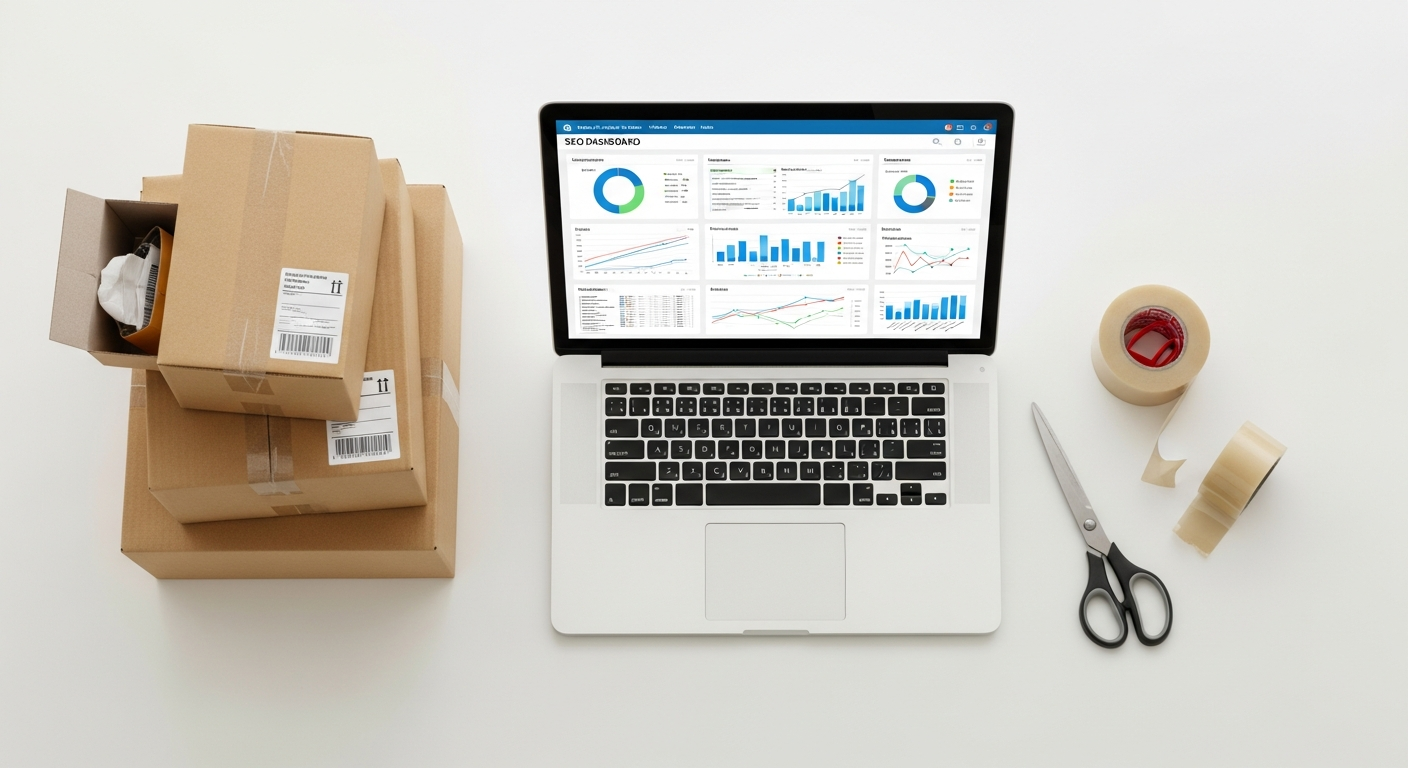
[INLINE IMAGE 1: place after second H2 | alt=”payment gateways for shopify concept illustration”]
Top Third-Party Payment Gateways for Shopify (And Why Diversify)
While Shopify Payments offers a robust foundation, integrating one or more third-party payment gateways can significantly enhance your store’s flexibility, reach, and customer experience. Diversifying your payment options caters to a broader audience, reduces reliance on a single provider, and can sometimes offer specialized features. Remember, however, that using a third-party gateway (without also enabling Shopify Payments) will incur Shopify’s additional transaction fees.
PayPal: A Global Standard
PayPal is arguably the most recognized online payment brand globally, making it a must-have for many Shopify stores. Its widespread adoption means a vast number of customers already have a PayPal account, allowing for quick and easy checkout.
- Pros: High brand trust and recognition, extensive global reach, buyer and seller protection, supports various payment methods (bank accounts, credit cards, PayPal balance). Fast checkout for existing users.
- Cons: Transaction fees can be higher than some alternatives, potential for disputes/chargebacks (though protections exist), funds can sometimes be held. Shopify’s transaction fees apply if not using Shopify Payments as primary.
- Best For: Nearly all Shopify stores, especially those with international customers or seeking to maximize trust and conversion for customers who prefer PayPal.
Stripe: Developer-Friendly Powerhouse
Stripe is a favorite among developers and businesses looking for highly customizable and powerful payment solutions. It’s known for its robust API, flexible features, and comprehensive suite of tools.
- Pros: Highly customizable checkout experience, supports a vast array of payment methods (credit cards, digital wallets, local payment methods), excellent fraud prevention tools, recurring billing support, developer-friendly documentation. Competitive transaction fees similar to Shopify Payments.
- Cons: Can be more complex to set up if you require advanced customizations; some features might require developer input. Shopify’s transaction fees apply if not using Shopify Payments as primary.
- Best For: Shopify stores needing advanced customization, subscription services, or those selling globally who want to offer a wide variety of local payment options.
Amazon Pay: Leveraging Customer Trust
Amazon Pay allows customers to use their existing Amazon account information to complete purchases on your Shopify store. This leverages the immense trust and convenience associated with Amazon.
- Pros: High customer trust, accelerated checkout for Amazon users, streamlined mobile experience, reduces friction by eliminating the need to re-enter shipping/billing info.
- Cons: Only benefits Amazon users, fees are comparable to other major gateways. Shopify’s transaction fees apply if not using Shopify Payments as primary.
- Best For: Shopify stores targeting Amazon Prime members or customers who frequently shop on Amazon, especially in regions where Amazon has a strong presence.
Apple Pay & Google Pay: Mobile Checkout Optimization
These digital wallets offer a one-tap checkout experience, particularly beneficial for mobile shoppers. They securely store credit card and shipping information, making purchases incredibly fast and convenient.
- Pros: Superior mobile checkout experience, increased conversion rates on mobile devices, high security (biometric authentication), widely adopted.
- Cons: Only available to users of compatible devices/browsers, still requires a primary payment gateway to process the underlying transaction.
- Best For: All Shopify stores, especially those with a significant mobile traffic percentage. Often integrated via Shopify Payments, Stripe, or other major gateways.
Klarna, Afterpay, Affirm: The Rise of Buy Now, Pay Later (BNPL)
BNPL services allow customers to pay for their purchases in interest-free installments over time. This has become a powerful conversion tool, especially for higher-ticket items, by making purchases more accessible.
- Pros: Significantly boosts conversion rates and average order value (AOV), attracts new customers, merchant gets paid upfront (BNPL provider takes the credit risk).
- Cons: Higher transaction fees than traditional credit cards, may attract customers less willing to pay full price, can sometimes lead to increased returns if not managed carefully. Shopify’s transaction fees apply if not using Shopify Payments as primary.
- Best For: Shopify stores selling products with mid-to-high price points, fashion, electronics, home goods, or any business looking to increase AOV and reach a wider demographic.
Other Niche/Regional Gateways
Depending on your target market, you might need to consider highly localized payment gateways:
- Adyen: A global payment platform for large enterprises, offering extensive international reach and a vast array of local payment methods. Highly scalable and flexible.
- Mollie: Popular in Europe, offering localized payment methods like iDEAL (Netherlands), Bancontact (Belgium), and Sofort (Germany), alongside standard card processing.
- Authorize.Net: One of the oldest and most established gateways, offering robust security and reliability, often preferred by businesses seeking a dedicated merchant account integration.
- 2Checkout (Verifone): Specializes in international e-commerce, offering fraud protection and a wide range of global payment options, particularly useful for digital goods and subscriptions.
These gateways can be crucial for unlocking specific markets and providing the trusted payment experience that local customers expect. Understanding your target demographic’s payment preferences is key to selecting the right regional partners.
Key Factors to Consider When Choosing a Payment Gateway

Selecting the optimal payment gateways for Shopify is not a one-size-fits-all decision. It requires a careful evaluation of various factors that directly impact your store’s operational efficiency, financial health, and customer satisfaction. Here’s a detailed look at what to consider beyond just the brand name.
Transaction Fees and Hidden Costs
This is often the first consideration, and for good reason. Payment gateway fees can significantly eat into your profit margins, especially as your transaction volume grows. Understand the full fee structure:
- Per-Transaction Fees: A percentage of the transaction value plus a fixed amount (e.g., 2.9% + $0.30).
- Monthly Fees: Some gateways charge a fixed monthly fee, especially for premium plans or dedicated merchant accounts.
- Setup Fees: Less common now, but some older or niche providers might still have one-time setup costs.
- Chargeback Fees: If a customer disputes a transaction, gateways often charge a fee (e.g., $15-$25) to handle the dispute, regardless of the outcome.
- Refund Fees: Some gateways may retain their processing fee even if you refund a customer.
- International Transaction Fees: Higher fees for processing payments from foreign credit cards or settling in a different currency.
- PCI Compliance Fees: While many modern gateways include this, some might charge extra for PCI compliance scans or certificates.
- Shopify Transaction Fees: Remember, if you use a third-party gateway and do NOT use Shopify Payments, Shopify itself charges an additional transaction fee (0.5% – 2%) depending on your plan. This is a critical cost to factor in.
Always read the fine print and calculate your potential costs based on your average order value and anticipated monthly sales volume.
Supported Currencies and International Reach
If you plan to sell globally, your payment gateway must support multiple currencies and ideally allow you to display prices and accept payments in customers’ local currencies. This enhances trust and conversion. Check:
- Which currencies can be displayed?
- Which currencies can be accepted for payment?
- Which currencies can funds be settled in? (e.g., can you accept EUR but settle in USD?)
- Are there additional fees for international transactions or currency conversion?
- Does the gateway support popular local payment methods in your target countries (e.g., SEPA Direct Debit in Europe, Pix in Brazil, UnionPay in China)?
Security and PCI Compliance
Protecting customer data is non-negotiable. Your chosen payment gateway must be PCI DSS compliant, which means it adheres to strict security standards for handling credit card information. Look for:
- Robust Encryption: Ensuring data is scrambled during transmission.
- Tokenization: Replacing sensitive card data with a unique, non-sensitive token.
- Fraud Prevention Tools: Integrated features to detect and prevent fraudulent transactions.
- 3D Secure (e.g., Verified by Visa, Mastercard SecureCode): An extra layer of security for card-not-present transactions, requiring customers to authenticate their purchase with their bank.
Using a compliant gateway significantly offloads your PCI responsibilities, but you still need to ensure your store’s setup is secure.
Customer Experience and Checkout Flow (On-site vs. Off-site)
The checkout experience directly impacts conversion. Payment gateways offer different integration models:
- On-site (Integrated/Embedded): The customer enters card details directly on your Shopify store’s checkout page. This provides a seamless brand experience but places more responsibility on you for PCI compliance (though modern gateways handle most of this securely). Examples: Shopify Payments, Stripe’s embedded forms.
- Off-site (Redirect): The customer is redirected to the payment gateway’s secure page to complete the transaction and then redirected back to your store. This can sometimes feel jarring but completely offloads PCI compliance from your site. Examples: PayPal Standard.
- Pop-up/Overlay: A hybrid approach where a payment form appears as an overlay on your site, keeping the customer on your domain visually while processing on the gateway’s secure server.
Generally, an on-site or integrated experience tends to have higher conversion rates due to less friction and a consistent brand journey. Accelerated checkouts like Shop Pay, Apple Pay, and Google Pay also significantly improve CX.
Integration with Shopify and Ease of Setup
How easily does the gateway connect with your Shopify store? Shopify Payments is native, making it the easiest. Third-party gateways typically have dedicated Shopify apps or direct API integrations. Consider:
- Ease of Activation: Is it a simple click-and-connect, or does it require manual API keys and configuration?
- Compatibility: Does it work seamlessly with your existing Shopify theme and apps?
- Documentation and Support: Is there clear documentation from both the gateway and Shopify on how to integrate and troubleshoot?
A complex integration can lead to technical headaches and potential downtime.
Payout Speed and Settlement Times
How quickly do funds from sales land in your business bank account? This affects your cash flow. Payout schedules vary:
- Daily: Some offer daily payouts (e.g., Shopify Payments, Stripe often do after an initial hold period).
- Weekly/Bi-weekly: More common for some older or smaller providers.
- Rolling Reserves: Some gateways might hold a percentage of your funds for a certain period as a reserve, especially for new or high-risk businesses.
Understand the typical payout schedule, initial hold periods for new accounts, and any conditions that might delay payouts.
Fraud Prevention Tools
E-commerce fraud is a constant threat. A good payment gateway provides robust tools to mitigate this risk:
- Address Verification System (AVS): Checks if the billing address matches the cardholder’s address on file.
- Card Verification Value (CVV): Verifies the 3 or 4-digit security code on the card.
- Machine Learning Fraud Detection: Advanced algorithms that analyze transaction patterns to identify suspicious activity.
- Customizable Rules: Ability to set your own rules (e.g., block orders from specific countries, orders over a certain amount, or multiple attempts from the same IP).
Effective fraud prevention protects your revenue and reputation. Learn more about advanced fraud prevention strategies for D2C businesses.
Recurring Billing and Subscription Support
If your Shopify store offers subscription products or services, your payment gateway must support recurring billing. This means storing card details securely (via tokenization) and automatically charging customers at set intervals. Many gateways offer this, but verify compatibility with Shopify subscription apps.
Customer Support and Reliability
When something goes wrong with payments, you need quick and effective support. Evaluate:
- Availability: 24/7 phone, email, or chat support?
- Response Times: How quickly do they typically respond to inquiries?
- Knowledge Base: Is there a comprehensive help center or documentation?
- Uptime: What is the gateway’s historical reliability and uptime record? Downtime means lost sales.
Chargeback Management
Chargebacks can be costly and time-consuming. Look for gateways that offer:
- Tools for Dispute Resolution: Features to help you respond to chargebacks with evidence.
- Insights: Reporting on chargeback reasons to help you identify and address root causes.
- Prevention Advice: Resources and advice on how to minimize chargebacks.
[INLINE IMAGE 2: place after fourth H2 | alt=”payment gateways for shopify comparison illustration”]
Comparison of Leading Payment Gateways for Shopify
To help you visualize the differences and make an informed decision, let’s compare some of the most popular payment gateways for Shopify based on critical criteria. This table is a simplified overview; specific fees and features can vary by region, business type, and specific plans.
Detailed Feature Breakdown and Fee Structures
The following table provides a snapshot of how key players stack up. Remember, “Fees” are approximate for online transactions in USD and can vary. Shopify’s additional transaction fees apply to third-party gateways if Shopify Payments is not also enabled.
| Feature/Gateway | Shopify Payments | PayPal (via Shopify) | Stripe (via Shopify) | Amazon Pay (via Shopify) | Klarna (via Shopify) |
|---|---|---|---|---|---|
| Primary Integration | Native/Built-in | App/Built-in | App/Built-in | App/Built-in | App/Built-in |
| Transaction Fees (Online) | 2.4-2.9% + $0.30 | 2.9% + $0.30 (Standard) | 2.9% + $0.30 (Standard) | 2.9% + $0.30 (Standard) | 3.29% + $0.30 (Varies) |
| Shopify Additional Fees | 0% | 0.5-2.0% (if SP not enabled) | 0.5-2.0% (if SP not enabled) | 0.5-2.0% (if SP not enabled) | 0.5-2.0% (if SP not enabled) |
| Setup Fees | None | None | None | None | None |
| Monthly Fees | None | None | None | None | None |
| Fraud Prevention | Built-in | Built-in tools | Radar (Advanced ML) | Amazon’s fraud tools | Built-in |
| Accelerated Checkout | Shop Pay, Apple Pay, Google Pay | PayPal Express Checkout | Apple Pay, Google Pay, Link | Amazon Pay | N/A (BNPL focus) |
| Global Currency Support | Excellent (Many countries) | Very Extensive | Very Extensive | Good (Limited to Amazon presence) | Growing (Key markets) |
| Payout Speed | 2-3 business days | Instant (can hold) | 2-7 business days | 1-7 business days | Merchant paid upfront |
| Recurring Billing | Yes (with apps) | Yes (with apps) | Yes (robust API) | No | No (installments for one purchase) |
| Key Strengths | Integration, Shop Pay, cost | Trust, ubiquity, global reach | Flexibility, developer-friendly, global | Amazon trust, quick checkout | Boost AOV, conversion, accessibility |
Geographic and Currency Support
When planning global expansion, understanding which payment gateways support your target markets is paramount. Shopify Payments covers major Western markets and is expanding. PayPal and Stripe boast the widest global coverage, supporting transactions in hundreds of countries and currencies. Amazon Pay’s reach largely mirrors Amazon’s retail presence, while BNPL providers like Klarna and Afterpay are strategically expanding into key consumer markets, often starting in North America, Europe, and Australia. For niche markets, specific local gateways might be essential.
User Experience and Integration Nuances
- Shopify Payments: Offers the most native checkout flow, with Shop Pay providing a truly frictionless experience for returning customers across Shopify stores. This tight integration generally leads to the highest conversion rates for general card payments.
- PayPal: The “PayPal Express Checkout” button is instantly recognizable and trusted. However, customers are often redirected off-site, which can sometimes lead to abandonment for those less familiar with the process or in cases of slow internet.
- Stripe: Known for its customizable API, Stripe allows for a very clean, embedded checkout experience that can be styled to match your brand perfectly. Their advanced fraud tools also operate seamlessly in the background.
- Amazon Pay: Provides a familiar and trusted button that leverages customers’ existing Amazon accounts, making checkout very fast, especially on mobile. The visual branding instantly conveys security.
- BNPL Options (Klarna, Afterpay): These integrate as additional payment options at checkout. Their unique value proposition (paying later) often entices customers who might otherwise abandon the cart, but their presence can add more choices to the payment method selection screen.
The choice often boils down to balancing conversion optimization (seamlessness) with offering a broad range of trusted payment options for your specific customer demographic. Optimize your Shopify checkout for higher conversion rates by carefully considering these nuances.
Optimizing Your Checkout Experience with Multiple Payment Gateways

While Shopify Payments is an excellent primary choice, the real power for conversion and global reach often lies in strategically combining multiple payment gateways. This approach ensures you cater to a wider range of customer preferences and market specifics, ultimately boosting your e-commerce profits.
Why Offer Multiple Payment Options? (Conversion Boost, Customer Preference)
The reasoning is simple yet profound: customer preference. Not every customer wants to pay with a credit card, and even fewer want to use a card if their preferred digital wallet or local payment method is available. Here’s why diversification matters:
- Increased Conversion: When customers see their preferred payment method, they feel more comfortable and secure, leading to fewer abandoned carts. A study might show that offering just PayPal alongside card payments can increase conversions by 10-15% for some demographics.
- Catering to Global Audiences: Payment habits vary dramatically by region. A European customer might prefer iDEAL or Sofort, while an American might lean towards PayPal or Shop Pay. Offering localized options builds trust and makes international sales viable.
- Access to Different Demographics: BNPL services like Klarna and Afterpay appeal to customers who prefer financial flexibility, opening up your products to a segment that might not otherwise purchase.
- Building Trust: Displaying well-known payment provider logos instills confidence in your store’s security and legitimacy.
- Mitigating Risk: If one payment gateway experiences downtime or has an issue, having alternatives ensures your store can still process sales.
Strategies for Presenting Payment Choices
Simply enabling multiple gateways isn’t enough; how you present them at checkout can significantly impact their effectiveness.
- Prioritize Popular Options: Place the most commonly used methods (e.g., credit card via Shopify Payments, PayPal, Shop Pay) prominently at the top of your payment options list.
- Leverage Accelerated Checkouts: Ensure options like Shop Pay, Apple Pay, and Google Pay are clearly visible and easily accessible, especially on mobile, as they drastically reduce checkout time.
- Contextual Display: Consider dynamic display based on customer location. For example, show local payment methods more prominently for customers browsing from specific countries.
- Clear Labeling: Use clear, recognizable logos and names for each payment method. Avoid jargon.
- Informative Messaging for BNPL: For services like Klarna or Afterpay, clearly explain the “pay later” benefit, often showing the monthly installment amount directly on product pages for higher-ticket items.
A/B Testing Payment Gateway Performance
To truly optimize, you must measure. A/B testing different payment gateway configurations can provide invaluable insights:
- Test Order of Options: Does putting PayPal first or last make a difference?
- Test Presence of Specific Options: Does adding (or removing) a niche payment method impact overall conversion?
- Analyze Performance by Device: How do payment options perform on desktop vs. mobile? Are Apple Pay and Google Pay converting higher on mobile?
- Monitor Abandonment Rates: Identify at which stage of the payment process customers are dropping off.
- Track AOV and Conversion: See if certain payment methods lead to higher average order values (e.g., BNPL).
Tools and apps for Shopify can help facilitate these tests and provide the data you need to make informed decisions.
Handling International Sales and Local Payment Methods
Global expansion is a massive growth opportunity for Shopify stores, but it hinges on localizing the payment experience:
- Currency Conversion: Use Shopify’s multi-currency features to display prices in local currencies. Shopify Payments handles the conversion for many regions.
- Local Payment Methods: Research the preferred payment methods in your target countries. For example, Germans often prefer Sofort or SEPA Direct Debit; the Dutch favor iDEAL. Integrate gateways like Mollie, Adyen, or specific local providers if Shopify Payments doesn’t cover them.
- Language Localization: Ensure your checkout page, including payment method descriptions, is translated into the local language.
- Legal and Tax Compliance: Understand the tax implications (e.g., VAT, GST) and legal requirements for payments in each country you sell to.
Successfully navigating international payments requires a strategic combination of global heavyweights and region-specific specialists among your chosen payment gateways for Shopify. Expand your Shopify store globally with confidence by mastering international payment strategies.
Advanced Strategies: Fraud Prevention, Analytics, and Future Trends
Beyond simply enabling transactions, sophisticated Shopify merchants leverage their payment infrastructure for advanced fraud prevention, data-driven decision-making, and staying ahead of emerging payment trends. These strategies are crucial for long-term profitability and competitive advantage.
Leveraging Built-in Fraud Tools and Third-Party Solutions
Fraud can erode profits and customer trust. A proactive approach is essential:
- Shopify’s Fraud Analysis: Shopify Payments includes an excellent built-in fraud analysis system that flags suspicious orders with low, medium, or high-risk indicators. Always review high-risk orders before fulfilling them.
- AVS and CVV Checks: Ensure these basic but effective checks are enabled for all credit card transactions.
- 3D Secure: Implement 3D Secure (e.g., Verified by Visa, Mastercard SecureCode) for an extra layer of authentication, especially for international transactions or high-value orders. This shifts liability for fraudulent transactions to the issuing bank.
- Third-Party Fraud Detection Apps: For higher volumes or specific risk profiles, consider integrating dedicated fraud prevention apps from the Shopify App Store (e.g., Signifyd, Riskified). These services use advanced machine learning to provide guaranteed chargeback protection for a fee.
- Manual Review Protocol: Establish clear internal procedures for reviewing suspicious orders, including checking IP addresses, shipping/billing address discrepancies, email domains, and order history.
Analyzing Payment Data for Better Business Decisions
Your payment gateways for Shopify collect a wealth of data that, when analyzed, can reveal powerful insights:
- Conversion Funnel Analysis: Pinpoint where customers drop off during the checkout process. Is one payment method causing more friction?
- Payment Method Popularity: Understand which payment options are most used by your different customer segments and geographic locations. This can inform future decisions about which new gateways to add or emphasize.
- Average Order Value (AOV) by Payment Method: Do customers using BNPL services spend more? Does PayPal users tend to buy smaller items?
- Chargeback Rates by Gateway/Country: Identify sources of fraud or customer dissatisfaction. High chargebacks from a specific region might indicate a need for stronger authentication or better product descriptions.
- Payout Timelines and Cash Flow: Monitor
The Ultimate Guide to Payment Gateways for Shopify: Boost Your E-commerce Profits
Affiliate disclosure: This article may contain affiliate links. Recommendations are independent and editorially driven.
In the dynamic world of e-commerce, the checkout experience is the final frontier for conversion. A seamless, secure, and convenient payment process isn’t just a nicety; it’s a critical component of your Shopify store’s success and profitability. At the heart of this process lie payment gateways – the unsung heroes that connect your customers’ wallets to your bank account.
Choosing the right payment gateways for Shopify is one of the most pivotal decisions an online merchant can make. It directly impacts everything from transaction fees and supported currencies to customer trust and, ultimately, your bottom line. With countless options available, navigating this landscape can feel overwhelming. How do you ensure you’re offering the best experience for your global customer base while minimizing costs and maximizing security?
This comprehensive guide from e-comprofits is designed to demystify payment gateways for Shopify. We’ll dive deep into the mechanics, explore top-tier options, compare their features and fees, and equip you with the knowledge to optimize your checkout process for maximum conversion and growth. Whether you’re a budding entrepreneur or an established D2C brand, understanding your payment infrastructure is key to unlocking your store’s full potential.
Understanding Payment Gateways for Shopify: The Core Mechanics
Before we delve into specific options, it’s essential to grasp what payment gateways are, how they function, and why they’re indispensable for any Shopify store aiming for serious growth and profitability.
What is a Payment Gateway and How Does It Work?
In simple terms, a payment gateway is a service that authorizes and processes online payments for e-commerce businesses. Think of it as the digital equivalent of a physical point-of-sale (POS) terminal in a retail store. When a customer clicks “Pay Now” on your Shopify store, the payment gateway securely transmits their credit card information (or other payment details) to the acquiring bank (your bank) and the issuing bank (the customer’s bank) for verification. It then receives approval or denial and communicates that back to your store, completing or rejecting the transaction.
This entire process, involving encryption, data transmission, and communication between multiple financial institutions, happens in mere seconds. Without a reliable payment gateway, your Shopify store simply cannot accept online payments.
Why Shopify Stores Need Robust Payment Solutions
- Conversion Rates: A smooth and trusted checkout experience directly correlates with higher conversion rates. Friction, security concerns, or lack of preferred payment methods can lead to abandoned carts.
- Global Reach: To sell internationally, you need payment gateways that support various currencies and local payment methods, catering to diverse customer preferences.
- Security & Compliance: Payment gateways handle sensitive financial data. They must adhere to strict security standards like PCI DSS (Payment Card Industry Data Security Standard) to protect both your business and your customers from fraud.
- Operational Efficiency: Automated payment processing reduces manual effort, reconciles transactions, and simplifies accounting, allowing you to focus on growth.
- Scalability: As your Shopify store grows, your payment infrastructure needs to scale with it, handling increased transaction volumes and evolving customer demands without hiccups.
Key Components: Merchant Account vs. Payment Gateway
While often used interchangeably by newcomers, it’s crucial to understand the distinction between a merchant account and a payment gateway:
- Payment Gateway: This is the technology that facilitates the secure transfer of transaction information from your website to the payment processor. It encrypts the data, ensures compliance, and acts as the secure intermediary.
- Merchant Account: This is a special type of bank account that allows your business to accept credit and debit card payments. When a customer pays, the funds are temporarily held in this account before being transferred to your regular business bank account. Some payment gateways, like Shopify Payments and Stripe, offer integrated merchant account services, simplifying the setup. Others may require you to secure a separate merchant account.
For most Shopify merchants, especially those using integrated solutions, this distinction is less about separate applications and more about understanding the underlying financial flow. The convenience of all-in-one solutions is a significant draw for many.
Shopify Payments: The Built-In Advantage
For many Shopify merchants, the journey into payment processing begins and often stays with Shopify Payments. Integrated directly into the platform, it offers a streamlined, user-friendly experience designed specifically for Shopify stores.
Features and Benefits of Shopify Payments
Shopify Payments is Shopify’s native payment gateway, removing the need for third-party integrations and offering a cohesive experience. Here’s why it’s a popular choice:
- Seamless Integration: It’s built right into your Shopify admin, meaning no complex setup or external accounts needed for core functionality.
- No Third-Party Transaction Fees: Unlike when you use external gateways, Shopify waives its own transaction fees (0.5% – 2% depending on your plan) if you use Shopify Payments. You only pay the credit card processing rates.
- Simplified Payouts: Funds are automatically deposited into your bank account on a regular schedule, with clear reporting directly within your Shopify dashboard.
- Integrated Fraud Analysis: Shopify Payments includes powerful fraud analysis tools to help detect and prevent suspicious transactions, protecting your business from chargebacks.
- Accepts Major Payment Methods: It supports all major credit cards (Visa, Mastercard, American Express, Discover), as well as popular accelerated checkout options like Apple Pay, Google Pay, and Shop Pay.
- Shop Pay: Shopify Payments powers Shop Pay, an accelerated checkout experience that allows customers to save their payment and shipping information for lightning-fast future purchases on any Shopify store. This significantly boosts conversion rates.
- Multi-Currency Selling: Easily sell in multiple currencies and settle payments in your local currency.
Transaction Fees and Pricing Structure
One of the main draws of Shopify Payments is its straightforward pricing. There are no monthly fees, hidden costs, or setup charges. You only pay a per-transaction rate, which varies based on your Shopify plan and whether the transaction is online or in-person. The higher your Shopify plan, the lower your transaction fees.
- Basic Shopify Plan: Online transaction fees typically around 2.9% + 30¢ USD.
- Shopify Plan: Online transaction fees typically around 2.6% + 30¢ USD.
- Advanced Shopify Plan: Online transaction fees typically around 2.4% + 30¢ USD.
These rates are competitive, especially considering the integrated fraud protection and ease of use. Remember, if you use a third-party payment gateway without Shopify Payments, Shopify will charge an additional transaction fee on top of the gateway’s fees.
Supported Countries and Currencies
Shopify Payments is continuously expanding its global reach. As of 2026, it is available to merchants in a growing list of countries, including but not limited to:
- United States, Canada, United Kingdom, Australia, New Zealand, Ireland, Singapore, Germany, France, Spain, Italy, Belgium, Netherlands, Sweden, Denmark, Hong Kong, Japan, and more.
It supports processing payments and settling funds in the local currencies of these countries, allowing you to cater to a broader international audience effectively. Always check the latest availability on Shopify’s official documentation for the most up-to-date list relevant to your business location.
When to Choose Shopify Payments (and When to Consider Alternatives)
Choose Shopify Payments if:
- You want the simplest, most integrated solution for your Shopify store.
- You value avoiding additional Shopify transaction fees.
- Your business operates primarily within countries supported by Shopify Payments.
- You want robust fraud detection and accelerated checkout features like Shop Pay.
- You prefer streamlined reporting and accounting directly within your Shopify admin.
Consider alternatives or supplementary gateways if:
- Your business is located in a country not supported by Shopify Payments.
- You need to offer specific local payment methods popular in certain regions (e.g., iDEAL in the Netherlands, Sofort in Germany) that Shopify Payments doesn’t cover.
- You have a high-risk business model that Shopify Payments may not support (e.g., certain types of digital products, adult entertainment, specific financial services).
- You want to diversify your payment options to provide even more choice to your customers, particularly for international markets where other payment methods have strong brand recognition.
Ultimately, Shopify Payments is an excellent primary choice for most Shopify merchants due to its seamless integration and cost-effectiveness. However, a strategic merchant often combines it with one or two popular third-party options to maximize coverage and customer convenience.
[INLINE IMAGE 1: place after second H2 | alt=”payment gateways for shopify concept illustration”]
Top Third-Party Payment Gateways for Shopify (And Why Diversify)
While Shopify Payments offers a robust foundation, integrating one or more third-party payment gateways can significantly enhance your store’s flexibility, reach, and customer experience. Diversifying your payment options caters to a broader audience, reduces reliance on a single provider, and can sometimes offer specialized features. Remember, however, that using a third-party gateway (without also enabling Shopify Payments) will incur Shopify’s additional transaction fees.
PayPal: A Global Standard
PayPal is arguably the most recognized online payment brand globally, making it a must-have for many Shopify stores. Its widespread adoption means a vast number of customers already have a PayPal account, allowing for quick and easy checkout.
- Pros: High brand trust and recognition, extensive global reach, buyer and seller protection, supports various payment methods (bank accounts, credit cards, PayPal balance). Fast checkout for existing users.
- Cons: Transaction fees can be higher than some alternatives, potential for disputes/chargebacks (though protections exist), funds can sometimes be held. Shopify’s transaction fees apply if not using Shopify Payments as primary.
- Best For: Nearly all Shopify stores, especially those with international customers or seeking to maximize trust and conversion for customers who prefer PayPal.
Stripe: Developer-Friendly Powerhouse
Stripe is a favorite among developers and businesses looking for highly customizable and powerful payment solutions. It’s known for its robust API, flexible features, and comprehensive suite of tools.
- Pros: Highly customizable checkout experience, supports a vast array of payment methods (credit cards, digital wallets, local payment methods), excellent fraud prevention tools, recurring billing support, developer-friendly documentation. Competitive transaction fees similar to Shopify Payments.
- Cons: Can be more complex to set up if you require advanced customizations; some features might require developer input. Shopify’s transaction fees apply if not using Shopify Payments as primary.
- Best For: Shopify stores needing advanced customization, subscription services, or those selling globally who want to offer a wide variety of local payment options.
Amazon Pay: Leveraging Customer Trust
Amazon Pay allows customers to use their existing Amazon account information to complete purchases on your Shopify store. This leverages the immense trust and convenience associated with Amazon.
- Pros: High customer trust, accelerated checkout for Amazon users, streamlined mobile experience, reduces friction by eliminating the need to re-enter shipping/billing info.
- Cons: Only benefits Amazon users, fees are comparable to other major gateways. Shopify’s transaction fees apply if not using Shopify Payments as primary.
- Best For: Shopify stores targeting Amazon Prime members or customers who frequently shop on Amazon, especially in regions where Amazon has a strong presence.
Apple Pay & Google Pay: Mobile Checkout Optimization
These digital wallets offer a one-tap checkout experience, particularly beneficial for mobile shoppers. They securely store credit card and shipping information, making purchases incredibly fast and convenient.
- Pros: Superior mobile checkout experience, increased conversion rates on mobile devices, high security (biometric authentication), widely adopted.
- Cons: Only available to users of compatible devices/browsers, still requires a primary payment gateway to process the underlying transaction.
- Best For: All Shopify stores, especially those with a significant mobile traffic percentage. Often integrated via Shopify Payments, Stripe, or other major gateways.
Klarna, Afterpay, Affirm: The Rise of Buy Now, Pay Later (BNPL)
BNPL services allow customers to pay for their purchases in interest-free installments over time. This has become a powerful conversion tool, especially for higher-ticket items, by making purchases more accessible.
- Pros: Significantly boosts conversion rates and average order value (AOV), attracts new customers, merchant gets paid upfront (BNPL provider takes the credit risk).
- Cons: Higher transaction fees than traditional credit cards, may attract customers less willing to pay full price, can sometimes lead to increased returns if not managed carefully. Shopify’s transaction fees apply if not using Shopify Payments as primary.
- Best For: Shopify stores selling products with mid-to-high price points, fashion, electronics, home goods, or any business looking to increase AOV and reach a wider demographic.
Other Niche/Regional Gateways
Depending on your target market, you might need to consider highly localized payment gateways:
- Adyen: A global payment platform for large enterprises, offering extensive international reach and a vast array of local payment methods. Highly scalable and flexible.
- Mollie: Popular in Europe, offering localized payment methods like iDEAL (Netherlands), Bancontact (Belgium), and Sofort (Germany), alongside standard card processing.
- Authorize.Net: One of the oldest and most established gateways, offering robust security and reliability, often preferred by businesses seeking a dedicated merchant account integration.
- 2Checkout (Verifone): Specializes in international e-commerce, offering fraud protection and a wide range of global payment options, particularly useful for digital goods and subscriptions.
These gateways can be crucial for unlocking specific markets and providing the trusted payment experience that local customers expect. Understanding your target demographic’s payment preferences is key to selecting the right regional partners.
Key Factors to Consider When Choosing a Payment Gateway
Selecting the optimal payment gateways for Shopify is not a one-size-fits-all decision. It requires a careful evaluation of various factors that directly impact your store’s operational efficiency, financial health, and customer satisfaction. Here’s a detailed look at what to consider beyond just the brand name.
Transaction Fees and Hidden Costs
This is often the first consideration, and for good reason. Payment gateway fees can significantly eat into your profit margins, especially as your transaction volume grows. Understand the full fee structure:
- Per-Transaction Fees: A percentage of the transaction value plus a fixed amount (e.g., 2.9% + $0.30).
- Monthly Fees: Some gateways charge a fixed monthly fee, especially for premium plans or dedicated merchant accounts.
- Setup Fees: Less common now, but some older or niche providers might still have one-time setup costs.
- Chargeback Fees: If a customer disputes a transaction, gateways often charge a fee (e.g., $15-$25) to handle the dispute, regardless of the outcome.
- Refund Fees: Some gateways may retain their processing fee even if you refund a customer.
- International Transaction Fees: Higher fees for processing payments from foreign credit cards or settling in a different currency.
- PCI Compliance Fees: While many modern gateways include this, some might charge extra for PCI compliance scans or certificates.
- Shopify Transaction Fees: Remember, if you use a third-party gateway and do NOT use Shopify Payments, Shopify itself charges an additional transaction fee (0.5% – 2%) depending on your plan. This is a critical cost to factor in.
Always read the fine print and calculate your potential costs based on your average order value and anticipated monthly sales volume.
Supported Currencies and International Reach
If you plan to sell globally, your payment gateway must support multiple currencies and ideally allow you to display prices and accept payments in customers’ local currencies. This enhances trust and conversion. Check:
- Which currencies can be displayed?
- Which currencies can be accepted for payment?
- Which currencies can funds be settled in? (e.g., can you accept EUR but settle in USD?)
- Are there additional fees for international transactions or currency conversion?
- Does the gateway support popular local payment methods in your target countries (e.g., SEPA Direct Debit in Europe, Pix in Brazil, UnionPay in China)?
Security and PCI Compliance
Protecting customer data is non-negotiable. Your chosen payment gateway must be PCI DSS compliant, which means it adheres to strict security standards for handling credit card information. Look for:
- Robust Encryption: Ensuring data is scrambled during transmission.
- Tokenization: Replacing sensitive card data with a unique, non-sensitive token.
- Fraud Prevention Tools: Integrated features to detect and prevent fraudulent transactions.
- 3D Secure (e.g., Verified by Visa, Mastercard SecureCode): An extra layer of security for card-not-present transactions, requiring customers to authenticate their purchase with their bank.
Using a compliant gateway significantly offloads your PCI responsibilities, but you still need to ensure your store’s setup is secure.
Customer Experience and Checkout Flow (On-site vs. Off-site)
The checkout experience directly impacts conversion. Payment gateways offer different integration models:
- On-site (Integrated/Embedded): The customer enters card details directly on your Shopify store’s checkout page. This provides a seamless brand experience but places more responsibility on you for PCI compliance (though modern gateways handle most of this securely). Examples: Shopify Payments, Stripe’s embedded forms.
- Off-site (Redirect): The customer is redirected to the payment gateway’s secure page to complete the transaction and then redirected back to your store. This can sometimes feel jarring but completely offloads PCI compliance from your site. Examples: PayPal Standard.
- Pop-up/Overlay: A hybrid approach where a payment form appears as an overlay on your site, keeping the customer on your domain visually while processing on the gateway’s secure server.
Generally, an on-site or integrated experience tends to have higher conversion rates due to less friction and a consistent brand journey. Accelerated checkouts like Shop Pay, Apple Pay, and Google Pay also significantly improve CX.
Integration with Shopify and Ease of Setup
How easily does the gateway connect with your Shopify store? Shopify Payments is native, making it the easiest. Third-party gateways typically have dedicated Shopify apps or direct API integrations. Consider:
- Ease of Activation: Is it a simple click-and-connect, or does it require manual API keys and configuration?
- Compatibility: Does it work seamlessly with your existing Shopify theme and apps?
- Documentation and Support: Is there clear documentation from both the gateway and Shopify on how to integrate and troubleshoot?
A complex integration can lead to technical headaches and potential downtime.
Payout Speed and Settlement Times
How quickly do funds from sales land in your business bank account? This affects your cash flow. Payout schedules vary:
- Daily: Some offer daily payouts (e.g., Shopify Payments, Stripe often do after an initial hold period).
- Weekly/Bi-weekly: More common for some older or smaller providers.
- Rolling Reserves: Some gateways might hold a percentage of your funds for a certain period as a reserve, especially for new or high-risk businesses.
Understand the typical payout schedule, initial hold periods for new accounts, and any conditions that might delay payouts.
Fraud Prevention Tools
E-commerce fraud is a constant threat. A good payment gateway provides robust tools to mitigate this risk:
- Address Verification System (AVS): Checks if the billing address matches the cardholder’s address on file.
- Card Verification Value (CVV): Verifies the 3 or 4-digit security code on the card.
- Machine Learning Fraud Detection: Advanced algorithms that analyze transaction patterns to identify suspicious activity.
- Customizable Rules: Ability to set your own rules (e.g., block orders from specific countries, orders over a certain amount, or multiple attempts from the same IP).
Effective fraud prevention protects your revenue and reputation. Learn more about advanced fraud prevention strategies for D2C businesses.
Recurring Billing and Subscription Support
If your Shopify store offers subscription products or services, your payment gateway must support recurring billing. This means storing card details securely (via tokenization) and automatically charging customers at set intervals. Many gateways offer this, but verify compatibility with Shopify subscription apps.
Customer Support and Reliability
When something goes wrong with payments, you need quick and effective support. Evaluate:
- Availability: 24/7 phone, email, or chat support?
- Response Times: How quickly do they typically respond to inquiries?
- Knowledge Base: Is there a comprehensive help center or documentation?
- Uptime: What is the gateway’s historical reliability and uptime record? Downtime means lost sales.
Chargeback Management
Chargebacks can be costly and time-consuming. Look for gateways that offer:
- Tools for Dispute Resolution: Features to help you respond to chargebacks with evidence.
- Insights: Reporting on chargeback reasons to help you identify and address root causes.
- Prevention Advice: Resources and advice on how to minimize chargebacks.
[INLINE IMAGE 2: place after fourth H2 | alt=”payment gateways for shopify comparison illustration”]
Comparison of Leading Payment Gateways for Shopify
To help you visualize the differences and make an informed decision, let’s compare some of the most popular payment gateways for Shopify based on critical criteria. This table is a simplified overview; specific fees and features can vary by region, business type, and specific plans.
Detailed Feature Breakdown and Fee Structures
The following table provides a snapshot of how key players stack up. Remember, “Fees” are approximate for online transactions in USD and can vary. Shopify’s additional transaction fees apply to third-party gateways if Shopify Payments is not also enabled.
Feature/Gateway Shopify Payments PayPal (via Shopify) Stripe (via Shopify) Amazon Pay (via Shopify) Klarna (via Shopify) Primary Integration Native/Built-in App/Built-in App/Built-in App/Built-in App/Built-in Transaction Fees (Online) 2.4-2.9% + $0.30 2.9% + $0.30 (Standard) 2.9% + $0.30 (Standard) 2.9% + $0.30 (Standard) 3.29% + $0.30 (Varies) Shopify Additional Fees 0% 0.5-2.0% (if SP not enabled) 0.5-2.0% (if SP not enabled) 0.5-2.0% (if SP not enabled) 0.5-2.0% (if SP not enabled) Setup Fees None None None None None Monthly Fees None None None None None Fraud Prevention Built-in Built-in tools Radar (Advanced ML) Amazon’s fraud tools Built-in Accelerated Checkout Shop Pay, Apple Pay, Google Pay PayPal Express Checkout Apple Pay, Google Pay, Link Amazon Pay N/A (BNPL focus) Global Currency Support Excellent (Many countries) Very Extensive Very Extensive Good (Limited to Amazon presence) Growing (Key markets) Payout Speed 2-3 business days Instant (can hold) 2-7 business days 1-7 business days Merchant paid upfront Recurring Billing Yes (with apps) Yes (with apps) Yes (robust API) No No (installments for one purchase) Key Strengths Integration, Shop Pay, cost Trust, ubiquity, global reach Flexibility, developer-friendly, global Amazon trust, quick checkout Boost AOV, conversion, accessibility Geographic and Currency Support
When planning global expansion, understanding which payment gateways support your target markets is paramount. Shopify Payments covers major Western markets and is expanding. PayPal and Stripe boast the widest global coverage, supporting transactions in hundreds of countries and currencies. Amazon Pay’s reach largely mirrors Amazon’s retail presence, while BNPL providers like Klarna and Afterpay are strategically expanding into key consumer markets, often starting in North America, Europe, and Australia. For niche markets, specific local gateways might be essential.
User Experience and Integration Nuances
- Shopify Payments: Offers the most native checkout flow, with Shop Pay providing a truly frictionless experience for returning customers across Shopify stores. This tight integration generally leads to the highest conversion rates for general card payments.
- PayPal: The “PayPal Express Checkout” button is instantly recognizable and trusted. However, customers are often redirected off-site, which can sometimes lead to abandonment for those less familiar with the process or in cases of slow internet.
- Stripe: Known for its customizable API, Stripe allows for a very clean, embedded checkout experience that can be styled to match your brand perfectly. Their advanced fraud tools also operate seamlessly in the background.
- Amazon Pay: Provides a familiar and trusted button that leverages customers’ existing Amazon accounts, making checkout very fast, especially on mobile. The visual branding instantly conveys security.
- BNPL Options (Klarna, Afterpay): These integrate as additional payment options at checkout. Their unique value proposition (paying later) often entices customers who might otherwise abandon the cart, but their presence can add more choices to the payment method selection screen.
The choice often boils down to balancing conversion optimization (seamlessness) with offering a broad range of trusted payment options for your specific customer demographic. Optimize your Shopify checkout for higher conversion rates by carefully considering these nuances.
Optimizing Your Checkout Experience with Multiple Payment Gateways
While Shopify Payments is an excellent primary choice, the real power for conversion and global reach often lies in strategically combining multiple payment gateways. This approach ensures you cater to a wider range of customer preferences and market specifics, ultimately boosting your e-commerce profits.
Why Offer Multiple Payment Options? (Conversion Boost, Customer Preference)
The reasoning is simple yet profound: customer preference. Not every customer wants to pay with a credit card, and even fewer want to use a card if their preferred digital wallet or local payment method is available. Here’s why diversification matters:
- Increased Conversion: When customers see their preferred payment method, they feel more comfortable and secure, leading to fewer abandoned carts. A study might show that offering just PayPal alongside card payments can increase conversions by 10-15% for some demographics.
- Catering to Global Audiences: Payment habits vary dramatically by region. A European customer might prefer iDEAL or Sofort, while an American might lean towards PayPal or Shop Pay. Offering localized options builds trust and makes international sales viable.
- Access to Different Demographics: BNPL services like Klarna and Afterpay appeal to customers who prefer financial flexibility, opening up your products to a segment that might not otherwise purchase.
- Building Trust: Displaying well-known payment provider logos instills confidence in your store’s security and legitimacy.
- Mitigating Risk: If one payment gateway experiences downtime or has an issue, having alternatives ensures your store can still process sales.
Strategies for Presenting Payment Choices
Simply enabling multiple gateways isn’t enough; how you present them at checkout can significantly impact their effectiveness.
- Prioritize Popular Options: Place the most commonly used methods (e.g., credit card via Shopify Payments, PayPal, Shop Pay) prominently at the top of your payment options list.
- Leverage Accelerated Checkouts: Ensure options like Shop Pay, Apple Pay, and Google Pay are clearly visible and easily accessible, especially on mobile, as they drastically reduce checkout time.
- Contextual Display: Consider dynamic display based on customer location. For example, show local payment methods more prominently for customers browsing from specific countries.
- Clear Labeling: Use clear, recognizable logos and names for each payment method. Avoid jargon.
- Informative Messaging for BNPL: For services like Klarna or Afterpay, clearly explain the “pay later” benefit, often showing the monthly installment amount directly on product pages for higher-ticket items.
A/B Testing Payment Gateway Performance
To truly optimize, you must measure. A/B testing different payment gateway configurations can provide invaluable insights:
- Test Order of Options: Does putting PayPal first or last make a difference?
- Test Presence of Specific Options: Does adding (or removing) a niche payment method impact overall conversion?
- Analyze Performance by Device: How do payment options perform on desktop vs. mobile? Are Apple Pay and Google Pay converting higher on mobile?
- Monitor Abandonment Rates: Identify at which stage of the payment process customers are dropping off.
- Track AOV and Conversion: See if certain payment methods lead to higher average order values (e.g., BNPL).
Tools and apps for Shopify can help facilitate these tests and provide the data you need to make informed decisions.
Handling International Sales and Local Payment Methods
Global expansion is a massive growth opportunity for Shopify stores, but it hinges on localizing the payment experience:
- Currency Conversion: Use Shopify’s multi-currency features to display prices in local currencies. Shopify Payments handles the conversion for many regions.
- Local Payment Methods: Research the preferred payment methods in your target countries. For example, Germans often prefer Sofort or SEPA Direct Debit; the Dutch favor iDEAL. Integrate gateways like Mollie, Adyen, or specific local providers if Shopify Payments doesn’t cover them.
- Language Localization: Ensure your checkout page, including payment method descriptions, is translated into the local language.
- Legal and Tax Compliance: Understand the tax implications (e.g., VAT, GST) and legal requirements for payments in each country you sell to.
Successfully navigating international payments requires a strategic combination of global heavyweights and region-specific specialists among your chosen payment gateways for Shopify. Expand your Shopify store globally with confidence by mastering international payment strategies.
Advanced Strategies: Fraud Prevention, Analytics, and Future Trends
Beyond simply enabling transactions, sophisticated Shopify merchants leverage their payment infrastructure for advanced fraud prevention, data-driven decision-making, and staying ahead of emerging payment trends. These strategies are crucial for long-term profitability and competitive advantage.
Leveraging Built-in Fraud Tools and Third-Party Solutions
Fraud can erode profits and customer trust. A proactive approach is essential:
- Shopify’s Fraud Analysis: Shopify Payments includes an excellent built-in fraud analysis system that flags suspicious orders with low, medium, or high-risk indicators. Always review high-risk orders before fulfilling them.
- AVS and CVV Checks: Ensure these basic but effective checks are enabled for all credit card transactions.
- 3D Secure: Implement 3D Secure (e.g., Verified by Visa, Mastercard SecureCode) for an extra layer of authentication, especially for international transactions or high-value orders. This shifts liability for fraudulent transactions to the issuing bank.
- Third-Party Fraud Detection Apps: For higher volumes or specific risk profiles, consider integrating dedicated fraud prevention apps from the Shopify App Store (e.g., Signifyd, Riskified). These services use advanced machine learning to provide guaranteed chargeback protection for a fee.
- Manual Review Protocol: Establish clear internal procedures for reviewing suspicious orders, including checking IP addresses, shipping/billing address discrepancies, email domains, and order history.
Analyzing Payment Data for Better Business Decisions
Your payment gateways for Shopify collect a wealth of data that, when analyzed, can reveal powerful insights:
- Conversion Funnel Analysis: Pinpoint where customers drop off during the checkout process. Is one payment method causing more friction?
- Payment Method Popularity: Understand which payment options are most used by your different customer segments and geographic locations. This can inform future decisions about which new gateways to add or emphasize.
- Average Order Value (AOV) by Payment Method: Do customers using BNPL services spend more? Does PayPal users tend to buy smaller items?
- Chargeback Rates by Gateway/Country: Identify sources of fraud or customer dissatisfaction. High chargebacks from a specific region might indicate a need for stronger authentication or better product descriptions.
- Payout Timelines and Cash Flow: Monitor